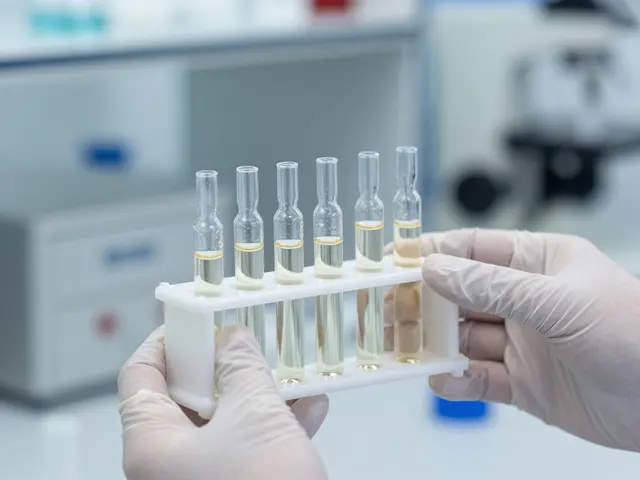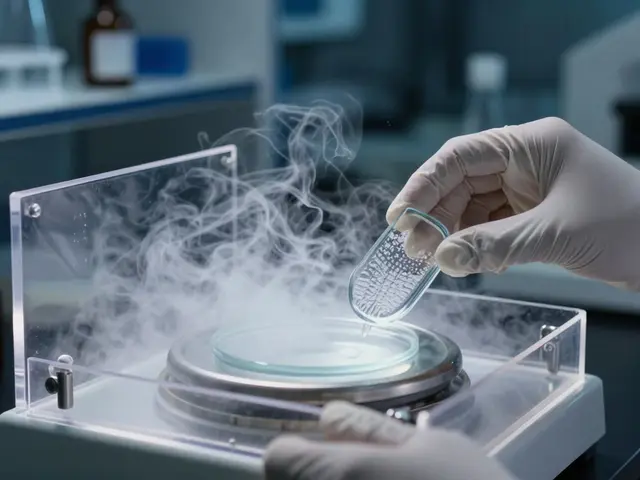
Imagine a crime scene where the only physical evidence linking a suspect to the victim is a single hair. The lab receives it, but six months later, the case is still pending. This isn't a plot twist; it's a reality for thousands of cases in the United States. DNA backlogs are a systemic delay in processing biological evidence due to limited laboratory capacity, funding constraints, and high caseload volumes. For investigators and legal teams, these delays can mean cold cases stay cold or suspects remain free while evidence sits in a queue.
The core problem isn't just about speed. It’s about balancing scientific rigor with operational efficiency. When forensic laboratories are facilities that analyze physical evidence using scientific methods to provide admissible results in court, every minute counts. But when the volume of samples exceeds the throughput of instruments and staff, the system stalls. Understanding how to fix this requires looking at the hardware, the people, and the workflow itself.
When you combine these factors, the average turnaround time is the duration from sample receipt to final report delivery can stretch from weeks to over a year. For a detective trying to build a prosecution case, that gap is critical.Why Forensic Labs Hit a Wall
Most forensic DNA units operate under a strict hierarchy of priorities. Homicide and sexual assault cases usually jump the line, which is logical. However, this creates a bottleneck effect. Lower-priority cases, such as property crimes or older unsolved files, get pushed further back. The result? A growing inventory of unprocessed samples.
The primary drivers of this stagnation include:
The Role of Laboratory Capacity in Throughput
Capacity isn't just about having enough desks. It’s a mathematical equation involving personnel, equipment uptime, and sample complexity. A standard forensic lab might process 50-100 samples per week per analyst. If you have ten analysts, your theoretical maximum is 1,000 samples weekly. But real-world variables reduce this by 30-40% due to maintenance, training, and complex mixture interpretations.
Throughput optimization is the strategic adjustment of workflow processes to maximize the number of completed analyses within a given timeframe without sacrificing accuracy. To improve this, labs must look at three levers: parallel processing, automated workflows, and prioritization algorithms.
Parallel processing means running multiple stages of analysis simultaneously. Instead of waiting for one batch to finish extraction before starting quantification, efficient labs stagger their batches so that while one group is being extracted, another is being amplified, and a third is being analyzed. This keeps the instruments busy and the pipeline moving.
Modern Solutions: Automation and High-Throughput Tech
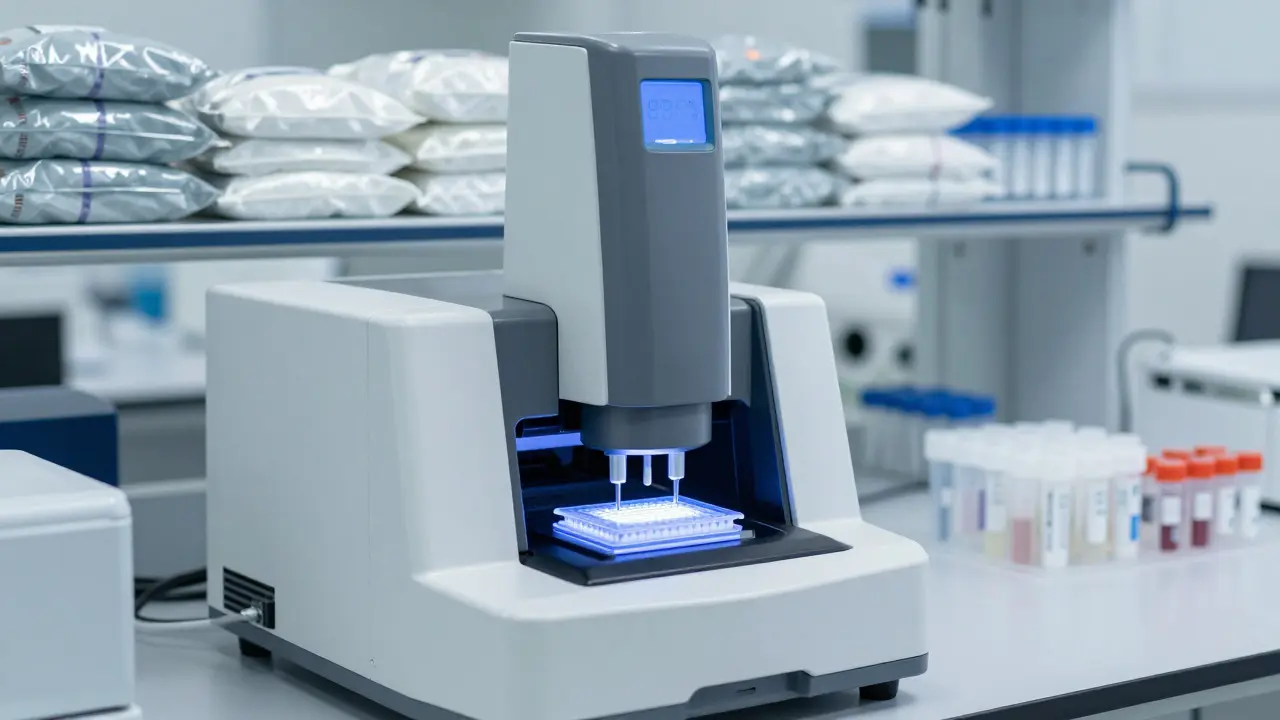
The industry is shifting away from manual pipetting toward fully automated liquid handling robots. These systems can prepare hundreds of samples in hours rather than days. For example, platforms like the Hamilton Microlab or Tecan Freedom Evo allow labs to run unattended overnight cycles. This not only speeds up processing but also reduces human error, which is crucial for maintaining accreditation standards. Another game-changer is the adoption of next-generation sequencing (NGS) technologies. Unlike traditional short tandem repeat (STR) analysis, NGS allows for simultaneous profiling of multiple genetic markers. While initially slower per sample, NGS becomes significantly faster when analyzing large batches or degraded samples because it provides more data points in a single run. This is particularly useful for old evidence found in cold cases, where traditional methods might fail entirely.| Feature | Traditional Capillary Electrophoresis | Next-Generation Sequencing (NGS) |
|---|---|---|
| Throughput per Run | Low (96-384 samples max) | High (Thousands of samples possible) |
| Data Depth | Allele sizes only | Sequence + allele info + SNPs |
| Sample Degradation Tolerance | Moderate | High (works with smaller fragments) |
| Cost per Sample (at scale) | Lower | Higher initially, decreasing with volume |
| Turnaround Time (Batch) | Days to Weeks | Weeks (but handles larger volumes) |
Workflow Redesign: From Receipt to Report
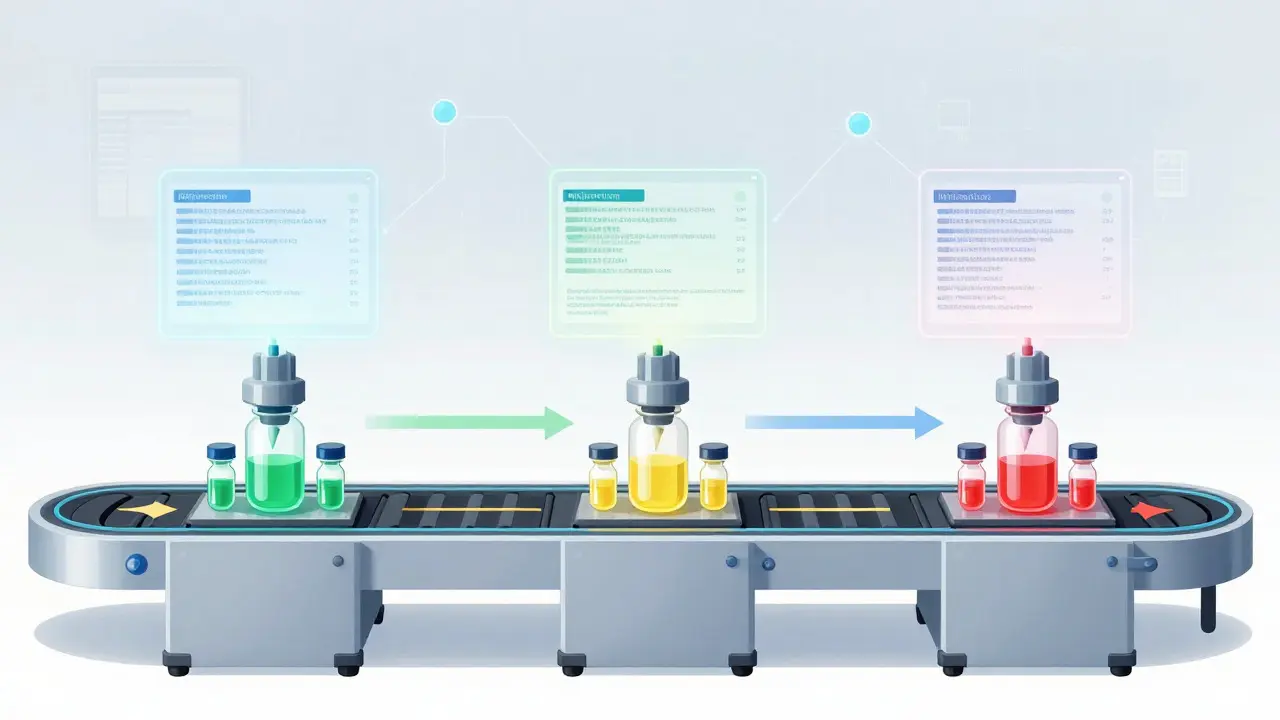
Technology alone doesn't solve backlogs if the workflow around it is clunky. Many labs suffer from "batch thinking," where they wait to accumulate a large pile of samples before starting any work. This is inefficient. Continuous flow processing, where samples move through the lab as soon as they are ready for the next step, reduces idle time. Implementing robust Laboratory Information Management Systems (LIMS) is software that tracks samples from intake to disposal, automating chain-of-custody documentation and scheduling instrument runs is non-negotiable. A good LIMS integrates directly with instruments, pulling raw data automatically and flagging anomalies for review. This eliminates the double-entry burden on technicians and ensures that reports are generated faster. Consider the impact of digital chain of custody. In the past, tracking a sample meant filling out paper forms at every handoff. Now, barcode scanning updates the database in real-time. If a sample goes missing or is misplaced, the system alerts staff immediately. This transparency builds trust with law enforcement partners who are frustrated by opaque delays.Strategic Partnerships and Outsourcing
Not every lab needs to do everything in-house. During peak surges-such as after a mass shooting or a major disaster-private commercial labs can absorb overflow work. Establishing pre-negotiated contracts with accredited private providers ensures that public labs aren't overwhelmed. These partnerships allow public agencies to maintain focus on high-priority local cases while routine or bulk samples are processed elsewhere. Additionally, regional sharing of resources is becoming common. Smaller county labs often lack the budget for high-end NGS sequencers. By forming consortia, they can share access to expensive equipment, ensuring that even small jurisdictions benefit from advanced technology without bearing the full capital cost.
Measuring Success: Metrics That Matter
How do you know if the solutions are working? You need clear Key Performance Indicators (KPIs). Don't just look at total cases closed. Track:- Median Turnaround Time: The middle value of all case completion times. This is more accurate than averages, which can be skewed by outliers.
- Backlog Age Distribution: What percentage of pending cases are older than 6 months? Older than 1 year?
- Instrument Utilization Rate: Are your machines running 80% of the time they are available? Low utilization suggests workflow bottlenecks elsewhere.
- Error Rates: As speed increases, does the rate of technical repeats or invalid results rise? Balance is key.
Regular audits against these metrics help identify where the friction lies. Is it the extraction step? The interpretation phase? Or the administrative reporting stage? Pinpointing the exact choke point allows for targeted fixes rather than broad, expensive overhauls.
The Future of Forensic DNA Processing
The landscape is evolving rapidly. Microfluidic chips are emerging that can perform entire DNA profiles in minutes using tiny droplets of sample. Artificial intelligence is being integrated into interpretation software, helping analysts identify mixtures and stutter peaks faster. These tools promise to shrink turnaround times from months to days. However, the human element remains vital. No machine can replace the judgment required to interpret complex mixtures or explain findings to a jury. The goal isn't to eliminate analysts, but to empower them with tools that remove the drudgery, allowing them to focus on the science and the story behind the evidence. For law enforcement, the message is clear: demand transparency. Ask your lab for their median turnaround time. Ask how they prioritize cases. And ask what they are doing to invest in automation. The solution to DNA backlogs isn't just money; it's strategy, technology, and a commitment to keeping the pipeline flowing.What is the average DNA test turnaround time in the US?
It varies widely by state and case priority. High-priority homicide cases may take 2-4 weeks, while lower-priority cases can take 6-12 months or longer. National averages often hover around 3-5 months for standard casework.
How does automation reduce forensic DNA backlogs?
Automation reduces manual labor time for extraction and amplification, minimizes human error, and allows for continuous processing rather than batch-based work. This increases the total number of samples a lab can process per week.
Is Next-Generation Sequencing (NGS) faster than traditional STR testing?
For single samples, NGS can be slower and more expensive. However, for large batches or degraded samples, NGS is more efficient because it generates more data per run and requires less sample quantity, making it ideal for clearing large backlogs of old evidence.
What role does a LIMS play in reducing delays?
A Laboratory Information Management System (LIMS) automates sample tracking, chain of custody, and data entry. By eliminating manual paperwork and integrating with instruments, it speeds up the administrative side of testing, which often accounts for 20-30% of total turnaround time.
Can private labs help solve public agency backlogs?
Yes. Public agencies can contract with accredited private labs to handle overflow or routine cases. This allows public labs to focus on high-priority local investigations while leveraging private sector capacity for volume work.