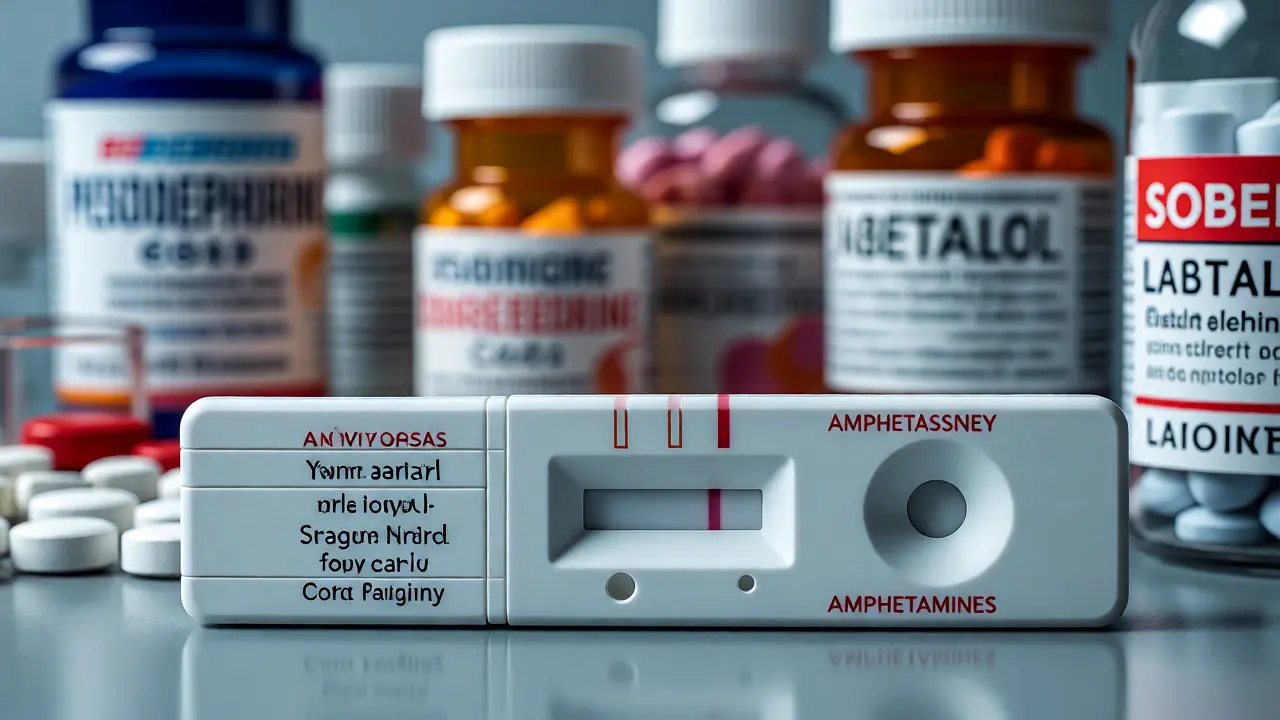
You just got a positive result for amphetamines. The boss is asking questions, the probation officer is skeptical, or the legal case is hanging on this one data point. But here’s the thing: that initial screen might be lying to you. In forensic toxicology, amphetamines are notorious for triggering false positives in initial immunoassay screenings because their chemical structure looks similar to dozens of other common compounds. If you stop at the first test, you’re playing Russian roulette with someone’s career or freedom. You need to understand why these errors happen and how proper confirmation protocols separate real drug use from innocent medication side effects.
The Problem with Immunoassay Screening
Most workplace drug tests and emergency room panels start with an immunoassay. Think of it as a high-speed security scanner at an airport. It’s fast, cheap, and catches most threats, but it can’t tell the difference between a bottle of water and a bottle of vodka if they look similar enough to the sensor. These tests use antibodies designed to grab onto the specific shape of an amphetamine molecule. The problem? The world is full of molecules that have roughly the same shape.
This cross-reactivity is the main culprit behind false positives. An antibody looking for methamphetamine might also latch onto labetalol (a blood pressure med) or ranitidine (an acid reducer). The machine doesn't know the difference; it just sees a "match" and flags the sample as positive. This isn't a malfunction-it's a feature of the technology. We accept lower specificity in the screening phase to ensure we don't miss actual users (high sensitivity), but that trade-off means you get noise in your signal.
Common Culprits Behind False Positives
If you're trying to figure out what caused a false flag, you need to look at the patient's medication list and diet. Certain over-the-counter drugs and supplements are infamous for messing with amphetamine screens. Here is a breakdown of the usual suspects:
| Substance Type | Specific Examples | Mechanism of Interference |
|---|---|---|
| Prescription Medications | Labetalol, Ranitidine, Trazodone | Structural similarity to amphetamine backbone causes antibody binding. |
| Over-the-Counter Drugs | Pseudoephedrine, Phenylephrine | Chemically related to amphetamines; often detected by the same assays. |
| Dietary Supplements | Bitter Orange (Synephrine), Lysine | Metabolites may mimic amphetamine structures in urine. |
| Other Factors | Vitamin B Complex, Poppy Seeds | High concentrations of certain vitamins or opiate metabolites can interfere with assay chemistry. |
Notice pseudoephedrine in that table? It’s in almost every cold medicine sold in the US. A person taking Sudafed for a sinus infection could easily test positive for amphetamines on a basic panel. Without context, that looks like recreational drug use. With context, it’s just Tuesday afternoon congestion relief.
Why Confirmation Testing Is Non-Negotiable
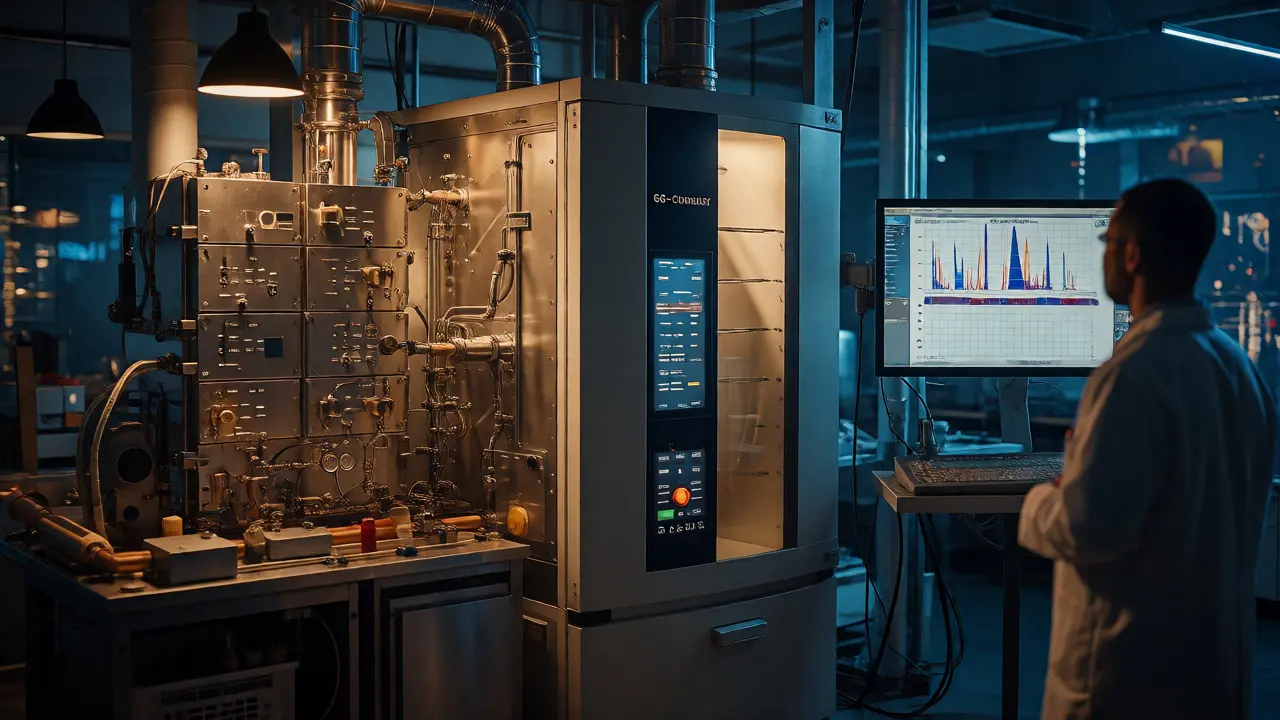
Because screening tests are prone to these errors, professional forensic standards require a second step before reporting a positive result. This is called confirmation testing. Unlike the broad-brush approach of immunoassays, confirmation methods identify the exact molecular weight and fragmentation pattern of the substance present. They don't guess; they measure.
The gold standard for this is Gas Chromatography-Mass Spectrometry (GC-MS). Imagine the immunoassay was a blurry photo of a license plate. GC-MS is the high-resolution zoom that lets you read every character clearly. It separates the mixture into individual components and then identifies each one by its unique "fingerprint." If the screen said "amphetamine," GC-MS will tell you if it’s actually amphetamine, methamphetamine, or just a weirdly shaped antihistamine.
Liquid Chromatography-Tandem Mass Spectrometry (LC-MS/MS) is another powerful tool, especially for newer synthetic cathinones (bath salts) that older GC-MS libraries might miss. Both methods offer near-zero false positive rates when performed correctly, providing the definitive evidence needed for legal or employment decisions.
Interpreting Results: Cut-offs and Metabolites
Even with confirmation, interpretation requires nuance. Forensic labs use specific cutoff levels defined by organizations like SAMHSA (Substance Abuse and Mental Health Services Administration). For example, the initial screening cutoff for amphetamines is typically 500 ng/mL, while the confirmatory cutoff is lower, at 250 ng/mL. Why the difference? To catch borderline cases during screening and verify them accurately later.
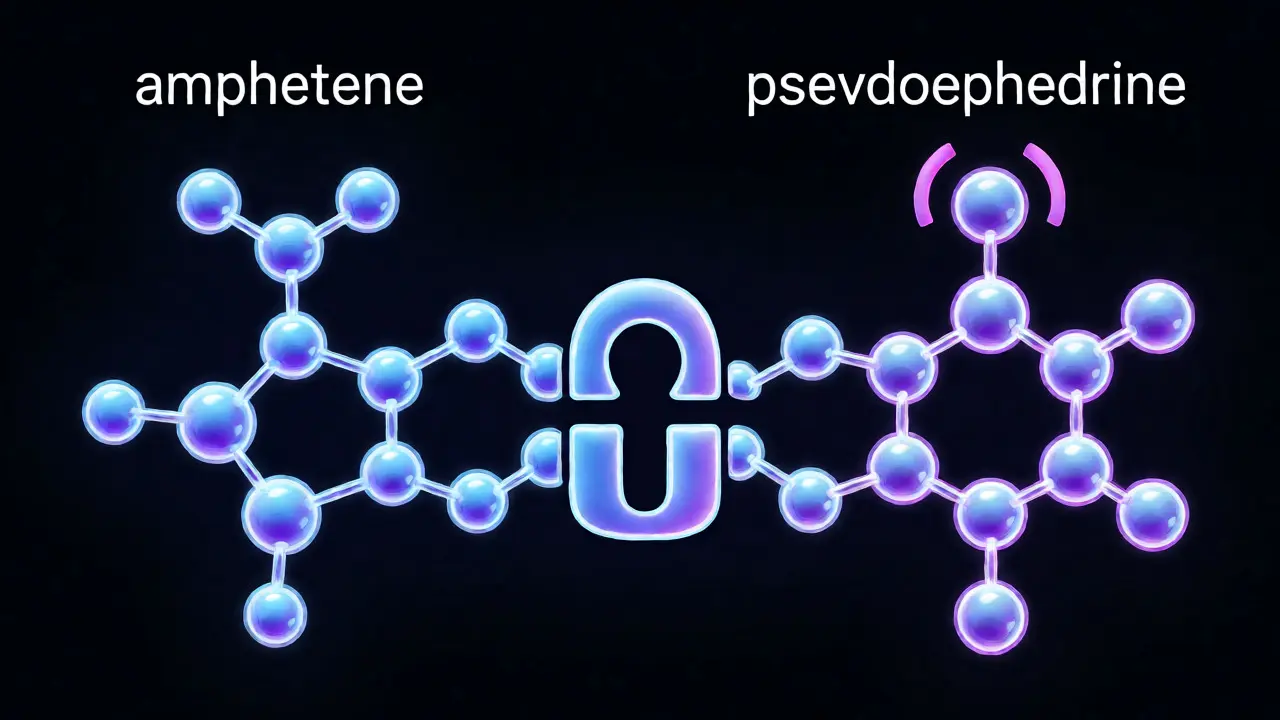
You also need to distinguish between parent drugs and metabolites. Methamphetamine metabolizes into amphetamine in the body. So, finding amphetamine in a sample doesn't always mean the person took amphetamine-they might have taken methamphetamine. Conversely, finding methamphetamine confirms meth use. However, some legitimate medications, like selegiline (used for Parkinson’s disease), metabolize directly into l-methamphetamine, which can trigger a positive for meth without the psychoactive d-isomer being present. Advanced labs can perform chiral analysis to distinguish between the "right-handed" and "left-handed" versions of these molecules, clearing up those tricky medical scenarios.
Best Practices for Avoiding Misinterpretation
If you are managing a drug testing program or handling a legal case, don't rely solely on the lab report. Context is king. Collect detailed medication histories from individuals before testing. Ask about cold remedies, antidepressants, and supplements. When a positive screen appears, immediately initiate the confirmation protocol-don't wait for the employee or defendant to ask for it.
- Review the chain of custody: Ensure samples weren't swapped or contaminated during transport.
- Check the lab's accreditation: Look for SAMHSA-certified or ISO 17025-accredited laboratories.
- Request chiral analysis: If the result is close to the cutoff or involves prescription meds, ask for isomer-specific testing.
- Document everything: Keep records of all medications taken in the 48 hours prior to collection.
Remember, a positive screen is not a final verdict. It’s an invitation to investigate further. By understanding the limitations of initial tests and insisting on rigorous confirmation, you protect against wrongful accusations and ensure that your toxicology results stand up to scrutiny.
Can ibuprofen cause a false positive for amphetamines?
While less common than pseudoephedrine, high doses of NSAIDs like ibuprofen have occasionally been reported to interfere with certain immunoassay platforms, though modern assays have largely minimized this risk. It is rare but possible depending on the specific test kit used.
How long does it take to get confirmation results?
Confirmation testing using GC-MS or LC-MS/MS typically takes 24 to 72 hours after the initial positive screen. This delay occurs because the sample must be prepared, run through the complex instrumentation, and reviewed by a certified toxicologist.
Does drinking lots of water dilute urine enough to hide amphetamines?
Yes, excessive hydration can dilute urine, lowering the concentration of drug metabolites below the detection cutoff. Labs check creatinine and specific gravity levels to identify diluted samples, which may be rejected or re-tested to prevent evasion.
What is the difference between amphetamine and methamphetamine in testing?
Methamphetamine breaks down into amphetamine in the body. Therefore, a person who uses meth will test positive for both substances. A person who only uses amphetamine will test positive for amphetamine but usually negative for methamphetamine. Chiral analysis helps distinguish the source if levels are ambiguous.
Are hair follicle tests better than urine tests for avoiding false positives?
Hair tests are generally more resistant to short-term dietary influences and acute medication spikes compared to urine. However, external contamination from sweat or smoke can still affect hair results. Like urine, any positive hair screen should ideally be confirmed with mass spectrometry.