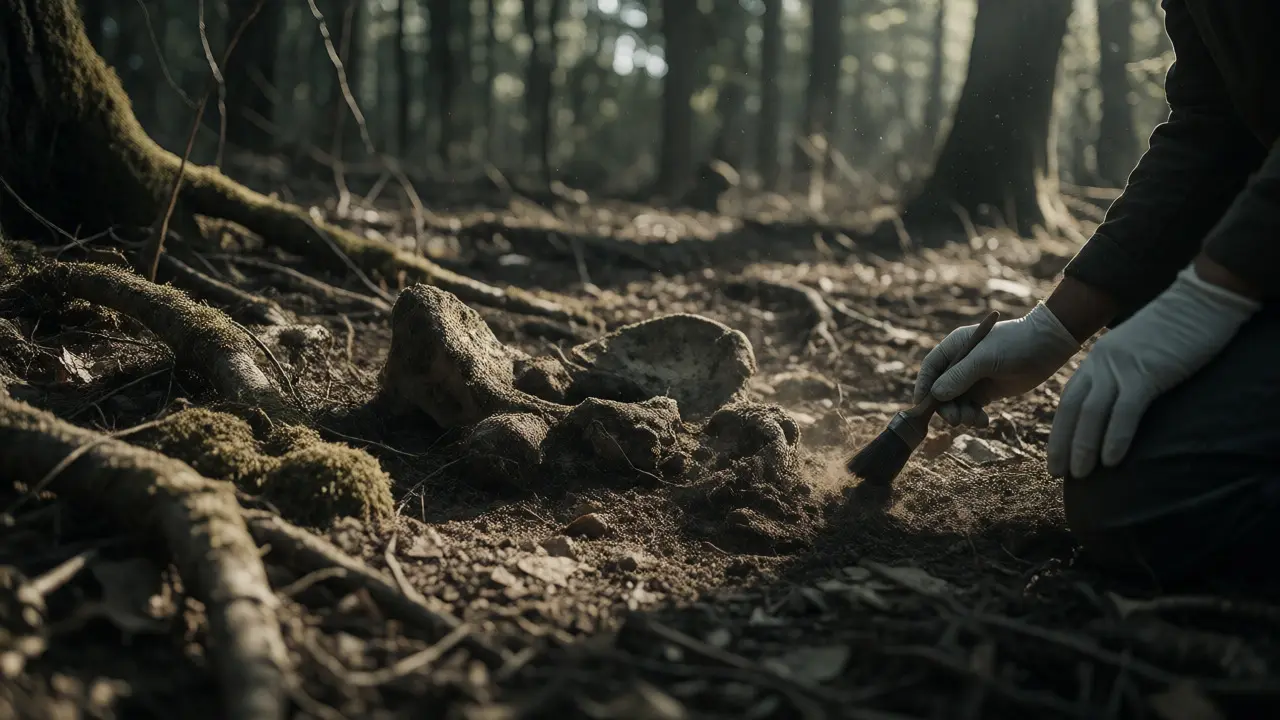
Imagine finding a set of bones in a wooded area. To the untrained eye, it’s just calcium and dirt. To a forensic anthropologist, it’s a story waiting to be read. The challenge isn’t just finding the remains; it’s figuring out who they belonged to. This is the core mission behind solving missing persons cases through forensic science. It’s not magic, and it’s rarely as fast as TV makes it look. It’s a rigorous process of elimination, biological matching, and data integration.
If you’ve ever wondered how investigators turn a pile of unidentified remains into a name for a grieving family, this guide breaks down the actual methods used today. We’ll look at what works, what fails, and why some cases stay cold for decades while others are solved in weeks.
The Quick Summary: Key Takeaways
- DNA is powerful but not instant: Nuclear DNA requires reference samples from living relatives or direct comparisons, which aren’t always available.
- Dental records are often faster: If dental history exists, identification can happen in days rather than months.
- Skeletal analysis provides a profile: Bones tell us sex, age, ancestry, and stature, narrowing the search pool significantly.
- Context matters: Clothing, personal items, and location clues are crucial for linking remains to specific missing person reports.
- Interdisciplinary teams solve cases: No single method works alone. Anthropologists, odontologists, and geneticists must collaborate.
Starting with the Basics: What Do We Know?
Before any high-tech lab work begins, the physical evidence itself tells a story. When remains are recovered, the first step is documenting everything exactly as found. This includes soil type, vegetation growth over the body, and any associated artifacts like jewelry, clothing fragments, or medical implants.
Why does this matter? Because these details help establish a timeline. If a skeleton is covered by ten years of tree roots, we know the death wasn’t recent. This immediately filters out recent missing persons reports. Conversely, if there’s modern synthetic fabric still intact, we’re looking at a more recent event. This initial triage saves time by focusing resources on relevant databases.
Forensic anthropologists then assess the biological profile. They don’t guess; they measure. By analyzing the pelvis and skull, experts determine sex with high accuracy. The pubic symphysis (a joint in the pelvis) changes predictably with age, allowing for an estimated age range. Stature is calculated using long bone lengths, adjusted for ancestry. This creates a rough sketch: "White male, approximately 30-40 years old, 5'10" tall." Now, instead of searching all missing persons, investigators filter for that specific demographic in the relevant geographic area.
The Power of Teeth: Forensic Odontology
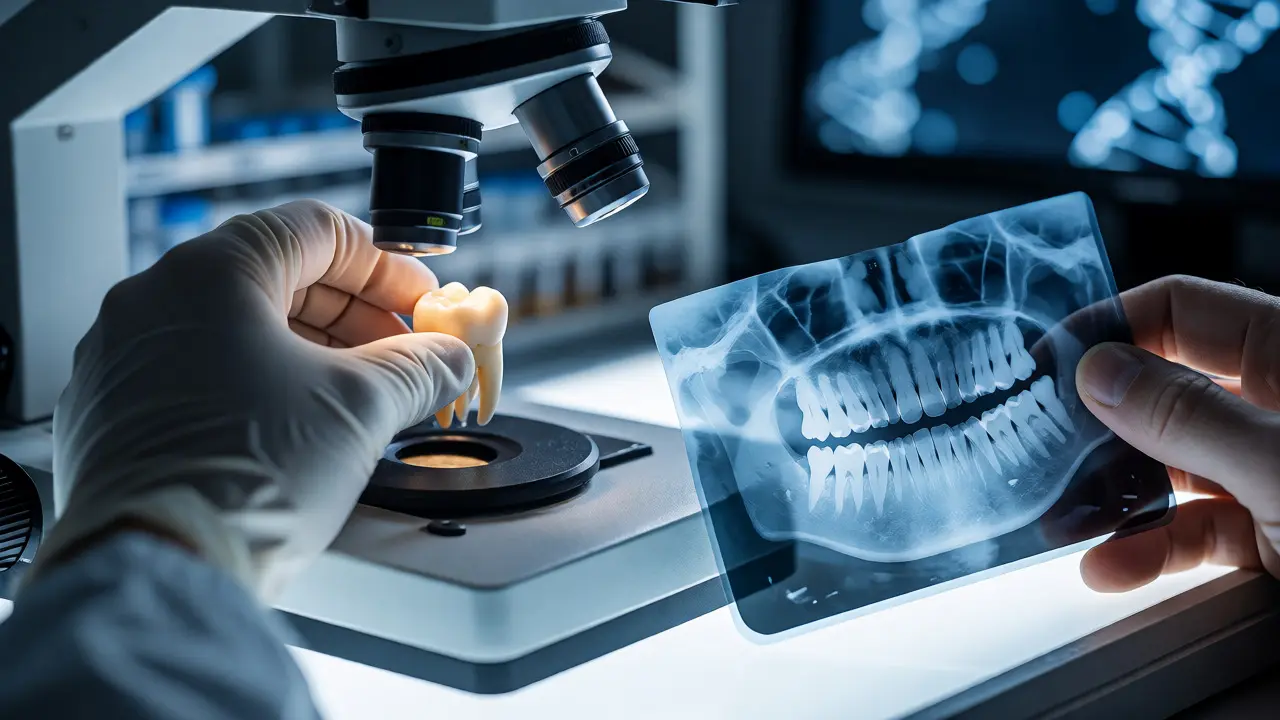
If you ask any forensic expert which method gives them the best bang for their buck, many will say dental records. Why? Because people visit dentists far more often than they donate blood or submit DNA samples. Dental charts are detailed, unique, and widely stored.
| Method | Speed | Accuracy | Data Required | Common Pitfall |
|---|---|---|---|---|
| Fingerprints | Fast (Hours) | High | Intact skin/AFIS database match | Decomposition destroys prints |
| Dental Records | Medium (Days) | Very High | Dental X-rays/charts | Poor record keeping |
| Nuclear DNA | Slow (Weeks/Months) | Definitive | Reference sample from relative | Sample degradation/cost |
| Mitochondrial DNA | Slow (Months) | High Probability | Maternal lineage sample | Not unique to one individual |
| Radiology | Medium (Days) | High | Medical X-rays (sinuses, fractures) | Lack of prior medical imaging |
A forensic odontologist compares post-mortem dental findings-such as fillings, crowns, bridges, and root canal treatments-with ante-mortem (before death) dental records. A single distinctive feature, like a rare tooth anomaly or a specific type of crown, can confirm identity. However, this method relies heavily on the existence of those records. In underserved communities or regions with poor dental infrastructure, finding matching charts can be frustratingly difficult.
DNA Profiling: The Gold Standard with Caveats
DNA profiling is the analysis of specific regions of human DNA to identify individuals. It’s the most definitive tool we have, but it comes with significant logistical hurdles.
There are two main types of DNA testing used here: nuclear DNA and mitochondrial DNA (mtDNA).
Nuclear DNA is unique to each individual (except identical twins). To use it, you need a reference sample. Ideally, this is a toothbrush or hairbrush from the missing person. More commonly, investigators collect samples from parents, children, or siblings. If the missing person has no living close relatives, nuclear DNA becomes nearly useless for identification unless the profile matches someone already in a criminal database like CODIS (Combined DNA Index System).
Mitochondrial DNA, on the other hand, is passed down strictly from mother to child. It doesn’t change much over generations. This means mtDNA cannot distinguish between a mother, her son, and her grandson-they all share the same sequence. So, mtDNA doesn’t give you a name; it gives you a maternal line. You find a match, then you investigate everyone in that maternal family tree. It’s slower and less precise, but it works when nuclear DNA fails due to degradation or lack of references.
One major pitfall is contamination. Old bones absorb contaminants from the soil and handling. Modern protocols require strict chain-of-custody and clean-room extraction techniques to ensure the DNA analyzed actually belongs to the deceased and not the archaeologist who dug them up.
Beyond Bones: Radiology and Medical Implants
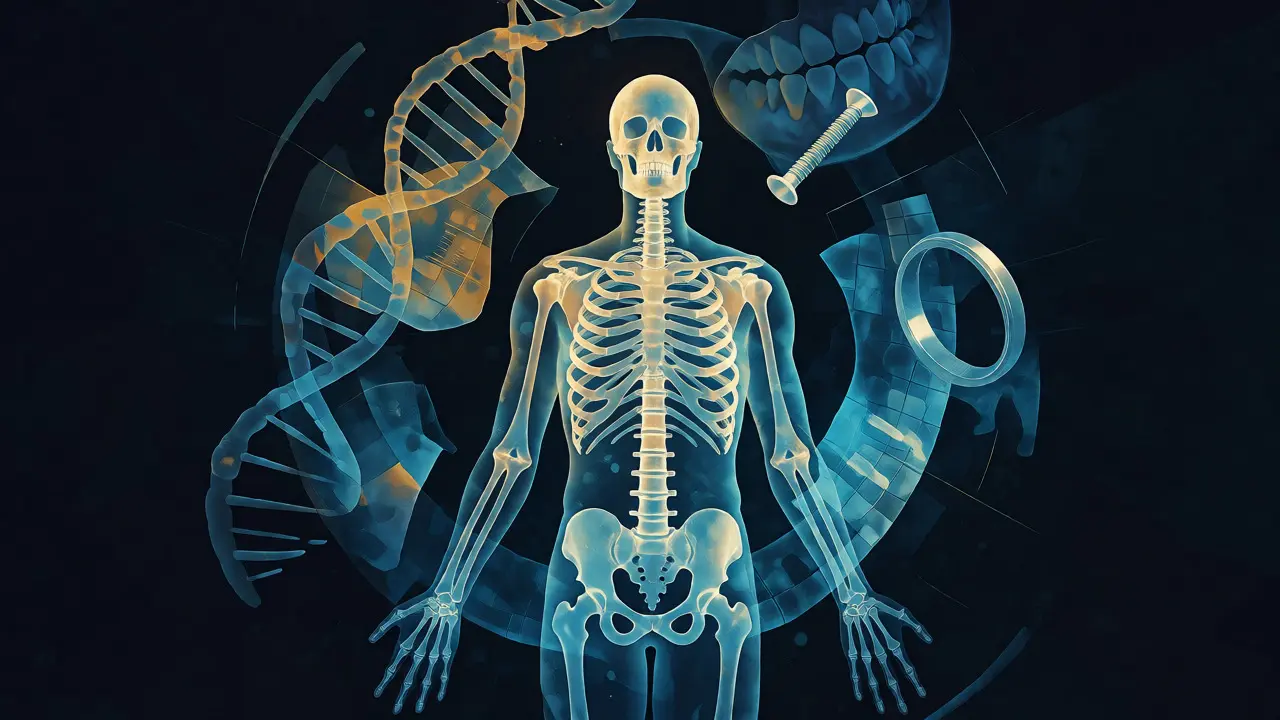
Not everyone has perfect teeth, and not everyone has living relatives. That’s where radiology shines. If a missing person had broken bones, sinus surgeries, or orthopedic implants, those features leave permanent marks on the skeleton.
Forensic radiologists compare post-mortem X-rays with medical records. Sinus patterns are highly individualistic, similar to fingerprints. If the missing person had a CT scan of their sinuses before dying, comparing it to the skull’s sinus structure can yield a positive ID. Similarly, metal plates, screws, or artificial hips often have serial numbers etched into them. Even if the number is corroded, the shape and placement can match surgical notes.
This method is underutilized because it requires access to medical archives. Many hospitals destroy records after seven to ten years. If the case involves older remains, this avenue might be closed. But for recent cases, checking hospital databases is a smart, low-cost move that often solves puzzles DNA can’t.
The Human Element: Context and Circumstantial Evidence
Science doesn’t operate in a vacuum. The circumstances surrounding the discovery of remains are critical. Investigators build a "contextual profile." Where was the body found? Was it near a highway, suggesting travel? Near a river, suggesting drowning or dumping? In a remote hiking trail, suggesting recreational activity?
Personal effects bridge the gap between biology and identity. A wedding ring with an inscription, a tattoo, or a unique piece of jewelry can provide immediate leads. Tattoos, in particular, are excellent identifiers if photos exist in police records or social media. Digital forensics now plays a role here too. Investigators might scrape social media for photos showing specific tattoos or scars mentioned in the biological profile.
Consider a real-world scenario: A skeleton is found in a desert. Biological profile says "Female, 25-35." No dental records. DNA shows no matches in CODIS. But investigators find a fragment of a specific brand of running shoe and a credit card chip. They cross-reference missing hikers in that region who owned that shoe brand. One report mentions a woman who lost her credit card during a hike three years ago. Bingo. The contextual clues narrowed the field enough for targeted DNA collection from her parents.
Challenges in Unidentified Remains Cases
Despite advanced tech, thousands of remains remain unidentified in the US alone. Why?
- Database Gaps: Not every missing person has a DNA sample in national databases. Families may not have provided one, or the system may be fragmented across states.
- Resource Constraints: Full genomic sequencing is expensive. Labs prioritize violent crimes with suspects over cold cases without leads.
- Preservation Issues: Tropical climates degrade DNA rapidly. Acidic soils dissolve bones. Sometimes, there’s simply nothing left to test.
- Transient Populations: Homeless individuals or undocumented immigrants may never appear in official missing persons reports, making comparison impossible.
New technologies like Next-Generation Sequencing (NGS) and forensic genealogy (used famously in the Golden State Killer case) are changing the game. These tools allow scientists to extract tiny amounts of degraded DNA and match it to distant cousins in public genealogy databases. This expands the net beyond immediate family, offering hope for cases previously considered unsolvable.
Next Steps for Investigators and Families
If you are dealing with a missing person case involving potential remains, here is what you should advocate for:
- Request a full biological profile: Don’t settle for "unknown." Ask for estimates on age, sex, ancestry, and stature.
- Provide dental records early: If the person saw a dentist, get those X-rays. They are often the fastest key to identification.
- Submit DNA references: Parents and children provide the best nuclear DNA matches. Siblings are second best.
- Check for medical history: Did the person have broken bones, surgeries, or implants? Gather those medical records.
- Look at digital footprints: Search social media for photos of tattoos, scars, or specific jewelry worn around the time of disappearance.
Identification is a marathon, not a sprint. It requires patience, persistence, and a multi-disciplinary approach. While no method is foolproof, combining biological data with contextual clues maximizes the chance of bringing closure to families.
How long does forensic identification take?
It varies wildly. Fingerprints or dental matches can resolve a case in 24-72 hours. DNA profiling typically takes 4-8 weeks, depending on lab backlog and sample quality. Complex cases involving degraded bones or lack of reference samples can take months or even years.
Can DNA identify a person without a reference sample?
Generally, no. Nuclear DNA needs a known reference to compare against. However, if the DNA profile matches someone already in a criminal database (like CODIS), it can identify the person indirectly. Forensic genealogy allows matching to distant relatives in public databases, which can lead to an identification without a direct reference sample.
What happens if there are no dental records?
Investigators shift focus to other methods. They analyze skeletal features for trauma or pathology, check for medical implants, and rely heavily on DNA. Radiological comparisons of sinuses or healed fractures can also serve as alternatives if medical imaging exists.
Are unidentified remains common?
Yes. In the United States, there are currently over 10,000 active missing person cases involving suspected foul play or unknown whereabouts, and thousands of unidentified human remains held in morgues and storage facilities nationwide. Projects like Doe Network and NamUs aim to centralize this data to improve match rates.
How does weather affect identification?
Extreme heat accelerates decomposition, destroying soft tissue needed for fingerprints and facial reconstruction. Cold slows decay but can preserve DNA better. Humidity and acidic soil break down bones and DNA strands over time. Tropical environments pose the biggest challenge for long-term DNA survival.