Tag: forensic identification
Partial Fingerprints: Can They Identify Suspects?
- By : Ian Brophy
- Date : Nov 23 2026
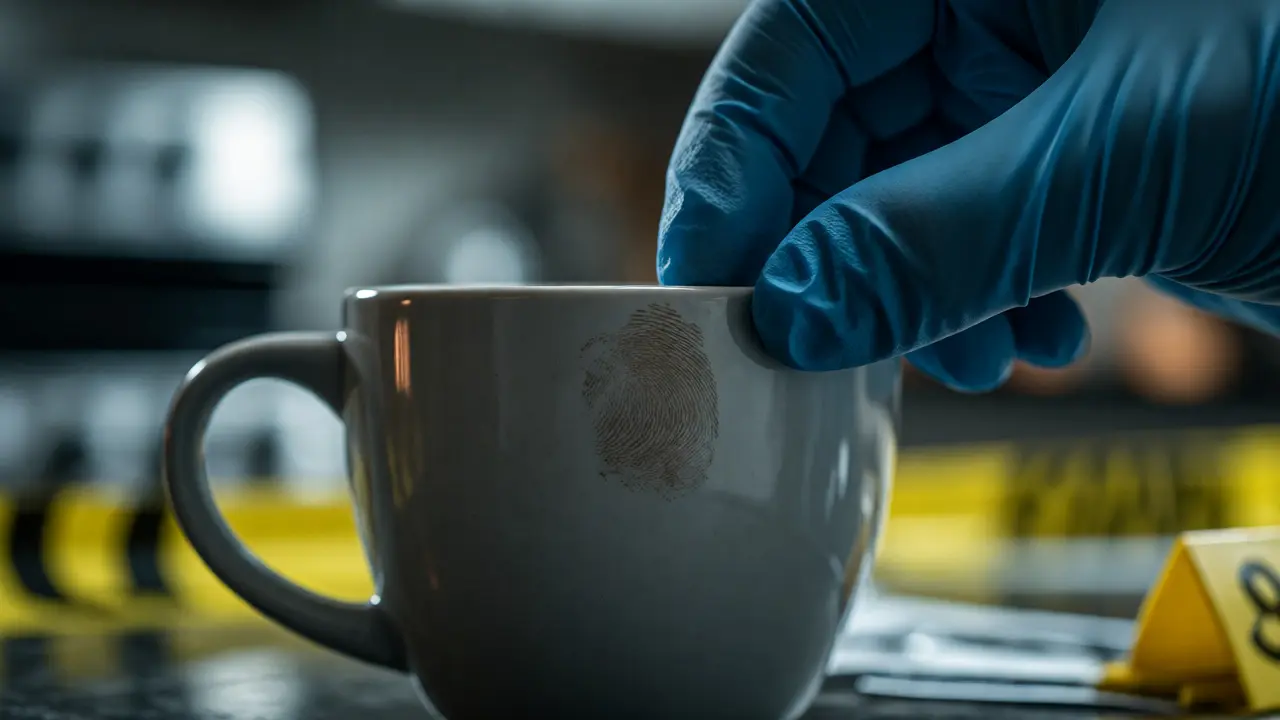
Discover how partial fingerprints serve as crucial evidence in criminal investigations. Learn about minutiae, AFIS technology, and the ACE-V method.
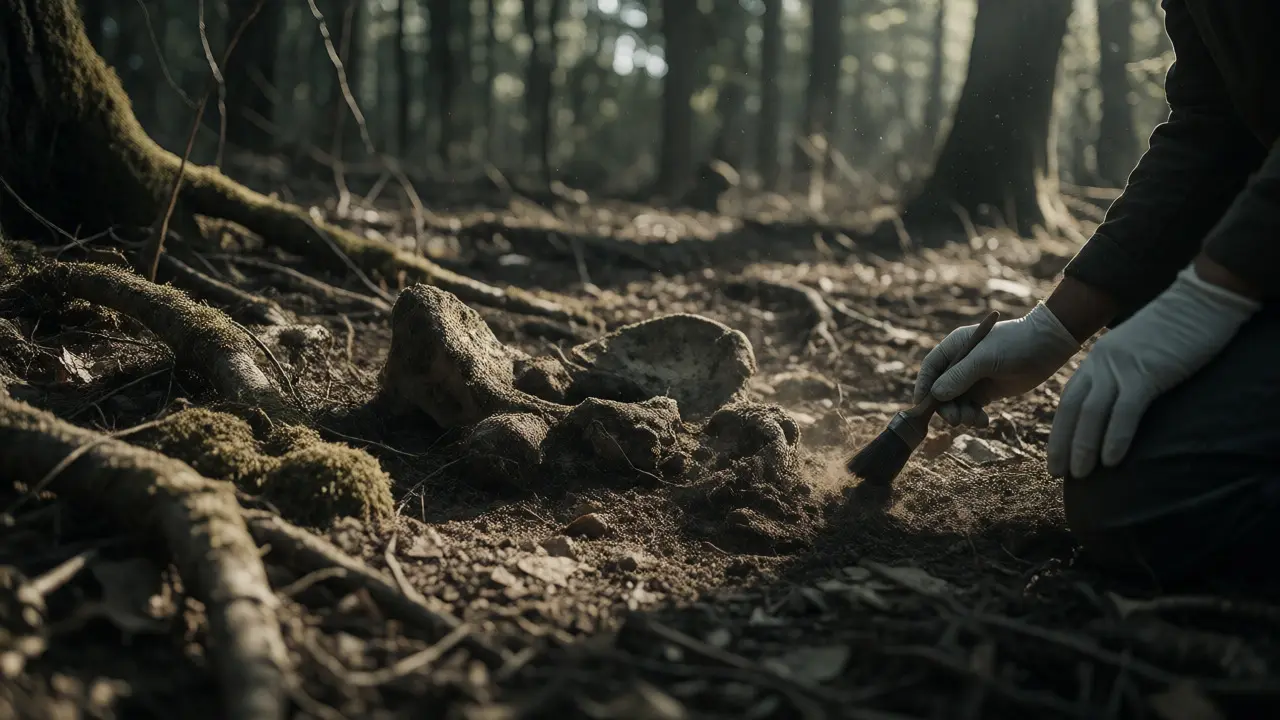
Unidentified Remains: How Forensic Methods Solve Missing Persons Cases
- By : Ian Brophy
- Date : Nov 8 2026
Discover how forensic science identifies remains in missing persons cases. From dental records to DNA profiling, learn the methods, timelines, and challenges involved.
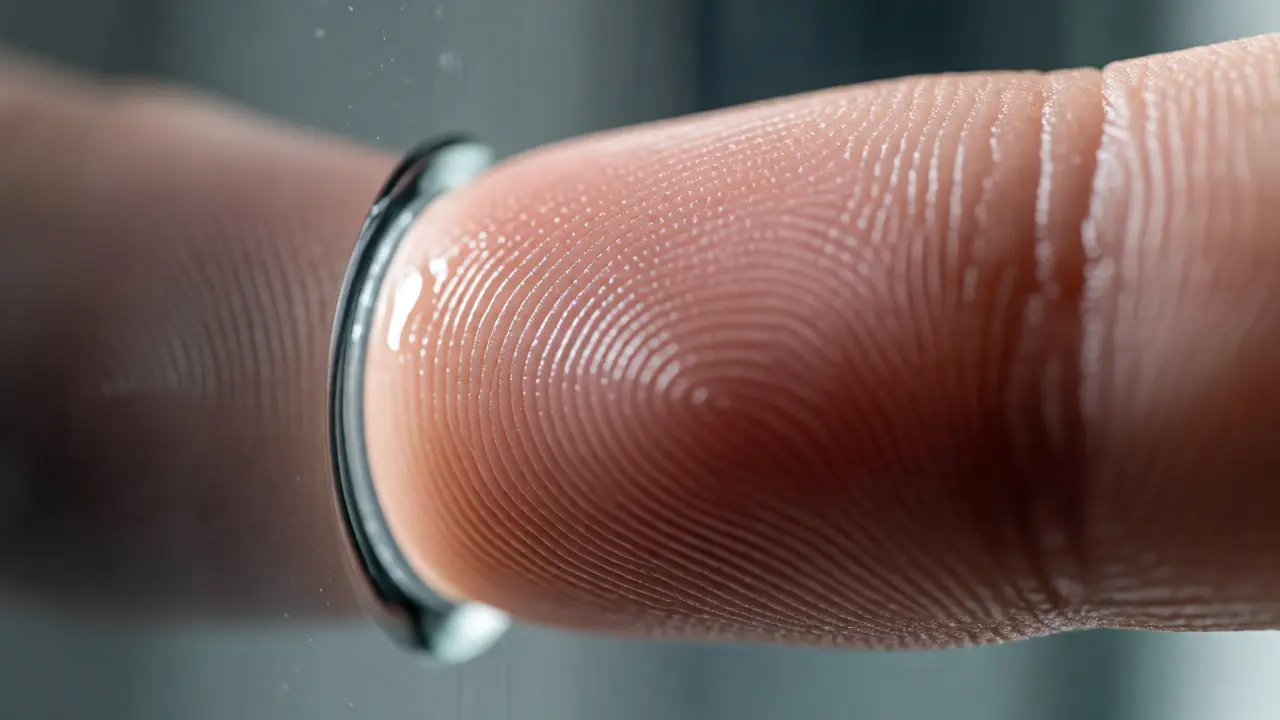
Distortion in Fingerprints: Recognition and Interpretation
- By : Ian Brophy
- Date : Nov 2 2026
Learn how friction ridge skin deformation affects latent print analysis. Discover techniques to recognize pressure, substrate, and biological distortion sources.
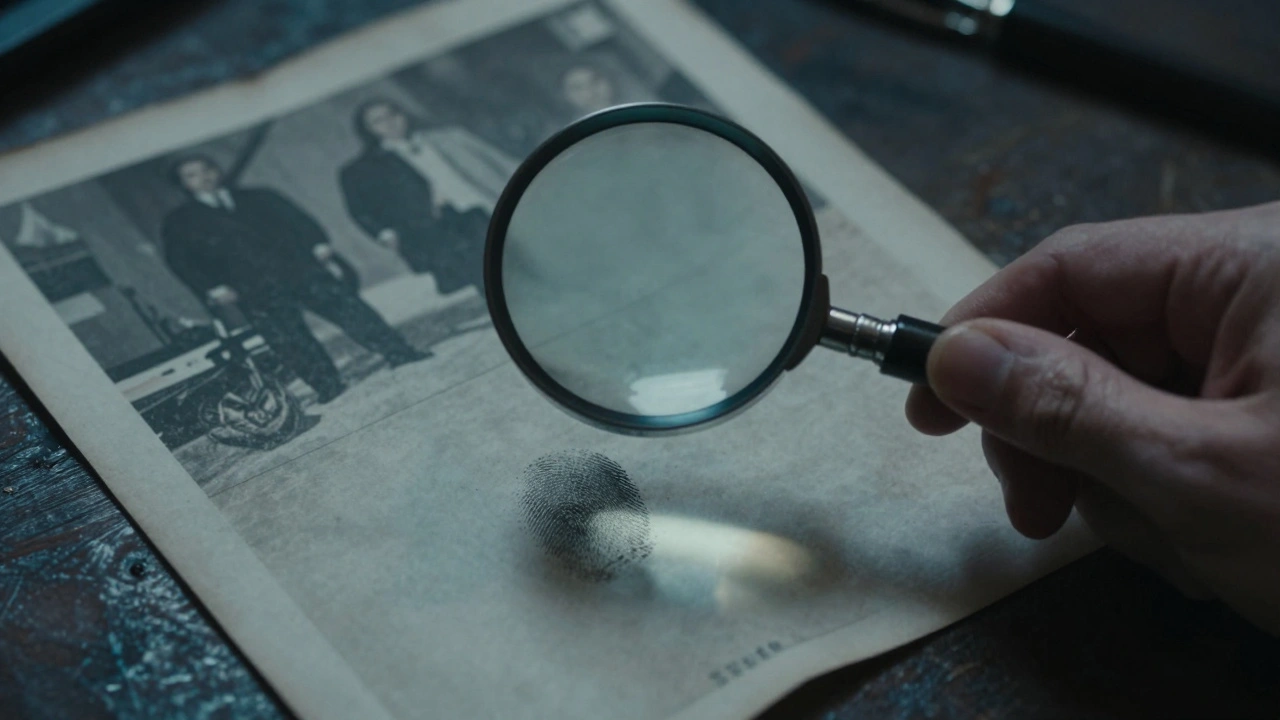
Fingerprint Aging: Do Your Prints Change as You Get Older?
- By : Ian Brophy
- Date : Apr 29 2026
Do fingerprints change as you age? Discover why ridge patterns stay stable while skin texture evolves, and how this affects biometric scanners and forensic science.
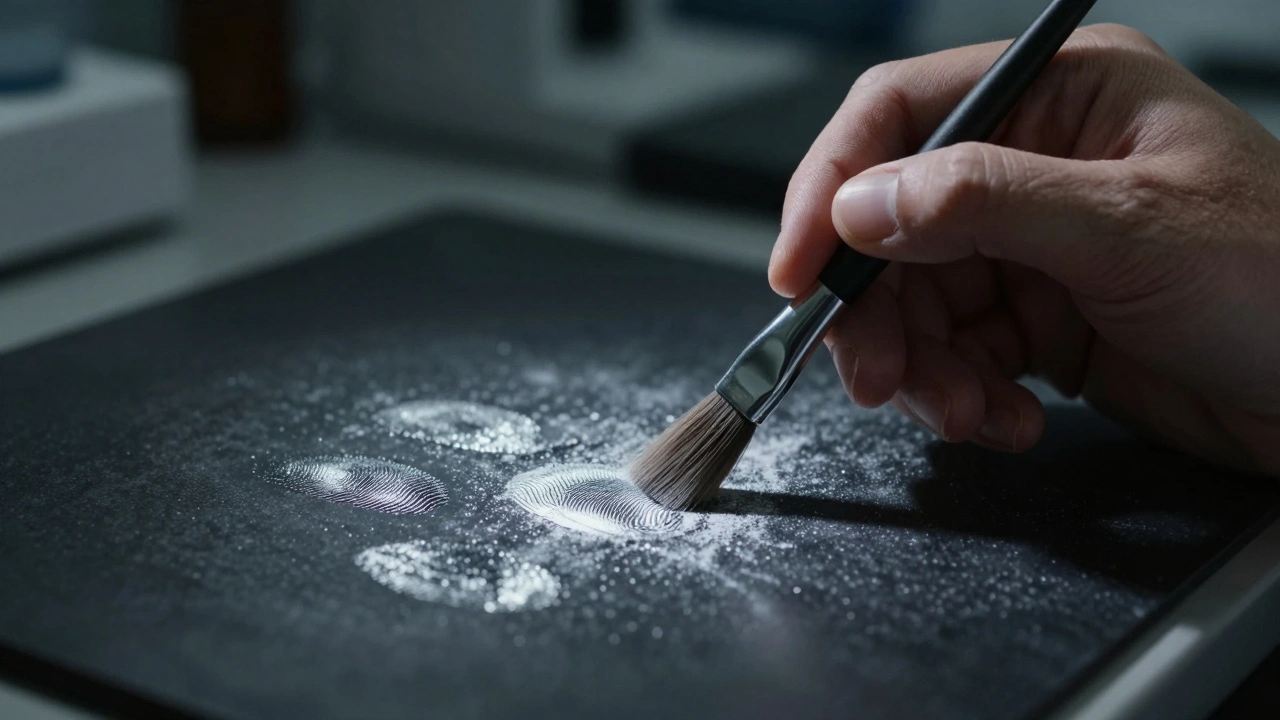
Fingerprint Comparison for Identifying Unknown Bodies: Modern Methods and AI
- By : Ian Brophy
- Date : Apr 9 2026
Explore how fingerprint comparison and AI are used to identify unknown bodies, from minutiae analysis to modern laser detection and AI-driven matching.
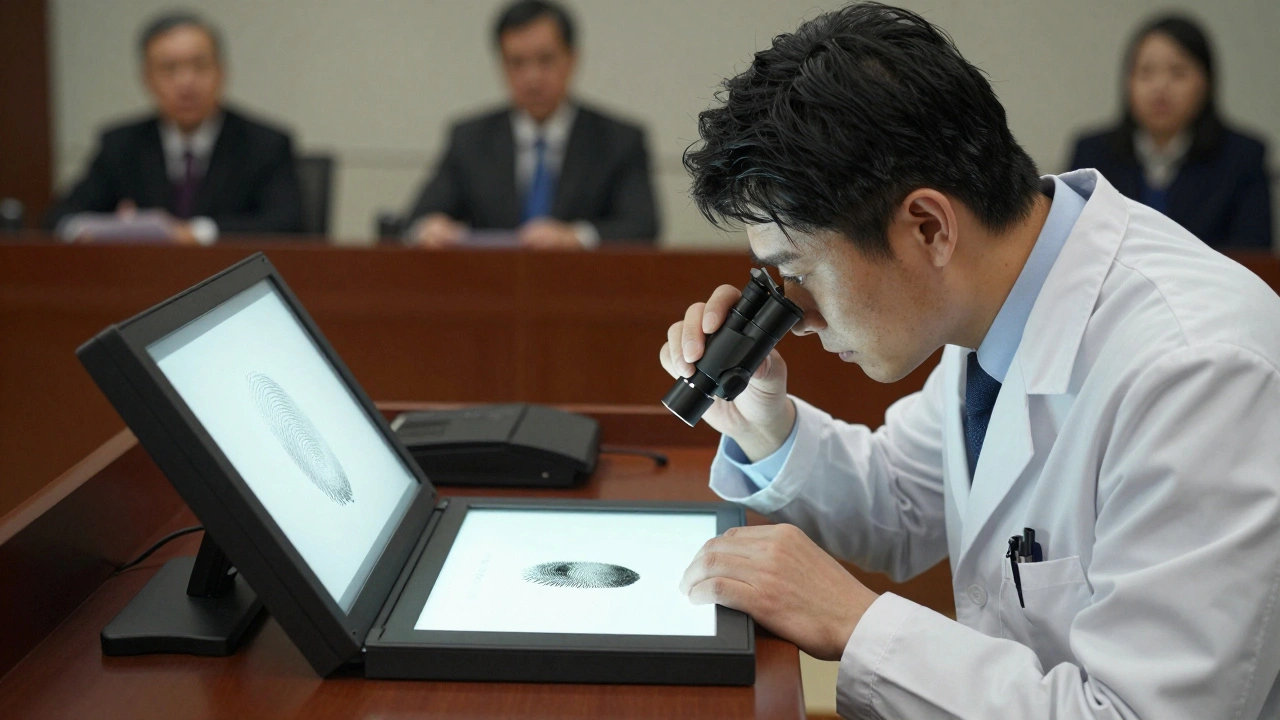
Fingerprint Comparisons in Court: What Experts Can and Can't Say
- By : Ian Brophy
- Date : Feb 11 2026
Fingerprint evidence in court is no longer treated as infallible. Experts must now avoid claims of absolute certainty, and courts are demanding transparency about methodology and error rates. This is how the science of fingerprinting is adapting to modern legal standards.
Popular Posts
-

Victim Selection: How Offenders Choose Targets
Nov 14 2026