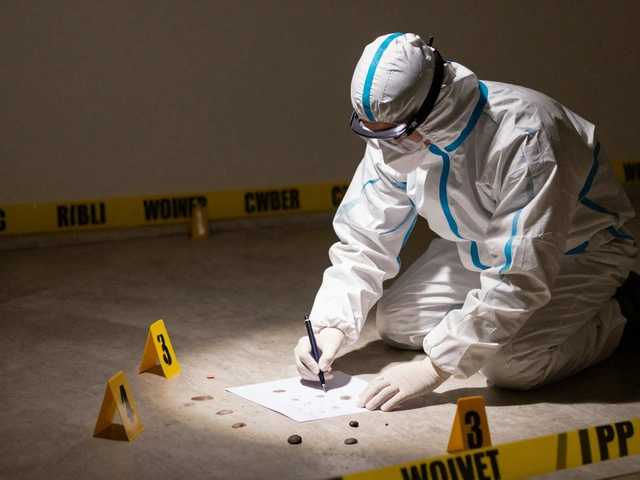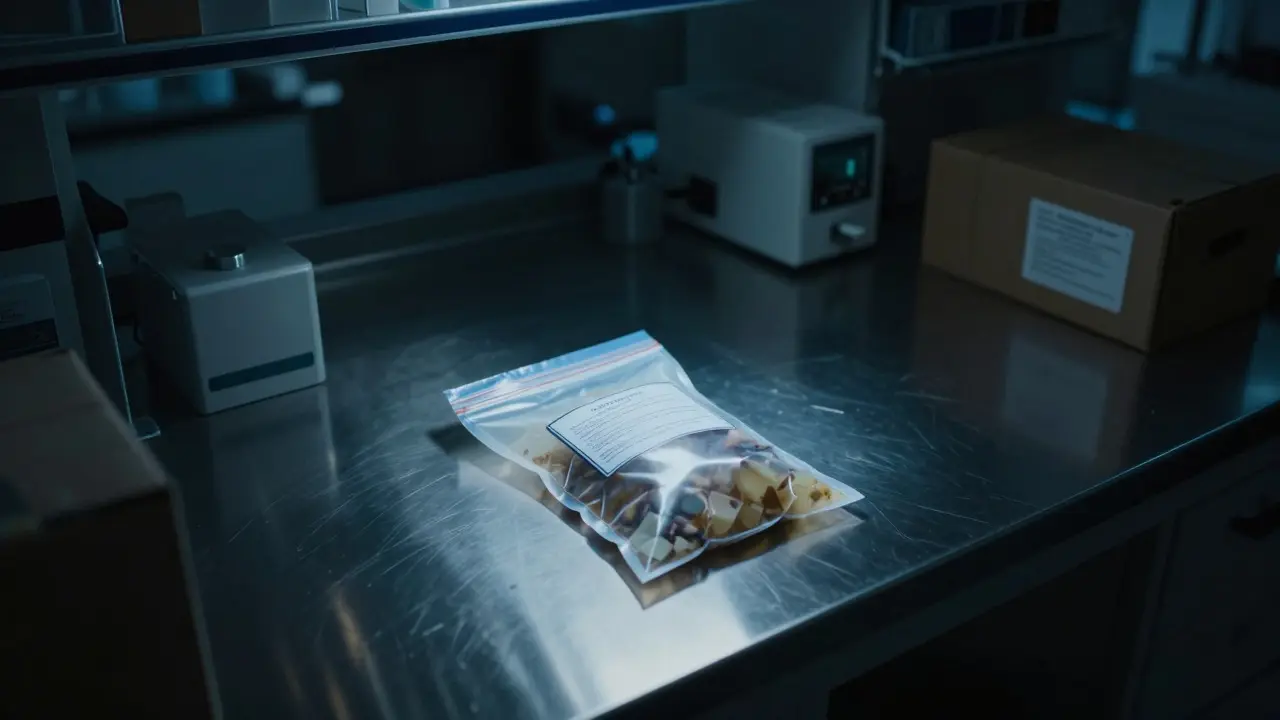
Imagine a cold case from 1995. No suspect, no witness, just a biological sample left at the scene. For decades, that evidence sat in a box. Then, the CODIS is the Combined DNA Index System, a national network of DNA databases that allows law enforcement agencies to share and compare DNA profiles electronically. Launched in 1998 by the FBI, it revolutionized how investigators link crimes to suspects. Today, that same profile might be matched against millions of records, turning a dead end into a conviction. This system isn't just a storage unit; it's an active investigative tool that connects disparate crimes and identifies offenders who otherwise would have escaped justice.
The Core Structure of CODIS
To understand how CODIS works, you need to look at its three-tier architecture. It’s not one single giant computer; it’s a hierarchy designed for data sharing and privacy control. The top tier is the National DNA Index System (NDIS), managed by the FBI. Below that are State DNA Index Systems (SDIS) for each state, territory, and tribal nation. At the bottom are Local DNA Index Systems (LDIS), which individual police departments or labs might run.
Data flows upward. A local lab analyzes a crime scene sample and uploads the profile to their LDIS. If there’s no match locally, it goes up to the SDIS. If still no match, it reaches the NDIS. This ensures that a crime in New York can potentially be linked to a record in California, provided both states participate in the exchange. As of recent years, over 20 million DNA profiles are stored in the NDIS alone, making it one of the largest biological databases in the world.
How DNA Profiles Are Created
Not all DNA is used for CODIS. You don’t sequence your entire genome-that would take too long and cost too much. Instead, forensic scientists use a technique called Short Tandem Repeat (STR) analysis. STRs are specific regions of non-coding DNA where short sequences repeat. These regions vary significantly between individuals, making them perfect for identification.
The standard CODIS core consists of 20 STR loci (plus the amelogenin locus for sex determination). When a sample is processed, the lab generates a numerical profile-a string of numbers representing the allele sizes at each locus. This profile is unique enough to distinguish between siblings, parents, and children, though relatives may share some alleles. The accuracy is high: the probability of two unrelated people having the same full CODIS profile is often calculated as less than one in a billion, depending on the population statistics used.
Types of Matches in Criminal Investigations
When a query is run through CODIS, three types of results can occur. Understanding these distinctions is crucial for interpreting what a "match" actually means.
- Direct Hit: The crime scene profile matches a known offender’s profile exactly. This usually happens when the suspect has been previously arrested and had their DNA collected. It’s the most straightforward scenario.
- Investigative Match: The crime scene profile matches another crime scene profile in the database. This doesn’t identify a person directly but links two cases together. Investigators then look for common suspects or patterns across those cases.
- Candidate Match: The software flags a potential match based on statistical probability. Because human error or partial degradation of DNA samples can occur, analysts must manually review these candidates. A candidate match requires further verification before being considered a confirmed hit.

Contributions to the Database
Who ends up in CODIS? There are four main categories of contributors, each with different legal implications:
- Convicted Offenders: In most jurisdictions, individuals convicted of felonies (and sometimes misdemeanors) are required to provide a DNA sample upon release or sentencing. This is the largest source of profiles.
- Arrestees: Some states collect DNA from anyone arrested for certain serious crimes, even if they are later acquitted. This practice is controversial but expands the database significantly.
- Crime Scene Samples: Unsolved case evidence is uploaded to allow for future matches as new offender profiles are added.
- Unknowns and Relatives: Sometimes, a crime scene sample doesn’t match anyone directly. However, it might partially match a relative of the perpetrator. This is known as kinship searching or familial searching, a more complex analytical process that looks for shared alleles rather than exact matches.
Accuracy, Errors, and Contamination Risks
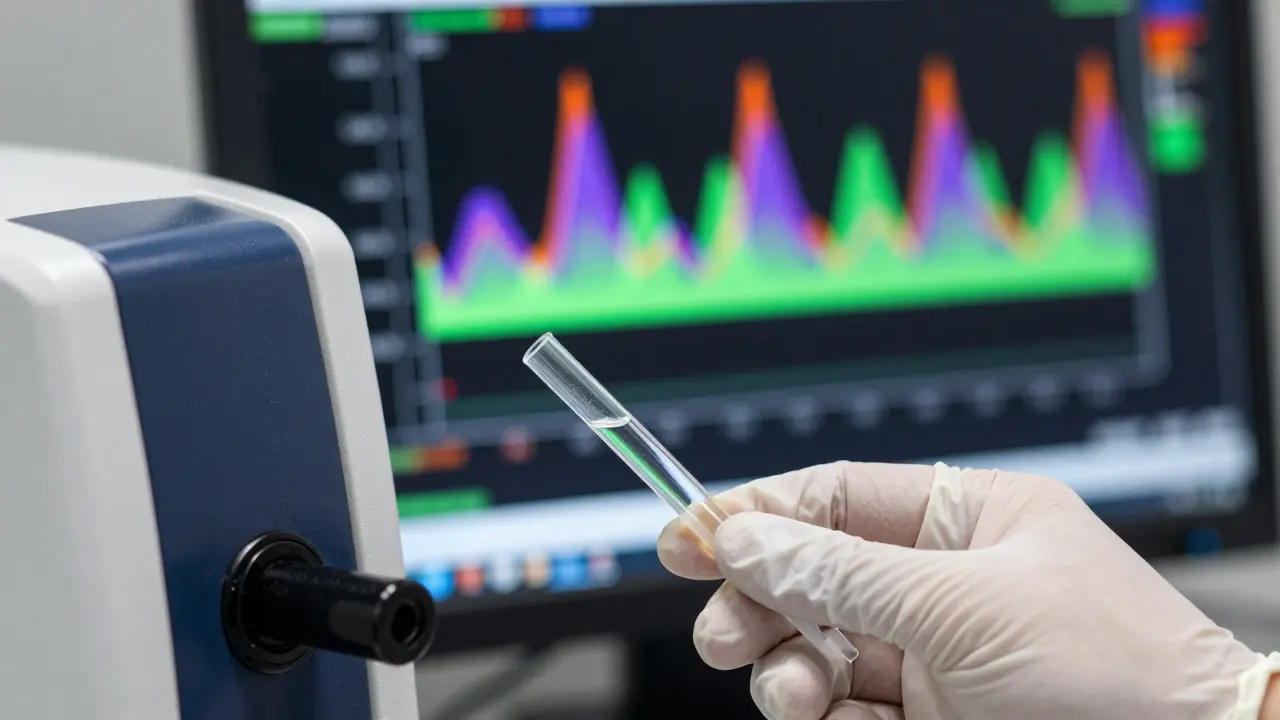
No system is perfect. One of the biggest risks in DNA forensics is contamination. If a technician touches a sample without gloves, or if equipment isn’t properly cleaned between runs, foreign DNA can get mixed in. This can lead to false positives or chimeric profiles that confuse the software.
Laboratories mitigate this risk through strict chain-of-custody protocols, negative controls, and regular accreditation audits under standards like ISO 17025. Additionally, the interpretation of low-template DNA (where very little biological material is present) remains a subject of debate. While CODIS handles clean, high-quality samples well, degraded or mixed samples require advanced statistical modeling to avoid misinterpretation. Despite these challenges, the error rate in validated CODIS matches is extremely low, often cited as less than 0.1% when proper laboratory procedures are followed.
Ethical Considerations and Privacy
As the database grows, so do the questions about privacy. Critics argue that storing DNA profiles of arrestees who haven’t been convicted creates a permanent genetic record that could be used against them later. Others worry about the potential for misuse, such as racial profiling through genetic ancestry estimates derived from CODIS data, although CODIS itself only stores STR codes, not full ancestry data.
Proponents counter that the benefits outweigh the risks, pointing to thousands of exonerations and convictions that wouldn’t have happened otherwise. The Fourth Amendment debates in the U.S. Supreme Court, particularly in cases like Maryland v. King, have largely upheld the constitutionality of collecting DNA from arrestees for serious offenses. Balancing public safety with individual rights remains an ongoing conversation in legal and scientific communities.
| Profile Type | Source | Primary Use | Match Probability |
|---|---|---|---|
| Known Offender | Convicted/Arrested Individual | Direct Identification | High (Exact Match) |
| Crime Scene | Unsolved Case Evidence | Linking Cases / Future Hits | Variable (Depends on Quality) |
| Relative/Kinship | Partial Match to Known Profile | Narrowing Suspect Pool | Moderate (Statistical) |
The Future of DNA Databases
Technology is evolving. Next-generation sequencing (NGS) is beginning to replace traditional STR analysis in some labs. NGS can analyze more markers, including Single Nucleotide Polymorphisms (SNPs), which offer higher resolution for highly degraded samples. Furthermore, predictive phenotyping-the ability to estimate physical traits like eye color, hair color, or ancestry from DNA-is entering the mainstream. While not yet part of the standard CODIS core, these tools are becoming powerful aids for generating leads when no direct match exists.
As databases grow larger, computational power becomes a bottleneck. Cloud-based solutions and improved algorithms are helping manage the increasing volume of data. The goal remains the same: to ensure that every drop of blood, every hair follicle, and every skin cell left behind tells a story that justice can hear.
What is the success rate of CODIS matches?
The success rate varies by region and type of crime, but nationally, CODIS has contributed to tens of thousands of hits since its inception. Studies suggest that a significant portion of violent crime cases with quality DNA evidence result in a hit within five years, thanks to the continuous addition of new offender profiles.
Can CODIS identify a suspect if they have never been arrested?
Yes, indirectly. If the suspect’s DNA is in the database because they were involved in a previous minor offense, or if their relative is in the database, a match can occur. Familial searching allows investigators to find close relatives of a suspect, narrowing down the search pool dramatically.
How long does it take to get a CODIS match?
The time depends on when the profile is entered. If a known offender is already in the system, the match can happen almost instantly during the upload process. For unsolved cases, it could take months or years until a new offender profile is added that matches the crime scene evidence.
Is CODIS data private?
Access is restricted to authorized law enforcement and forensic laboratory personnel. Data is encrypted during transmission and stored in secure facilities. However, because it contains genetic information, privacy advocates continue to monitor how the data is used and retained.
What happens if a person is exonerated?
If a conviction is overturned due to DNA evidence proving innocence, the individual’s profile may be removed from the CODIS database, depending on state laws. The raw biological sample is often destroyed, but the digital profile removal ensures it won’t generate false hits in the future.