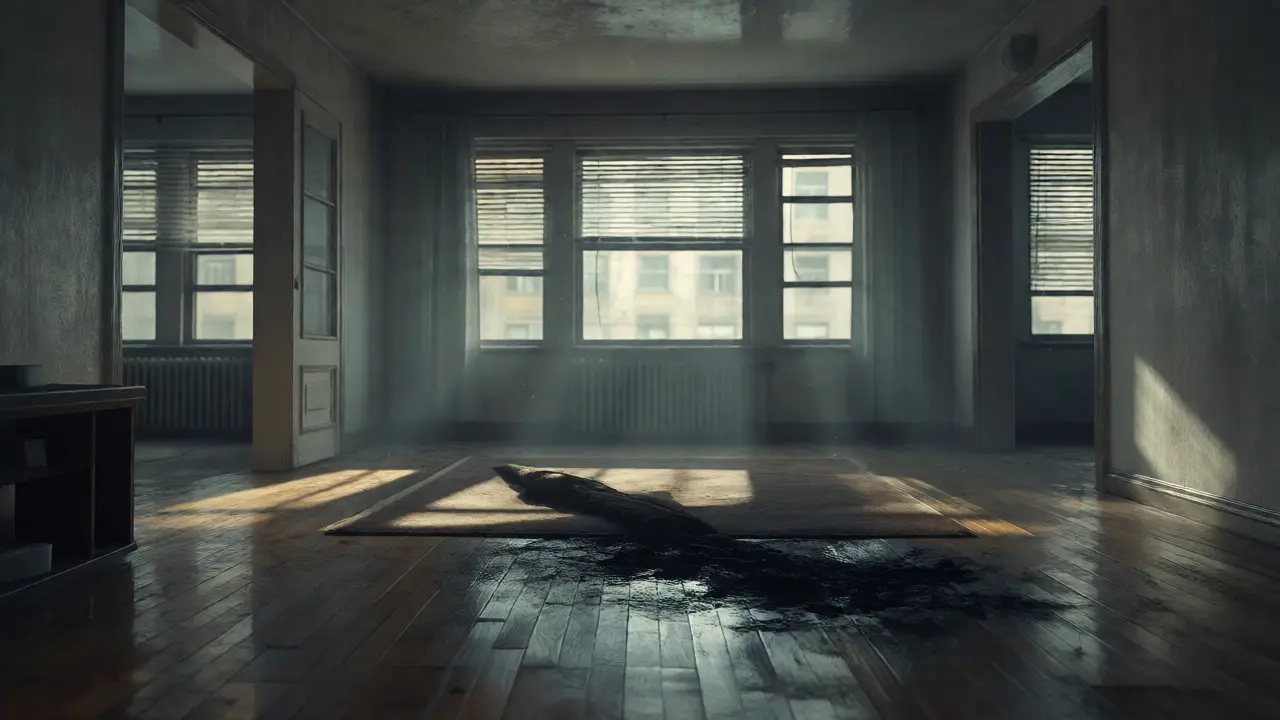
Imagine coming home after a long trip to find that your elderly neighbor hasn't been seen in weeks. The smell hits you before you even open the door-a thick, sweet rot that seems to hang in the air like fog. This isn't just a bad odor; it's a biological hazard. Decomposition remediation is the specialized process of removing biological fluids, tissues, and odors resulting from human or animal decomposition. Unlike standard house cleaning, this work requires specific protocols to ensure safety and habitability.
When a death goes undiscovered, whether due to isolation, addiction, or natural causes, the body begins to break down. Bacteria multiply, gases build up, and eventually, fluids leak out. If left unchecked, these fluids can soak into subflooring, drywall, and insulation. You might think airing out the room solves it, but porous materials trap pathogens and odor-causing compounds deep within their structure. That’s why professional intervention is often necessary. It’s not just about cleanliness; it’s about health risks and property preservation.
The Reality of Unattended Deaths
An unattended death refers to a situation where a person dies alone and remains undetected for a period ranging from days to months. In Portland, with its aging population and high rate of single-person households, these incidents are more common than many realize. When decomposition occurs indoors, the environment changes drastically. Temperature, humidity, and airflow all play roles in how quickly a body breaks down.
In a warm, sealed room, bacterial activity accelerates. Fluids rich in enzymes and bacteria escape the body through natural orifices and eventually permeate surfaces. These fluids contain blood, bile, fecal matter, and other organic compounds. They aren’t just dirty; they’re hazardous. Contact with these fluids can expose you to bloodborne pathogens like Hepatitis B, Hepatitis C, and HIV, as well as bacteria such as E. coli and Staphylococcus aureus. Even if the deceased didn’t have an infectious disease, the sheer volume of bacteria produced during decomposition poses a significant risk to anyone entering the space without proper protection.
You might wonder, "Can’t I just bleach it?" Bleach kills surface germs, but it doesn’t remove the source of the problem. Organic material protects bacteria from disinfectants. Until you physically remove the contaminated material-drywall, carpet padding, subfloor-you’re still living with a biohazard. Furthermore, bleach cannot neutralize the volatile organic compounds (VOCs) responsible for the lingering smell. Those molecules bind to fabrics and wood, requiring specialized treatment.
Identifying Contamination Zones
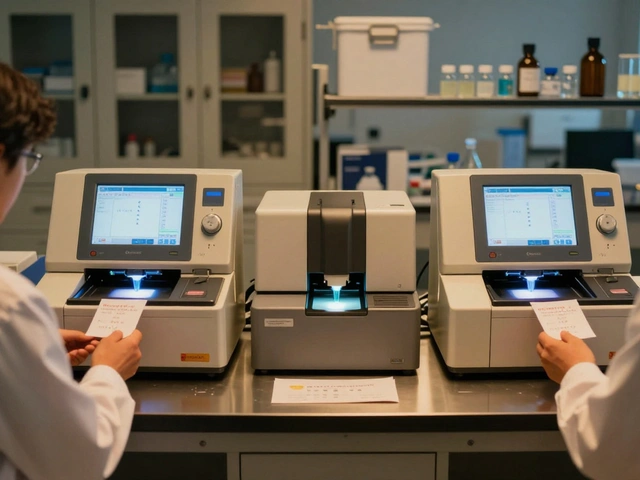
Before any cleaning starts, experts perform a thorough assessment. This isn’t guesswork. Technicians use tools like UV lights and moisture meters to detect hidden contamination. Body fluids don’t always stay where they fall. Gravity pulls them downward, so a stain on the carpet might mean the subfloor beneath is saturated. Walls can wick moisture upward, spreading contamination beyond what’s visible.
Contamination zones are typically categorized into three areas:
- Primary Zone: The immediate area where the body was found. This includes the floor, baseboards, and lower walls directly affected by fluid pooling.
- Secondary Zone: Areas adjacent to the primary zone, including nearby furniture, rugs, and walls where splatter or runoff may have occurred.
- Tertiary Zone: The rest of the room or apartment, which may have absorbed airborne particles or odors but shows no direct contact with fluids.
Understanding these zones helps determine the scope of work. A small spill on tile might only require surface decontamination. But if fluids have seeped into hardwood floors, those boards might need removal. Drywall is particularly tricky because it acts like a sponge. Once wet, it loses structural integrity and becomes a breeding ground for mold. Often, replacing the affected drywall is cheaper and safer than trying to clean it thoroughly.
The Remediation Process Step-by-Step
Professional biohazard cleanup follows strict guidelines set by organizations like OSHA and the EPA. Here’s what actually happens when a crew arrives:
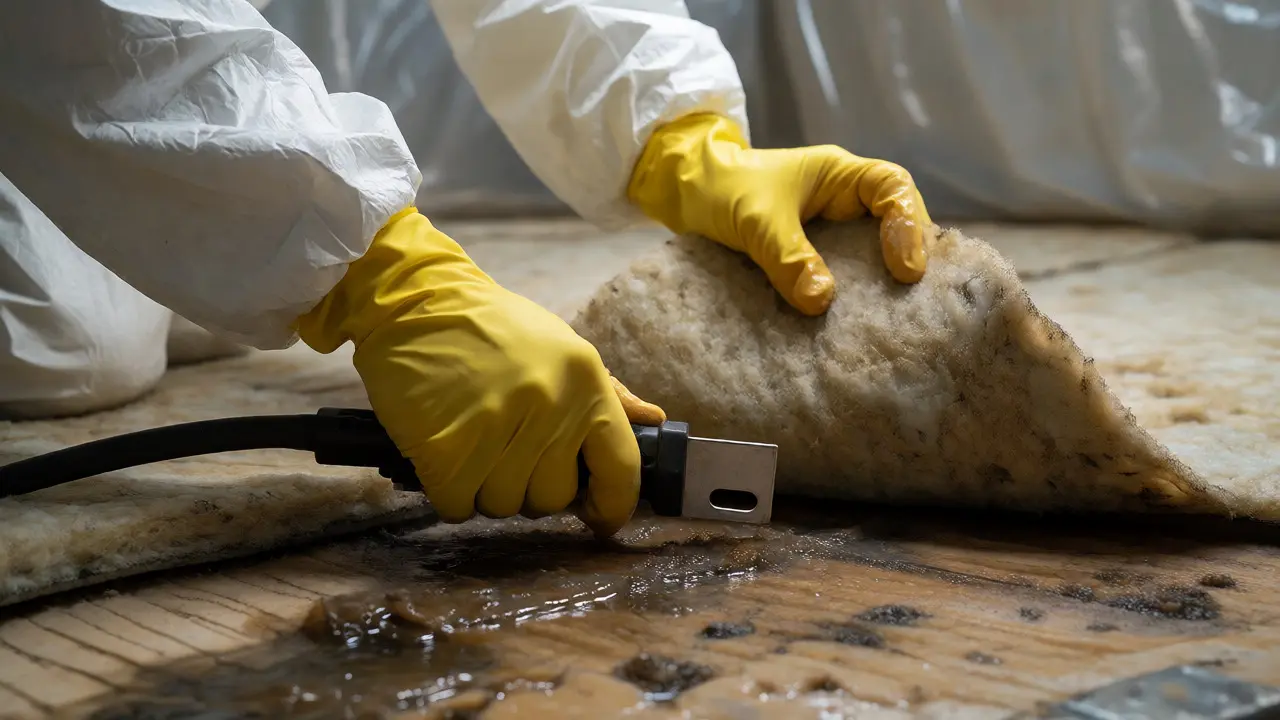
- Safety Setup: Technicians put on Personal Protective Equipment (PPE). This includes full-face respirators with HEPA filters, Tyvek suits, double gloves, and boot covers. No skin should be exposed.
- Containment: Plastic sheeting seals off the work area to prevent cross-contamination. Negative air machines create pressure differentials, ensuring air flows into the room rather than out into the hallway.
- Removal: Visible biological material is removed first. Then, technicians cut away contaminated building materials. Carpet, pad, and subfloor sections are bagged as medical waste.
- Cleaning: Surfaces are scrubbed with enzymatic cleaners designed to break down proteins and fats. Enzymes are more effective than bleach for organic stains because they digest the source.
- Disinfection: After physical removal, an EPA-registered hospital-grade disinfectant is applied to kill remaining pathogens.
- Deodorization: Finally, odor control measures are taken. This might involve hydroxyl generators or thermal fogging to neutralize VOCs at a molecular level.
One critical step often overlooked is drying. Moisture left behind invites mold growth. Industrial dehumidifiers run continuously until moisture levels return to normal. Skipping this step can turn a one-time incident into a recurring headache.
DIY vs. Professional Services
Should you handle this yourself? For minor incidents, maybe. But for true decomposition involving fluids, professional help is usually worth the cost. Let’s look at the trade-offs.
| Factor | DIY Approach | Professional Service |
|---|---|---|
| Cost | Low upfront ($50-$200 for supplies) | High upfront ($500-$3,000+ depending on severity) |
| Risk Exposure | High (potential pathogen contact) | Minimal (certified PPE and training) |
| Effectiveness | Limited (surface level only) | Comprehensive (removes embedded contaminants) |
| Time Required | Days to weeks (trial and error) | Hours to days (efficient workflow) |
| Disposal | Unclear (local regulations vary) | Compliant (licensed medical waste disposal) |
If you attempt DIY, you must dispose of waste correctly. You can’t just throw soaked rags in the regular trash. Many cities require biohazard bags for materials contaminated with bodily fluids. Improper disposal can lead to fines or environmental issues. Professionals handle this paperwork and logistics, saving you stress and legal hassle.
Legal and Insurance Considerations
Who pays for the cleanup? This depends on the context. If the death occurred in a rental property, the landlord is often responsible for restoring the unit to habitable condition. However, leases sometimes shift liability to tenants or their estates. Homeowners’ insurance policies frequently cover sudden accidental deaths but may exclude natural causes unless specified. Always check your policy details.
In some cases, crime scene cleaning falls under homeowner’s insurance if the death resulted from an accident or homicide. Natural deaths are trickier. Some insurers offer optional riders for "biohazard coverage." Without it, you might face out-of-pocket expenses. Document everything. Take photos before cleaning starts. Keep receipts for all services rendered. This documentation supports insurance claims and proves the work was done to industry standards.
Also, consider the emotional toll. Cleaning up after a loved one-or even a stranger-is traumatic. Professionals provide a buffer between you and the visceral reality of the scene. They allow family members to grieve rather than scrub floors while crying. That separation matters.
Preventing Future Issues
While you can’t predict every death, you can mitigate risks. Regular welfare checks for isolated neighbors save lives and prevent prolonged decomposition. Smart home devices, like motion sensors or water leak detectors, can alert you to unusual patterns. If someone hasn’t moved in 24 hours, get a notification.
For landlords, installing durable, non-porous flooring in units occupied by high-risk tenants reduces cleanup costs. Tile or luxury vinyl plank resists fluid absorption better than carpet. Proper ventilation systems also help dissipate odors faster if an incident does occur.
Remember, time is your enemy. The longer fluids sit, the harder they are to remove. Act quickly. Call professionals immediately upon discovery. Don’t wait for the smell to become unbearable. Early intervention saves money and preserves the value of your property.
Frequently Asked Questions
How long does the smell last after cleanup?
If remediation is done correctly, the smell should disappear within 24 to 72 hours. Lingering odors indicate residual contamination or inadequate ventilation. Hydroxyl generators can accelerate this process by breaking down odor molecules at a chemical level.
Is it safe to live in the house after decomposition cleanup?
Yes, once certified professionals complete the remediation, the space is safe for occupancy. They verify safety through visual inspection and sometimes ATP testing (adenosine triphosphate), which measures biological residue levels. Ensure you receive a certificate of completion.
Can bleach remove decomposition stains permanently?
Bleach can lighten stains but rarely removes them completely from porous materials like wood or grout. More importantly, bleach does not remove the underlying biological matter causing the odor. Enzymatic cleaners followed by material replacement are more effective solutions.
What diseases can you catch from a decomposing body?
Risks include exposure to bloodborne pathogens (HIV, Hepatitis B/C), gastrointestinal bacteria (E. coli, Salmonella), and respiratory irritants from ammonia and hydrogen sulfide. While infection risk is low for healthy adults with intact skin, inhalation of aerosols during cleanup poses a higher threat.
Does homeowners insurance cover biohazard cleanup?
Coverage varies by policy. Accidental deaths are often covered under personal liability or dwelling coverage. Natural deaths may require specific biohazard endorsements. Review your policy exclusions and consult your agent immediately after the incident.