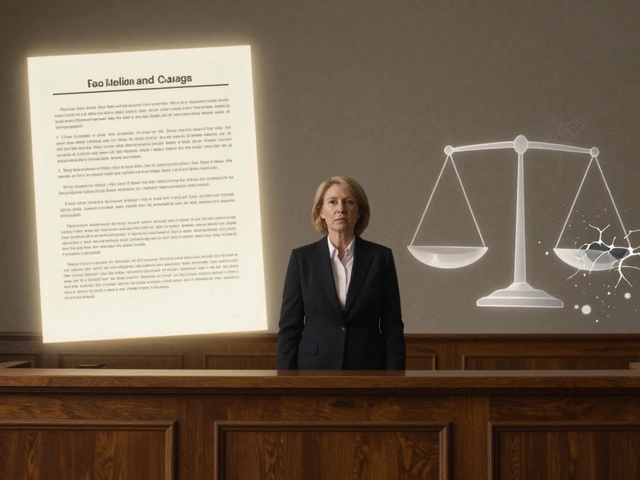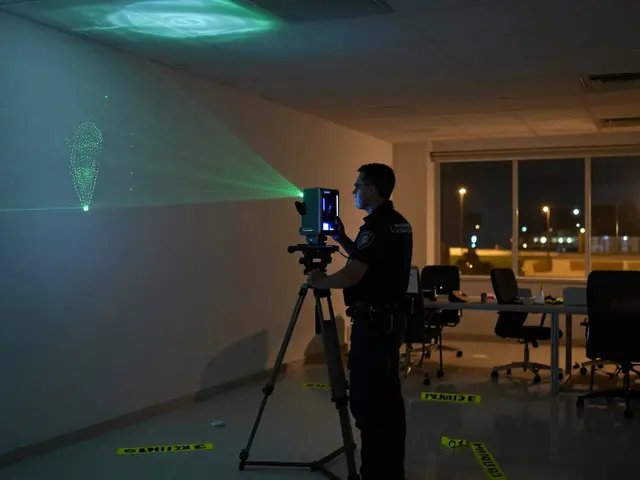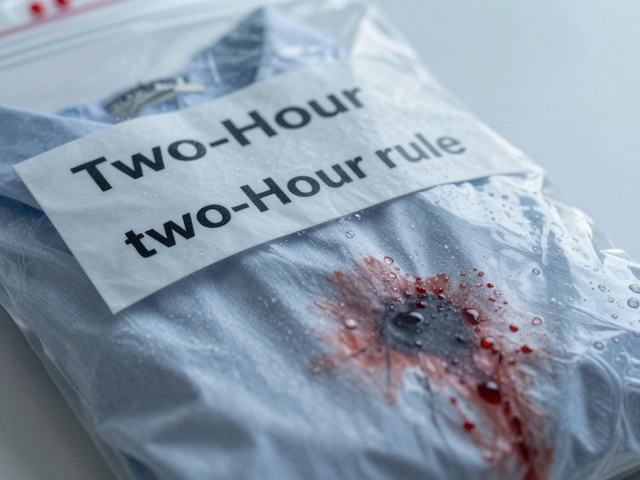
Imagine a courtroom scene where the prosecution presents a crucial piece of physical evidence. The defense attorney doesn't attack the witness's credibility; instead, they ask one simple question: "How do we know this sample wasn't swapped or contaminated while it sat in your evidence room?" If the answer relies on memory or vague notes, the case crumbles. This is why chain of custody is the chronological documentation trail that records the sequence of packaging, custody, control, transportation, transfer, analysis, storage, and disposition of physical or electronic evidence. It is not just paperwork; it is the backbone of evidentiary integrity.
The concept applies far beyond criminal forensics. Whether you are handling biological samples for a toxicology lab, sensitive financial records for a corporate audit, or digital media from a cybercrime investigation, the principles remain the same. You must prove that the item you are analyzing today is identical to the item collected yesterday. Any break in this chain can invalidate the entire process, rendering months of work useless in court or compliance reviews.
Understanding the Core Principles of Chain of Custody
At its heart, chain of custody is about accountability. It establishes a clear timeline showing who had possession of an item, when they had it, and what they did with it. According to guidelines from the Texas Secretary of State and forensic standards outlined by NCBI StatPearls, maintaining this chain requires meeting specific conditions at every stage. The evidence must be either in a person's direct physical possession, within their line of sight after being in possession, locked up to prevent tampering, or kept in a restricted, secured area.
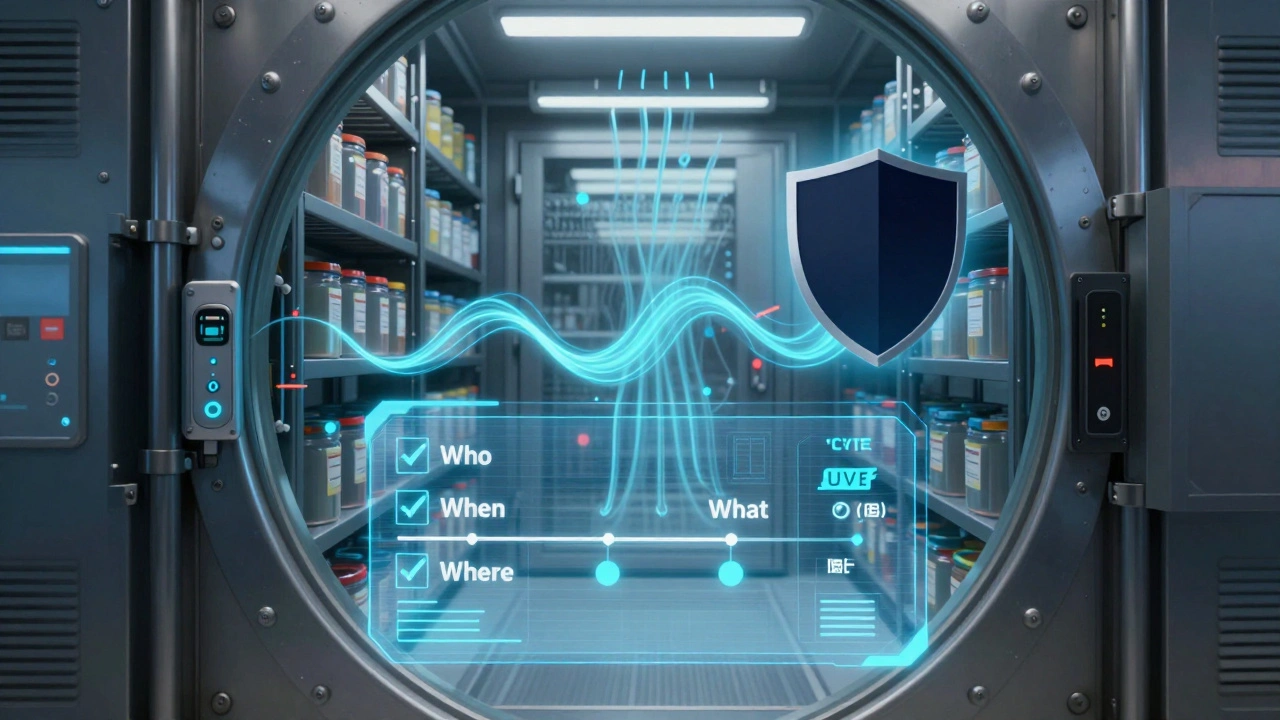
Liability rests with everyone who touches the evidence. If a sample goes missing or shows signs of tampering between two documented handoffs, both parties involved share the blame. This shared responsibility forces rigorous adherence to protocol. The goal is to create an unbroken paper trail that answers five critical questions, often referred to as the "5 W's": Who has the items? When were they received? What exactly was delivered? Where did it come from and go? And why was it moved?
| Question | Required Documentation | Purpose |
|---|---|---|
| Who | Signatures and printed names of all custodians | Identifies responsible personnel |
| When | Date and time of receipt, transfer, and access | Establishes timeline continuity |
| What | Inventory lists, quantities, serial numbers, unique IDs | Verifies item identity and completeness |
| Where | Origin locations, precincts, storage vaults, destinations | Tracks physical movement paths |
| Why | Troubleshooting logs, analysis requests, capacity issues | Justifies each movement or action |
Critical Storage Conditions for Evidence Integrity
Documentation means nothing if the physical condition of the evidence degrades during storage. Storage conditions are not optional extras; they are integral to the chain of custody. For biological samples, chemical reagents, or temperature-sensitive documents, environmental control is paramount. Chemistry Matters emphasizes that documenting temperature control, storage conditions, and tamper-proof seals is critical to maintaining sample integrity.
If you store blood samples at room temperature when they require refrigeration, the DNA may degrade, making analysis impossible. In such cases, even perfect paperwork cannot save the evidence. You must monitor and record environmental factors such as:
- Temperature: Use calibrated thermometers and data loggers to record temperatures continuously. Note any deviations immediately.
- Humidity: High humidity can damage paper records or cause mold growth on organic samples. Desiccants and climate-controlled rooms are essential.
- Light Exposure: Some chemicals and dyes fade under UV light. Store these items in opaque containers or dark cabinets.
- Security Access: Restrict access to storage areas using key cards, biometric scanners, or double-lock systems. Log every entry and exit.
For digital evidence, storage conditions involve different risks. Hard drives must be stored in anti-static bags, away from magnetic fields and extreme temperatures. They should also be disconnected from power sources to prevent accidental overwriting or corruption. The "storage" of digital files often includes creating forensic images-exact bit-by-bit copies-that are verified using hash values (like MD5 or SHA-256) to ensure no alteration occurs during the copying process.
Implementing Tamper-Evident Measures
Visual verification is a powerful tool in chain of custody. Tamper-evident measures provide immediate proof whether a container has been opened since it was sealed. The Texas Secretary of State specifies that all items requiring a seal or serial number must be tracked on the chain of custody form. These seals must be designed so that any attempt to open them leaves visible damage.
Common tamper-evident tools include:
- Sealed Bags: Evidence bags with adhesive strips that tear if reopened. Each bag should have a unique serial number.
- Tamper-Evident Tape: Tape imprinted with text like "VOID IF OPENED" that breaks apart when removed.
- Serial Numbered Seals: Plastic or metal seals used for larger containers or lockboxes. The serial number is recorded on the COC form.
- Holographic Stickers: Labels that change appearance or display a message if peeled back.
When transferring evidence, you must inspect the seal before accepting custody. If a seal is broken, damaged, or missing, you must document the discrepancy immediately. Do not simply replace the seal without noting the original condition. Place the broken seal in an assignment envelope and attach it to the new packaging. This transparency preserves credibility, even when errors occur.
Completing Chain of Custody Forms Correctly
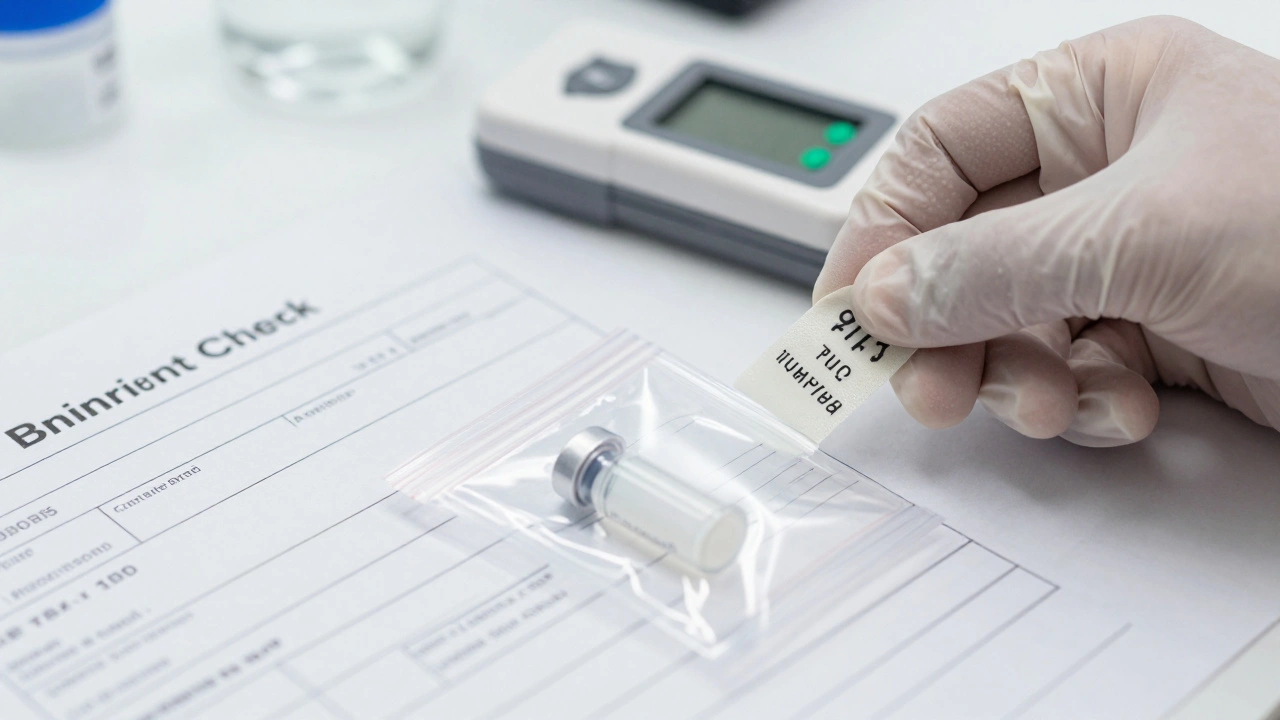
The chain of custody form is the primary document linking all these elements together. A poorly filled-out form is as damaging as a broken seal. According to NCBI StatPearls, a comprehensive COC form must include specific data points to be legally defensible. Missing information creates gaps that adversaries can exploit.
Here is what every COC form must contain:
- Unique Identifier: A distinct code for the sample or item, matching the label on the container.
- Collector Information: Name, signature, official address, and contact number of the person who collected the evidence.
- Recipient Details: Name of the receiving laboratory or individual, plus their address.
- Sample Description: Detailed description including matrix type (e.g., blood, urine, hard drive), quantity, and condition.
- Collection Data: Date, time, and location of collection.
- Analysis Requirements: Specific tests requested and authorization for those analyses.
- Transfer Log: Signatures and timestamps of every person who handles the item, along with the date and method of delivery.
- Witness Signatures: Names and signatures of witnesses present during collection or transfer, if applicable.
For digital media, additional details are necessary. Record the make and model of the device, serial numbers, and any passwords required for access. Note the file system type and total storage capacity. This level of detail ensures that the digital evidence can be authenticated later.
Document Management and Electronic Records
Chain of custody isn't limited to physical objects. In legal, financial, and governmental contexts, documents themselves are evidence. Record Nations defines a document chain of custody as a system tracking a document's whereabouts from creation to disposal. This is vital for audits, litigation holds, and compliance checks.
To maintain document integrity, organizations need a robust document management system. This system should outline who has access, how documents are retrieved, and how they are identified. Every time a document is accessed, a notation must be made in a log. This log should include:
- Name of the person accessing the document
- Date, time, and place of access
- Name of the storage employee assisting (if any)
- Description of the document and data obtained
Electronic validation adds another layer of security. Before transporting physical files, scan them electronically and validate against a work order. Place individual files in confidential envelopes to protect sensitive information. When choosing a third-party provider for transport or storage, evaluate their security protocols. Ask about vehicle types, background check frequency, fire suppression systems, and barcode tracking devices. Ensure they sign non-disclosure agreements to safeguard confidentiality.
Common Pitfalls and How to Avoid Them
Even experienced professionals make mistakes that break the chain of custody. Awareness of common pitfalls helps prevent costly errors.
Failure to Sign Immediately: Never hold evidence without signing the COC form right then and there. Delaying signatures creates ambiguity about who had control during the gap. If you forget your pen, write your name and initial the entry, then complete the signature later-but note the delay.
Using Pencil: Always use ink pens. Pencil marks can be erased, raising suspicions of alteration. Blue or black ink is standard because photocopies clearly distinguish it from redactions or edits.
Ignoring Environmental Logs: If your storage unit has a temperature logger, don't ignore the data. Regularly review and archive these logs. A sudden spike in temperature might explain why a sample failed analysis, but only if you documented it.
Mixing Cases: Never store evidence from different cases in the same container unless explicitly allowed and documented. Cross-contamination can ruin multiple investigations simultaneously. Use separate, clearly labeled containers for each case.
Digital Hash Mismatches: After creating a forensic image of a drive, calculate the hash value again. If the new hash doesn't match the original, the copy is corrupted. Start over. Trusting a mismatched hash invalidates the digital evidence.
Training and Accountability
Technology and forms are only as good as the people using them. All personnel involved in handling evidence must receive prior training on chain of custody procedures. This training should cover not just the steps, but the reasons behind them. Understanding the legal consequences of a broken chain motivates careful adherence.
Regular audits help maintain standards. Randomly select cases and trace the evidence from collection to final disposition. Check for missing signatures, unclear handwriting, or unexplained gaps in time. Address issues promptly through retraining or disciplinary action. Consistency builds trust in your organization's processes.
In high-stakes environments, consider implementing dual-custody protocols for particularly sensitive items. Two authorized individuals handle the evidence together, both signing off on transfers. This reduces the risk of unilateral tampering or error.
What happens if a chain of custody is broken?
A broken chain of custody can render evidence inadmissible in court. Judges may exclude the evidence if the prosecution cannot prove it remained unchanged from collection to presentation. Even if admitted, the opposing side can challenge its reliability, potentially weakening the case significantly. In civil contexts, it may lead to lost audits or failed compliance reviews.
Can digital evidence have a chain of custody?
Yes, digital evidence requires strict chain of custody protocols. This involves recording who accessed the device, when, and for what purpose. Forensic imaging creates exact copies verified by hash values. Metadata, such as file creation dates and modification times, must be preserved and documented to show no alterations occurred.
Why are tamper-evident seals important?
Tamper-evident seals provide visual proof that a container has not been opened since sealing. They deter unauthorized access and allow immediate detection of breaches. If a seal is broken, investigators know to investigate potential contamination or theft, preserving the integrity of the remaining evidence.
How long should chain of custody records be kept?
Retention periods vary by jurisdiction and case type. Criminal evidence often remains until the statute of limitations expires or the case is fully resolved, which can be decades. Corporate documents may follow internal retention policies or regulatory requirements, typically ranging from three to seven years. Always consult local laws and organizational guidelines.
Is verbal transfer of evidence acceptable?
No, verbal transfers are never acceptable for formal chain of custody. Every transfer must be documented in writing with signatures, dates, and times. Verbal accounts are unreliable and lack the permanence needed for legal scrutiny. Written records provide a verifiable trail that withstands challenges.