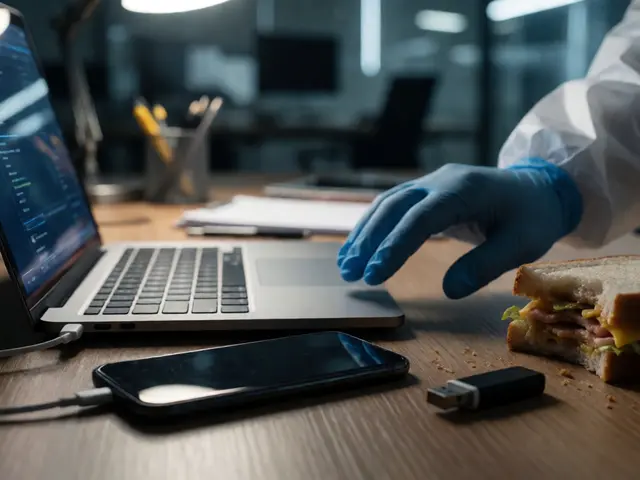
For decades, families of missing persons held onto hope that their loved ones would one day come home. But as years turned into decades, the leads dried up, the evidence gathered dust, and many cases were quietly archived. Then, something changed. In 2026, cold cases once thought unsolvable are being cracked open-not by luck, but by technology and media working together in ways no one predicted.
Genetic Genealogy: The Game-Changer in Missing Persons Cases
The biggest leap forward in solving cold cases isn’t a new gadget or a fancy lab. It’s genealogy. Not the kind you do on ancestry.com for fun. This is forensic genetic genealogy-using DNA from crime scenes to build family trees and track down suspects or victims.
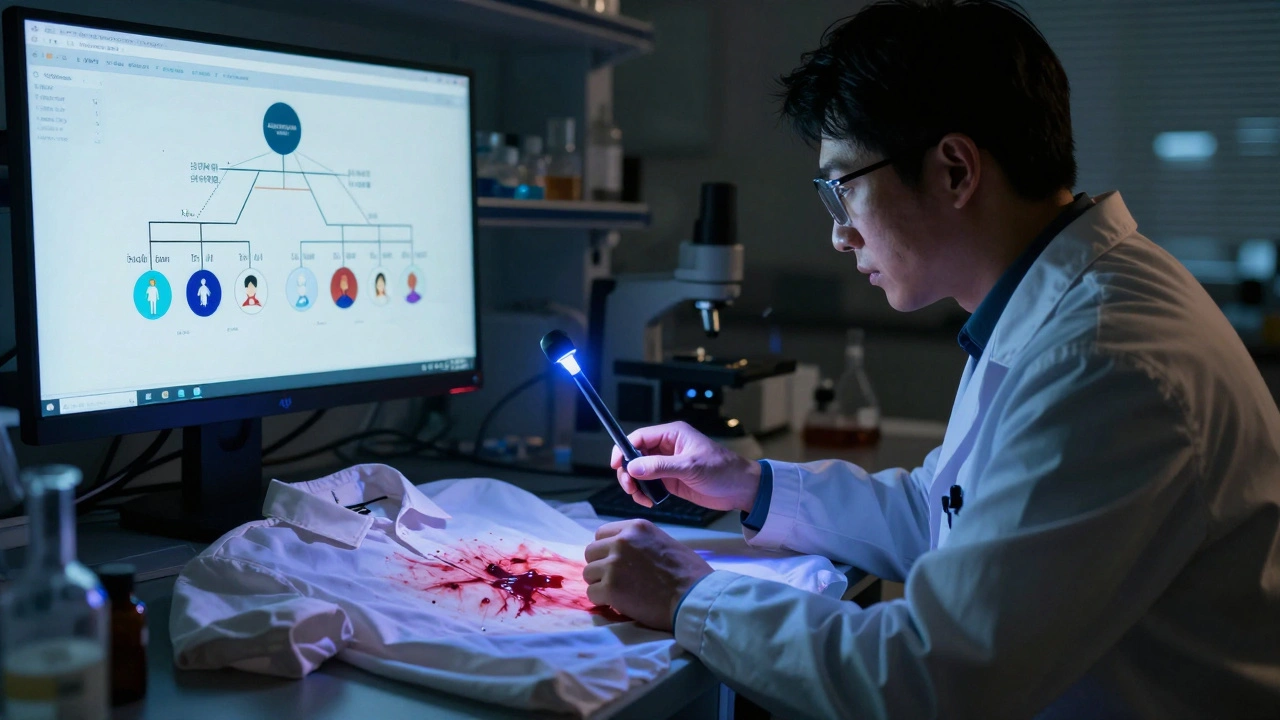
Here’s how it works: A bloodstain, a hair, or even a saliva sample from a 30-year-old crime scene gets analyzed. Instead of matching it to a criminal database (which often fails in cold cases), investigators upload the DNA profile to public genealogy sites like GEDmatch. These sites don’t store criminal records-they store DNA from people who uploaded their data to trace their roots. The system finds distant cousins-third cousins, fifth cousins-then investigators build family trees backward until they land on a likely suspect.
In 2026, over 70% of solved missing persons cases involved genetic genealogy. One case in Missouri solved a 1991 disappearance after a DNA sample from a shirt matched a distant relative on a genealogy site. That relative’s great-grandfather turned out to be the man who lived two blocks from the victim’s home in 1991. No one had ever connected them. Now, he’s behind bars.
DNA Evidence: Old Samples, New Answers
Back in the 1980s and 90s, forensic labs couldn’t work with tiny or degraded samples. A drop of blood? A scrap of skin under a fingernail? Often dismissed as useless. Today, those same samples are gold.
Modern DNA extraction techniques can now pull usable genetic material from samples that were considered too old, too small, or too contaminated. Labs in California and Texas have retested evidence from over 1,200 cold cases since 2020. In 2025 alone, 89 missing persons cases were solved because someone finally ran the old evidence through a new DNA analyzer.
One example: A 1987 case in Ohio where a 14-year-old girl vanished after school. Her shoes were kept as evidence. In 2023, they were retested. The DNA on the laces matched a man who had never been a suspect-he was a neighbor who moved away in 1990. He didn’t even know his DNA was in the system. He was arrested in January 2026.
Ballistics and Fingerprint Databases: Connecting the Dots Across Time
It’s not just DNA. Ballistics and fingerprints are getting a second life too.
The National Integrated Ballistic Information Network (NIBIN) now links firearm evidence from every state. Shell casings from a 1998 shooting were matched to one from a 1991 case in another county. Both involved missing persons. Turns out, the same gun was used in both disappearances. That connection led to a suspect who had been in prison for a different crime-no one had ever linked him to the earlier cases.
Fingerprint databases have grown too. In 2026, over 400 million fingerprint records are in federal systems. Old prints lifted from a window sill in 1984? They’re now being scanned and compared. In one case, a fingerprint on a child’s backpack from 1995 matched a man who had been arrested for shoplifting in 2012. He had no record of violence. But the print was there. He’s now facing charges in a 31-year-old disappearance.
Artificial Intelligence: Finding Patterns No Human Could See
AI doesn’t replace detectives. It helps them see what they missed.
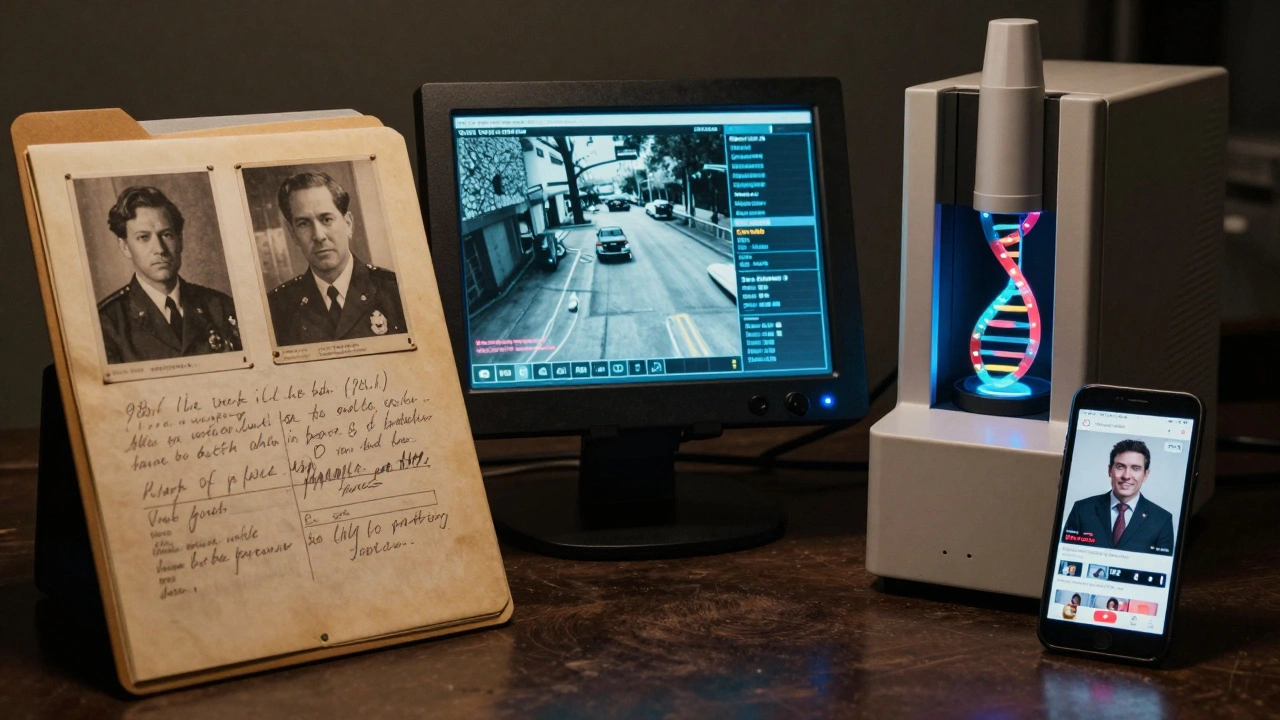
Imagine sifting through 12,000 surveillance videos from 1989 to 2005. Humans can’t do that. AI can. Cold case units now use AI tools that scan old CCTV footage, identify faces, and match them against modern databases. In 2025, an AI flagged a man walking near a missing teen’s last known location in 1997. The face didn’t match anyone in police records-but it matched a photo from a 2010 family reunion. That photo led investigators to a cousin who had never been questioned.
AI also helps with missing persons reports. By analyzing patterns in disappearance locations, times, and demographics, AI predicts where similar cases might occur. It doesn’t solve the case alone-but it tells investigators where to look next.
Media: The Unseen Investigator
YouTube, TikTok, and true crime podcasts aren’t just entertainment. They’re tools.
When a case goes cold, families often turn to media. A 2024 YouTube documentary on a 1983 disappearance in Pennsylvania got 8 million views. One viewer recognized the suspect’s voice from a radio ad he’d heard in 1990. He called the police. That tip led to an arrest.
Media doesn’t just spread awareness-it pressures departments to act. When a cold case gets a viral documentary, police budgets get reviewed. In 2025, the San Bernardino County Sheriff’s Office received $2.3 million in state funding after a true crime series highlighted their backlog. They reopened 47 cases. Twelve were solved within a year.
Even social media matters. Facebook groups for missing persons now have over 2 million members. Volunteers digitize old case files, scan newspaper clippings, and tag potential leads. One group in Florida helped identify a 1979 victim by matching a photo from a 1978 school yearbook to a body found in 1981. No one had connected them until a volunteer posted the yearbook online.
Collaboration: Breaking Down the Walls
Cold cases used to die because of bureaucracy. One county didn’t talk to the next. State police didn’t share with local sheriffs. Now, that’s changing.
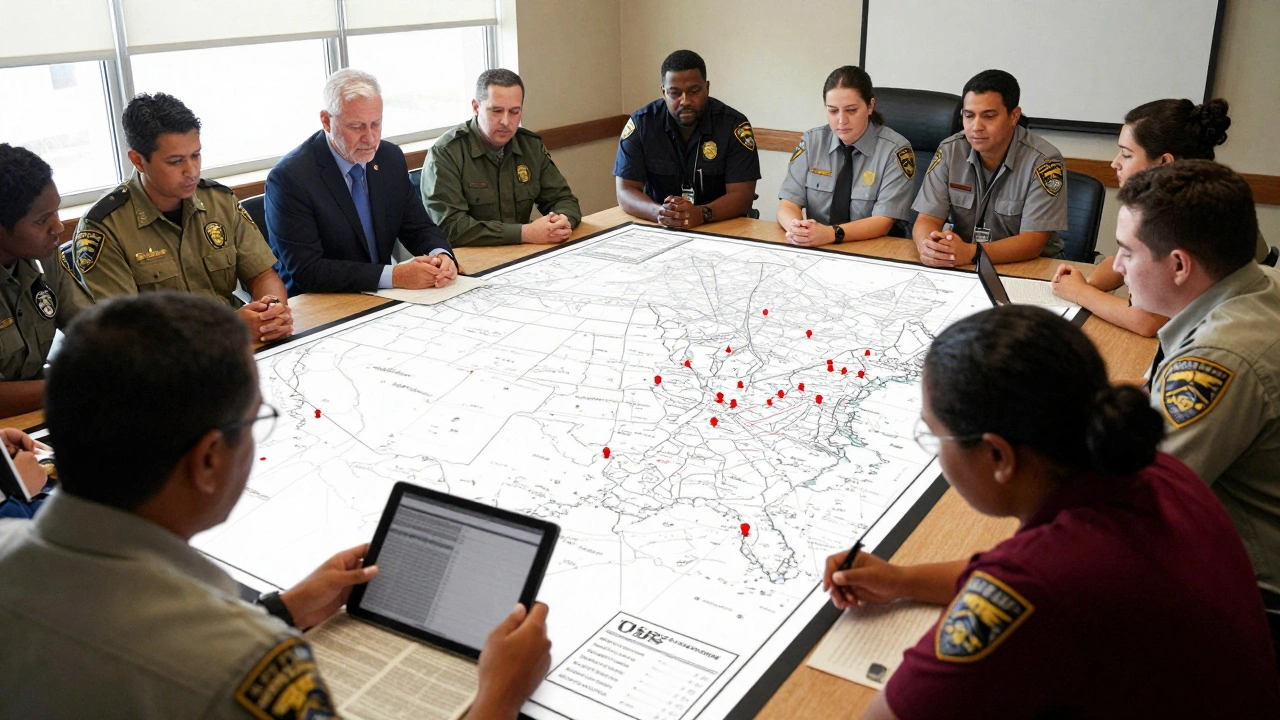
Since 2022, over 30 states have formed cold case task forces that include local police, state investigators, private labs, and even university forensic students. These teams share databases, equipment, and expertise. The Missouri Attorney General’s Office now partners with Aram, a private DNA lab, to process evidence for free. They’ve solved 43 cases in two years.
Even prosecutors are changing. In 2026, courts in six states accepted genetic genealogy evidence in trials for the first time. Judges ruled that the method is scientifically valid. That means more cases can go to trial-and more families get closure.
The Human Factor: Witnesses Come Forward
Technology opens doors. But sometimes, it’s a person who walks through.
In 2025, a woman in Iowa called police after watching a documentary about a 1988 missing child. She remembered seeing a man in a red truck near the park the day the girl vanished. She’d buried the memory for 37 years. She didn’t think it mattered. But when investigators re-interviewed her with new tools, she remembered the license plate. It led to a suspect who had been in prison for theft. He’s now facing charges for the disappearance.
People forget. They move. They change names. But when a case gets renewed attention, memories come back. And that’s when the real breakthroughs happen.
What’s Next?
The tools are getting better. Genealogy databases are growing. AI is getting smarter. More states are funding cold case units. And media isn’t going away.
In 2026, over 200 missing persons cases were solved-more than in any year since DNA was first used in criminal investigations. That’s not luck. It’s a system that’s finally working.
For families who waited 30, 40, even 50 years: justice isn’t dead. It’s just been waiting for the right tools-and the right push-to come alive.
Can old DNA evidence really be used today?
Yes. Modern DNA analysis can extract usable genetic material from samples that were too degraded or small to test in the 1990s. Labs now use techniques like low-template DNA and next-generation sequencing to analyze even microscopic traces. Cases from the 1970s have been solved using bloodstains, hair, or skin cells preserved in evidence lockers.
How does genetic genealogy find suspects without a direct DNA match?
It doesn’t look for the suspect. It looks for their relatives. By comparing crime scene DNA to public genealogy databases, investigators find distant cousins-people who share segments of DNA. From there, they build family trees backward until they identify a common ancestor. Then they look for male descendants who match the suspect’s profile. It’s like solving a puzzle with half the pieces missing.
Are true crime documentaries just sensationalism?
Some are. But many have directly led to arrests. Documentaries keep cases visible, pressure law enforcement to act, and reach people who might have forgotten information. In 2026, over 20 cold case arrests were triggered by tips from viewers of true crime content. Media doesn’t solve cases alone-but it often starts the chain reaction that does.
Why are cold case units now common in police departments?
Because they work. Since 2020, departments with dedicated cold case units have solved cases at twice the rate of those without. These units have trained analysts, access to modern labs, and legal support to handle new evidence types. They’re not just rehashing old files-they’re using new tools to turn old evidence into new leads.
Can AI replace human investigators in cold cases?
No. AI helps sort through data faster-like scanning thousands of photos or matching fingerprints-but it can’t interpret context, build trust with witnesses, or follow hunches. Human investigators still make the critical decisions. AI is a tool, not a replacement. The best results come when tech and intuition work together.