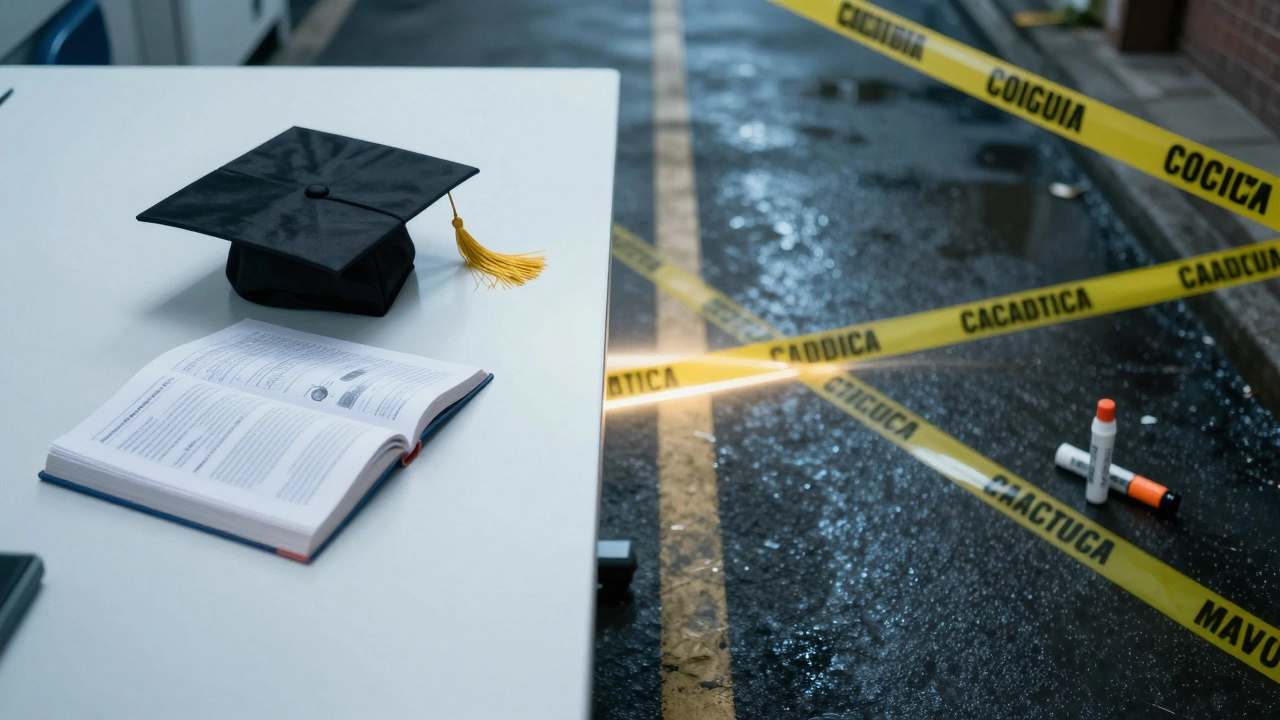
Switching careers is always a gamble, but moving into the world of forensic science is a specific kind of challenge. You aren't just changing jobs; you're stepping into a high-stakes environment where a single mistake in a lab can jeopardize a legal case. Many professionals from chemistry, biology, or even law enforcement feel they are "missing a piece of the puzzle" when they look at job descriptions. Whether it's a lack of field experience or not knowing how to handle a chain-of-custody log, the gap between a degree and a badge can feel like a canyon.
The Quick Reality Check
- Academic vs. Operational: A degree in chemistry is great, but knowing how to process a crime scene is a different skill set.
- High Stakes: Forensics requires a level of precision and documentation far beyond standard corporate lab work.
- Diverse Entry Points: You don't always need a new degree; sometimes you just need the right bridging program or certification.
- Emotional Weight: Moving into this field means dealing with crime scenes and victims-something textbooks can't prepare you for.
Identifying Where You Actually Stand
Before you start applying, you need to figure out which "bucket" you fall into. The forensic science field is broad, and your previous experience might actually be more valuable than you think. If you're coming from a pharmaceutical lab, you already have the pipetting and instrumentation skills needed for toxicology. If you're coming from a legal background, you understand the rules of evidence.
The most common experience gaps aren't usually in the "hard science" but in the application. Most career changers struggle with the transition from a controlled academic environment to the chaotic reality of crime scene investigation. You might know the theory of how DNA works, but do you know how to collect a sample from a rainy sidewalk without contaminating it? That's the gap we're talking about.
Mapping Your Transition Path
Not all forensic roles are created equal. Depending on your background, some paths will be shorter than others. For example, if you have a strong background in organic chemistry, moving into drug chemistry is a natural pivot. However, moving from a desk job into a medical examiner's office requires a much steeper learning curve regarding anatomy and pathology.
| Previous Background | Best Forensic Fit | Primary Experience Gap | Bridging Solution |
|---|---|---|---|
| Biologist / Geneticist | DNA Analysis | Legal chain-of-custody | Forensic-specific certification |
| Chemist / Pharmacist | Toxicology / Drug Chem | Courtroom testimony skills | Mock trial workshops |
| Police Officer / Security | Crime Scene Investigator | Technical lab analysis | Academic bridging courses |
| Medical Professional | Forensic Pathology | Criminal law procedures | Medico-legal apprenticeships |
Using Bridging Programs to Close the Gap
You don't always have to go back to school for four years. In recent years, there's been a shift toward "bridging programs." These are designed specifically to turn a scientist into a forensic scientist. A great example of this is the initiative run by the New York State Police Crime Laboratory Services (NYSP CLS). Instead of just lecturing, they use a mix of mentorship and hands-on exposure.
These programs usually focus on three things: mentorship, observation, and application. Mentorship mixers allow you to talk to active investigators about the "grind"-the long hours, the stress, and the actual day-to-day tasks. Observation happens through lab tours where you see how a real case flows from evidence collection to the final report. Finally, application involves practicing the specific documentation styles required by the court. If you can find a local agency that offers these types of partnerships, jump on them. They are the fastest way to prove you can handle the work.
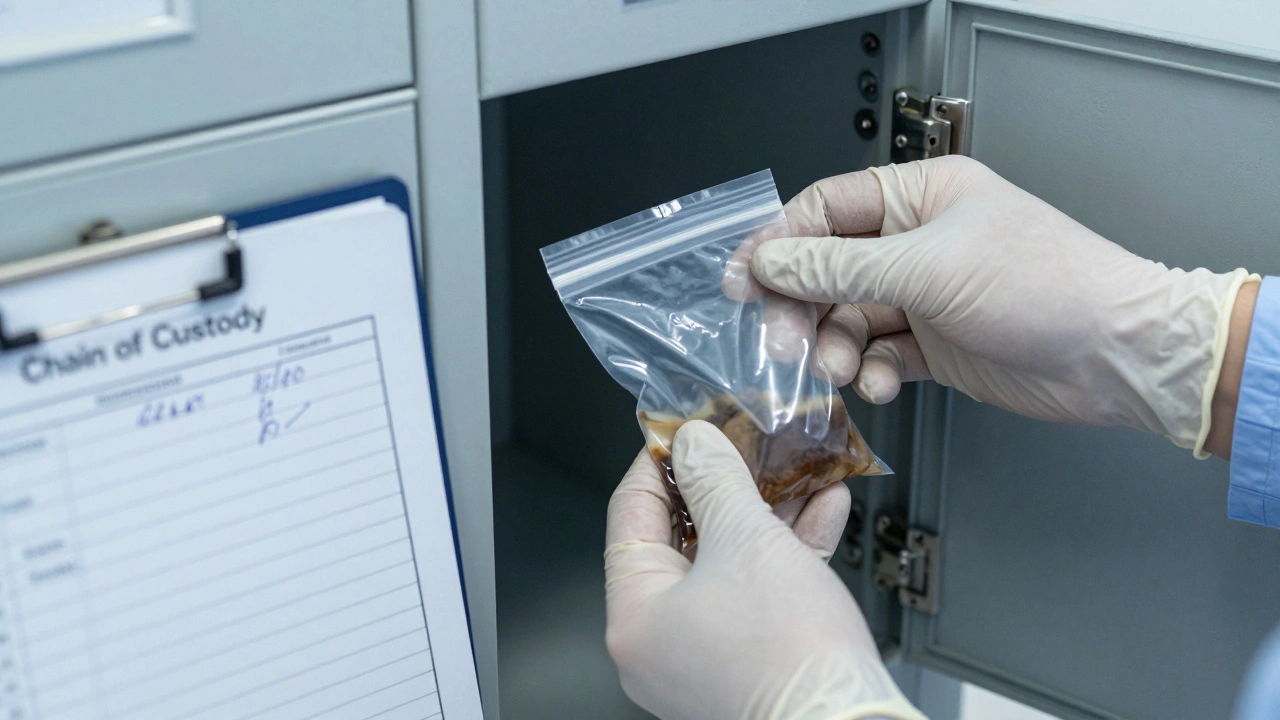
Mastering the "Soft" Technicals: Chain of Custody
If there is one thing that trips up career changers, it's the chain-of-custody. In a normal lab, if you mislabel a beaker, you just start over. In forensics, a broken chain of custody can get an entire piece of evidence thrown out of court, potentially letting a criminal walk free.
To bridge this gap, you need to obsess over documentation. Start learning the legal requirements for evidence handling. This means understanding how to log every single person who touches a piece of evidence, the exact time it was moved, and the secure method of storage. When you interview for a role, don't just talk about your ability to use a mass spectrometer; talk about your commitment to the integrity of the evidence. That's what hiring managers actually care about.
Dealing with the Emotional Transition
Let's be honest: the mental shift is often harder than the technical one. Most people entering forensics are attracted by the "CSI effect"-the idea that it's all puzzles and breakthroughs. In reality, it's often tedious paperwork and exposure to some of the worst moments of human existence.
Career changers often experience burnout faster because they aren't mentally prepared for the trauma of the field. To bridge this emotional gap, seek out professionals who have been in the game for a decade. Ask them how they manage work-life balance and how they leave the job at the door. Learning about stress management and vicarious trauma now will prevent you from quitting six months after you finally get the job.
Practical Steps for Your First 90 Days
Once you've bridged the gap and landed a role, the first three months are critical. You aren't just learning a job; you're learning a legal standard. Focus on these three areas to ensure you don't stumble:
- Shadow Everything: Even if you're a senior chemist, shadow the most junior technician to see how they handle the paperwork. The "right way" in forensics is often counterintuitive to standard science.
- Learn the Instrumentation: Every lab has its own quirks. Spend your downtime mastering the specific instrumentation used in that agency, from GC-MS to capillary electrophoresis.
- Study Case Law: Read through a few old case files to see how the evidence you're processing is actually presented in court. This gives you the "why" behind the strict rules.
Do I need a whole new degree to change my career into forensics?
Not necessarily. If you already have a degree in a hard science like Chemistry or Biology, you often just need a specialized certification or a bridging program to learn the legal and procedural side of the work. Some agencies value professional experience in a lab over a specific "Forensic Science" degree.
What is the hardest part about switching from a regular lab to a forensic lab?
The biggest hurdle is usually the strict adherence to the chain-of-custody and legal documentation. In academic or commercial labs, the goal is the result. In forensics, the process of getting that result is just as important as the result itself because it must be defensible in court.
How can I get hands-on experience if I'm not yet employed by an agency?
Look for educational outreach programs, internship opportunities, or "mentorship mixers" hosted by state police or city labs. Many agencies are now partnering with universities to provide lab tours and Q&A sessions to help bridge the gap for new recruits.
Which forensic specialization is easiest for career changers?
It depends on your background. For those with strong lab skills, drug chemistry and toxicology are often the most accessible. For those with a background in law enforcement or emergency services, crime scene investigation is the most natural transition.
How do I handle the emotional stress of forensic work?
The key is building a support system early. Talk to veteran forensic scientists about their coping mechanisms, utilize employee assistance programs, and establish a strict boundary between your professional life and your home life to avoid burnout.
Next Steps for Your Transition
If you're ready to move, start by auditing your current skills against a few job postings from agencies you admire. Don't be intimidated by the "preferred qualifications" section-that's often a wish list. Instead, focus on how your existing skills in analysis, documentation, or investigation map to their needs. Reach out to professional organizations or local labs to see if they have any informal mentorship opportunities. The bridge to a new career is built one connection at a time.