When you collect evidence at a crime scene, the container you use matters just as much as the evidence itself. A single mistake in packaging-using the wrong bag, skipping a seal, or reusing a box-can ruin a case. Evidence doesn’t just sit in a closet; it may be stored for years, moved across jurisdictions, and examined in labs under microscopes. If the container fails, the evidence fails. And when that happens, justice fails too.
Why Packaging Isn’t Just a Box and Tape
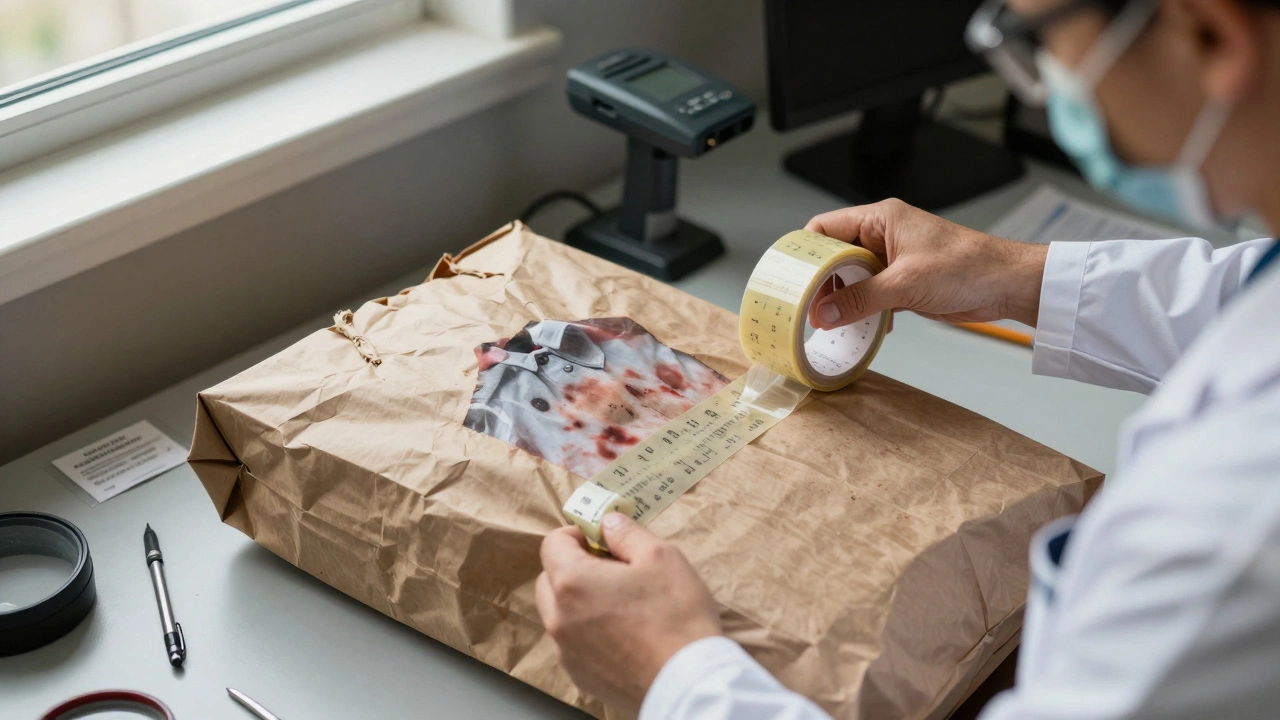
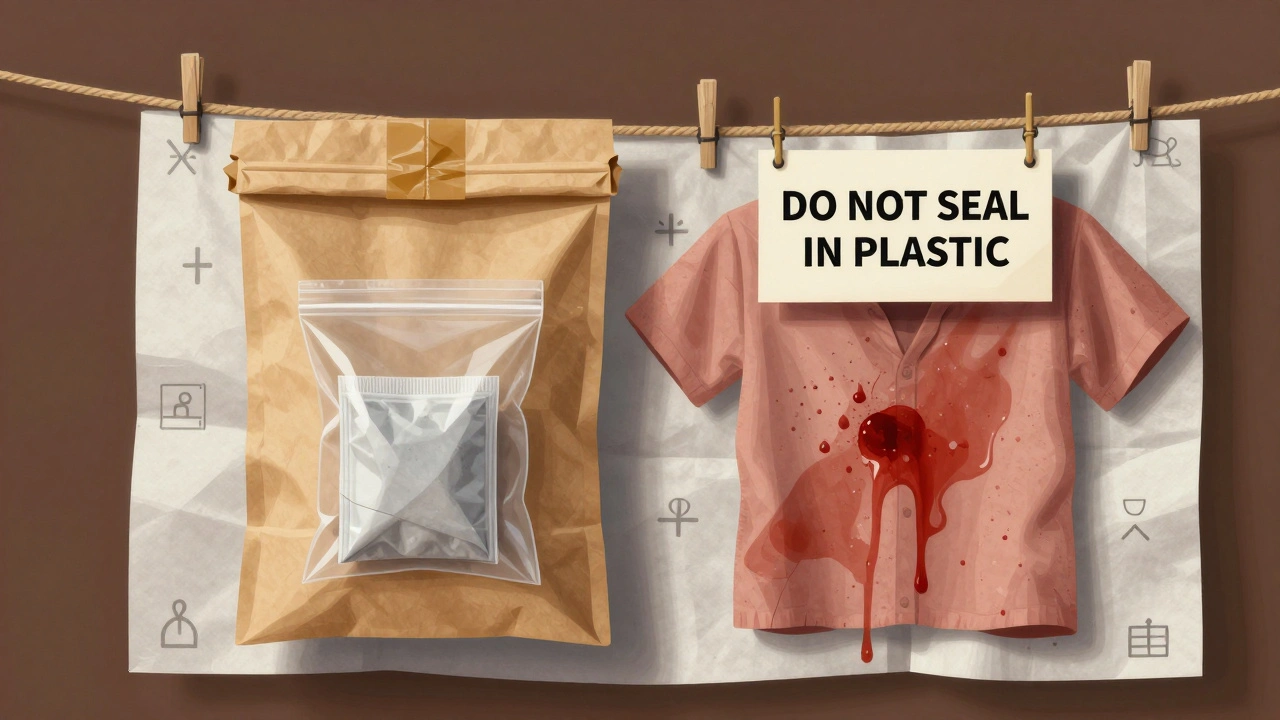
Think of evidence packaging as the first step in a legal chain. It’s not about convenience. It’s about proof. Every container must protect the item, prevent contamination, and prove it hasn’t been tampered with. That’s why agencies don’t just grab any plastic bag or cardboard box off the shelf. They follow strict standards-like those from the Evidence Management Institute-that define material weight, sealing methods, and labeling rules. If you skip these, you risk losing admissibility in court.For example, a blood-stained shirt packed in a flimsy plastic grocery bag might leak, degrade, or mix with another sample. But the same shirt in a 75-pound kraft paper bag, sealed with tamper-evident tape and labeled with initials and date, stays intact and legally sound. The difference isn’t just physical-it’s legal.
Kraft Paper: The Workhorse of Evidence Packaging
Kraft paper bags are the most common choice for dry, solid evidence like clothing, tools, or documents. But not all kraft paper is equal. The Evidence Management Institute requires a minimum of 60-pound basis weight, but most agencies use 75-pound or heavier for durability. These bags won’t tear when stacked, handled, or stored for years.Here’s how to use them right:
- Never overfill. The top must fold over cleanly so you can seal it with tape.
- Seal with 2-inch industrial packaging tape. It’s strong enough to hold under stress.
- Write your initials, ID number, and date across the seal with permanent ink. The ink must cross the tape-this proves the seal wasn’t removed and reapplied.
- Attach a barcode label to the front. Standard placement avoids confusion during storage and retrieval.
These bags come in three standard sizes, designed to fit common evidence types. If something’s too big, wrap it in brown packing paper and seal it with evidence tape. No exceptions.
Cardboard Boxes: For Heavy, Bulky, or Multiple Items
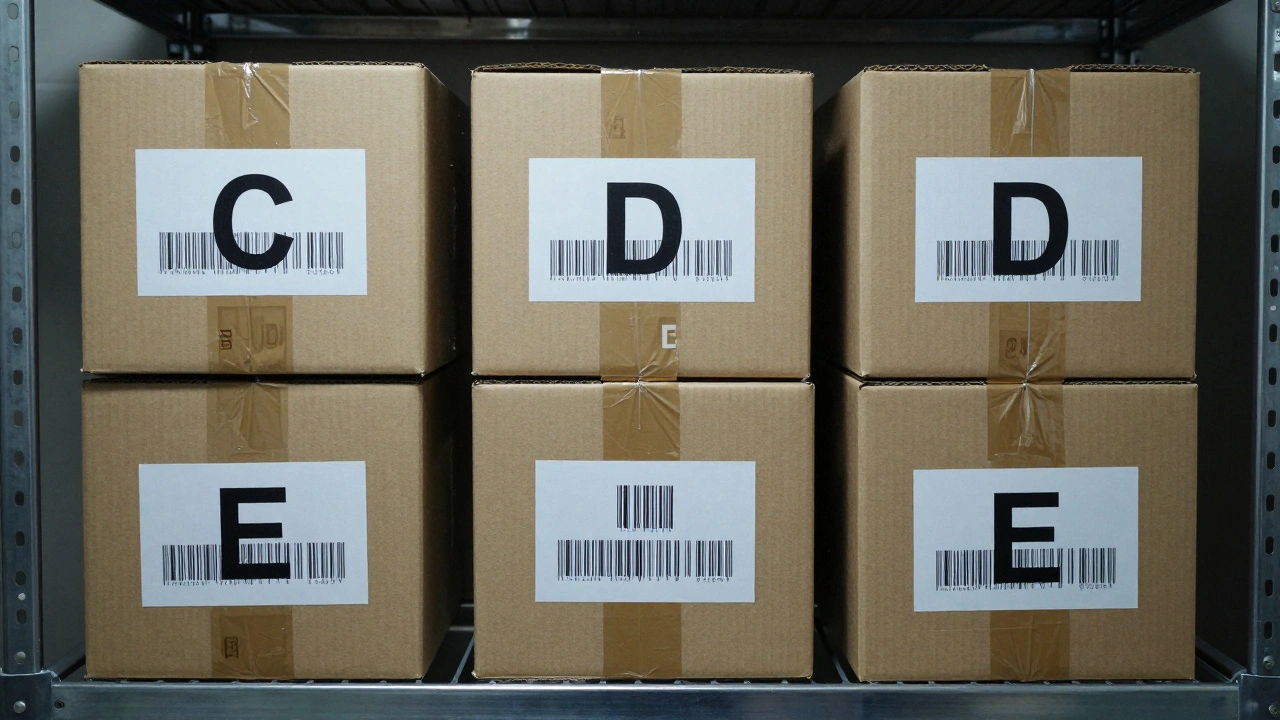
When you’re dealing with weapons, electronics, or multiple items, cardboard boxes are the go-to. But again, not just any box. The Evidence Management Institute recommends single-wall boxes with a 200 psi burst rating. That means they can handle up to 200 pounds per square inch before bursting-enough for most evidence.Porter Lee’s standards define four common sizes:
- C Box: 8" x 8" x 8" - for small tools, ammunition, or electronics
- D Box: 24" x 12" x 10" - for larger items like firearms or laptops
- E Box: 12" x 12" x 12" - for medium bulk, like multiple evidence bags
- F Box: 24" x 10" x 6" - for flat items like documents or tablets
Important rules:
- Never reuse a box. Even if it looks fine, it may have hidden damage or contamination.
- Seal the bottom before loading. A box that’s taped after being filled risks tearing under weight.
- Never exceed the box’s weight rating. A 25-pound limit isn’t a suggestion-it’s a safety rule.
- Label each box with a barcode in the exact location specified. Misplaced labels cause delays in evidence retrieval.
Polyethylene Bags: For Liquids, Wet Evidence, and Small Items
Clear plastic evidence bags made of 4 mil to 6 mil polyethylene are ideal for liquids, biological samples, or small items like jewelry and drugs. Their transparency lets you see the contents without opening them. But they’re not foolproof.Georgia authorities require double-bagging for liquids under 1,000 milliliters: the item goes in a leak-proof screw-top container, then into a clear plastic bag. For liquids over 1 liter, use a hazmat bucket with a secure lid. The bucket itself is then sealed with evidence tape.
For wet items like blood-soaked clothing or a soaked shoe:
- Don’t seal it in plastic right away. That traps moisture and destroys DNA.
- Let it air-dry first on clean paper.
- Then place it in a kraft paper bag-not plastic.
Plastic bags are great for dry, small items. But for anything biological, paper is safer. Moisture + plastic = mold. Mold = destroyed evidence.
Sealing and Labeling: The Legal Backbone
A sealed package means nothing if the seal isn’t tamper-evident. That’s why every seal must have three things:- Initials of the person who sealed it
- Unique identification number
- Date of packaging
The ink must cross the tape. If someone tries to peel it off and reseal it, the ink will break or smear. That’s your visual proof.
Labels aren’t sticky notes. They’re permanent records. They must survive heat, cold, moisture, and years of storage. Use printed, laminated barcode labels-not handwritten ones. Handwriting fades. Barcodes don’t. And always place them in the same spot on every container type. Consistency saves hours during audits.
Special Cases: Hazards, Biologicals, and Odd Items
Not all evidence fits neatly into bags or boxes. Some items need special handling.Biological samples (blood, saliva, tissue) must go into leak-resistant tubes or bottles. These are then placed in secondary containers packed with absorbent material. The ASPCA guidelines say test tubes are acceptable for small liquid samples-but only if they’re in crush-proof primary containers.
Chemical or hazardous materials need containers designed to prevent leakage. Bradford Systems recommends containers with chemical-resistant seals and hazard warning labels. Never pack acids, solvents, or unknown powders in standard packaging.
Sharps (needles, broken glass) go in rigid, puncture-proof containers. These aren’t regular sharps boxes-they’re evidence-specific containers labeled with case numbers and sealed with evidence tape.
Large or irregular items (machetes, swords, furniture) go in large poly tubing. But these are hard to store. That’s why they’re only used when absolutely necessary. Wrap them in packing paper, label them clearly, and store them upright to avoid damage.
Consistency Beats Variety
One of the biggest mistakes agencies make is using too many types of packaging. You don’t need five kinds of plastic bags. You don’t need three types of tape. Standardization is key.Limit your options. Pick one reliable kraft bag, one box size for general use, one tape brand, one label system. Train every officer on the same procedure. That way, when evidence moves between units or labs, everyone knows what to expect. It reduces errors, speeds up processing, and makes audits smoother.
Once you’ve chosen your standard materials, stick with them. Don’t switch suppliers mid-year. Don’t try out “new and improved” packaging unless it’s been tested and approved. Your evidence system is only as strong as its weakest link-and inconsistency is the weakest link of all.
What Happens When You Cut Corners
I’ve seen cases thrown out because a blood sample was stored in a plastic bag for too long. I’ve seen a weapon’s serial number become unreadable because the box got wet. I’ve seen a defense attorney win because the evidence seal didn’t cross the tape.It’s not about being paranoid. It’s about being professional. Every container you choose sends a message: Do you take this seriously? If the packaging looks sloppy, the court assumes the investigation was sloppy too.
There’s no shortcut. No hack. No quick fix. The right container, sealed the right way, labeled the right way-that’s the only way.
Can I reuse a cardboard box for evidence?
No. Even if the box looks clean, it may have hidden contaminants, structural damage, or previous residue. Reusing boxes breaks the chain of custody and risks cross-contamination. Always use new, unmarked boxes for evidence.
What’s the best tape for sealing evidence?
Use 2-inch industrial packaging tape with a strong adhesive. It should be resistant to tearing, moisture, and temperature changes. Evidence tape (tamper-evident) is preferred for the final seal, especially when combined with permanent ink markings. Avoid duct tape, masking tape, or any tape that doesn’t leave a clear, permanent seal.
Why can’t I use plastic bags for wet biological evidence?
Plastic traps moisture, which causes mold and degrades DNA. Wet biological samples like blood or saliva must be air-dried first, then stored in kraft paper bags. This allows airflow and prevents contamination. Plastic bags are only for dry items or as secondary containers for liquids.
How do I label evidence if I don’t have a barcode printer?
If you can’t print barcodes, use permanent marker to clearly write the case number, item number, date, and your initials on the container. But this is a last resort. Barcodes are required for efficient storage and retrieval in modern evidence rooms. Invest in a simple thermal printer-it’s cheaper than losing a case due to mislabeled evidence.
Is there a weight limit for evidence boxes?
Yes. Most agencies limit boxes to 25 pounds (about 11 kg). Heavier boxes risk injury during handling and can damage storage shelves. If an item exceeds this, split it into multiple containers or get approval from your lab manager. Never force heavy items into a box that can’t hold them.