Imagine walking into a precinct with a signed form from the District Attorney, hoping to pick up a laptop stolen during a home invasion. You're told the case file is closed, yet the property is still "on hold." This scenario highlights a critical friction point in law enforcement operations: the precise criteria used to determine when seized or recovered property can be released back to its owner. For many, "scene release" sounds like cleaning up a room where a crime happened, but in legal terms, it often refers to the complex decisions regarding evidence disposition.
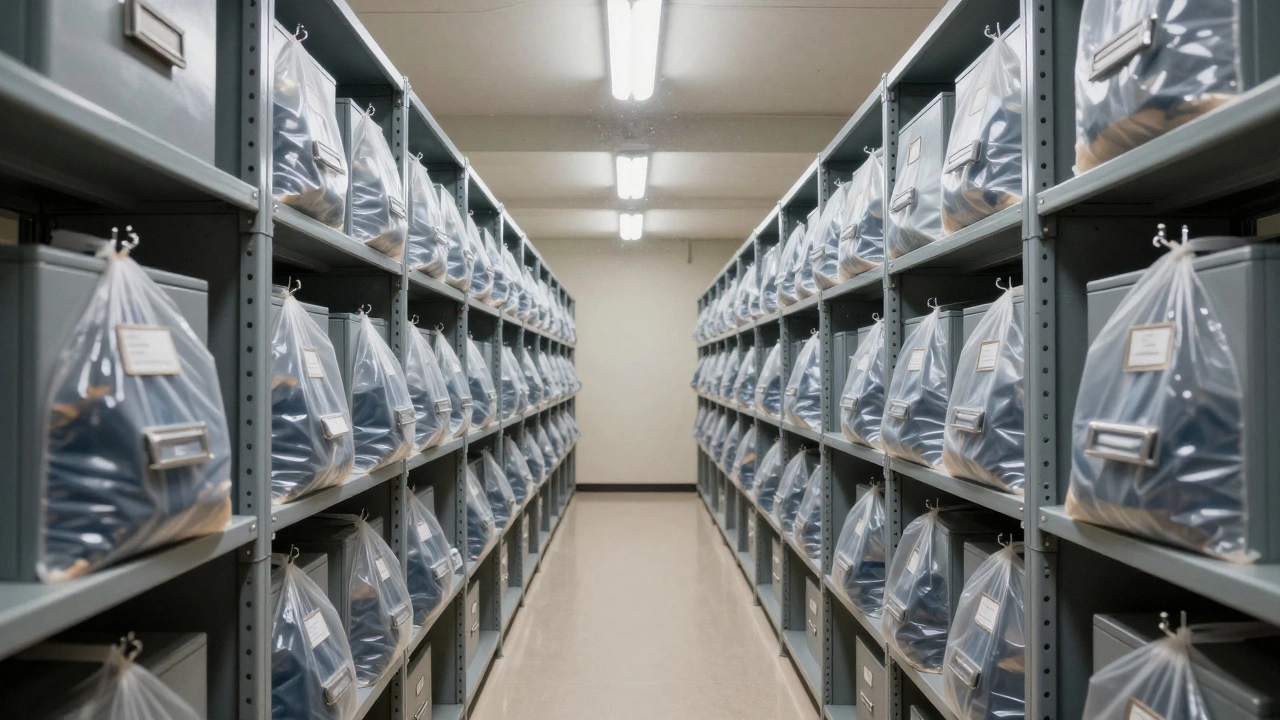
In my experience working around crime scenes in Portland, the question isn't just about whether an item was touched. It comes down to ownership rights, the current status of the prosecution, and specific legal statutes that dictate how long we can legally detain someone's stuff. We aren't just holding boxes; we are managing a chain of custody that transitions into a property release process. Understanding the difference between contraband and evidence is the first step in decoding why your property stays in the warehouse.
The Core Criteria for Releasing Evidence
Before any officer hands over a key, a vehicle, or a piece of jewelry, three main conditions must align. First, the requestor must establish lawful possession. This sounds obvious, but proving you own a stolen bike isn't always simple when the thief had registered it under their name. Second, the item must no longer serve a prosecutorial purpose. If the District Attorney plans to introduce the weapon into a trial next year, it cannot be released today. Third, the legal mechanism for return must be satisfied. This usually means a formal motion has been granted or a standard administrative review confirms the item is safe and unclaimed.
'Federal Rules of Criminal Procedure defines these boundaries explicitly. Under Rule 41, specifically the subdivision addressing motions to return property, the court has the final say if the seizure itself is disputed. This rule protects citizens from having their belongings locked away indefinitely without a judicial process. However, the reality on the ground is often driven by administrative guidelines rather than daily courtroom battles. Most agencies follow internal protocols based on these federal standards to streamline the workflow without needing a judge's signature for every single lost wallet found at a scene.
Distinguishing Between Contraband and Civil Property
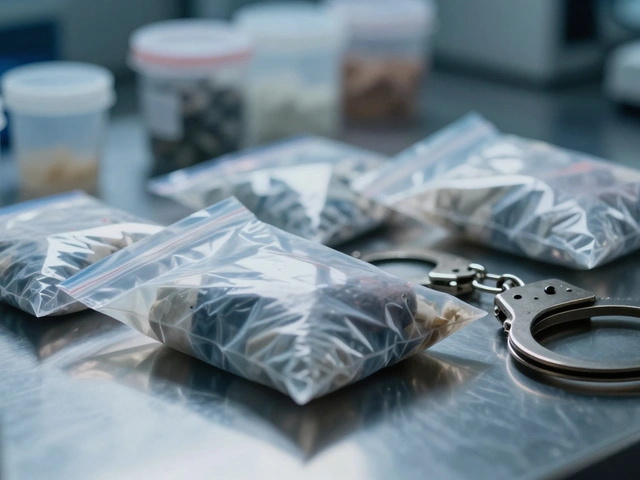
A major source of confusion lies in what qualifies for return. Contraband refers to items illegal to possess, such as certain drugs, unregistered firearms, or counterfeit goods. Even if these were seized during a search, they generally do not go back to the owner. Instead, they move through a destruction protocol or are retained for future analysis. This distinction prevents the paradox of returning illegal items to a suspect or victim simply because the paperwork is done.
On the other hand, civil property-like a TV used to commit fraud or a car driven during a robbery-belongs to the state temporarily only. Once the trial concludes, the logic shifts. Unless the item is forfeited to the government as part of a sentencing package, it belongs to the original owner. The challenge arises when ownership disputes exist. Did the suspect buy the house with drug money? Was the tool used to break in owned by the victim? These questions require detailed asset tracing before a release decision is made.
| Feature | Contraband | Civil Property |
|---|---|---|
| Definition | Items illegal to own | Items used in crime but legal otherwise |
| Return Status | Destroyed or Incinerated | Returned to lawful owner |
| Legal Basis | Suspect forfeiture | Federal Rule of Criminal Procedure 41 |

Local Procedures and Victim Assistance Protocols
Policies vary significantly depending on where you are. In Multnomah County, the process relies heavily on collaboration between law enforcement and victim advocacy groups. When a case closes, the assigned Deputy District Attorney plays a pivotal role. They can authorize the recovery of property held as evidence by signing a specific release form. This form acts as a green light for the evidence custodian to pull the item from storage and prepare it for pickup.
This administrative step protects everyone involved. It ensures the prosecutor didn't accidentally lose access to crucial proof while simultaneously preventing innocent citizens from chasing their belongings forever. Victim advocates are often the bridge here. They provide information on how to navigate the system, especially for families of deceased victims who may struggle with the bureaucracy. Without this intermediary, a bereaved family might not know that a ring or heirloom is sitting in a box waiting for authorization.
Standardized guides like the POST (Peace Officers Standards and Training) Law Enforcement Evidence and Property Management Guide set the baseline. These manuals recommend procedures for temporary release, diversion to official use, auctions, and destruction. While "temporary release" might sound risky, it's strictly controlled. An item might be loaned back to an owner for a specific event, then returned immediately after. However, permanent transfer is the goal for non-contraband items once the statute of limitations passes or the case concludes.

The Role of Digital and Physical Documentation
You won't get your phone back without paperwork. The shift toward digital evidence management has accelerated, but paper trails remain essential for accountability. A property disposition release form details exactly what is changing hands, including serial numbers and condition reports. This prevents claims later that "the phone wasn't working" when it leaves the station. If the device was damaged during collection, that needs documentation. If the police broke a seal, that needs noting.
For electronic assets, the stakes are higher. Copying data before destroying a hard drive, for instance, is a standard safeguard. We want the owner to have their music and photos back even if we keep the drive as potential storage space. The separation of data from hardware is becoming a common practice in modern investigations. This allows the physical object to be released quickly to a desperate owner while retaining the digital footprint for ongoing cyber-investigations.
Navigating Delays and Administrative Bottlenecks
Why does it take six months? Often, it isn't laziness; it's safety. If a suspect is charged with a violent felony, releasing their weapon poses a risk assessment issue. Officers and lawyers must weigh the danger of immediate release against the right to possess property. Additionally, lab backlogs create delays. If a DNA swab hasn't returned from the lab, the evidence is technically still "active" in the case file.
These timelines vary. In high-volume jurisdictions, backlog can stretch release times unnecessarily. Some departments have initiated "clean sweep" programs to identify cold-case evidence that no longer serves a purpose and expedite its return. This proactive management helps restore trust within the community. When residents see their property being handled respectfully and returned promptly upon closure, confidence in the system increases. Ignoring this step can lead to complaints and legal challenges that tie up the department further.
How do I initiate the process to get my property back?
You typically need to contact the investigating officer or the property clerk at the station where the report was filed. If the case is active, you may need to speak with the Victim Witness Coordinator to request a property release form authorized by the prosecutor's office.
Can I get my property back if I don't live in the jurisdiction anymore?
Yes, you can designate an agent or relative to pick up the items on your behalf using a power of attorney or written authorization letter. Shipping hazardous items directly to you is usually discouraged due to liability risks.
What happens if the item was stolen from me during the crime?
Stolen property recovered during investigation is prioritized for return to victims once it has been sufficiently photographed and tested. In many counties, victim property gets priority over suspect property.
Is there a time limit for claiming returned evidence?
Many agencies allow 90 days to 1 year for claim periods. After that, unclaimed property might be auctioned off or donated, and you would lose legal ownership rights to the specific physical items.
What if the evidence is destroyed before it gets returned?
If evidence is destroyed due to negligence or unauthorized disposal, the owner may have grounds for a civil lawsuit. Standard procedure requires notifying owners of destruction plans beforehand so they can petition to retrieve it.