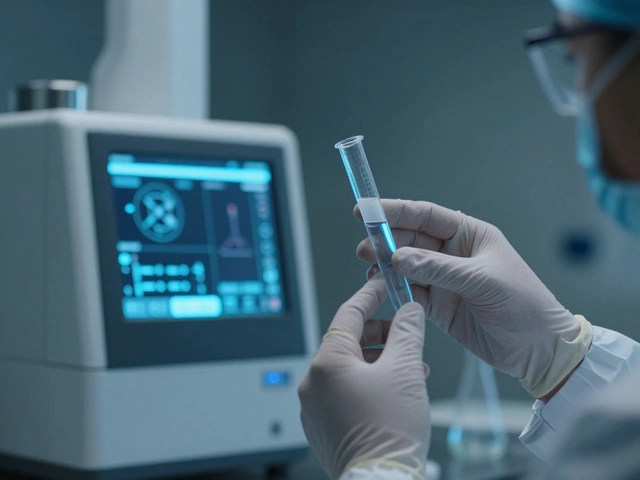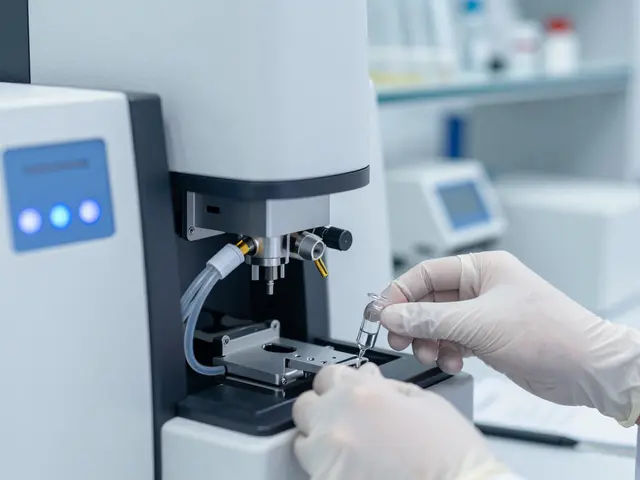
Imagine you are a field officer who just seized a bag of white powder. It smells like nail polish remover. Or maybe it’s a chunk of resin that makes your eyes water just looking at it. If you toss that into a standard paper envelope, you might lose half the sample before it hits the lab bench. This is where drug evidence packaging for volatile and odorous substances comes in. It isn’t just about keeping things dry; it’s about preserving chemical integrity so the lab can get an accurate read on what was actually there.
The core problem with these specific types of narcotics is that they don’t sit still. They evaporate, they degrade, and they smell intensely. If you use the wrong container, you aren’t just making a mess-you’re potentially destroying evidence or creating a safety hazard for the next person who handles it. Let’s break down exactly how to handle these tricky items without losing points on the case.
Why Standard Paper Bags Fail for Volatiles
You’ve probably been taught that paper bags are the gold standard for most drug evidence. And for stable solids like dried plant material or non-volatile powders, they are. Paper allows moisture to escape, which prevents mold. But for volatile compounds, paper is a leaky bucket.
Volatile substances have high vapor pressures. That means their molecules want to turn into gas and escape. When you put something like liquid methamphetamine or certain synthetic cannabinoids in a paper bag, the vapors pass right through the fibers. Within 24 hours, you could lose significant mass. In the lab, this leads to concentration errors. The analyst sees less drug than was originally present, which can skew potency calculations or even lead to false negatives if the sample degrades too much.
Then there’s the odor issue. Strong smells don’t just bother people; they interfere with detection dogs. K9 units rely on scent trails. If you store a potent, odorous substance in a porous container near other evidence, cross-contamination happens. One strong smell can mask another, rendering the dog’s work useless. So, while paper is great for stability against moisture, it fails on containment for volatiles and odor control.
The Right Containers: Glass vs. Plastic
So, what do we use instead? It depends on the specific chemical nature of the drug. Generally, you have two main options: glass vials and plastic containers, but not all plastics are created equal.
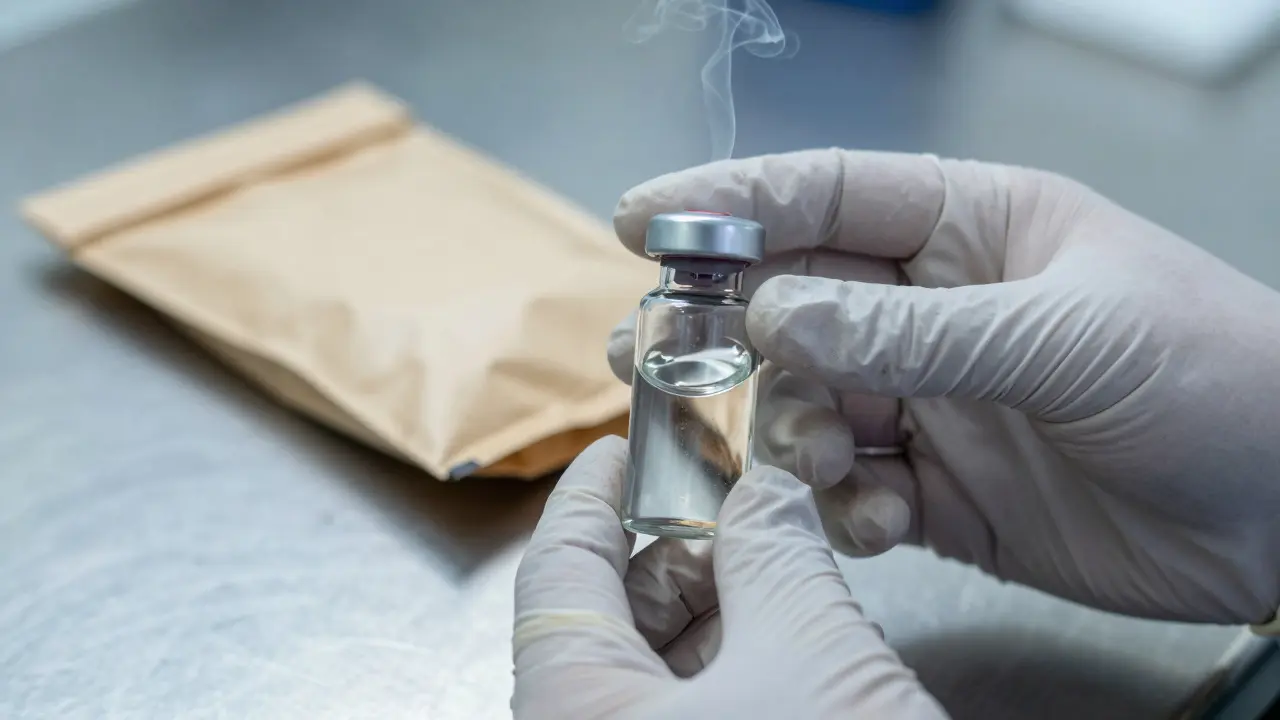
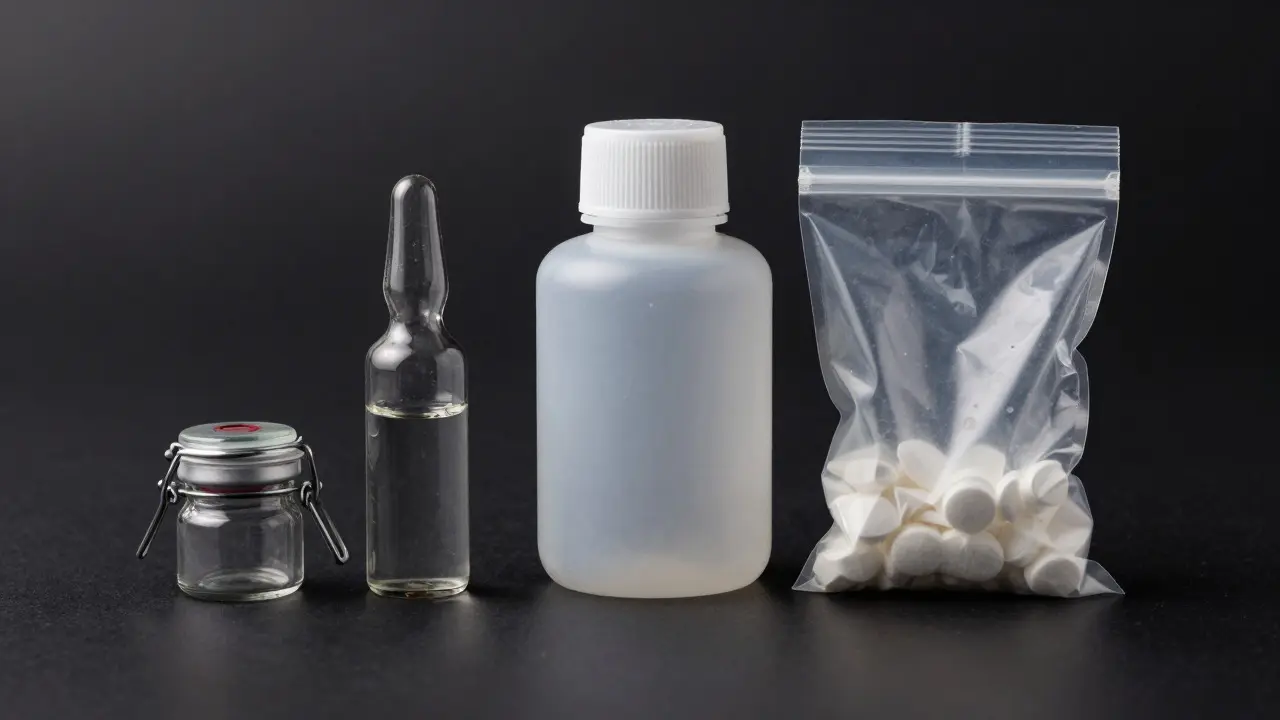
Glass Vials is the preferred container for most liquid and semi-solid volatile drugs because it is chemically inert and impermeable to vapors. Glass doesn’t absorb chemicals, so you get 100% of the sample back. It also withstands heat well, which matters if the evidence needs to be stored in a hot environment or if the lab uses heating techniques during analysis. However, glass breaks. If you’re transporting fragile vials in a patrol car, you need proper padding. A cracked vial means a spill, and a spill means lost evidence and potential contamination of your vehicle interior.
Plastic is lighter and unbreakable, but you have to pick the right type. Polyethylene (PE) is common, but it can interact with certain solvents. For highly volatile liquids, look for wide-mouth bottles with screw caps lined with PTFE (Teflon). The PTFE liner creates an airtight seal that prevents vapor loss. Never use containers with rubber stoppers for volatile organics. Rubber absorbs these chemicals, acting like a sponge. You’ll lose a portion of your evidence inside the stopper itself, and the rubber might leach additives into the sample, complicating the lab analysis.
| Container Type | Best For | Risk Factor | Odor Containment |
|---|---|---|---|
| Paper Bag | Stable solids, dried plants | Vapor loss, cross-contamination | Poor |
| Glass Vial (Crimp Seal) | Liquids, potent volatiles | Fragility, breakage | Excellent |
| Plastic Bottle (PTFE Lined) | Semi-solids, transport-heavy loads | Chemical interaction (rare) | Good |
| Rubber-Stoppered Bottle | Avoid for volatiles | Sample absorption, leaching | Moderate |
Managing Odor: Keeping the Scent Intact
Odor is actually part of the evidence. In many cases, the distinctive smell helps identify the substance before lab results come back. It also aids in K9 detection. Your job is to preserve that scent, not trap it so tightly that it becomes inaccessible, nor let it escape so fast that it disappears.
For extremely odorous substances, double-bagging is a pro tip. Place the primary container (like a glass vial) inside a secondary sealed plastic bag. This adds a layer of protection against leaks and keeps the immediate air around the primary container saturated with the scent, which helps if a K9 unit needs to sniff the outer package. Just make sure the secondary bag is made of a low-permeability plastic like polypropylene. Cheap grocery bags will let the scent bleed out over time.
Also, label everything clearly. Don’t just write "Meth." Write "Liquid Meth, High Volatility, Odor: Acetone-like." This alerts the next handler to be cautious. If someone opens that package expecting a solid powder and gets hit with a cloud of solvent vapor, they might panic and mishandle the rest of the evidence. Clear communication is part of safe packaging.
Chain of Custody: Documentation Matters
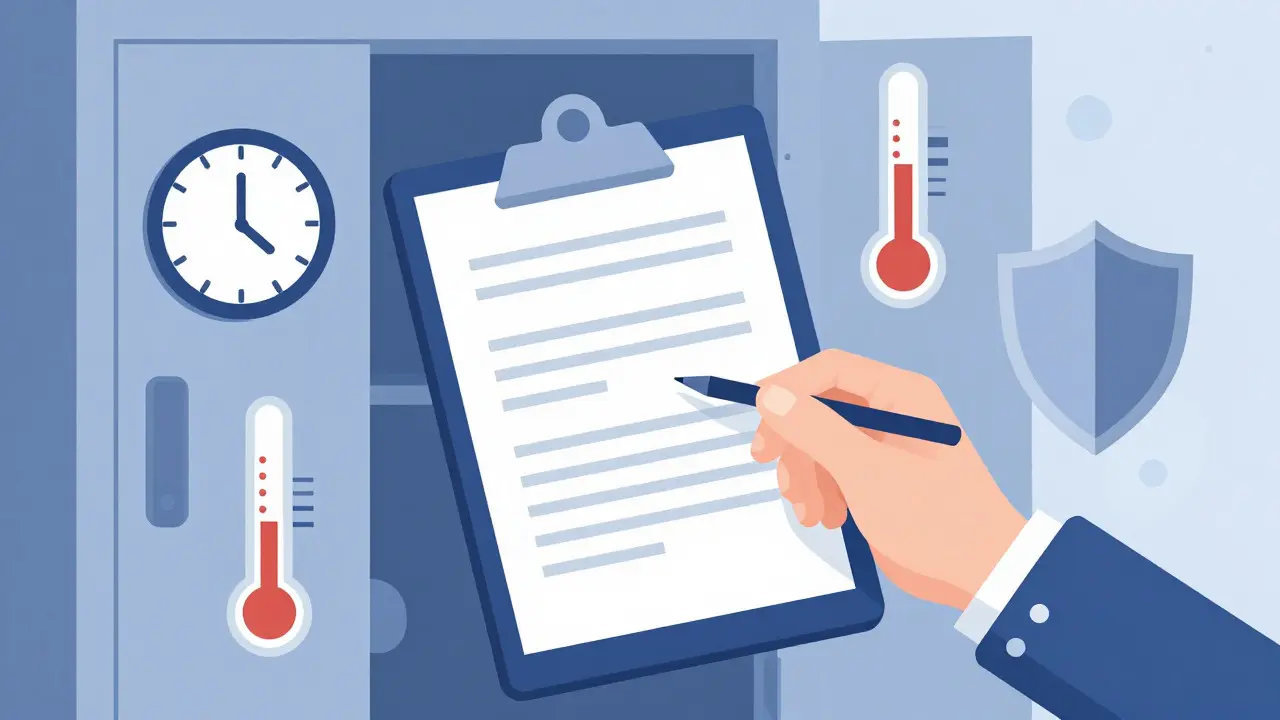
You can have the perfect container, but if your paperwork is sloppy, the evidence is worthless in court. When dealing with volatile substances, the chain of custody must note the specific handling conditions.
- Time of Seizure: Note the exact time. Volatiles start degrading immediately.
- Container Description: Specify "Glass vial with crimp seal" or "Plastic bottle with PTFE cap." Don’t just say "bottle."
- Storage Conditions: Did you store it in a cool place? In the trunk? In a climate-controlled locker? Temperature affects evaporation rates.
- Integrity Check: When transferring to the lab, note if the seal was intact. Any sign of leakage should be documented immediately.
Judges and defense attorneys love to poke holes in volatile evidence cases. They will ask, "How do we know the amount didn't change between seizure and analysis?" Your detailed notes on using impermeable containers and maintaining a cold chain (if applicable) are your best defense. It shows you took reasonable steps to preserve the status quo.
Common Pitfalls to Avoid
Even experienced officers make mistakes here. Here are the big ones to watch out for:
- Using Ziploc Bags for Liquids: Unless it’s a heavy-duty freezer bag, standard ziplocks aren’t rated for long-term vapor containment. The zipper mechanism is a weak point for leaks.
- Overfilling Containers: Leave headspace. If you fill a vial to the brim, temperature changes can cause pressure buildup and rupture. Aim for 80-90% full max.
- Ignoring Solvent Residue: If the drug came in a bottle with residual solvent, keep that solvent. It’s part of the total drug quantity calculation. Package it separately but link it in the documentation.
- Storing Near Heat Sources: Keep volatile evidence away from heaters, direct sunlight, or hot engine compartments. Heat accelerates evaporation and degradation.
Another subtle mistake is mixing different types of volatiles in the same secondary storage bin. If you have one batch of acetone-smelling liquid and another with a fruity odor, keep them separated. Cross-contamination of odors can confuse analysts and K9 units later on. Use individual secondary bags for each unique item.
Preparation for Lab Analysis
Your goal isn’t just to store the drug; it’s to hand it off to the lab in a state where they can analyze it easily. Labs prefer samples that are clean, labeled, and contained in standard sizes. If you can, try to match the container size to the expected sample volume. A tiny drop of liquid in a huge jug is hard to work with. A large chunk of resin in a tiny vial might not fit the lid.
If the substance is sticky or viscous, consider freezing it temporarily before packaging. Some labs accept frozen samples for certain compounds. This solidifies the drug, making it easier to transfer without dripping. Just ensure the container is rated for freezing temperatures so it doesn’t crack. Label it "Frozen" so the lab knows not to thaw it until they are ready to weigh it.
Finally, think about the end user. The analyst wants to know exactly what they are getting. A clear, unambiguous description of the physical state (liquid, gel, crystal) and the container type saves them time. They don’t want to guess if that dark stain on the outside of the bag is residue from the drug or just dirt. Cleanliness and clarity are key.
Frequently Asked Questions
Can I use a mason jar for volatile drug evidence?
Yes, provided it has a tight-sealing lid. Mason jars are glass and inert, making them suitable for liquids. Ensure the gasket is intact and not degraded by the chemicals. It’s better than a paper bag, but a purpose-made lab vial is superior for long-term storage.
How long does volatile evidence stay stable in a paper bag?
It varies by compound, but significant loss can occur within 24-48 hours. For highly volatile substances like certain solvents or liquid amphetamines, paper bags are generally considered inadequate for long-term preservation. Switch to glass or sealed plastic immediately.
Does the smell of the evidence matter for legal admissibility?
While the smell itself isn't the primary proof, its preservation supports the chain of custody. If the distinct odor disappears due to poor packaging, the defense may argue that the sample was altered or degraded. Maintaining the odor helps corroborate visual identification and K9 results.
What is the best way to transport broken glass vials?
Place the broken pieces and any remaining liquid into a larger, rigid container like a metal can or a thick-walled plastic tub. Add absorbent material (like vermiculite or kitty litter) to soak up spills. Seal the container tightly and label it "Broken Glass - Caution." Do not use thin plastic bags as they can puncture.
Should I freeze all volatile drugs before packaging?
Not necessarily. Freezing is helpful for very sticky or liquid samples to solidify them for easier handling. However, some compounds may crystallize or change form when frozen, which could complicate analysis. Always check with your local lab protocol. If unsure, room temperature storage in a sealed glass vial is usually the safest default.