You can have the most damning DNA match in history, but if the chain of custody has a gap larger than your thumbprint, that evidence is worthless. It doesn’t matter if the lab tech was brilliant or if the suspect confessed on tape. If you can’t prove exactly who held the item, when they held it, and under what conditions, a defense attorney will shred it before lunch.
This isn’t just bureaucratic red tape. It’s the backbone of scientific reliability in the courtroom. When evidence changes hands-from the crime scene officer to the transport driver, from the intake clerk to the analyst-the risk of contamination, loss, or tampering spikes. Every single handoff is a potential failure point. The goal here is simple: maintain an unbroken, verifiable record of possession so that the evidence remains legally admissible and scientifically valid.
Why Handoffs Are High-Risk Moments
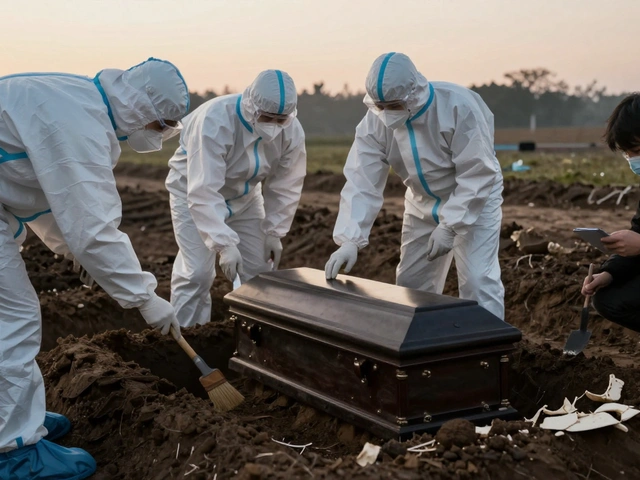
Think about how many times a piece of evidence moves during a serious investigation. A blood swab goes from a technician’s kit to a paper bag, then to a sealed envelope, then into a transport box, then scanned into a database, then pulled out for testing, then returned to storage. Each transition introduces variables. Did the seal hold? Was the temperature controlled? Did someone sign the logbook, or did they just nod at their colleague?
The biggest mistake people make is assuming that "everyone knows" where the evidence is. They don’t. Memory is fallible, especially months later when you’re testifying. If Officer Smith moved the gun from locker A to locker B and didn’t write it down, that’s a break in the chain. Even if nothing bad happened to the gun, the lack of documentation creates reasonable doubt. Did it get swapped? Did it sit in a hot car for three days? You can’t answer those questions without a paper trail.
Integrity isn’t just about preventing theft; it’s about preserving the state of the item. If a biological sample degrades because it wasn’t refrigerated during a transfer, the DNA profile might be unusable. That’s not tampering-that’s negligence born from poor process management. But in court, negligence looks a lot like incompetence, which kills credibility.
The Core Components of a Solid Chain of Custody
To keep things tight, you need more than just a signature. You need a system that captures specific data points every time an item moves. This is often referred to as the EAV model (Entity-Attribute-Value) in digital systems, but in practice, it means recording:
- Who: The full name and badge number of the person releasing and receiving the item.
- What: A unique identifier (case number, item number) and a physical description.
- When: Exact date and time, down to the minute if possible.
- Where: The specific location of transfer (e.g., "Evidence Room 3," "Vehicle 402").
- Condition: The state of the packaging upon receipt (intact, broken, wet, etc.).
If any of these are missing, the link is weak. For example, signing a logbook with just initials is risky. Initials can be forged or confused. Full names reduce ambiguity. Similarly, noting "received" without checking the seal condition means you’re accepting responsibility for something you haven’t verified yet. Always inspect before you sign.
Physical Transfers: Best Practices for Field and Lab
Let’s look at the actual mechanics of moving evidence. Whether you’re a first responder or a lab manager, the rules change slightly depending on the context, but the principles remain the same.
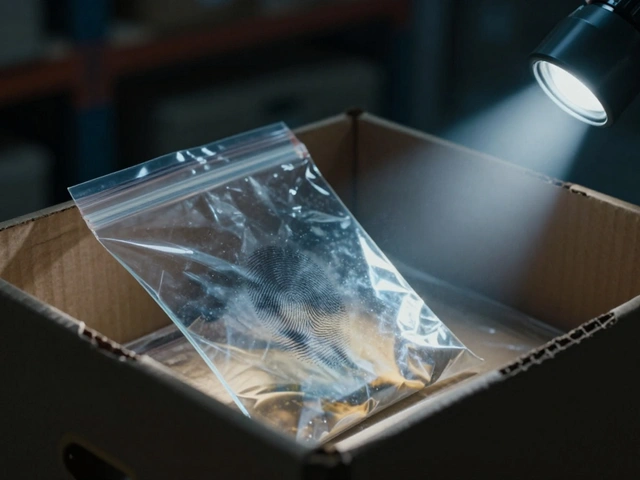
In the field, collection is the first link. Use tamper-evident bags. These aren’t just fancy plastic; they have adhesive strips that show visible residue if opened. Once sealed, the collector signs across the seal. This prevents anyone from opening the bag without leaving proof. Never reuse a bag. If a bag tears, place the entire original bag inside a new one and document the repair.
| Method | Security Level | Documentation Risk | Best For |
|---|---|---|---|
| Direct Handoff | High | Low (if logged) | Critical items, high-value assets |
| Secure Locker Drop | Medium | Medium (requires scan/log) | Bulk items, routine submissions |
| Third-Party Courier | Variable | High (tracking gaps) | Long-distance transfers, specialized labs |
When transporting evidence, never leave it unattended in a vehicle unless it’s in a locked trunk and you’re nearby. Ideally, use a dedicated evidence transport case that locks. If you’re using a courier service, ensure they provide GPS tracking and require signatures at both ends. Don’t assume a package left at a front desk is secure. Front desks are public spaces. Get a named recipient.
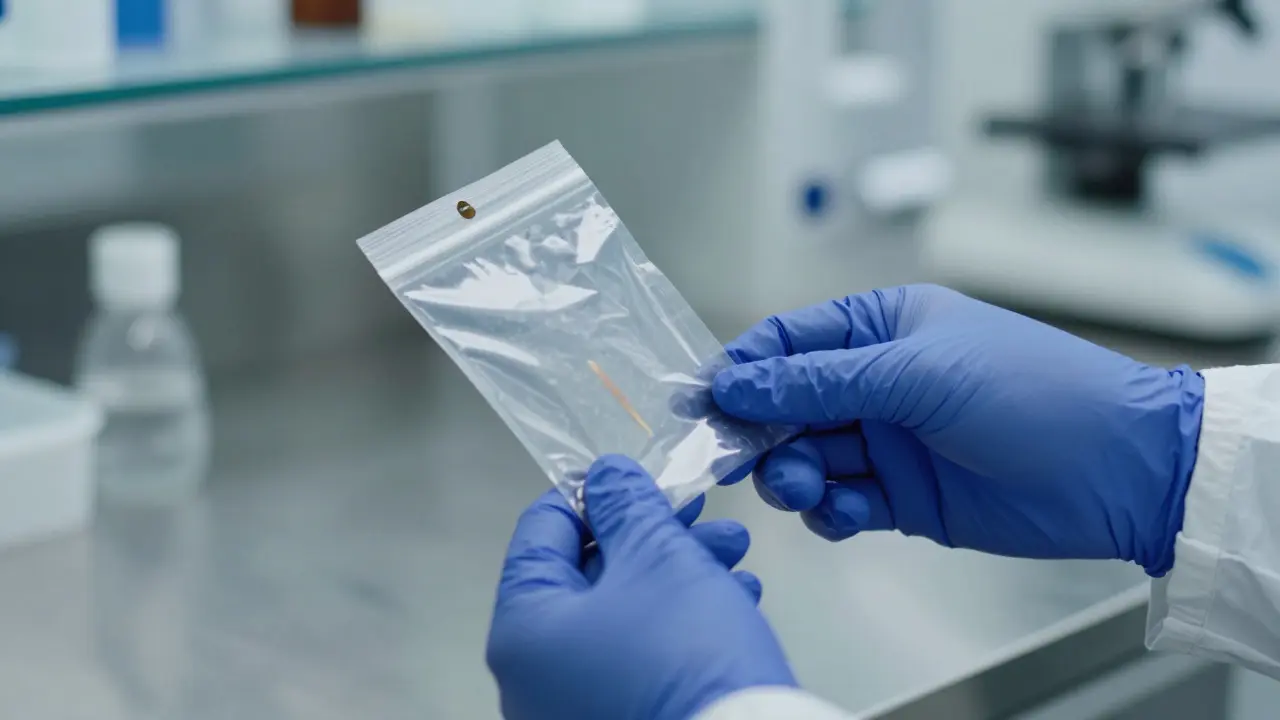
At the laboratory intake, the scrutiny increases. Intake clerks should verify that the case number on the submission form matches the label on the evidence. Mismatches are common-transposed numbers happen. Catching this early saves weeks of confusion later. Also, check for biohazard labels. If a sample is marked as potentially infectious, it needs specific handling protocols immediately, not after it’s been shelved next to standard firearms.
Digital Evidence and Metadata Integrity
It’s 2026. Physical items are only half the battle. Digital evidence-phone backups, server logs, CCTV footage-poses unique challenges because it’s easy to copy and hard to distinguish from the original. Here, the chain of custody relies heavily on metadata and hashing.
A hash value is a digital fingerprint generated by an algorithm (like SHA-256). If even one bit of the file changes, the hash changes completely. When you acquire a digital image of a hard drive, you generate a hash. Every time you pass that file to another analyst, they recalculate the hash. If it matches, the file hasn’t changed. If it doesn’t, someone edited it, corrupted it, or copied it incorrectly.
Documenting digital transfers requires logging the source device, the acquisition tool used (e.g., FTK Imager, EnCase), the operator’s name, and the resulting hash values. Storing files on a shared network drive without access controls is a recipe for disaster. Who deleted that folder? Who renamed the video file? Without audit logs enabled on the server, you’ll never know. Enable version control and read-only permissions wherever possible.
Common Pitfalls That Break the Chain
Even experienced professionals slip up. Here are the most frequent ways chains break, along with how to fix them.
1. The "I’ll do it later" Log Entry. People often handle evidence and promise to fill out the paperwork later. Then they forget, or they rush through it from memory. By the time they sit down, details are fuzzy. Rule: Log it immediately. If you pick it up, you write it down. No exceptions.
2. Incomplete Signatures. Signing with a smiley face or a scribble helps no one. Use consistent formats. If you’re using electronic signatures, ensure the system captures the user ID, timestamp, and IP address. A digital signature must be tied to a specific individual, not a generic login shared by a team.
3. Mixing Up Item Numbers. In large cases with hundreds of items, it’s easy to swap tags. If Item 1A is labeled as 1B, the wrong analysis gets done. Double-check tags against the master inventory list before transferring. Use barcode scanners where available-they eliminate human transcription errors.
4. Ignoring Environmental Conditions. Biological samples degrade. Fire debris accelerants evaporate. If you leave a vial of ethanol on a sunny windowsill, the concentration changes. Document temperature and humidity if required by protocol. If a sample arrives warm, note it. It might affect the interpretation of results.
Legal Standards and Admissibility
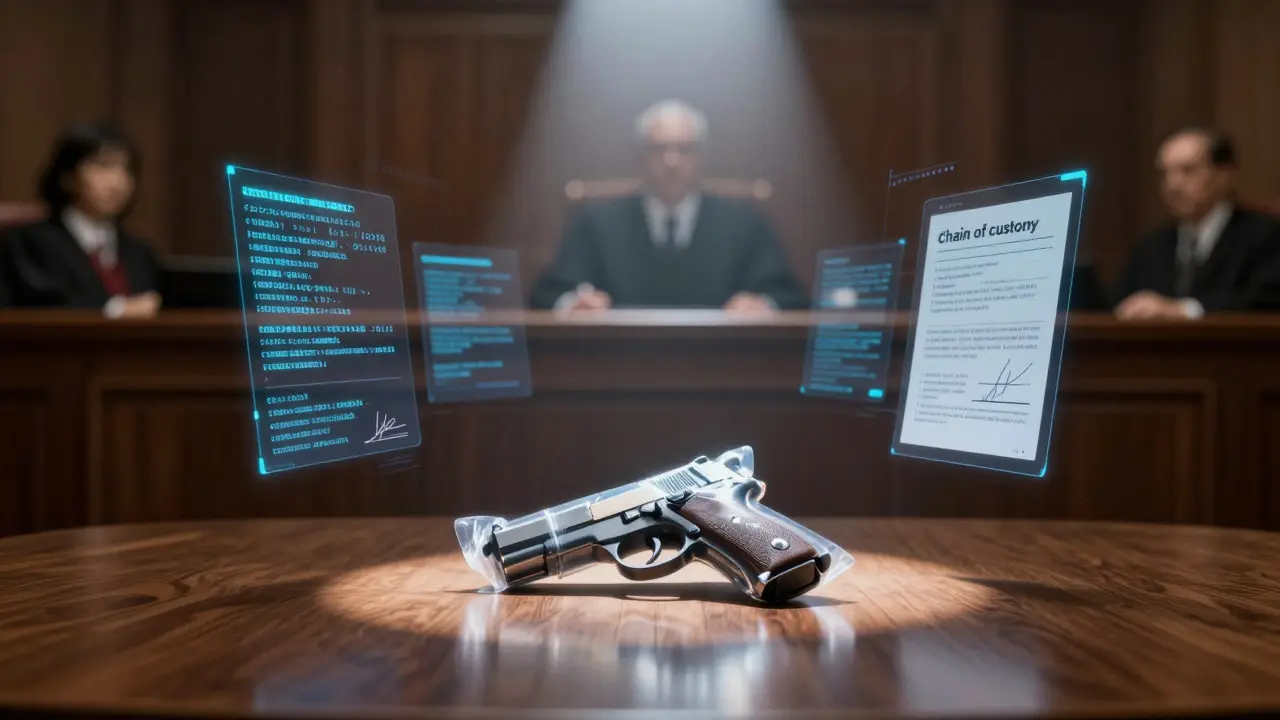
Why does all this matter? Because judges decide what juries see. Under the Federal Rules of Evidence (and similar state codes), evidence must be authenticated. The proponent of the evidence must show that it is what it claims to be. A solid chain of custody is the primary method of authentication.
If the chain is broken, the judge has two options: exclude the evidence entirely or allow it but let the jury weigh the flaws. Exclusion happens when the break is significant-like a missing day in the log or a broken seal with no explanation. Minor errors, like a misspelled name, might just lead to cross-examination questions. But why risk exclusion? Do it right the first time.
Defense attorneys love finding gaps. They won’t argue that you stole the gun; they’ll argue that you lost it, or that someone else touched it, or that it sat in a puddle. Your job is to close those doors with meticulous documentation.
Technology Solutions for Modern Custody Management
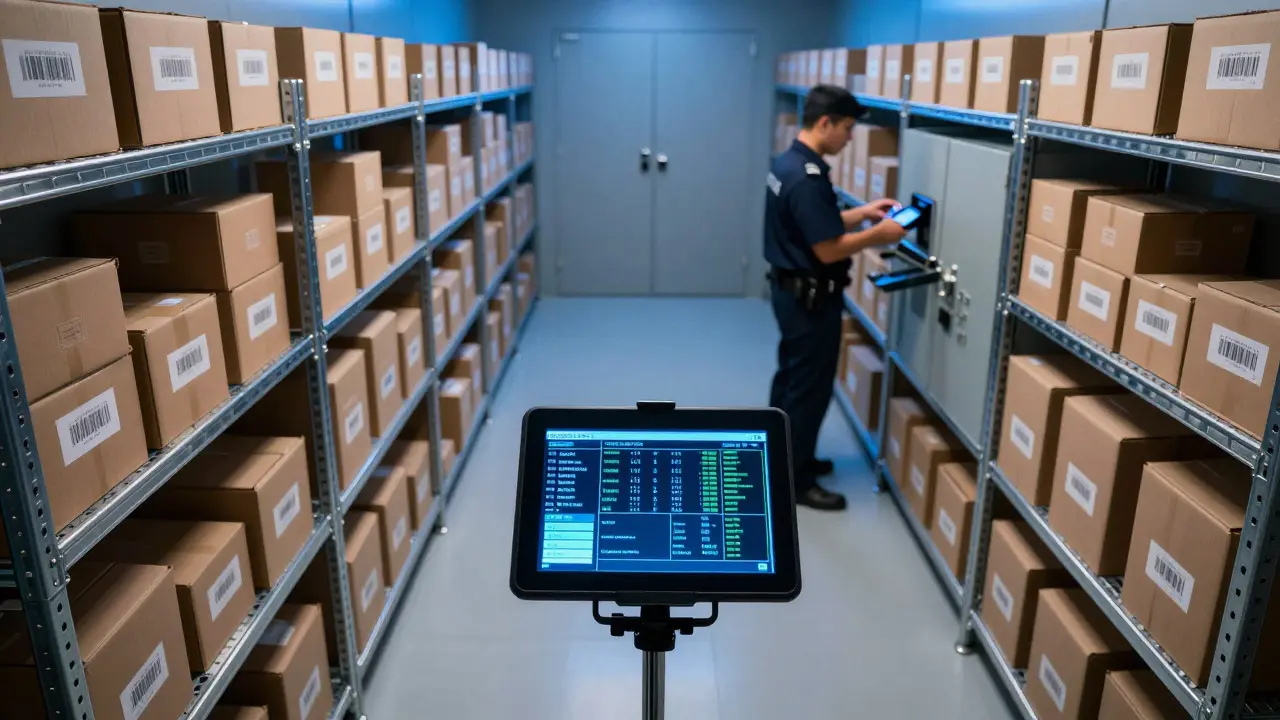
Paper logs are fading out for good reason. They’re slow, prone to loss, and hard to search. Modern Evidence Management Systems (EMS) offer real-time tracking. These platforms integrate with barcodes and RFID tags. When an item is scanned, the system automatically records the time, user, and location. No manual entry means fewer typos.
Look for systems that offer role-based access control. Not everyone needs to see every case. Limiting access reduces the chance of accidental mishandling. Some advanced systems also track environmental sensors in storage rooms, alerting managers if temperatures drop outside safe ranges. This proactive approach protects integrity before damage occurs.
However, technology isn’t a magic bullet. If your staff bypasses the scanner and just drops items on a shelf, the software is useless. Process adherence matters more than the tool itself. Train your team on why the scan matters, not just how to do it.
Checklist for a Perfect Transfer
Before you hand over or receive evidence, run through this quick mental checklist:
- Verify Identity: Is the person handing/receiving authorized?
- Inspect Packaging: Are seals intact? Is the container appropriate for the material?
- Match Labels: Does the case/item number match the log?
- Record Details: Date, time, names, locations, conditions.
- Sign Off: Both parties sign (or e-sign) simultaneously.
- Update System: Ensure the digital record reflects the physical move immediately.
If you skip step 2, you’re liable for whatever’s inside. If you skip step 6, you’ve created a ghost item-one that exists physically but not digitally. Ghost items cause chaos during audits.
Frequently Asked Questions
What happens if there is a gap in the chain of custody?
If there is an unexplained gap in the timeline or possession, the evidence may be deemed inadmissible. The judge will evaluate whether the gap raises reasonable doubts about tampering or alteration. Sometimes, if the gap is minor and explained (e.g., "the officer was writing a report and the item was in his locked car"), the evidence might still be admitted, but its weight could be reduced.
Can electronic signatures replace handwritten ones?
Yes, provided the electronic signature system meets legal standards for authenticity and non-repudiation. The system must uniquely identify the signer, capture the intent to sign, and associate the signature with the document. It should also prevent subsequent alterations to the signed record without detection.
How long should we retain chain of custody records?
Retention periods vary by jurisdiction and case type. Generally, records must be kept as long as the case is active, plus the appeal period. In capital cases or cases involving DNA, retention might extend decades. Check local statutes and departmental policies. When in doubt, err on the side of longer retention.
Does breaking the seal always invalidate the evidence?
Not necessarily. If a seal is broken for legitimate reasons (e.g., initial inspection by a supervisor), it must be documented, resealed with a new tamper-evident seal, and signed by the person who broke it. The key is transparency and continuity of documentation. An undocumented broken seal is problematic; a documented one is manageable.
Who is responsible for maintaining the chain of custody?
Everyone who touches the evidence. From the first responder who collects it to the final analyst who tests it, each custodian is responsible for documenting their possession. However, the ultimate accountability usually lies with the agency holding the evidence (police department, prosecutor's office, or lab).