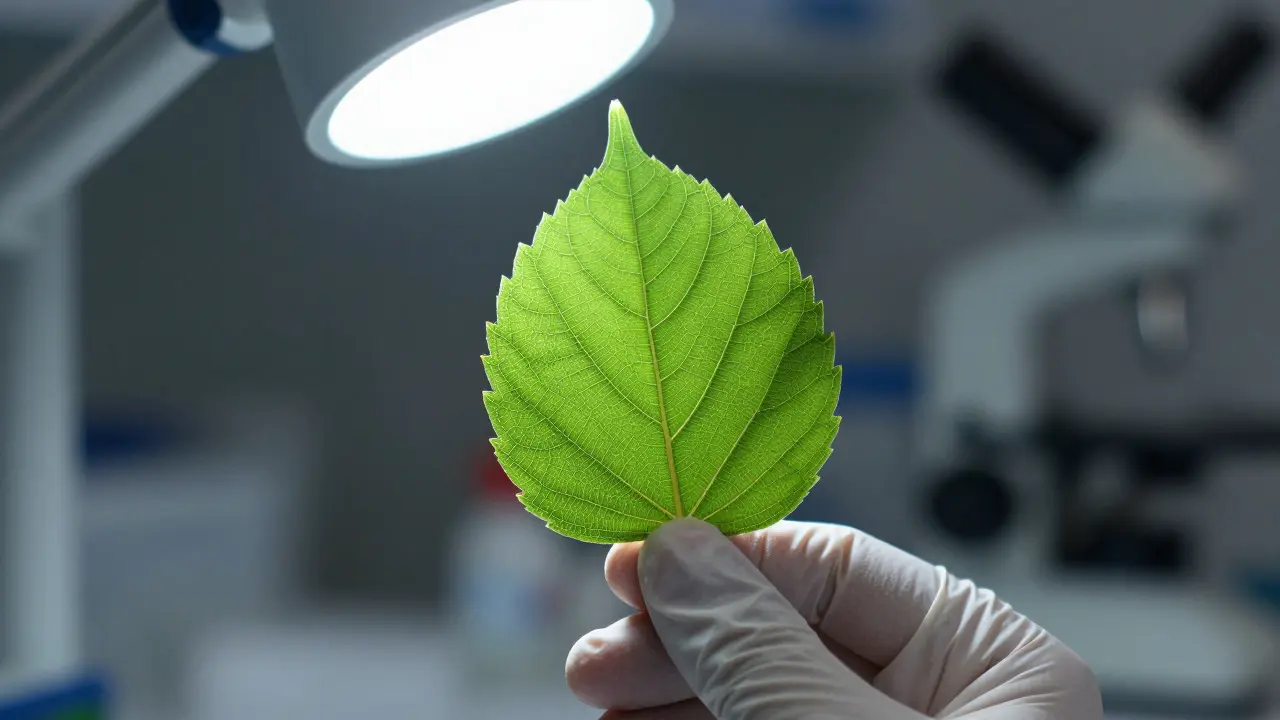
Imagine finding a single leaf stuck to a suspect's shoe. It looks harmless, right? But in the hands of a forensic botanist, that leaf can place a person at a crime scene with precision that GPS sometimes struggles to match. Vegetation evidence is one of the most overlooked yet powerful tools in criminal investigation. It doesn't just tell you *what* kind of plant was there; it tells you *where* and *when* someone was, often linking suspects to locations they tried to hide.
This isn't about guessing based on general knowledge of trees. It's about microscopic details, genetic fingerprints, and chemical signatures that are unique to specific environments. Whether it's a blade of grass, a piece of bark, or a cloud of pollen, plants leave behind clues that rarely lie. Let's break down how investigators use these organic materials to build a case.
The Core of Forensic Botany
Forensic botany is the application of botanical science to legal cases, using plant parts to establish presence, movement, or time of death. This field sits at the intersection of biology and law enforcement. Unlike fingerprinting, which relies on human uniqueness, vegetation evidence relies on environmental specificity. Every ecosystem has a distinct "flora fingerprint." If a suspect claims they were in a city park but their jacket is covered in pine needles from a nearby forest, the story falls apart immediately.
Investigators typically look for three types of plant material: macroscopic (visible to the naked eye), microscopic (requiring magnification), and molecular (DNA-based). Each serves a different purpose. Macroscopic evidence like twigs or leaves provides immediate visual context. Microscopic evidence, such as spores or hairs, offers higher specificity. Molecular evidence, or plant DNA, allows for identification down to the species level, even when the plant is crushed or decomposed.
Pollen: The Invisible Witness
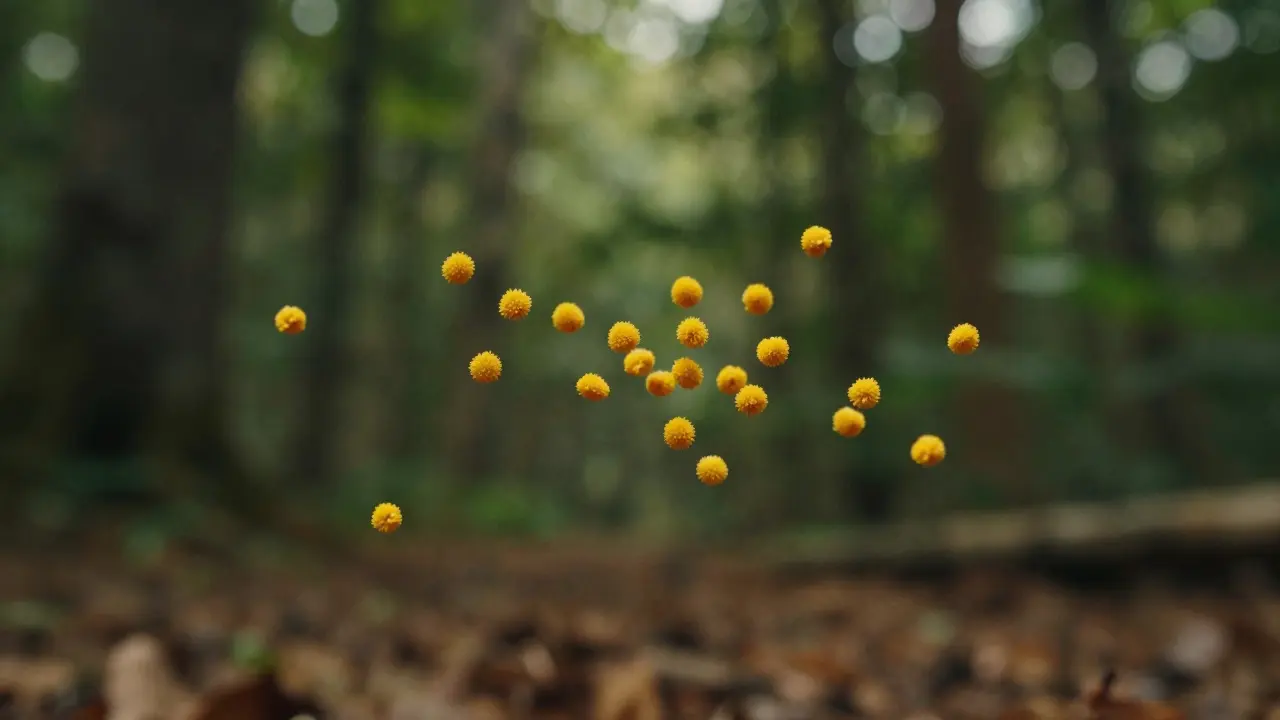
If you want to know where someone has been recently, check their clothes for pollen. Pollen grains are microscopic reproductive structures produced by plants that are highly durable and resistant to decay. These tiny particles are incredibly sticky and travel through the air, settling on clothing, hair, and skin. Because pollen production varies by season and location, analyzing a sample can pinpoint a geographic area within a few kilometers.
For example, if a body is found in a suburban neighborhood dominated by oak trees, but the victim's lungs contain high concentrations of ragweed pollen-a plant common in rural fields hundreds of miles away-it suggests the victim spent significant time elsewhere before dying. Pollen analysis is particularly useful in cases involving outdoor crimes, such as murders in parks or forests, where other physical evidence might be washed away by rain.
DNA Profiling: Identifying Species with Precision
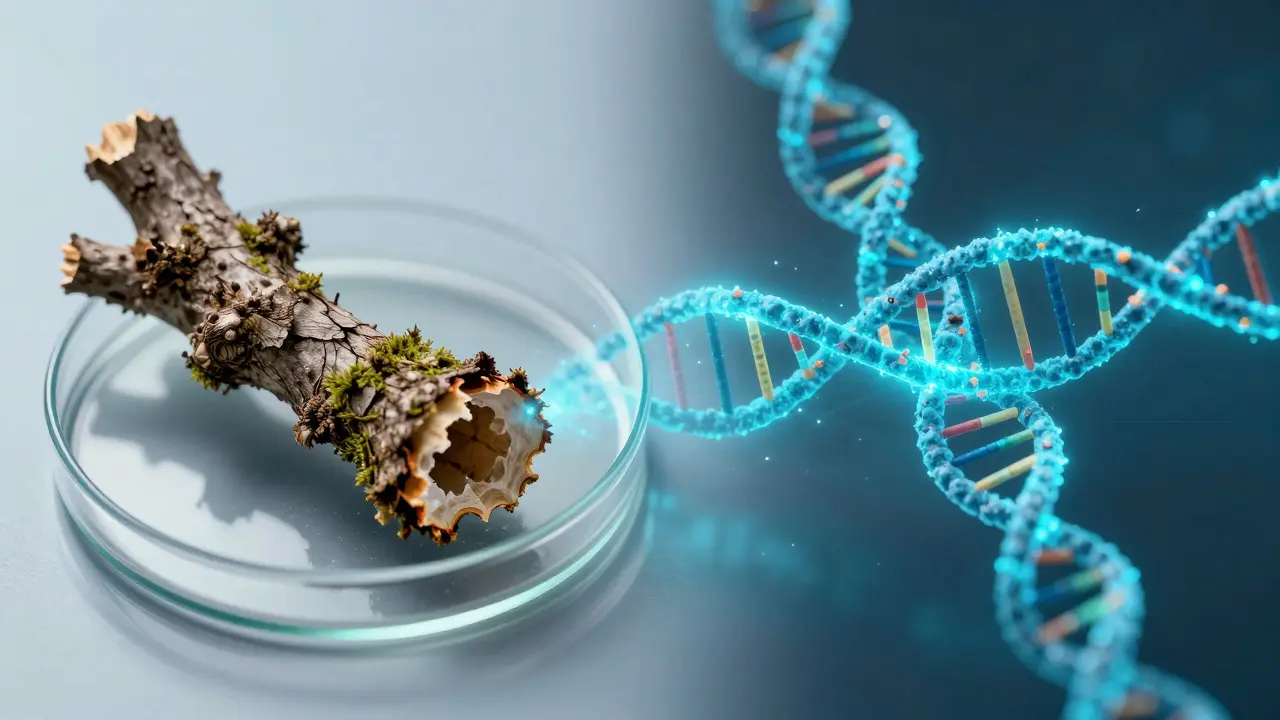
Visual identification has its limits. A leaf fragment might look like an oak, but is it a white oak or a red oak? They look similar, but they grow in slightly different soil conditions and habitats. This is where Plant DNA profiling comes in. By extracting genetic material from plant cells, scientists can compare sequences to reference databases to identify the exact species.
This technique is crucial when dealing with degraded samples. Even if a twig is rotting, the DNA inside may still be intact. In 2019, a UK investigation used plant DNA to link a suspect to a crime scene by identifying a specific type of moss found only in a particular wooded area near the suspect's home. This level of detail helps exclude innocent people who might have visited a general area but not the specific spot where the crime occurred.
Macroscopic Evidence: Leaves, Bark, and Seeds
Not all evidence needs a microscope. Large plant parts are often the first things noticed during a scene inspection. Investigators collect leaves, bark fragments, seeds, and flowers to compare them with samples taken from the suspect's vehicle, clothing, or shoes.
- Leaves: Vein patterns, leaf margins, and stomata (pores) are unique identifiers. Even partial leaves can be matched to a specific tree if enough tissue remains.
- Bark: Texture and color vary by species and age. Scrapes from a car bumper can reveal bark chips that match a tree damaged at the scene.
- Seeds: Dispersal mechanisms matter. Some seeds stick to fur or fabric (like burrs), while others fall naturally. Finding a seed type that doesn't belong to the local flora can indicate transport from another location.
These items are compared using standard taxonomic keys and digital imaging software. The goal is to show that the plant material on the suspect is not just similar to the scene, but identical in structure and composition.
Challenges and Limitations
While powerful, vegetation evidence isn't perfect. Environmental factors can complicate analysis. Wind and rain can disperse pollen over long distances, making precise location mapping harder. Similarly, birds and insects can carry seeds across regions, blurring geographic boundaries.
Another challenge is the lack of standardized reference collections. While human DNA has massive global databases, plant DNA references are less comprehensive, especially for non-commercial species. This means that in some cases, investigators must build a local reference library, which takes time and resources. Additionally, contamination is a risk. Since plants are everywhere, ensuring that evidence collected at the scene hasn't been mixed with background vegetation requires strict chain-of-custody protocols.
| Evidence Type | Identification Method | Geographic Specificity | Decay Resistance |
|---|---|---|---|
| Pollen Grains | Microscopy, DNA | High (Regional) | Very High |
| Leaf Fragments | Morphology, DNA | Medium (Local) | Moderate |
| Wood/Bark Chips | Morphology, Density | Low-Medium | High |
| Seeds | Morphology, DNA | Variable | High |
Best Practices for Collection
To ensure vegetation evidence holds up in court, collection methods must be meticulous. Here are the key steps investigators follow:
- Document First: Photograph the item in situ before touching it. Note the height off the ground and surrounding vegetation.
- Use Clean Tools: Use fresh tweezers and sterile containers for each sample to prevent cross-contamination.
Collect background samples from nearby areas to distinguish between transferred evidence and ambient deposition. - Packaging: Place dried plant material in paper bags, not plastic, to prevent mold growth. Keep wet samples refrigerated if possible.
- Chain of Custody: Log every transfer of the evidence. Any gap in the record can weaken the case.
Proper packaging is critical. Plastic traps moisture, leading to fungal growth that can destroy DNA. Paper allows airflow, preserving the integrity of the sample for later laboratory analysis.
Frequently Asked Questions
How old can plant evidence be and still be usable?
Pollen grains can remain viable for decades due to their tough exine wall. Leaf fragments may degrade within months depending on climate, but DNA can often be recovered from dried or mummified plant tissue for several years. Wood and bark are the most durable, lasting centuries without significant loss of structural identity.
Can vegetation evidence prove guilt on its own?
Rarely. It is usually corroborative evidence. It places a suspect in a specific environment or links objects together, but it doesn't prove intent. However, when combined with witness testimony or CCTV footage, it becomes a very strong component of a prosecution case.
What is the difference between forensic botany and archaeobotany?
Forensic botany applies plant science to modern legal cases, focusing on recent events. Archaeobotany studies ancient plant remains to understand historical diets, agriculture, and climates. While both use similar techniques, the timeframe and legal context differ significantly.
Why is pollen so effective for geographic profiling?
Pollen zones are distinct. Different plant communities produce different pollen mixes. By analyzing the ratio of various pollen types in a sample, experts can map the likely origin of the sample to a specific landscape type, such as a coastal dune, a temperate forest, or an urban garden.
Do all police departments have access to forensic botanists?
No. Most small agencies contract out this work to state crime labs or university departments. Major metropolitan labs may have dedicated forensic botany units, but specialized expertise is often shared across regions due to the niche nature of the skill set.