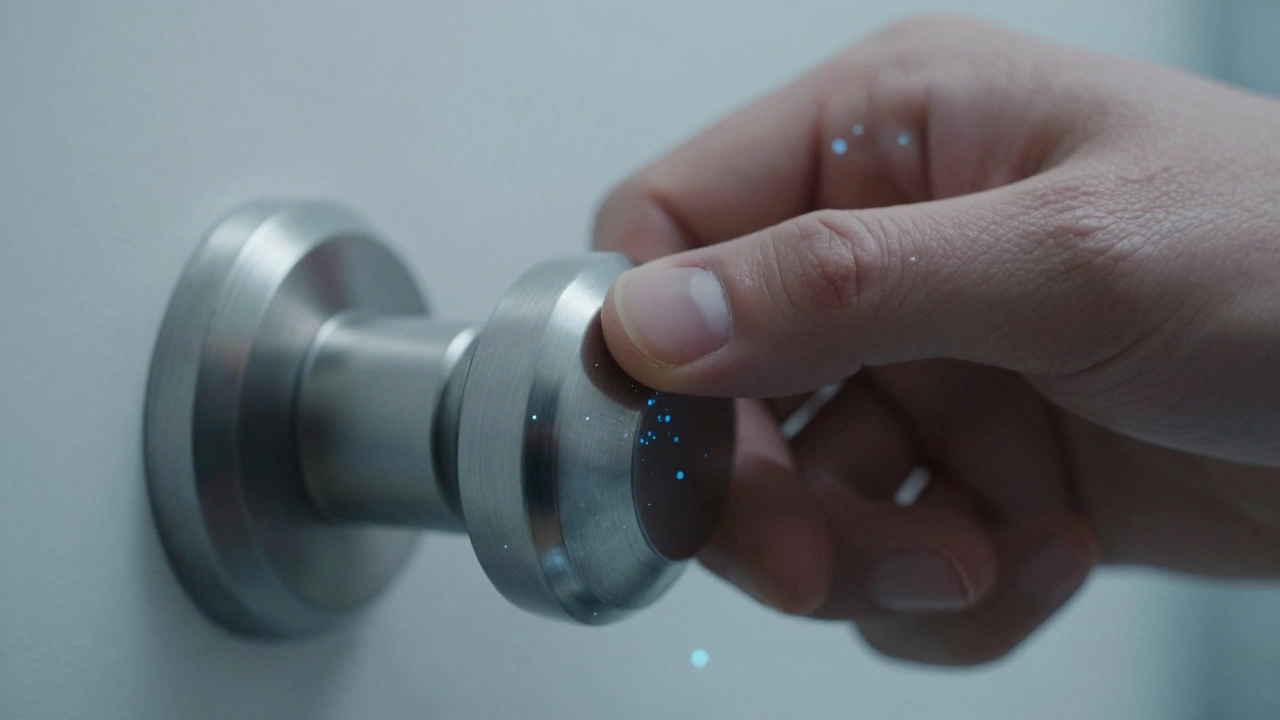
You touch a doorknob. You pick up a glass. You brush against a car door handle. In seconds, you leave behind invisible traces of yourself-skin cells, sweat, and oil. This is Touch DNA, also known as trace DNA or contact DNA. Unlike blood or semen, which provide robust genetic samples, touch DNA consists of microscopic amounts of genetic material, often fewer than 100 picograms. For forensic investigators, this tiny amount is both a breakthrough and a nightmare. It allows them to link suspects to crime scenes with minimal physical interaction, but it also introduces massive challenges in recovery, interpretation, and reliability.
If you are working in law enforcement or forensic science, understanding the nuances of touch DNA is no longer optional-it is essential. The technology has advanced rapidly since its introduction in the early 2000s, yet many fundamental questions remain about how much DNA is enough, how long it lasts, and whether a match truly proves contact. Let’s break down the reality of collecting and analyzing touch DNA, separating the hype from the hard science.
The Reality of Trace DNA Recovery
When we talk about touch DNA, we are talking about low-template DNA (LT-DNA). These samples contain so little genetic material that they require significant amplification using Polymerase Chain Reaction (PCR) techniques to generate a usable profile. The problem? Amplification doesn’t just boost the signal; it boosts the noise. Artifacts, dropouts, and stochastic effects become common, making the resulting profile messy and difficult to interpret.
Consider the difference between a standard DNA sample and a touch sample. A standard sample might have millions of copies of each genetic marker. A touch sample might have only a few dozen. When you amplify those few dozen copies, random errors can skew the results. One allele might amplify strongly while another drops out entirely, creating a partial profile that looks nothing like the donor’s true genotype. This is why low-template DNA analysis requires specialized protocols and extreme caution.
Despite these challenges, touch DNA has revolutionized investigations. It has solved cases where no other biological evidence existed. But it has also led to wrongful accusations when secondary transfer was misunderstood. Understanding the limits of recovery is the first step toward responsible use.
Collection Strategies: Swabs vs. Tape vs. Direct Submission
How you collect touch DNA matters just as much as how you analyze it. There is no one-size-fits-all method, but research points to clear winners and losers depending on the surface type.
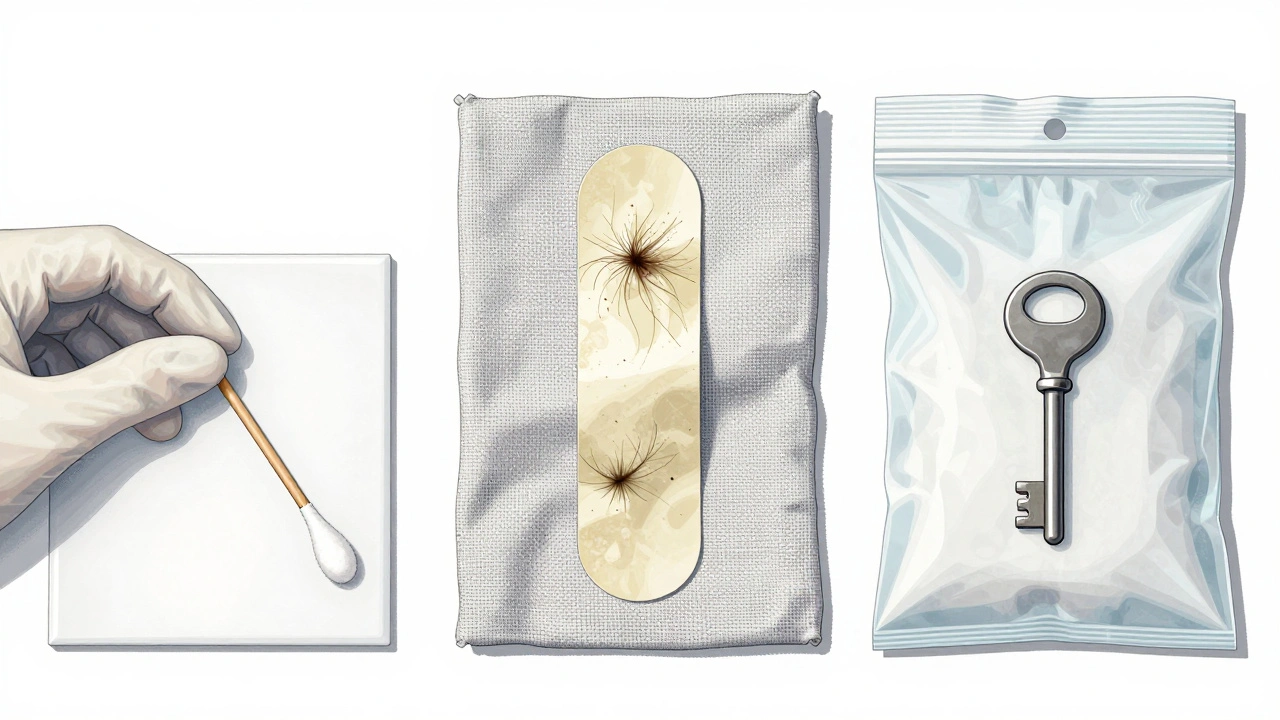
The Single-Swab Method: Recent studies suggest that the single-swab technique is more efficient for DNA recovery across a wide variety of surfaces compared to double-swabbing. Double-swabbing was once thought to increase yield by capturing residual DNA, but it often damages delicate surfaces and yields diminishing returns. In some cases, it actually reduces recovery rates because the second swab picks up less material than expected.
Tape-Lifting Techniques: Adhesive tape lifting works well for certain surfaces, particularly porous materials like fabric. However, it falls short on non-porous surfaces like metal or plastic. Tape-lifting also complicates downstream extraction processes, as the DNA must be removed from the adhesive before amplification. This extra step increases the risk of contamination and loss.
Direct Submission: For small items like keys, pens, or weapon grips, submitting the entire object directly to the lab is often the best approach. This eliminates the risk of incomplete sampling and allows laboratory technicians to target specific areas for extraction. For soft tissues or large fabric items, direct cutting may be necessary to ensure sufficient material is collected.
| Method | Best For | Limitations | Efficiency Rating |
|---|---|---|---|
| Single-Swab | General surfaces, plastics, metals | May miss uneven deposits | High |
| Double-Swab | Large flat surfaces | Damages surfaces, lower yield | Moderate |
| Tape-Lifting | Fabric, porous materials | Complex extraction, poor on metals | Variable |
| Direct Submission | Small objects, weapons | Logistical constraints | Highest |
Surface Types and DNA Stability
Not all surfaces hold DNA equally. The material composition of an object plays a critical role in how much DNA is transferred and how long it remains recoverable.
Fabrics and Cotton: Historically, fabrics were considered excellent DNA collectors due to their ability to trap skin cells. However, recent findings challenge this assumption. While cotton does retain DNA well, it also degrades quickly under environmental stressors like moisture and heat. Moreover, the complex fiber structure can interfere with extraction efficiency.
Stainless Steel: Surprisingly, stainless steel objects may yield better success for obtaining DNA compared to fabric surfaces. Steel provides a stable environment for DNA preservation, especially indoors. Studies show that touch DNA on steel remains highly stable over time, except when exposed to UV light. This makes steel surfaces ideal for long-term evidence storage if handled properly.
Glass and Plastic: These non-porous surfaces present moderate challenges. They do not absorb DNA, meaning the material sits on top rather than embedding into fibers. This can make collection easier but also increases the risk of accidental removal during handling.
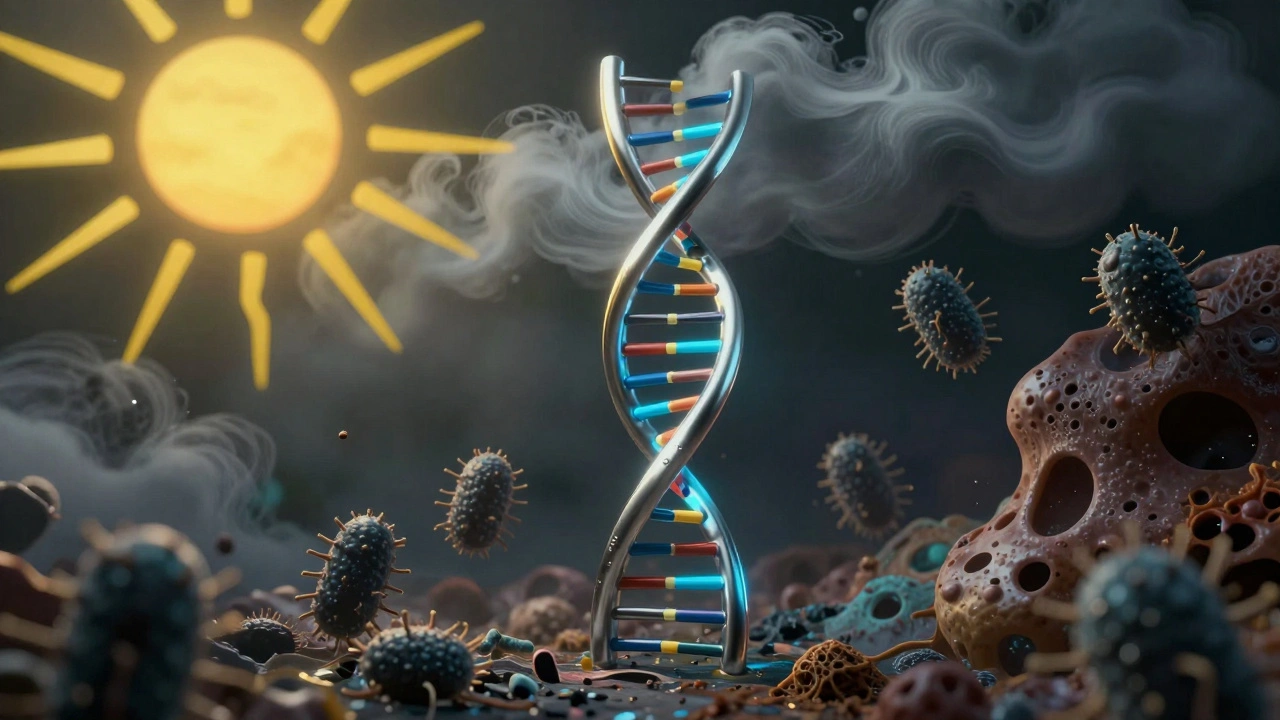
Environmental conditions further complicate stability. Cool, dry indoor environments preserve DNA far better than hot, humid outdoor settings. Sunlight, particularly UV radiation, causes rapid degradation. Bacteria and mold also break down genetic material over time. If an item has been sitting outside in the rain for days, don’t expect a full profile.
Contact Parameters: Pressure, Friction, and Duration
The way someone touches an object determines how much DNA they leave behind. A light brush leaves almost nothing. A firm grip with friction transfers significantly more material. Research shows that DNA deposition increases proportionally with pressure and friction intensity.
This means that items requiring forceful handling-like steering wheels, gun grips, or heavy tools-are more likely to yield usable profiles. Conversely, casual contacts-such as briefly touching a counter or passing a note-may leave insufficient DNA for analysis.
Duration also matters. Prolonged contact allows more skin cells to shed onto the surface. Short, fleeting interactions rarely produce enough material for a complete profile. Investigators should prioritize items that required sustained interaction with the suspect.
Mixed Profiles and Interpretation Challenges
One of the biggest hurdles in touch DNA analysis is dealing with mixed profiles. Most real-world items have been touched by multiple people, resulting in DNA from two, three, or even more contributors. Untangling these mixtures is incredibly difficult.
Probabilistic Genotyping Software: Tools like STRmix and TrueAllele attempt to resolve complex mixtures using statistical algorithms. These programs calculate the likelihood that a particular individual contributed to the mixture based on peak heights and allele frequencies. While powerful, they are not infallible.
Critics argue that probabilistic genotyping relies heavily on assumptions rather than hard data. A strong match produced by software may rest on flawed input parameters or biased models. Additionally, as the number of contributors increases beyond three, interpretation becomes increasingly subjective. Labs must exercise extreme caution when presenting probabilistic results in court.
Another issue is the lack of standardization across laboratories. Different labs use different thresholds for interpreting low-template DNA. Identical samples tested in two separate facilities might produce conflicting conclusions. This inconsistency undermines confidence in touch DNA evidence and creates vulnerabilities during cross-examination.
Contamination Risks and Secondary Transfer
Crime scenes are not sterile laboratories. Every person who enters a scene-from first responders to detectives to cleanup crews-potentially introduces foreign DNA. Because touch DNA samples are so small, even minor contamination can alter results dramatically.
Secondary Transfer: This occurs when DNA moves from one person to another via an intermediary object. For example, Person A shakes hands with Person B, who then touches a knife. Later, Person C touches the same knife. DNA from Person A could end up on the knife without ever directly contacting it. This phenomenon contributes substantially to the potential for wrongful accusations.
To mitigate contamination risks, investigators should follow strict chain-of-custody procedures. Wear gloves at all times. Avoid touching evidence unnecessarily. Submit only the most promising items to the lab to reduce backlog and minimize exposure to contaminants.
Best Practices for Forensic Professionals
If you’re collecting touch DNA evidence, here’s what you need to know:
- Prioritize Quality Over Quantity: Don’t submit every item you find. Focus on objects that required significant contact, such as weapons, vehicles, or personal belongings.
- Use Single-Swab Technique: Unless dealing with large fabric surfaces, stick to single-swab collection for maximum efficiency.
- Avoid Double-Swabbing: It rarely improves yield and often damages evidence.
- Submit Small Items Directly: Keys, pens, and similar objects should go straight to the lab without swabbing.
- Control Environmental Exposure: Store evidence in cool, dry conditions away from sunlight and humidity.
- Document Contact History: Note who handled the item and when. This helps contextualize mixed profiles later.
- Be Transparent About Limitations: Acknowledge the possibility of secondary transfer and partial profiles when presenting findings.
Errors in targeting and gathering relevant samples significantly reduce the likelihood of obtaining valuable DNA profiles. Careful planning and execution are crucial.
Future Advancements and Research Needs
While touch DNA technology has improved dramatically, there’s still room for growth. The National Institute of Justice continues to fund research into DNA persistence on various surfaces under different environmental conditions. Key areas of focus include:
- Developing more sensitive extraction methods for degraded samples.
- Improving probabilistic genotyping algorithms to reduce bias.
- Standardizing interpretation guidelines across laboratories.
- Understanding the impact of novel surfaces (e.g., synthetic materials, coatings) on DNA recovery.
As technology evolves, so too will our ability to extract meaningful information from trace amounts of DNA. But until then, forensic professionals must remain cautious, transparent, and diligent in their work.
What is touch DNA evidence?
Touch DNA refers to minute quantities of genetic material transferred through skin-to-surface contact. It includes skin cells, sweat, and oils left behind after brief physical interaction with an object. Unlike traditional DNA sources like blood or saliva, touch DNA contains extremely small amounts of genetic material, often requiring significant amplification for analysis.
How long does touch DNA last on surfaces?
The longevity of touch DNA depends on environmental conditions. In cool, dry indoor environments, DNA can remain detectable for weeks or months. However, exposure to heat, humidity, sunlight (especially UV light), bacteria, and mold accelerates degradation. Stainless steel surfaces tend to preserve DNA better than fabric or porous materials.
Can touch DNA prove someone touched an object?
Not necessarily. Touch DNA can indicate that a person’s genetic material is present on an object, but it cannot always confirm direct contact. Secondary transfer-where DNA moves indirectly through intermediaries-can result in false associations. Therefore, touch DNA should be interpreted alongside other contextual evidence.
What are the main limitations of touch DNA analysis?
Key limitations include low template quantity leading to incomplete profiles, high susceptibility to contamination, difficulty interpreting mixed profiles from multiple contributors, variability in collection methods, and lack of standardized interpretation guidelines across laboratories. Probabilistic genotyping tools help address some issues but introduce new uncertainties.
Which collection method is best for touch DNA?
Research suggests that the single-swab method is generally more efficient for DNA recovery across diverse surfaces compared to double-swabbing. For small items like keys or weapons, direct submission to the lab is preferred. Tape-lifting works well for fabrics but performs poorly on metals and plastics.
Why are mixed DNA profiles problematic?
Mixed profiles occur when DNA from multiple individuals is found on the same item. Interpreting these mixtures becomes increasingly difficult as the number of contributors rises. With three or more contributors, attribution to a specific suspect becomes highly subjective, increasing the risk of misinterpretation and erroneous conclusions.
How can contamination be minimized during touch DNA collection?
Minimizing contamination involves wearing gloves, avoiding unnecessary handling of evidence, maintaining strict chain-of-custody protocols, and limiting the number of people accessing the crime scene. Laboratories should also implement rigorous quality control measures to prevent cross-contamination between samples.
Is touch DNA reliable in court?
Touch DNA can be admissible in court, but its reliability depends on proper collection, analysis, and interpretation. Courts scrutinize touch DNA evidence closely due to concerns about contamination, secondary transfer, and subjective interpretation. Presenting clear documentation of procedures and acknowledging limitations strengthens credibility.