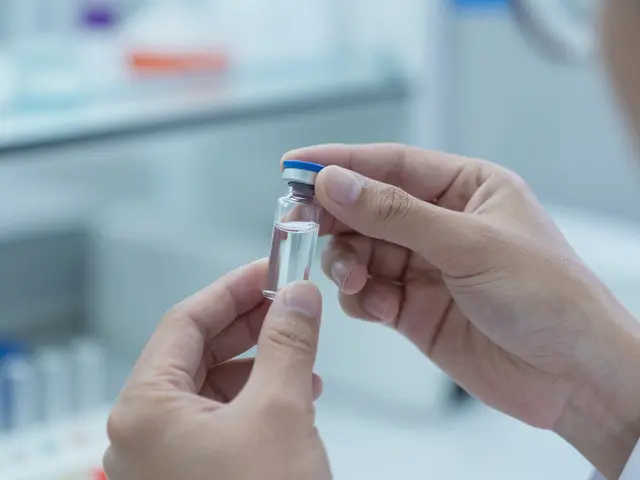
Working in a lab isn't just about getting the results right; it's about making sure you go home healthy. When you're dealing with human blood or other potentially infectious materials, the stakes are high. A single needle stick or a splash in the eye can lead to life-altering infections. That's why bloodborne pathogen protocols aren't just bureaucratic red tape-they are the literal line of defense between a researcher and a chronic illness.
If you're prepping for lab accreditation or just setting up a new workstation, you need to know that these rules aren't suggestions. They are mandated by federal law to prevent the transmission of dangerous agents. Whether you're a seasoned PI or a first-year grad student, understanding the intersection of regulatory standards and daily habits is what keeps a facility safe.
The Core Essentials of BBP Safety
At the heart of everything is the OSHA Occupational Safety and Health Administration standard 29 CFR 1910.1030. This is the gold standard for occupational exposure. Its main goal is to stop the spread of viruses like HIV, Hepatitis B Virus (HBV), and Hepatitis C Virus (HCV). If your work involves human blood, tissues, or bodily fluids, this regulation applies to you.
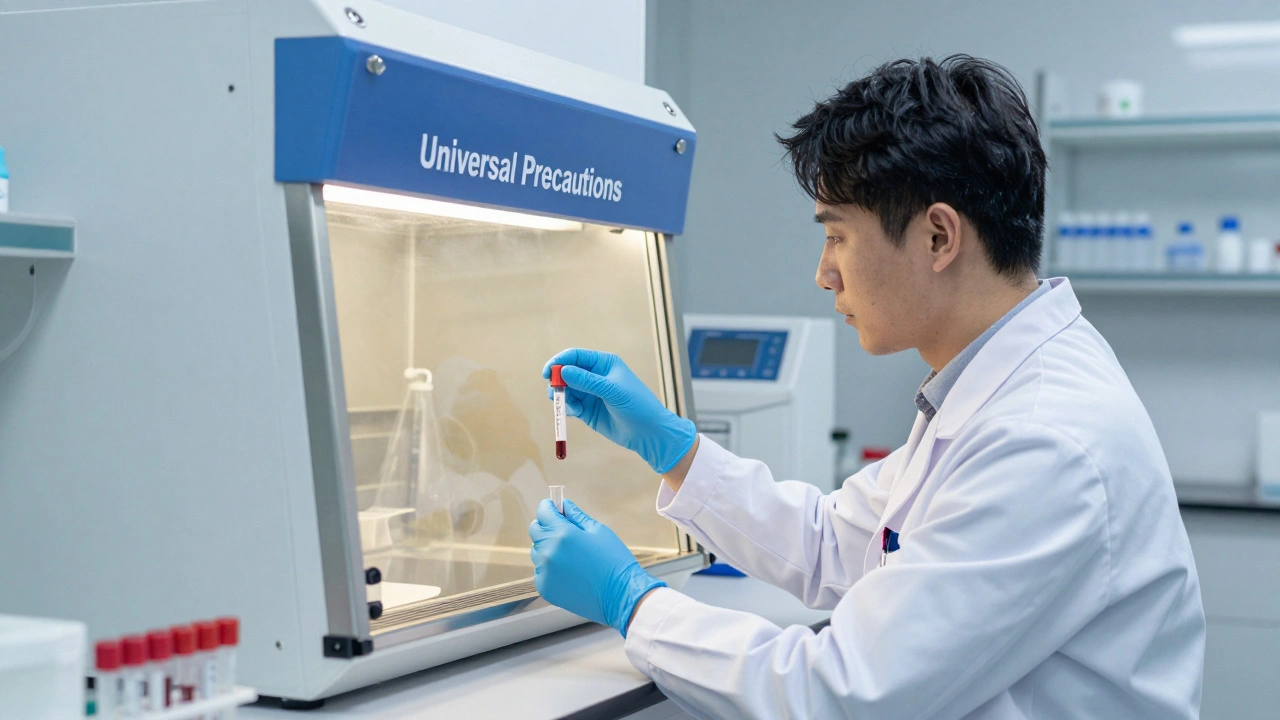
To make this work in the real world, labs use Universal Precautions. The logic is simple: treat every single sample as if it is infectious. You don't guess based on the patient's history or the sample label. By applying the same rigorous standards to every tube and swab, you remove the risk of human error or unknown infection status.
| Standard/Guideline | Primary Focus | Key Requirement |
|---|---|---|
| OSHA 29 CFR 1910.1030 | Worker Protection | Exposure Control Plans & Vaccinations |
| BMBL 6th Edition | Lab Containment | BSL-2 practices for human cells |
| CAL/OSHA Title 8 | Infection Control | Universal Precautions implementation |
Building an Exposure Control Plan
You can't just tell your staff to "be careful." You need a written Exposure Control Plan (ECP). This document is your roadmap for safety. It identifies exactly where the risks are in your lab-like during centrifuging or pipetting-and explains how to neutralize them. Without a written plan, you're not just risking safety; you're risking a massive fine during an audit.
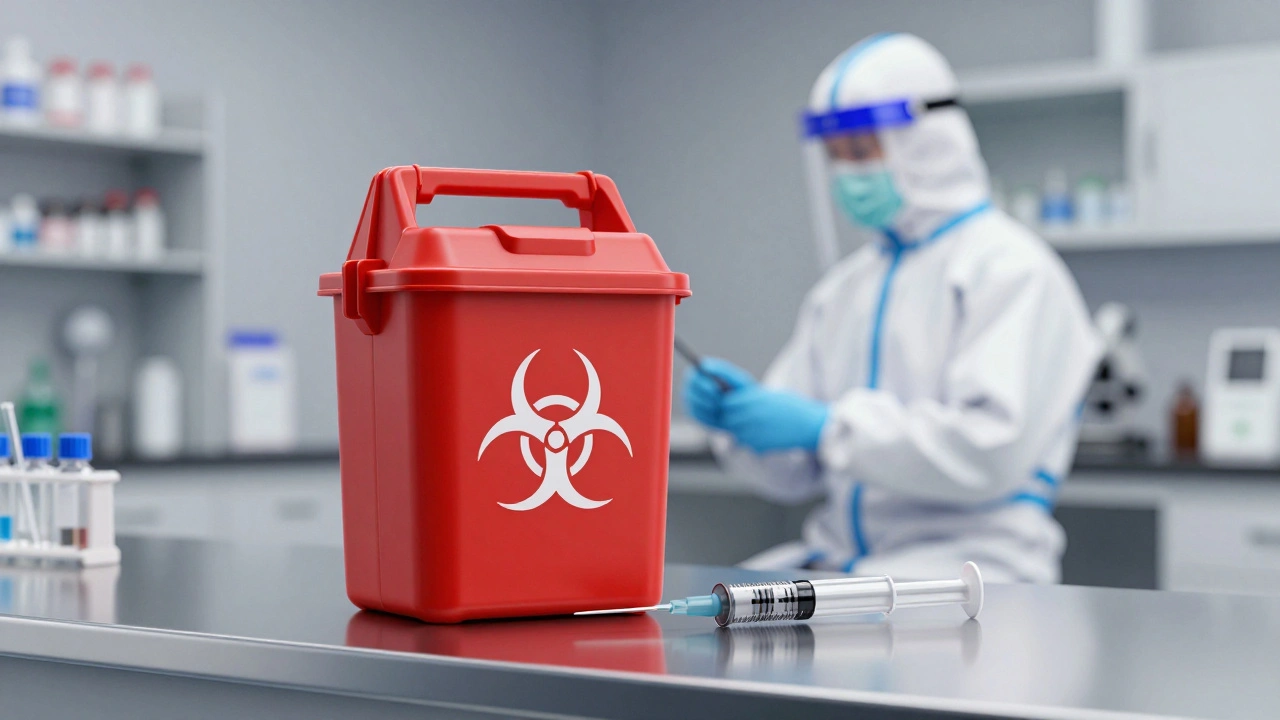
A solid ECP focuses on a hierarchy of controls. First, try to eliminate the hazard. If you can't, use engineering controls. Think of things like sharps containers, self-sheathing needles, and biological safety cabinets. These are physical barriers that stop a pathogen from ever touching your skin. Work practice controls come next-these are the "how-to" rules, like banning mouth pipetting or ensuring handwashing happens immediately after removing gloves.
Then there's the Hepatitis B Vaccination program. Because HBV is so resilient and dangerous, employers are required to offer this vaccine to any worker with occupational exposure. It's a critical layer of protection that provides a safety net if an accidental exposure occurs.
Navigating Biosafety Levels and Containment
Not all lab work is the same. The level of containment you need depends on how dangerous the agent is and how it spreads. For most work involving human blood or cells, BSL-2 Biosafety Level 2 is the baseline. Even if your cell lines have been tested and found "pathogen-free," the CDC and NIH guidelines in the BMBL 6th edition suggest treating them as BSL-2 anyway. Why? Because tests can fail, and the risk of a false negative is too high to gamble with your health.
When you're in a BSL-2 environment, your PPE Personal Protective Equipment choices are non-negotiable. Disposable gloves are a must, and they should be changed the second they become contaminated. Lab coats protect your skin and clothing, and eye protection prevents the "splash-to-eye" route of infection. Remember, PPE is the last line of defense, not the first.
Institutional Oversight and the IBC
If you're doing high-level research, you aren't just answering to OSHA; you're answering to the Institutional Biosafety Committee (IBC). Before you even order your first vial of human serum or start a project with recombinant DNA, you have to file an application with the IBC. They review your protocols to ensure you aren't accidentally creating a biohazard crisis in your building.
The IBC often leans on the NIH Guidelines for Research Involving Recombinant or Synthetic Nucleic Acid Molecules. They look at everything from how you'll store the materials to how you'll autoclave the waste. If you're working with zoonotic diseases or primate tissues, the scrutiny increases. This oversight ensures that the lab's physical space is actually capable of handling the risks associated with the biological agents being used.
Practical Execution: The Daily Workflow
Following a protocol on paper is easy; following it at 4:00 PM on a Friday when you're tired is where the danger lies. To maintain safety, integrate these habits into your daily flow:
- Hand Hygiene: Wash your hands with soap and water every time you leave the lab area, even if you wore gloves. Gloves have microscopic pores and can leak.
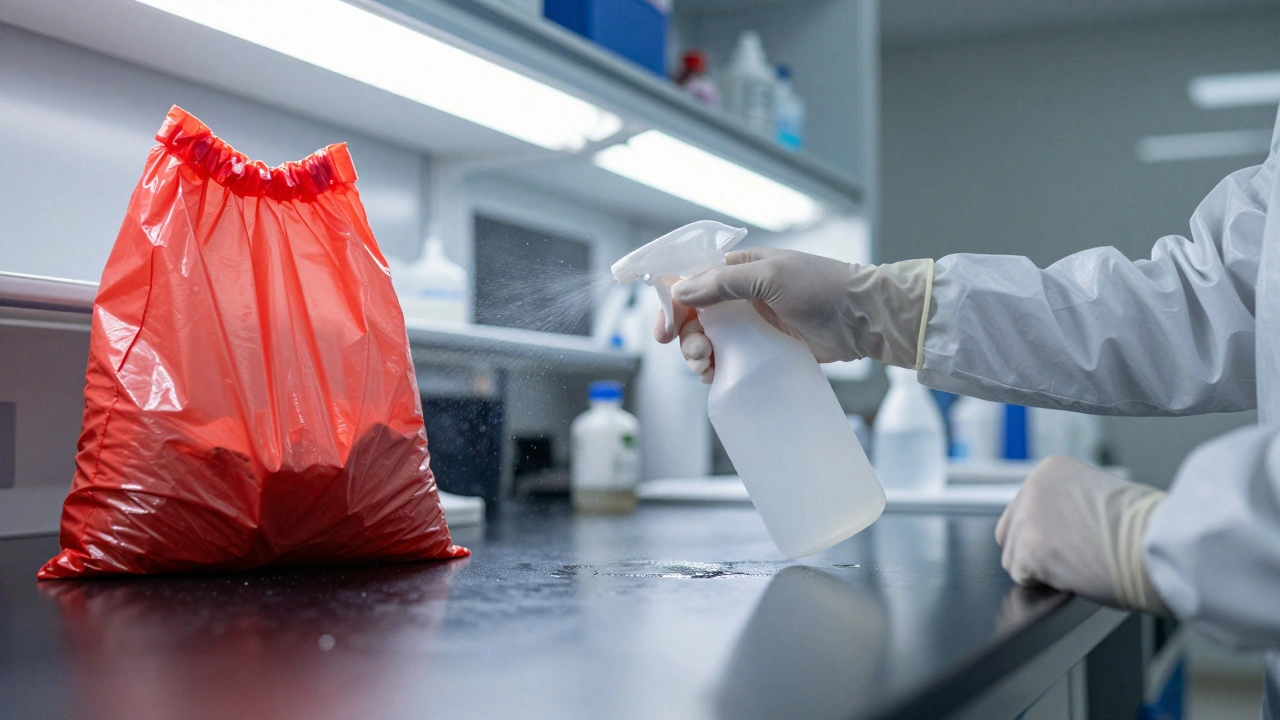
- Waste Stream Management: Never toss a contaminated pipette tip into a regular trash can. Use the red biohazard bags and sharps containers. Red means "stop and think" before you throw.
- Decontamination: Use an approved disinfectant (like 10% bleach or 70% ethanol) on all work surfaces before and after every session.
- Safe Injection: If you must use needles, never recap them by hand. Use a one-handed scoop technique or a mechanical device.
If an accident does happen-a cut, a prick, or a splash-time is everything. Immediate first aid (flushing the wound or eye) followed by reporting the incident to the Environmental Health & Safety (EHS) office is the only way to get the necessary post-exposure prophylaxis (PEP) in time to be effective.
Do I need BBP training if I only work with "clean" human cell lines?
Yes. While some standards allow exclusions for tested cell lines, the BMBL 6th edition requires all human cells to be handled under BSL-2 containment. You should still undergo mandatory training because the risk of contamination exists regardless of the initial test results.
What is the difference between Universal Precautions and Standard Precautions?
Universal Precautions focus specifically on blood and certain body fluids. Standard Precautions are broader, applying to all body fluids, non-intact skin, and mucous membranes. In a lab setting, both dictate that you treat all human-derived samples as potentially infectious.
How often should an Exposure Control Plan be updated?
OSHA requires the ECP to be reviewed and updated at least annually. This ensures that new equipment, new types of biological agents, or changes in lab personnel are all accounted for in the safety strategy.
Can I use the same gloves for multiple samples if they are all from the same project?
No. Gloves should be changed if they become visibly contaminated or when moving between different types of tasks to prevent cross-contamination and reduce the risk of pathogen buildup on the glove surface.
What happens if a lab is found to be non-compliant with OSHA BBP standards?
Non-compliance can lead to significant financial penalties from OSHA and, more importantly, the loss of lab accreditation. It can also result in the immediate shutdown of research activities by the IBC if the risks to personnel are deemed unacceptable.
Next Steps for Lab Managers
If you're auditing your current setup, start by reviewing your training logs. If a staff member hasn't had a BBP refresher in over a year, they're a liability. Next, walk through your lab and look at your sharps containers. If they are more than two-thirds full, they're a hazard. Finally, check your PPE stock-ensure you have the right glove sizes and high-quality lab coats available so that staff aren't tempted to skip protection because the "right gear" isn't there.