Every year, prosecutors face a critical question in homicide cases: Do we have enough evidence to prove guilt beyond doubt? In high-stakes murder trials, missing even one detail can mean the difference between justice and dismissal. This guide breaks down how experienced prosecutors systematically construct ironclad cases-from crime scene photos to courtroom strategy.
Quick Takeaways
- Strong cases hinge on four evidence pillars: physical traces, digital records, witness accounts, and medical findings.
- Premeditation requires proving motive before the act-not just the victim-offender relationship.
- Chain-of-custody errors kill 18% of homicide prosecutions annually (National District Attorneys Association).
- Grand jury success depends on clear storytelling, not just raw evidence volume.
Step 1: Securing the Foundation Before Charges
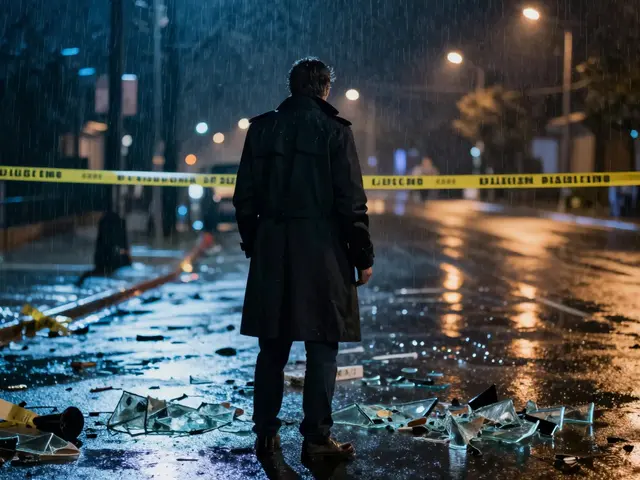
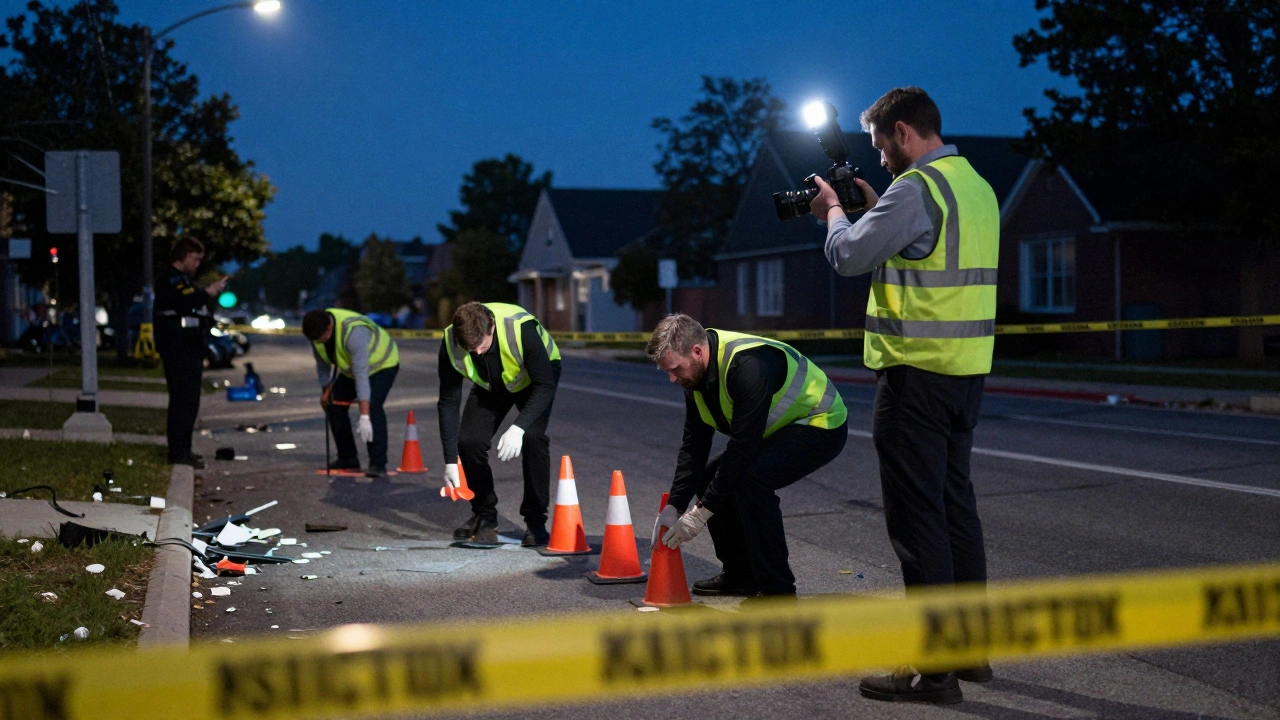
Prosecution begins hours after arrest, not weeks later. When officers arrive at a homicide scene, their priority shifts from emergency response to evidence preservation. Imagine finding a .45 caliber bullet casing alongside shattered glass. That fragment becomes Exhibit A only if handlers log its GPS coordinates within minutes. Early mistakes here create vulnerabilities defense attorneys exploit later.
The first 48 hours demand three actions:
- Document everything visually: Crime scene photographers capture 360-degree videos showing blood spatter angles.
- Secure digital trails: Phone pings from nearby towers establish movement patterns.
- Freeze witness memories: Investigators interview neighbors within hours before details fade.
Failure in any area weakens probable cause claims. For instance, Oregon v. Martinez (2024) dismissed a murder charge because bodycam footage showed officers moved the victim’s gun before forensic teams arrived.
Evidence Pillars: Beyond the Obvious
Successful homicide prosecutions rest on interconnected evidence streams. Consider this comparison:
| Type | Critical Attributes | Common Pitfalls |
|---|---|---|
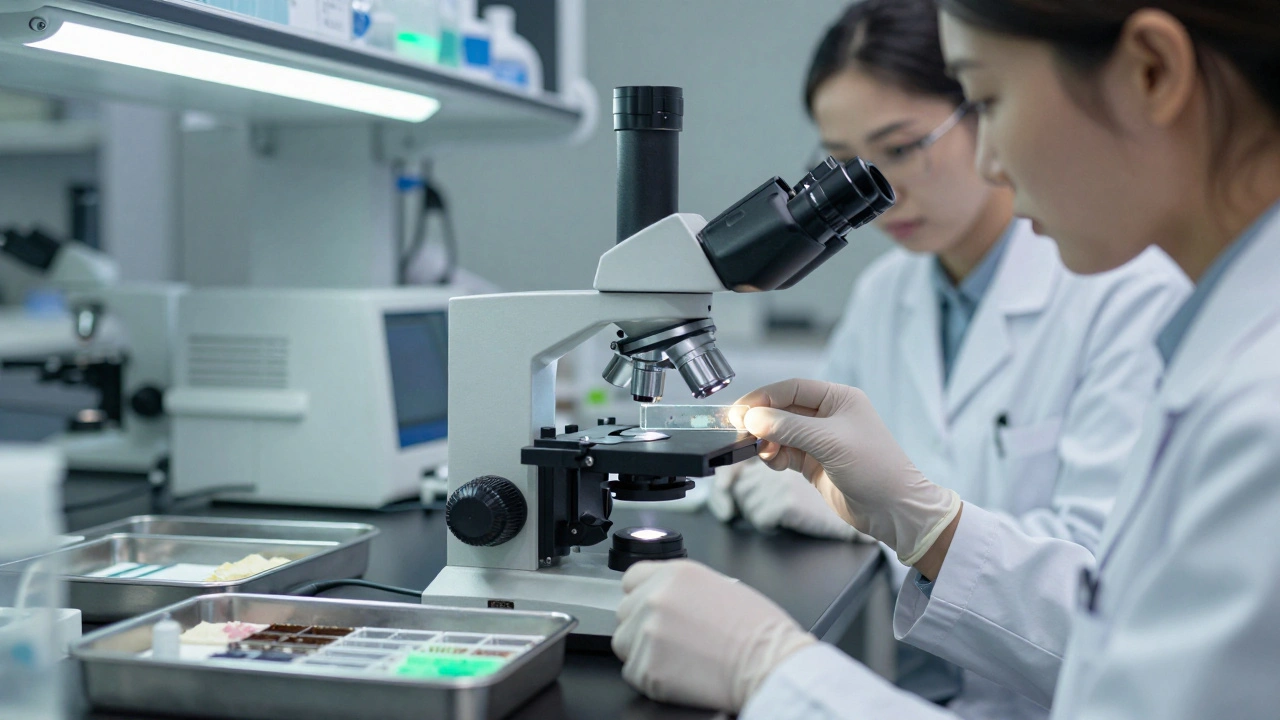
| DNA Evidence | Touch DNA on weapons, hair follicles in wounds | Mixed samples requiring complex statistical interpretation |
| Surveillance | Time-synced timestamps, facial recognition matches | Overwriting cloud storage before subpoena |
| Medical Findings | Trajectory analysis, toxicology reports | Missing autopsy photo comparisons |
Ballistics experts now match gunpowder residue particles to specific firearm models using elemental composition. Meanwhile, digital forensics specialists recover deleted texts hinting at threats made days before shooting. One recent Oregon case succeeded because a suspect’s smartwatch recorded elevated heart rate during the attack window.
Charging Decisions: The Premeditation Threshold
Not all homicides qualify for capital murder charges. Prosecutors must demonstrate "malice aforethought" through concrete behavioral indicators:
- Planning evidence: Purchase of ammunition two weeks prior, rental car reservations matching travel routes.
- Post-act conduct: Disposing of clothes versus leaving weapon at scene.
- Motive documentation: Unpaid debts, workplace conflicts verified through emails.
In second-degree cases, focus shifts to provocation factors. Defense often argues sudden passion mitigates culpability, requiring prosecutors to disprove emotional triggers. A 2025 Washington State ruling hinged on call logs showing the defendant calmly dialed a friend 12 times post-murder-contradicting claims of temporary insanity.
Bridging Evidence Gaps: Expert Collaboration
Most weak cases fail due to uncoordinated specialties. Effective prosecution relies on three synchronized workflows:
- Pathologists define wound characteristics requiring ballistic reconstruction
- Digital analysts map phone geolocation against victim’s final known positions
- Behavioral profilers connect suspect communications to escalating aggression patterns
During discovery phases, prosecutors share preliminary findings with lab personnel. This prevents situations where DNA technicians analyze irrelevant swabs, wasting scarce resources. The Portland DA Office reduced redundant testing by 37% after implementing cross-disciplinary review meetings weekly.
Navigating Defense Tactics Proactively
Defense teams routinely challenge four prosecution weaknesses:
- Witness credibility issues (e.g., accomplice testimony given plea deals)
- Causal chain breaks in digital footprints
- Alternative suspects omitted from initial investigations
- Contamination risks in small-sample DNA processing
Smart prosecutors anticipate these during case development. Example: When building People v. Chen (2023), the lead prosecutor submitted alternative suspect alibis preemptively. Their rebuttal included GPS records placing those individuals elsewhere during the attack window-a move jurors viewed as honest transparency rather than selective disclosure.
Trial Preparation: From Narrative to Verdict
The strongest cases collapse without compelling storytelling. Successful prosecutors craft narratives connecting every piece of evidence to defendant actions:
“Defendant’s fingerprints aren’t just present-they were positioned on grip zones matching his right-hand dominance.”
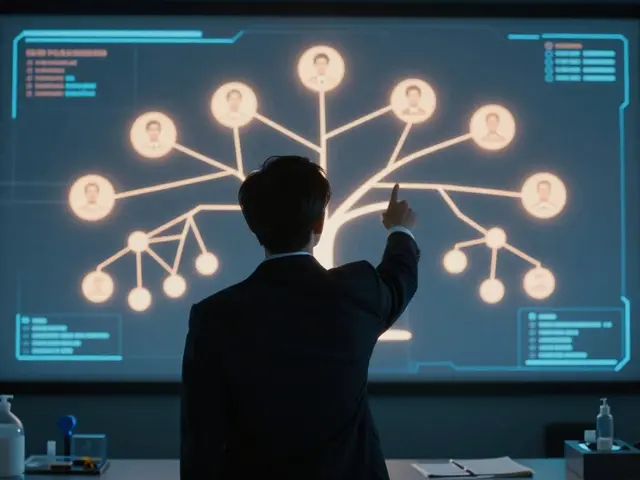
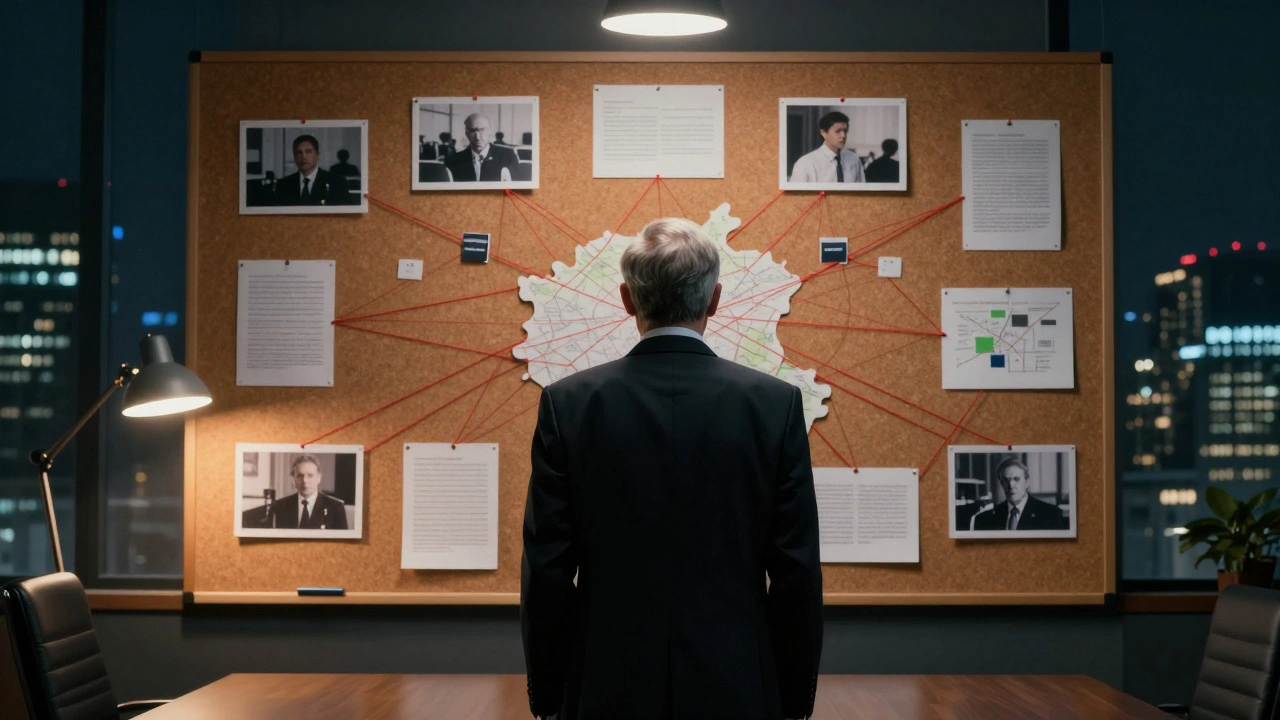
Jury consultants develop simplified visual timelines showing:
Victim’s movements → Suspect’s access points → Weapon acquisition → Post-crime behavior.
Mock trials reveal blind spots. In a simulated death penalty proceeding, a juror questioned why no security cameras covered the alleyway. Prosecution responded by introducing cell tower triangulation data instead-proving presence without direct observation. Such adjustments prevent fatal credibility gaps.
FAQs You Actually Care About
What makes a homicide case prosecutable immediately after arrest?
Three requirements exist: 1) Clear link between defendant and crime scene artifacts 2) Medical examiner confirmation of foul play 3) Witness accounts supporting state theory of events. Without all three, filings risk premature dismissal.
How long does standard case preparation take?
Complex homicides require 9-18 months minimum. Rushed filings increase mistrial risks-especially when DNA analysis involves lengthy contamination protocols.
Can digital evidence substitute missing physical clues?
Only in conjunction with corroborating testimony. Standalone phone data rarely meets beyond-reasonable-doubt standards alone, per federal precedent established in US v. Carpenter.
Why do some cases proceed without eyewitnesses?
When forensic science creates incontrovertible links. Modern touch DNA analysis can associate perpetrators with vehicles or weapons absent human observation.
What happens when key witnesses recant statements?
Prosecutors rely on contemporaneous recordings (bodycams/voice memos). Perjury consequences deter retractions, particularly when signed affidavits contradict current claims.
Final Checklist for Ironclad Cases
Before submitting felony indictments, verify:
- ✓ All forensic reports include chain-of-custody validation signatures
- ✓ Medical examiner’s report specifies cause AND manner of death separately
- ✓ Digital evidence timestamps align across multiple sources
- ✓ Alternative suspects received documented investigation closures
Avoid rushing toward sentencing milestones. Strong cases withstand delays; weak ones implode under scrutiny. Remember: Jurors forgive minor evidentiary delays-but never unresolved reasonable doubts.