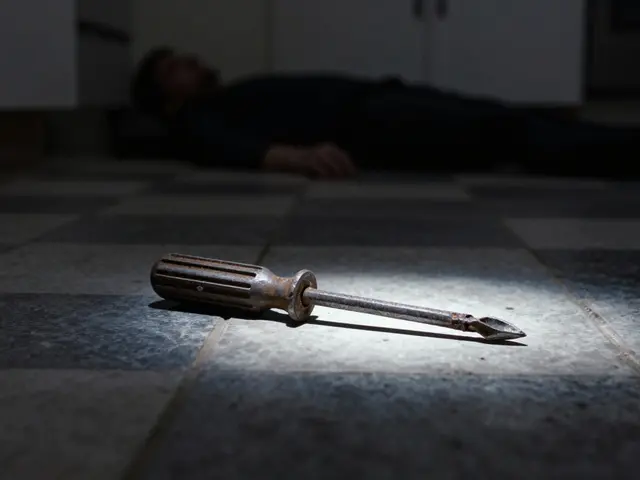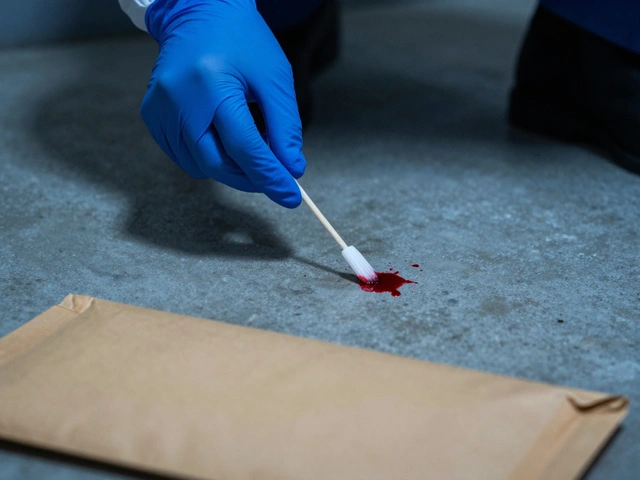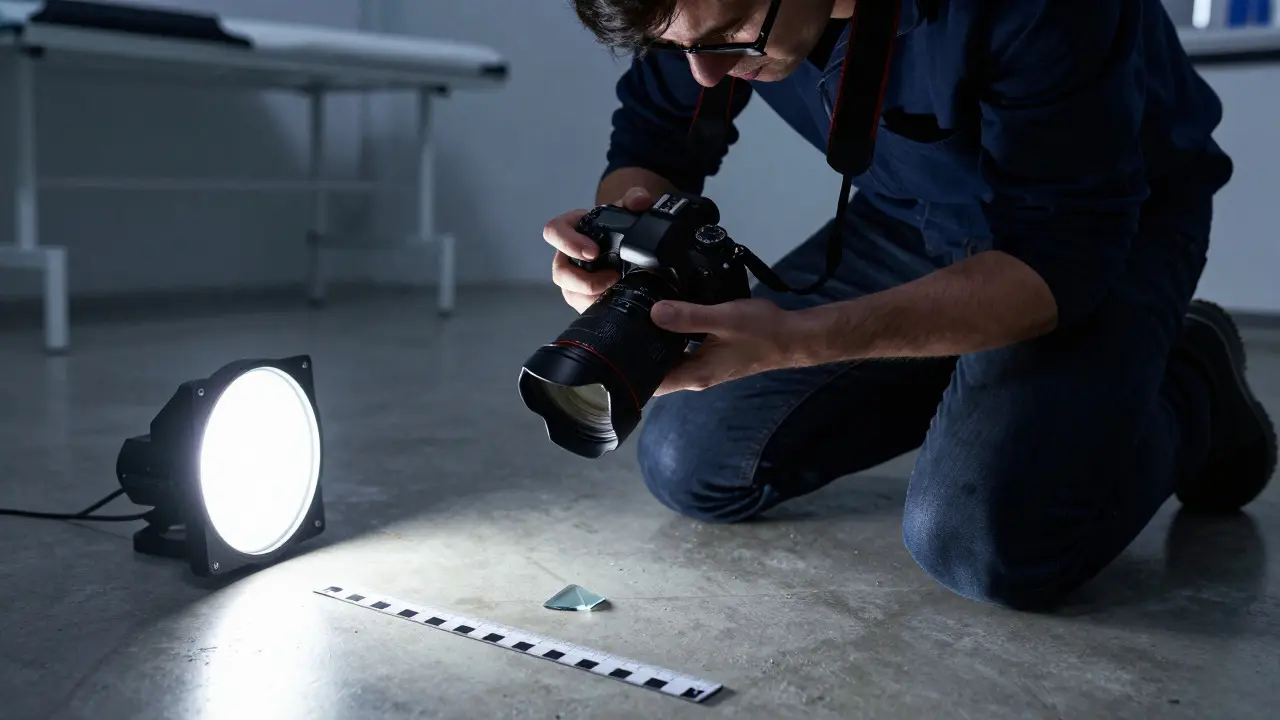
Imagine standing in a dimly lit room where a critical piece of evidence lies on the floor. You have seconds to capture it before conditions change or contamination occurs. In this high-stakes environment, Forensic Photography is the specialized practice of using photographic techniques to document physical evidence for legal proceedings. It is not just about taking pictures; it is about creating a permanent, admissible record that holds up under cross-examination. For professionals entering this field, understanding the difference between amateur snapshots and certified forensic documentation is the first step toward career stability. This guide breaks down the specific skills required, the major certification bodies, and the technical standards that define professional-grade crime scene documentation.
Why Certification Matters in Legal Proceedings
In court, a photograph is not just an image; it is a witness. If the method used to capture that image is flawed, the entire case can be compromised. Prosecutors and defense attorneys scrutinize every detail of how evidence was collected. Without proper training, photographers often miss scale references, fail to maintain chain of custody for digital files, or use incorrect lighting that obscures details. Certification validates that you understand these nuances. It proves to employers-whether they are police departments, medical examiners, or private consulting firms-that your work meets industry standards. According to data from the International Association for Forensic Photographic Examiners (IAFPE), certified members report significantly higher rates of successful evidence admissibility compared to non-certified peers. This isn't just a badge for your wall; it is a risk mitigation tool for the justice system.
The Core Pillars of Documentation Skills
Before pursuing any certificate, you need a solid grasp of the three pillars of forensic documentation: composition, lighting, and metadata management. These are the technical foundations that separate a usable photo from a useless one.
- Composition and Scale: Every shot must include a scale reference (like a ruler or L-scale) unless the object's size is universally known. The angle must be perpendicular to the subject to avoid distortion. Missing a scale bar is one of the most common reasons photos get rejected in lab reviews.
- Lighting Control: Natural light changes constantly. Professional forensics rely on controlled artificial light sources, such as strobes or LED panels, to eliminate shadows and reveal hidden details like bruising patterns or fiber textures.
- Metadata Integrity: Digital files carry EXIF data (date, time, camera settings). Altering this data without documentation can lead to accusations of tampering. Certified technicians know how to preserve this data and manage file naming conventions that support the chain of custody.
Major Certification Bodies and Their Focus
The landscape of forensic photography certification is fragmented, with several organizations offering different levels of recognition. Choosing the right one depends on your career path. Here is a breakdown of the most respected entities in the field.
| Certification Body | Primary Credential | Focus Area | Typical Duration |
|---|---|---|---|
| IAFPE | Certified Forensic Photographer (CFP) | Broad coverage including crime scenes and medical imaging | 6-12 months (study + exam) |
| NIST | Training Certificates | Technical standards and software validation | Weekend workshops |
| State Police Academies | Internal Proficiency Badges | Jurisdiction-specific protocols | Varies by state |
The International Association for Forensic Photographic Examiners (IAFPE) is widely regarded as the gold standard for independent verification. Their curriculum covers everything from basic optics to advanced low-light techniques. On the other hand, training provided by National Institute of Standards and Technology (NIST) focuses heavily on the scientific validity of imaging processes, which is crucial for those working in laboratory settings rather than active crime scenes.
Step-by-Step Path to Certification
Achieving certification is a structured process that requires both theoretical knowledge and practical application. Here is what the journey typically looks like for a new entrant:
- Foundational Education: Complete a course in general photography principles. You do not need a degree in art, but you must understand exposure triangle basics (aperture, shutter speed, ISO).
- Specialized Training: Enroll in a forensic-specific module. Look for courses that cover macro photography, total station integration, and video documentation.
- Practical Portfolio Development: Most certifying bodies require a portfolio of 20-50 images. These should demonstrate varied scenarios: indoor, outdoor, night, and close-up evidence shots. Each image must be accompanied by a caption explaining the technique used.
- Written Examination: Test your knowledge of legal admissibility rules, equipment specifications, and ethical guidelines.
- Practical Assessment: Some boards require you to set up a mock crime scene and document it live while being evaluated by a panel of experts.
Essential Equipment for Professional Documentation
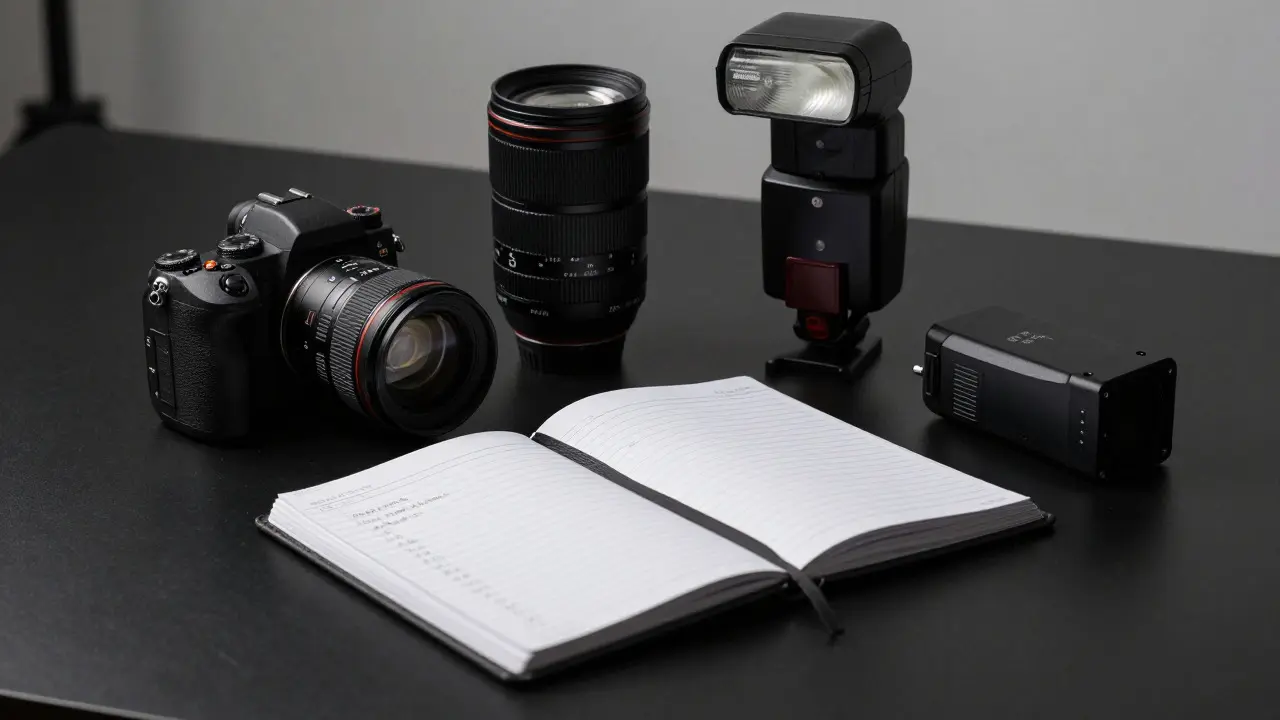
You cannot document effectively with consumer-grade gear. While high-end cameras are helpful, the real differentiator is in the accessories and supporting tools. A professional kit usually includes:
- Mirrorless DSLR Camera: Preferred for its large sensor size and ability to perform well in low light without excessive noise.
- Macro Lens: Essential for capturing fine details like fingerprints, tool marks, or insect activity on remains.
- Strobe Lighting System: Portable flash units allow you to freeze motion and control directionality, reducing glare on reflective surfaces.
- Digital Evidence Notebook: A dedicated notebook for logging every shot taken, including the reason for the shot and the exact location within the scene.
Investing in quality gear is not optional. Using a smartphone for primary evidence documentation is increasingly frowned upon in major jurisdictions due to limited dynamic range and lack of manual control over white balance.
Common Pitfalls That Disqualify Candidates
Even experienced photographers make mistakes when transitioning to forensics. Knowing what to avoid can save you time and money during the certification process.
First, ignoring the background. A cluttered background distracts the viewer and makes it hard to isolate the evidence. Second, failing to document the sequence. Photos should tell a story: wide shots establishing context, medium shots showing relationships between objects, and close-ups detailing specific features. Jumping straight to close-ups without context leaves jurors confused. Third, poor file management. If your filenames are random (e.g., DSC_001.jpg), tracking evidence becomes a nightmare. Use a standardized naming convention that includes date, case number, and shot type.
Frequently Asked Questions
Is forensic photography certification legally required?
While not always mandated by law in every jurisdiction, it is increasingly required by police departments and federal agencies. Many courts view certification as proof of competence, making it a de facto requirement for hiring in professional roles.
How long does it take to become certified?
Most candidates spend between six months to a year preparing. This includes self-study, completing prerequisite courses, building a portfolio, and waiting for exam scheduling. Practical assessments may add additional weeks depending on the certifying body.
Can I use a smartphone for forensic documentation?
Smartphones are acceptable for preliminary or supplemental shots, but they are rarely sufficient for primary evidence documentation. They lack the manual controls, dynamic range, and metadata stability required for rigorous legal scrutiny. Always use a dedicated camera for critical evidence.
What is the cost of obtaining certification?
Costs vary widely. Basic training courses range from $500 to $1,500. Exam fees for major bodies like IAFPE can add another $300 to $500. Equipment costs are separate and can range from $2,000 to $5,000 for a complete professional kit.
Do certifications expire?
Yes, most professional certifications require continuing education credits (CEUs) every two to three years to remain active. This ensures that photographers stay updated on new technologies, legal precedents, and best practices in the field.