When a person goes missing near water, the clock starts ticking differently than on land. Water hides evidence, distorts timelines, and turns a simple search into a complex technical operation. You are not just looking for a body; you are hunting for specific objects in an environment that resists visibility. The difference between finding someone quickly and never finding them often comes down to how well you coordinate sonar technology with human dive teams.
This isn't about guessing where someone might be. It is about using physics and protocol to eliminate areas of uncertainty. Whether you are a family member trying to understand the process or a professional planning a search, understanding the interplay between electronic detection and manual recovery is critical. Here is how modern water recovery actually works when lives are on the line.
The Critical Role of Side-Scan Sonar
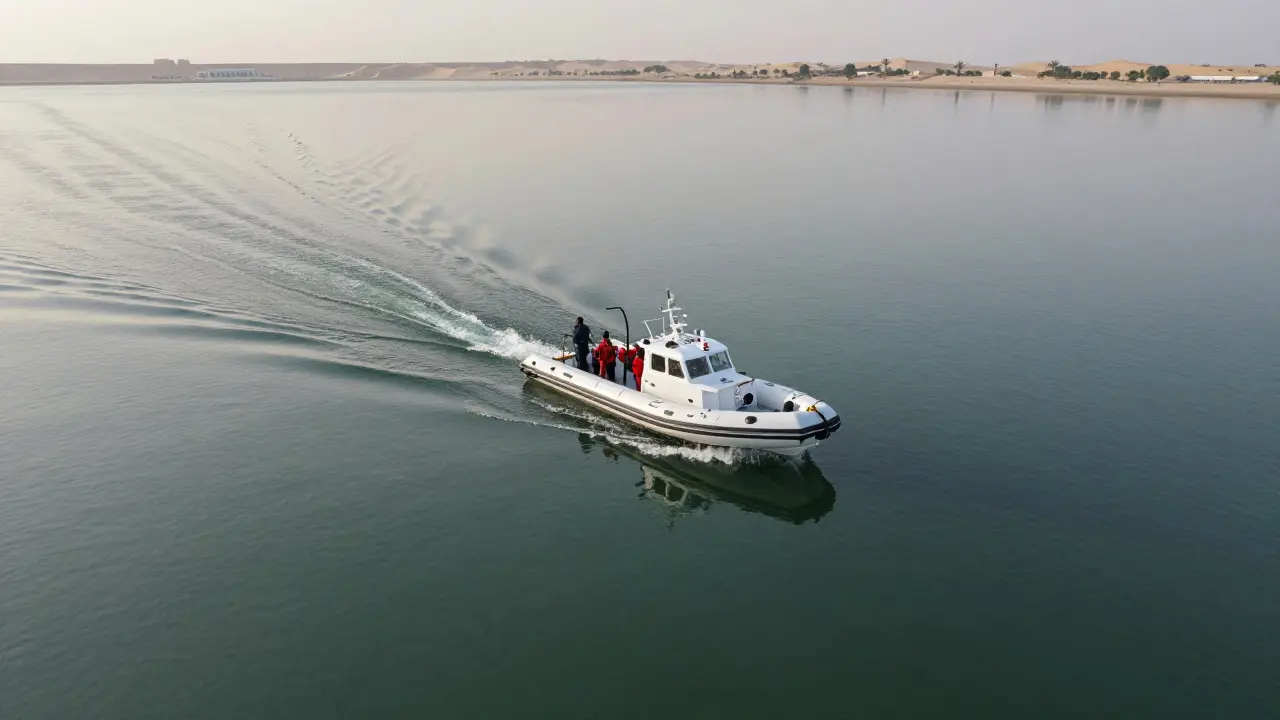
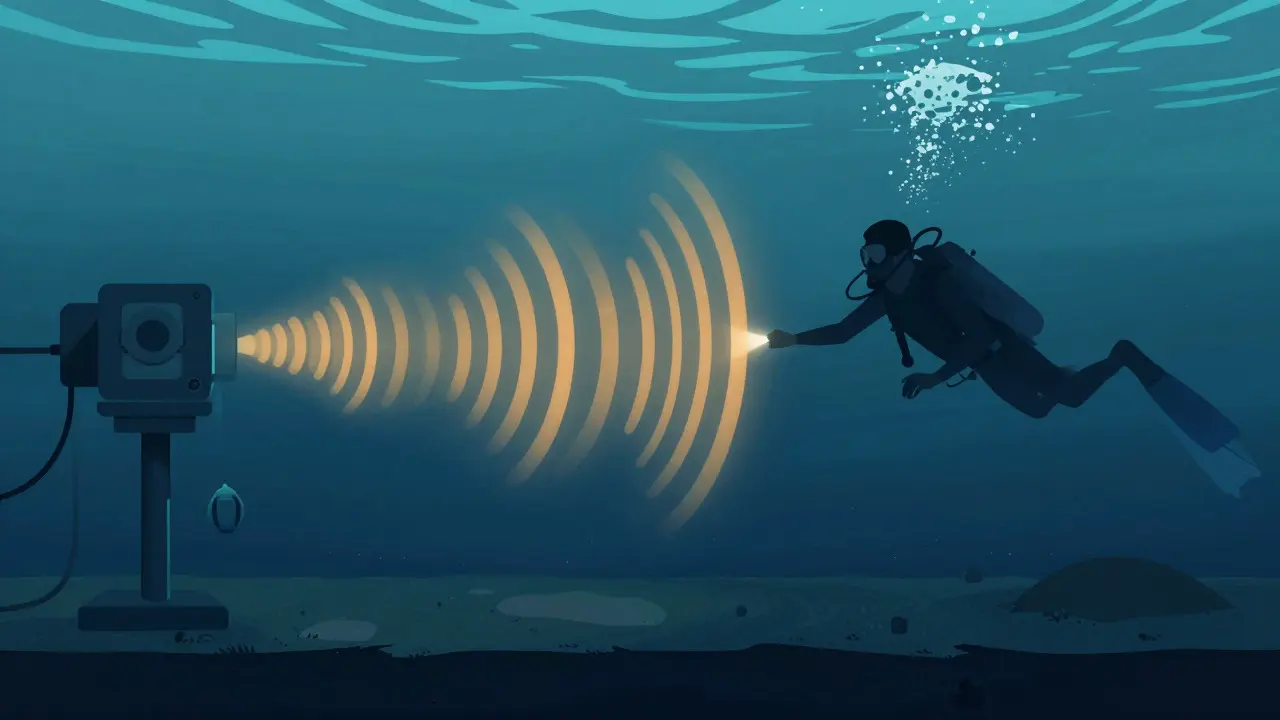
Side-scan sonar is a remote sensing technology that uses sound waves to create high-resolution images of the seafloor or lakebed. Unlike standard echo sounders that just measure depth, side-scan sonar paints a picture. It emits acoustic pulses from a towfish dragged behind a boat. These pulses bounce off objects and return to the receiver. Hard surfaces like bones, metal, or dense debris reflect the signal strongly, appearing bright on the display. Soft sediment absorbs the signal, appearing dark.
The key attribute here is resolution. Modern systems can detect objects as small as a few inches. However, sonar does not tell you what the object is. A large rock looks very similar to a mass of tangled branches. This is why sonar is a screening tool, not a confirmation tool. It tells you where to look; it doesn't tell you what you found. For a missing person case, this means the sonar operator must identify "targets"-anomalous shapes-and then flag them for physical verification by divers.
Environmental factors heavily influence sonar performance. Mud layers thicker than six inches can absorb low-frequency signals, hiding shallow remains. Conversely, rocky bottoms create clutter that masks smaller targets. Operators must adjust frequency settings based on bottom composition. In clear, shallow water, higher frequencies provide better detail but shorter range. In murky, deep water, lower frequencies penetrate further but offer less definition.
Dive Operations: From Theory to Execution
Once sonar identifies potential targets, the job shifts to dive operations, which involve trained professionals using scuba gear to physically locate, document, and recover submerged remains. Divers do not just swim around randomly. They follow strict protocols to ensure no area is missed and safety is maintained.
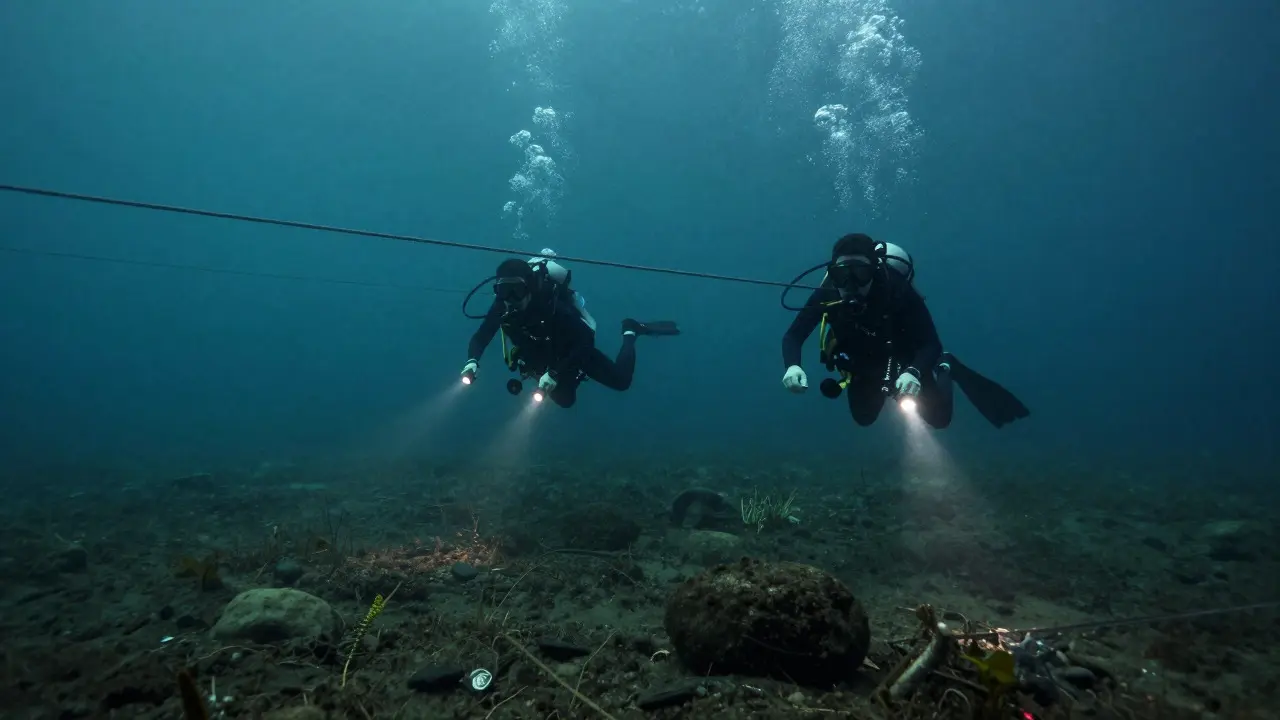
The most common method is the grid system. Divers lay out lines (often weighted rope) across the search area. They swim parallel to these lines at a consistent distance, typically three to five feet apart. This ensures overlapping fields of view. If one diver misses something due to poor visibility, the next diver will likely see it. This redundancy is vital in low-visibility conditions, which are the norm in natural water bodies.
Safety is the primary constraint. Cold water reduces reaction time and increases oxygen consumption. Depth limits breathing capacity. Therefore, dive plans are built around maximum safe exposure times. A typical dive in cold freshwater might last only 30 to 45 minutes before requiring a decompression stop or surface interval. This means large areas take days, not hours, to cover manually. That is why sonar pre-screening is so important-it narrows the dive team's focus to specific coordinates rather than vast open water.
Coordinating Technology and Human Eyes
The synergy between sonar and diving is where successful recoveries happen. A common mistake is relying solely on one method. Sonar alone leads to false positives (rocks mistaken for bodies). Diving alone leads to missed targets in deep or obscured areas. The effective workflow looks like this:
- Define Search Area: Use current data, last known position, and drift modeling to set boundaries.
- Run Sonar Survey: Cover the entire area systematically. Log all anomalous targets.
- Prioritize Targets: Rank targets based on shape, size, and location relative to the incident.
- Deploy Divers: Send teams to verify top-priority targets first.
- Document Findings: Photograph and map any remains or personal effects immediately.
This loop continues until the search area is exhausted or the person is found. Communication between the boat (sonar operator) and the dive supervisor is constant. GPS coordinates are shared in real-time. If a diver finds a shoe, they report it. The sonar operator checks if there are other nearby targets. This collaborative approach maximizes efficiency.
Challenges in Natural Water Bodies
Not all water is created equal. Lakes, rivers, and oceans present different hurdles. Rivers have moving water, which complicates both sonar towing and dive stability. Currents can push divers off their grid lines, creating gaps in coverage. In such cases, divers may need to anchor themselves or use surface-supplied air to reduce fatigue.
Vegetation is another major factor. Submerged trees and weeds create "acoustic shadowing," where the sonar beam is blocked, leaving blind spots. Divers must navigate through these obstacles carefully to avoid entanglement. In heavily vegetated areas, sonar effectiveness drops significantly, making manual searching more critical despite its slower pace.
Depth also plays a role. Shallow water (less than 15 feet) allows for faster dives and easier visibility. Deep water requires more careful planning due to pressure changes and longer ascent times. Each additional 33 feet of depth doubles the pressure on the diver's body. This physiological limit dictates how long a team can stay down and how much equipment they can carry.
Comparison of Search Methods
| Attribute | Side-Scan Sonar | Manual Dive Grid |
|---|---|---|
| Coverage Speed | High (miles per hour) | Low (yards per minute) |
| Accuracy | Moderate (requires verification) | High (direct visual confirmation) |
| Visibility Dependency | None (works in zero visibility) | High (limited by turbidity/light) |
| Cost per Hour | Medium (equipment + operator) | High (multiple divers + support) |
| Best Use Case | Large areas, initial screening | Small areas, final verification |
As shown in the table, neither method is superior in isolation. Sonar wins on speed and scale. Diving wins on certainty. The best teams use both in tandem. If you are budgeting for a private search, remember that sonar costs are fixed per day, while dive costs scale with the number of divers and hours spent underwater.
Common Pitfalls to Avoid
Many failed searches stem from procedural errors. One common mistake is ignoring drift patterns. If a body enters flowing water, it moves. Searching the exact spot where the person went in without accounting for current direction is futile. Hydrological data must inform the search zone expansion.
Another pitfall is poor documentation. If a diver finds a piece of clothing but doesn't mark the GPS coordinate precisely, recovering the rest of the remains becomes nearly impossible later. Always record exact locations, depths, and environmental conditions at the time of discovery.
Finally, underestimating weather windows. Water conditions change rapidly. A calm morning can turn into a choppy afternoon by noon. Sonar boats struggle in rough seas because the towfish bounces, creating noisy data. Dive teams may be forced to stand down if wave height exceeds safety limits. Planning for multiple weather scenarios is essential.
Frequently Asked Questions
How accurate is side-scan sonar for finding human remains?
Sonar is highly accurate at detecting hard objects, but it cannot distinguish between a body and a rock. Accuracy depends on operator skill and environmental conditions. It serves as a locator tool, not a identifier. Physical verification by divers is always required to confirm a find.
What is the maximum depth for manual dive searches?
For recreational and many public safety dives, 40 meters (130 feet) is a common limit due to nitrogen narcosis and decompression risks. Technical divers can go deeper, but it requires specialized training and equipment. Most missing person cases occur in shallower waters, but depth significantly impacts search duration and cost.
Does water clarity affect sonar performance?
No. Sonar uses sound waves, not light. It works perfectly in muddy, cloudy, or dark water. However, suspended particles can sometimes create noise in the signal, but this is rarely a major issue compared to bottom type and vegetation.
How long does a typical water search take?
It varies widely. A small pond might be searched in one day. A large river section could take weeks. Factors include area size, water depth, visibility, and weather. Sonar surveys are fast, but verifying every target by diving is slow. On average, expect several days of active operations for moderate-sized areas.
Can drones help in water recovery operations?
Yes, increasingly. Drones equipped with thermal cameras can scan surface temperatures to detect submerged objects or bodies if they are close to the surface. They are excellent for rapid initial sweeps over large areas before boats and divers are deployed. However, they cannot see below the surface unless using specialized sonar payloads.