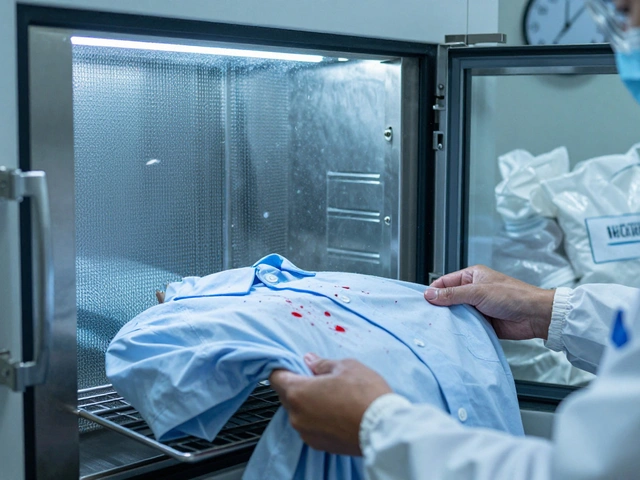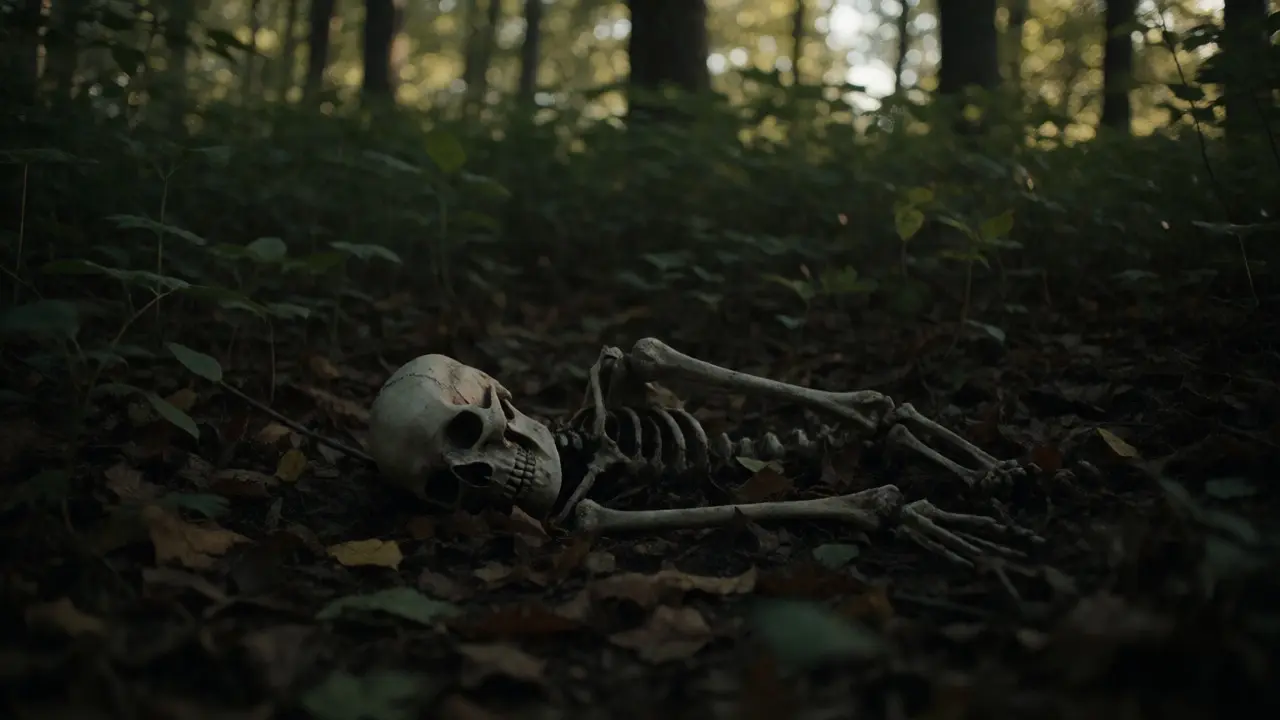
Imagine a skeleton is found in a remote forest. No wallet, no ID, just bone and teeth. How do investigators turn those dry remains into a name? The answer lies in the seamless, often invisible handshake between two massive databases: CODIS and NCIC. While most people know about fingerprint matching, dental and DNA uploads are the heavy lifters when bodies are decomposed or skeletal. This process isn't just about scanning data; it's about translating biological evidence into searchable digital profiles that can solve cold cases years later.
The Digital Backbone of Identification
To understand how dental and DNA uploads work, you first need to grasp what these systems actually are. They aren't just folders on a hard drive. The Combined DNA Index System (CODIS) is a software program developed by the FBI that allows federal, state, and local crime laboratories to store and search DNA profiles. It operates at three levels: local, state, and national. When a lab analyzes a DNA sample from a crime scene or unidentified remains, they don't upload the raw genetic code. Instead, they upload specific genetic markers called Short Tandem Repeats (STRs). These markers act like a barcode for human identity.
On the other side, you have the National Crime Information Center (NCIC). Managed by the FBI, this database holds millions of records, including stolen cars, wanted persons, and crucially, missing persons. For unidentified remains, investigators use the Unidentified Persons section of NCIC. Here, they enter physical descriptors, clothing details, and-most importantly-dental characteristics. Unlike CODIS, which deals with molecular biology, NCIC relies heavily on visual and structural data, making dental records its primary identifier tool for skeletal remains.
Why Dental Records Are Gold Standard
You might wonder why we bother with teeth when we have DNA. The reason is durability and specificity. Teeth are the hardest substance in the human body. They survive fires, decomposition, and time in ways soft tissue cannot. But more than survival, dental records offer a level of detail that DNA sometimes lacks in older samples. A DNA profile tells you who someone is genetically related to, but a dental chart tells you exactly who visited Dr. Smith in 2015 for a root canal on tooth number 30.
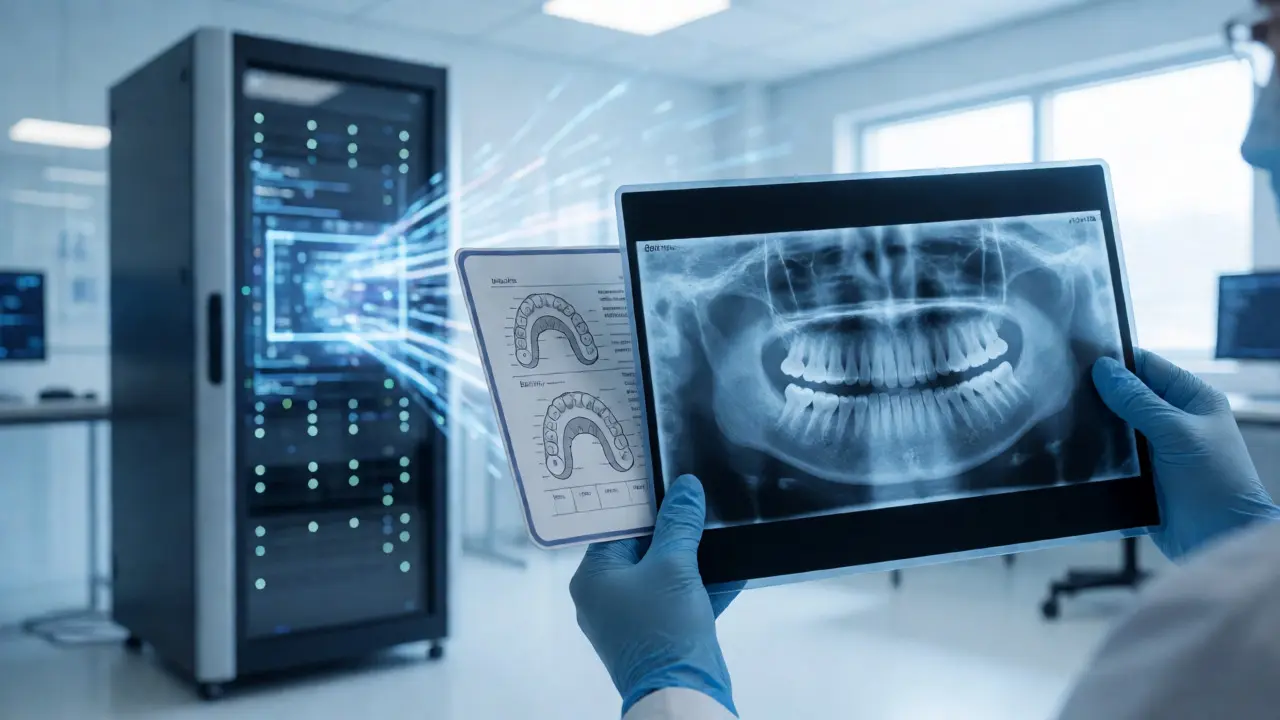
When a forensic odontologist examines unidentified remains, they create a detailed chart noting fillings, crowns, bridges, and unique anomalies. They look for distinct features like rotated teeth or unusual spacing. This data is then coded using standardized systems, such as the American Board of Forensic Odontology (ABFO) coding system. Once coded, this information is uploaded to NCIC. If a missing person’s dental records were previously entered into the system-perhaps by a family member providing antemortem records to police-the system flags a potential match.
| Feature | Dental Records (NCIC) | DNA Profiles (CODIS) |
|---|---|---|
| Primary Data Type | Structural/Visual (Charts, X-rays) | Molecular (STR Markers) |
| Database Used | NCIC Unidentified Persons File | CODIS NDIS (National DNA Index System) |
| Best For | Skeletal remains, fire victims, long-term burial | Blood, saliva, hair roots, fresh tissue |
| Time to Result | Hours to Days (if records available) | Days to Weeks (lab processing) |
| Cost Efficiency | Lower (requires existing dental history) | Higher (requires complex lab analysis) |
The Workflow: From Bone to Byte
So, how does a dentist’s note become a hit in a federal database? It starts with recovery. When law enforcement finds remains, they document everything. If the body is too decomposed for fingerprints, they call in a forensic odontologist. This specialist extracts teeth if necessary or takes radiographs (X-rays) directly from the jawbone. These images are compared against antemortem records provided by families or obtained from dental offices.
Once the odontologist confirms a likely match based on visual comparison, the data must be formalized for the database. This is where the "upload" happens. The investigator enters the dental characteristics into the NCIC system. Key fields include the presence of restorations (fillings), prosthetics (dentures), and surgical alterations. Simultaneously, if DNA was extracted from the bone powder, the lab generates a STR profile. This profile is uploaded to CODIS. The magic occurs when both systems run their comparisons. NCIC checks dental codes against missing persons entries. CODIS checks the DNA profile against convicted offender profiles and other unknown human remains.
It’s not always a perfect match. Often, you get a "candidate list." Maybe the DNA doesn’t match anyone in the criminal database, but it matches another set of unknown remains in CODIS. This suggests two different sets of bones belong to the same person or close relatives. Investigators then dig deeper, perhaps contacting families of missing persons whose DNA hasn’t been collected yet. This cross-referencing is vital for linking cases across jurisdictions.
Challenges in Data Integration
Despite the technology, gaps exist. One major hurdle is the lack of comprehensive dental records for every citizen. Not everyone visits a dentist regularly, and records can be lost during office closures or disasters. If a missing person never had dental work, their dental record in NCIC might be sparse or nonexistent, reducing the chance of a match. In these cases, DNA becomes the only viable option, but DNA degradation in old bones can make profiling difficult.
Another issue is data quality. Garbage in, garbage out. If an officer enters vague descriptors like "white male, approx. 40," without specific dental or DNA data, the search yields thousands of hits. Precision matters. Entering exact tooth numbers and types of fillings narrows the field significantly. Furthermore, interoperability between local dental offices and federal databases isn't automatic. Many small practices still use paper charts or legacy software that doesn't export easily to NCIC-compatible formats. This friction slows down the identification process.
The Role of Next-Generation Sequencing
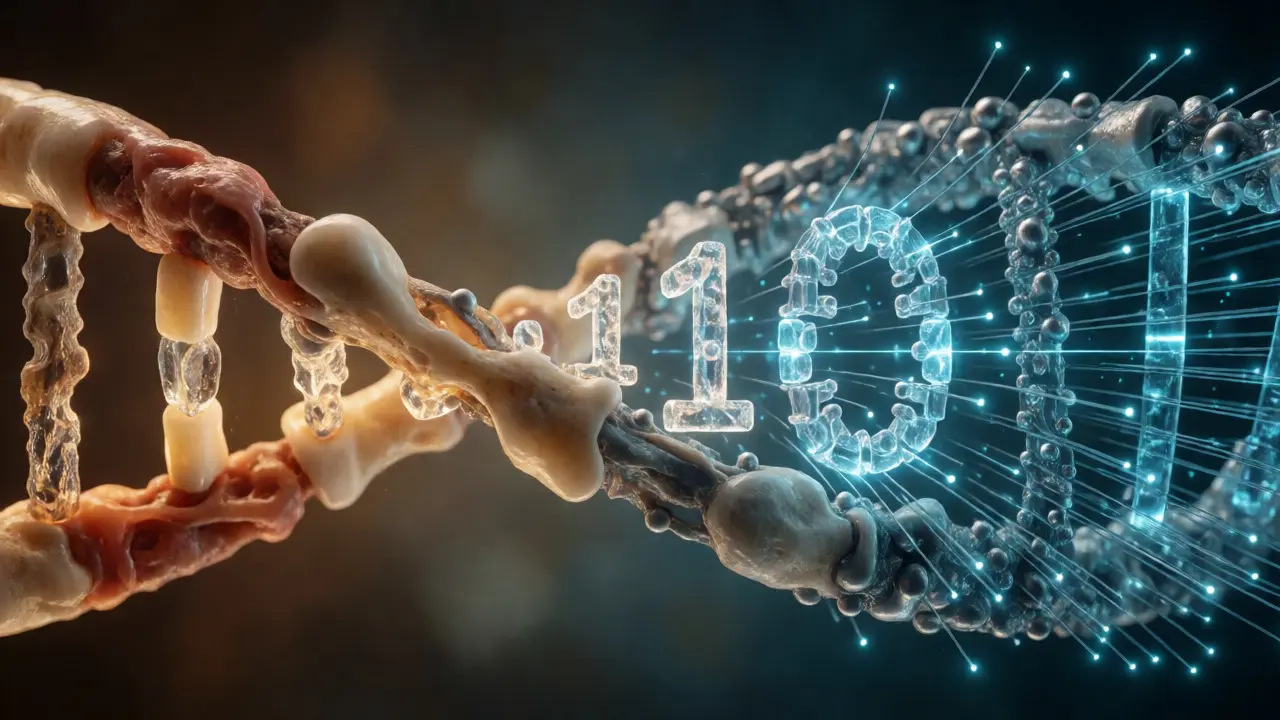
We are currently seeing a shift toward Next-Generation Sequencing (NGS) in forensic labs. Traditional STR analysis looks at specific regions of DNA. NGS allows scientists to analyze much larger portions of the genome, including mitochondrial DNA and single nucleotide polymorphisms (SNPs). Why does this matter for missing persons? Because NGS can generate profiles from highly degraded samples where traditional methods fail. It also helps in predicting phenotypic traits, like eye color or ancestry, when no reference sample exists.
As NGS becomes more common, the data structure in CODIS may evolve. Currently, CODIS uses standard loci. Future updates might accommodate richer genomic data, allowing for more robust familial searching. Imagine uploading a DNA profile from a skeleton and getting a hit on a distant cousin who has submitted their DNA to a genealogy site linked to law enforcement databases. This blurs the line between criminal forensics and consumer genetics, raising privacy debates but offering hope for closing decades-old cases.
Practical Steps for Investigators
If you are working in law enforcement or forensics, here is how you optimize your uploads:
- Collect Antemortem Records Early: Don't wait for a suspect. As soon as a person is reported missing, request dental records from their last known dentists. Enter these into NCIC immediately.
- Standardize Coding: Use ABFO guidelines strictly. Ambiguity kills matches. Specify materials (amalgam vs. composite) and precise tooth positions.
- Submit DNA Samples Promptly: Even if the sample seems poor, submit it to CODIS. Labs can now extract usable DNA from bone powder and teeth pulp.
- Update Descriptors: Physical descriptions change. Update height, weight, and distinguishing marks in NCIC as new information comes in.
- Check Cross-Jurisdictional Hits: Regularly review NCIC alerts for similar cases in neighboring states. Serial offenders or transient populations often leave trails across borders.
Conclusion: Closing the Loop
The integration of dental and DNA uploads transforms anonymous remains into identified individuals. It turns a pile of bones into a story with a beginning, middle, and end. While technology continues to advance, the core principle remains unchanged: accurate data entry leads to faster answers. By leveraging both the structural precision of dental records in NCIC and the biological power of DNA in CODIS, investigators can bring closure to families waiting years for news. The next time you hear about a cold case solved, ask yourself: did they find a fingerprint, or did they decode a tooth?
What is the difference between CODIS and NCIC?
CODIS (Combined DNA Index System) stores and searches DNA profiles generated from biological samples. NCIC (National Crime Information Center) is a broader database that includes criminal history, stolen property, and missing persons records, including dental and physical descriptors. They work together: NCIC identifies via physical/dental traits, while CODIS identifies via genetic markers.
How long does it take to upload dental records to NCIC?
If the investigator has the antemortem dental records ready, entering the data into NCIC can take less than an hour. However, obtaining those records from dental offices can take days to weeks depending on the practice's responsiveness and record-keeping format.
Can DNA identify a missing person without a family reference sample?
Yes, but it is harder. Without a direct family reference, the DNA profile is searched against convicted offender databases and other unknown remains in CODIS. If there is no direct match, investigators may rely on familial searching techniques or phenotypic prediction tools if advanced sequencing methods are used.
Are dental records required for all missing persons?
No, but they are highly recommended. Individuals without significant dental work may have fewer distinguishing features, making DNA or fingerprinting more critical. However, even basic dental charts help narrow down age and gender estimates in the absence of other data.
What happens if a dental match is found in NCIC?
A match triggers an alert to the investigating agency. Investigators then verify the match by comparing original radiographs and charts side-by-side. Confirmation requires expert agreement on multiple points of comparison before the identification is officially declared.