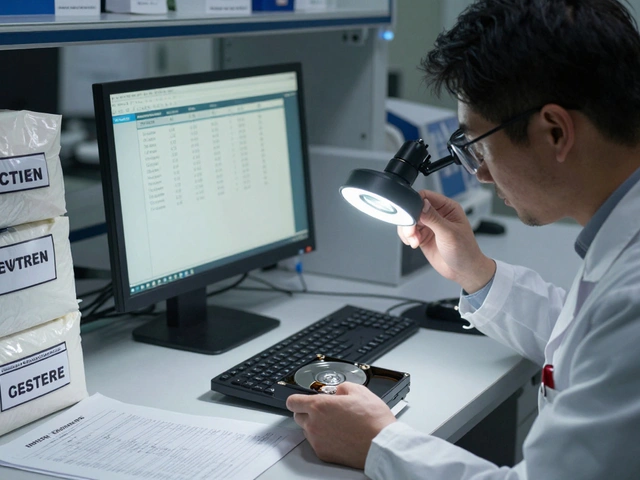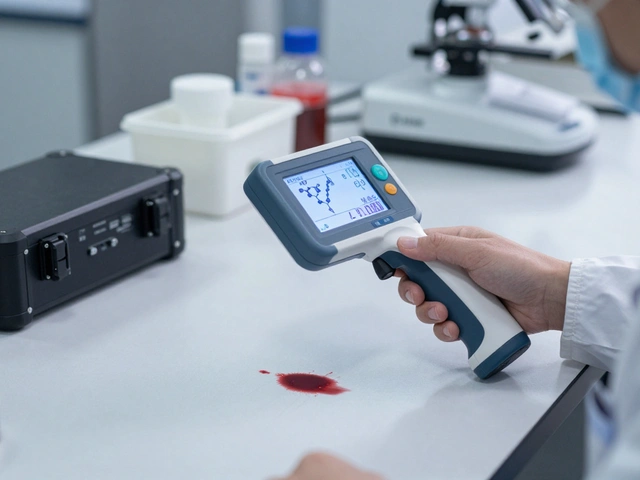
Imagine a detective staring at a file that has been open for twenty years. The victim is identified, the crime scene processed, but the killer? Nowhere to be found. Traditional DNA matching fails because the suspect’s profile isn’t in the database. This is where DNA kinship searches is a forensic technique used to identify unknown suspects by analyzing genetic relationships with known relatives in public databases. It turns a dead end into a breakthrough by looking for family members rather than the offender themselves.
This method has solved over 1,000 cases in the United States alone since its inception around 2018. It doesn't just find names; it constructs family trees that lead investigators directly to the perpetrator. For law enforcement agencies dealing with cold case homicides, this technology has shifted from experimental to essential.
How Kinship Analysis Works in Cold Cases
The core logic is simple: if you can’t find the suspect, find their relatives. Investigators extract DNA from evidence like blood spatter, hair roots, or skin cells. They sequence specific regions of the genome called autosomal Short Tandem Repeats (STRs). These markers are inherited from both parents, making them perfect for tracing lineage.
Unlike standard CODIS profiles, which focus on 20 specific STR loci for direct matches, kinship searches use hundreds or thousands of Single Nucleotide Polymorphisms (SNPs). This high-density data allows scientists to calculate a Coefficient of Relationship (COR). If the COR indicates a close biological tie, such as a sibling or parent, the detective now has a lead. They cross-reference these potential relatives against public genealogy databases to build a pedigree chart. Once the family tree is mapped, the suspect usually emerges as the only logical branch remaining.
| Feature | Standard CODIS Match | DNA Kinship Search |
|---|---|---|
| Target | Direct suspect | Biological relatives |
| Data Density | ~20 STR loci | 500+ SNPs or STRs |
| Database Source | Criminal offender DB | Public genealogy sites |
| Success Rate (Cold Cases) | Low (requires prior arrest) | High (identifies new leads) |
| Time to Result | Hours to Days | Weeks to Months |
The Role of Public Genealogy Databases
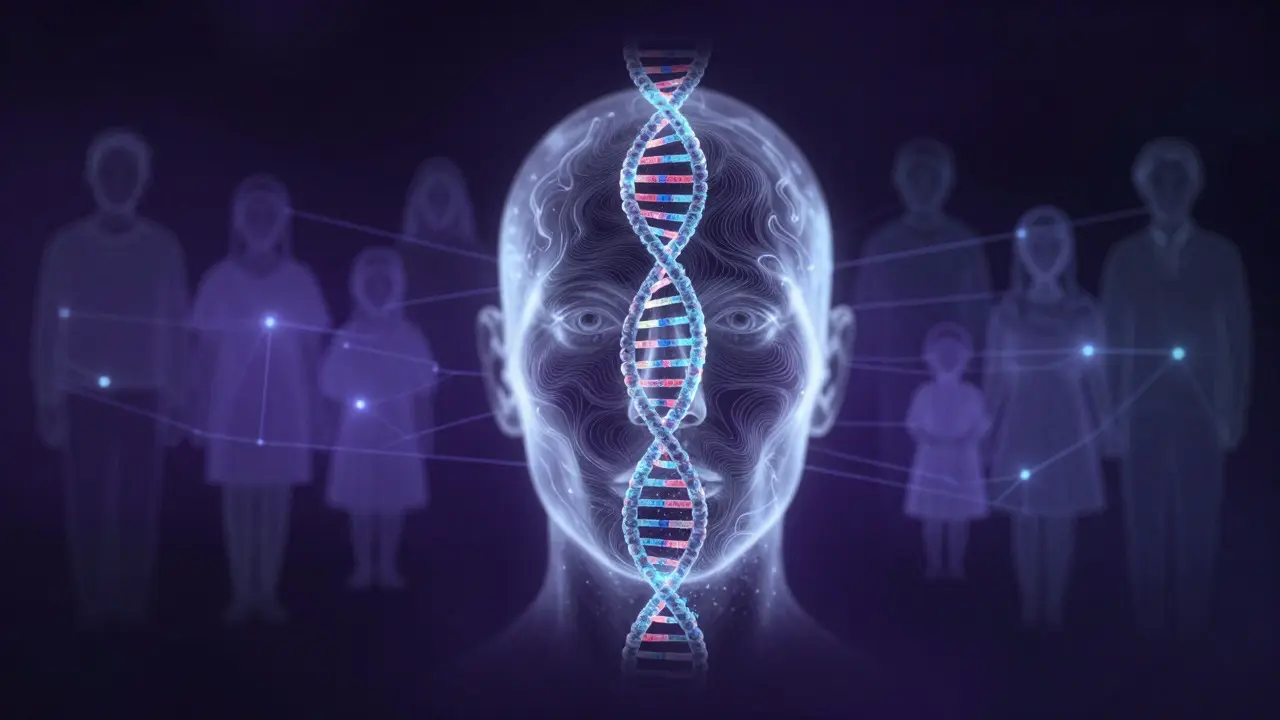
Where do these relatives come from? Mostly from consumer-facing platforms like AncestryDNA and 23andMe. Millions of people upload their saliva samples to trace their ancestry. While they think they are buying a hobby kit, they are inadvertently creating a massive reference library for forensics. When a lab identifies a potential relative, they often don't know the name yet. They have a genetic ID. By searching these public trees, researchers can triangulate the common ancestor. This process, known as genetic genealogy, requires meticulous record-keeping and access to census records, obituaries, and birth certificates to verify the links.
The challenge lies in privacy. Since 2018, legal battles have arisen over whether using these private databases without consent violates Fourth Amendment rights. However, courts have largely sided with law enforcement, ruling that users voluntarily share data publicly. Still, best practices dictate obtaining a warrant specifically authorizing the search of these third-party repositories.
Step-by-Step Investigation Process
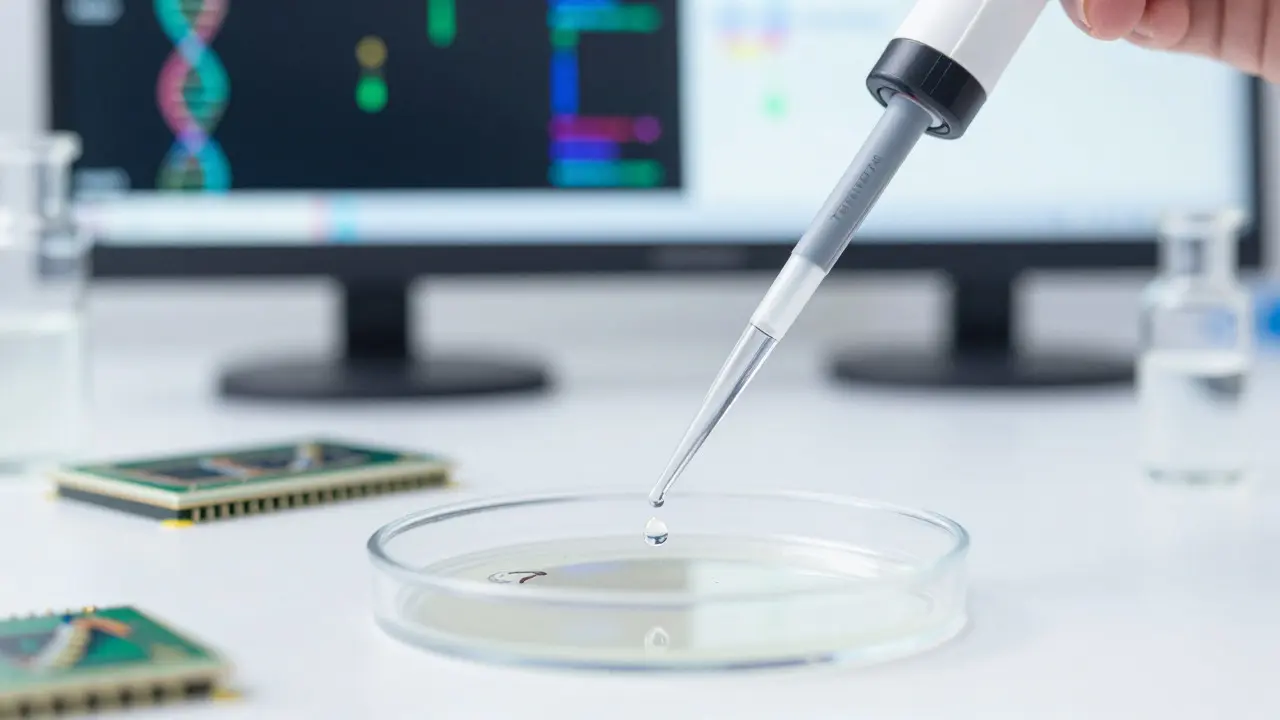
Executing a kinship search isn't just about running software. It involves a multi-stage workflow that combines laboratory science with traditional detective work.
- Sample Extraction: Collect degraded DNA from old evidence. Use sensitive extraction kits designed for low-template DNA.
- Genotyping: Sequence the sample using an array chip that reads thousands of SNP positions simultaneously.
- Statistical Analysis: Run the data through software like GEDmatch or specialized forensic tools to generate candidate relatives. Filter results based on relationship probability thresholds (e.g., >95% confidence for siblings).
- Tree Construction: Investigate the top candidates. Build family trees backward to find the most recent common ancestor.
- Suspect Identification: Identify the individual in the tree who fits the demographic profile of the offender (age, gender, location).
- Confirmatory Testing: Obtain a voluntary or court-ordered sample from the suspect. Perform a full STR comparison to confirm the match.
Legal and Ethical Considerations
Using someone’s DNA to catch a relative raises significant ethical questions. Does a cousin have the right to keep a secret about their brother? Most jurisdictions now have statutes explicitly allowing investigative genetic genealogy (IGG) for violent crimes. For homicide, the justification is strongest due to the severity of the offense. However, transparency is key. Agencies should document every step, ensuring the chain of custody remains unbroken from the initial swab to the final identification.
Privacy advocates argue for stricter limits. Some propose that only certain categories of crimes should qualify for IGG. Others demand that consumers be notified when their data is used in investigations. As of 2026, while not universal, many states require a judicial order before accessing commercial database records. This balance protects civil liberties while preserving a powerful tool for justice.
Challenges in Degraded Samples
Cold cases often mean old evidence. DNA degrades over time, especially if stored improperly. Heat, humidity, and UV light break down the polymer chains. Kinship searches are more robust than standard matching because they rely on multiple independent markers. Even if half the data is missing, the remaining markers can still point to a relative. However, extreme degradation can lead to "dropout" events where alleles fail to amplify. Laboratories must use probabilistic genotyping software to interpret these messy profiles accurately. This adds complexity and cost but significantly increases the chance of solving decades-old murders.
Future Trends in Forensic Genetics
Technology is moving faster than regulation. Next-generation sequencing (NGS) is replacing older array chips, offering even higher resolution. This allows for phenotype prediction-estimating eye color, hair texture, and facial structure from DNA. Combined with kinship analysis, this creates a composite sketch that can be released to the public. Furthermore, mitochondrial DNA (mtDNA) and Y-chromosome haplotypes are being integrated to trace maternal and paternal lines separately, providing a more complete family map. These advancements promise to solve not just homicides, but other serious crimes like sexual assault and kidnapping.
What is the success rate of DNA kinship searches in homicide cases?
While exact rates vary by jurisdiction, studies indicate that kinship searches successfully identify a suspect or a viable lead in approximately 40-60% of eligible cold case homicides. The success depends heavily on the quality of the DNA sample and the availability of relatives in public databases.
Does the suspect need to consent to a kinship search?
No. The search itself relies on the DNA of relatives who uploaded their data voluntarily. However, once a suspect is identified, law enforcement typically seeks a warrant for a confirmatory test unless the suspect volunteers a sample. The legal basis rests on the probable cause established by the genetic link.
How long does a typical kinship search take?
The timeline varies. Laboratory processing takes 2-4 weeks. The genealogical investigation can take anywhere from a few days to several months, depending on how complex the family tree is and how accessible the historical records are.
Can kinship searches identify distant relatives?
Yes, but with decreasing accuracy. Close relatives (parents, siblings, children) are easiest to identify. Distant cousins (4th or 5th degree) are harder to distinguish from unrelated individuals with similar ethnic backgrounds, requiring more extensive tree-building to confirm the connection.
Is DNA kinship search admissible in court?
Yes, in most jurisdictions. Courts have accepted the scientific validity of the underlying genetics. The key is demonstrating proper methodology, chain of custody, and statistical rigor during expert testimony. The final conviction usually rests on the confirmatory STR match, not just the kinship inference.