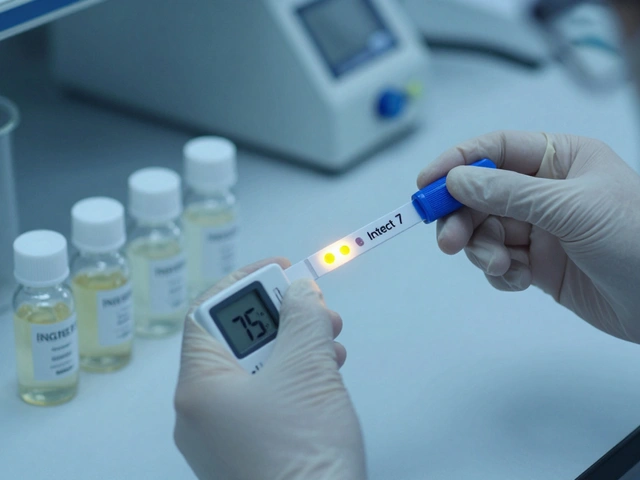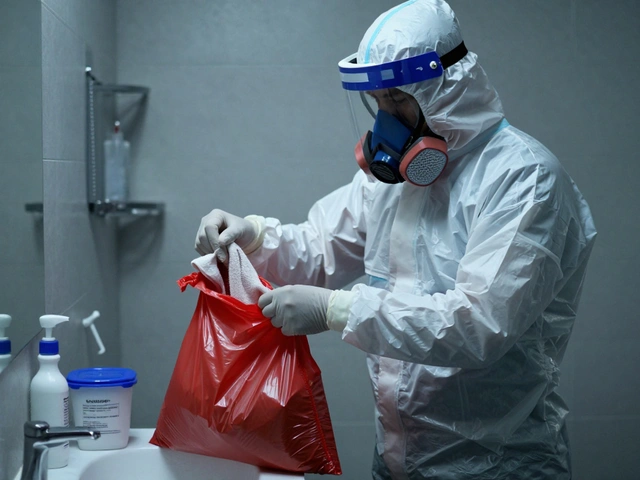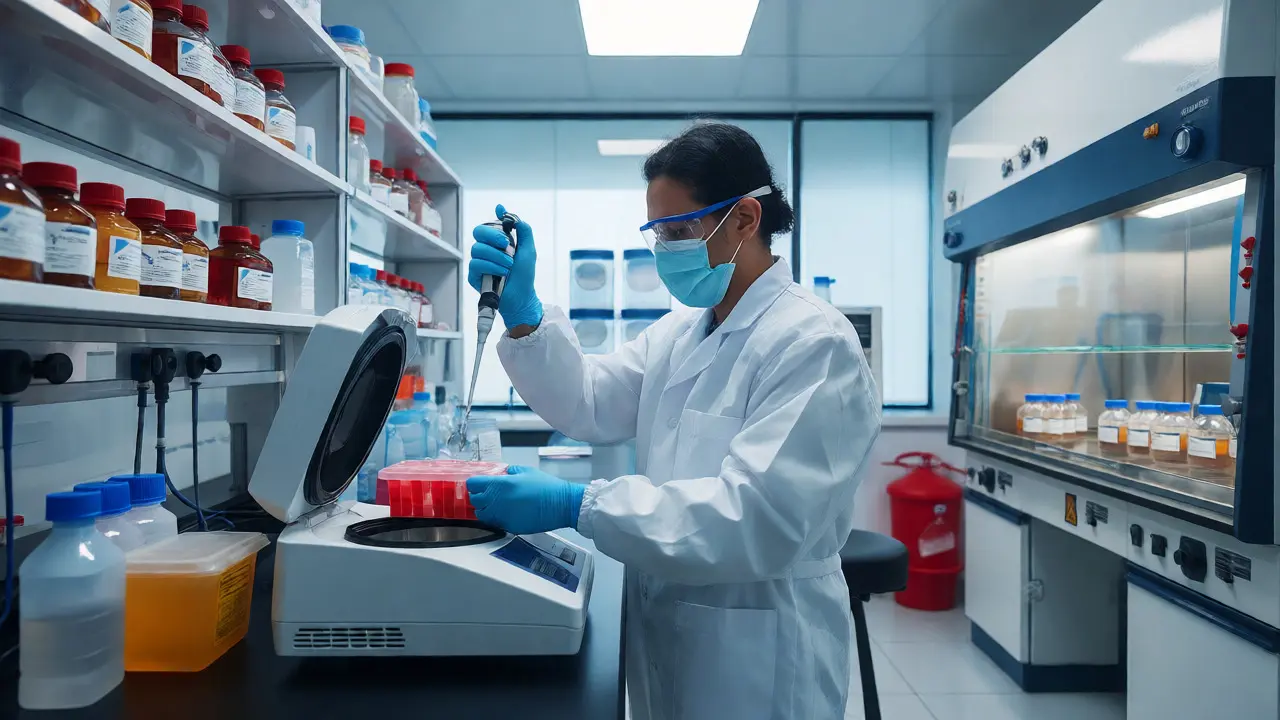
You walk into a laboratory. The air smells faintly of ethanol and something sharper, maybe formalin. You see researchers pipetting samples, centrifuges humming, and shelves stacked with reagent bottles. It looks like science in action. But if you are the one responsible for getting this lab accredited, that scene is also a minefield. One missed label, one unlabeled waste container, or one researcher skipping a glove change can derail an entire audit.
Getting safety training right isn't just about checking boxes for ISO 15189 or CAP inspections. It's about building a culture where safety is second nature. When auditors show up, they don't just look at your paperwork; they watch how people work. If your team treats chemical hygiene and biosafety as annoying chores rather than core skills, you will fail. Here is how to build a training program that actually sticks and satisfies the toughest inspectors.
The Dual Threat: Chemical vs. Biological Hazards
Labs often make the mistake of treating chemical and biological hazards as separate silos. In reality, they overlap constantly. A microbiologist might use a harsh disinfectant (chemical) to clean a bench after handling a viral culture (biological). If their training only covers one aspect, gaps appear. Auditors spot these gaps immediately.
Think of it this way: OSHA’s Laboratory Standard (29 CFR 1910.1450) covers chemical hygiene, while NIH guidelines cover biosafety. You need a unified approach. Your training must address the interaction between them. For example, does your staff know which decontamination agents neutralize specific chemical spills without reacting dangerously with biological residues? This level of detail shows maturity in your quality management system.
Building a Robust Chemical Hygiene Plan
Your Chemical Hygiene Plan (CHP) is the backbone of chemical safety. It is not a static document gathering dust on a shelf. It needs to be a living guide tailored to your specific lab operations. Inspectors will ask employees to explain the CHP. If the answer is vague, you lose points.
Effective training breaks down the CHP into actionable steps:
- Hazard Identification: Teach staff how to read Safety Data Sheets (SDS). Don't just say "read the SDS." Show them how to find the GHS pictograms, exposure limits, and incompatibility warnings in under two minutes.
- Engineering Controls: Explain why fume hoods matter. Train users on face velocity checks and sash height rules. A hood used incorrectly is worse than no hood at all.
- PPE Selection: Gloves are not universal. Nitrile doesn't protect against everything. Train staff to check manufacturer permeation data for specific solvents. Using the wrong glove gives false confidence.
A common pitfall is assuming everyone knows how to handle a spill. They don't. Run tabletop exercises. Give them a scenario: "You dropped a bottle of concentrated hydrochloric acid near the drain. What do you do first?" If they reach for water instead of a neutralizer, your training failed.
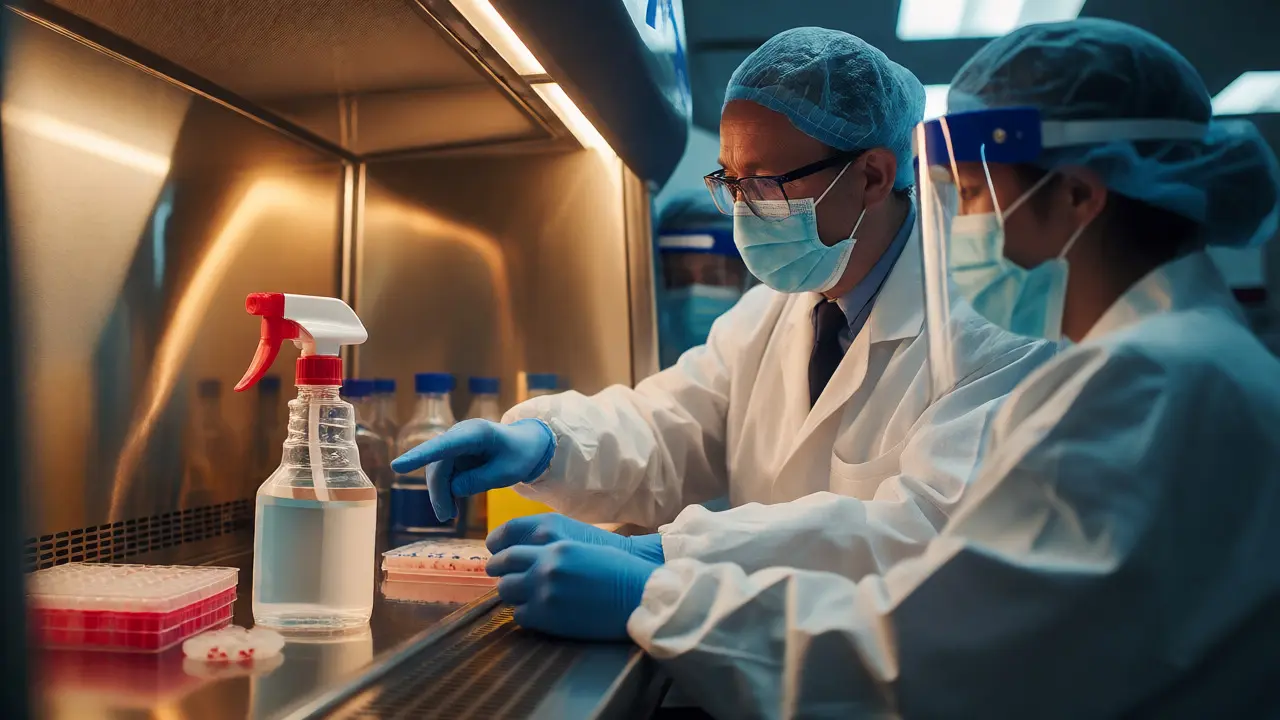
Biosafety Levels: Matching Training to Risk
Biosafety is tiered. Biosafety Level 1 (BSL-1) involves well-characterized agents not known to cause disease in healthy adults. BSL-3 deals with serious or lethal diseases transmitted via aerosols. Your training intensity must match the risk.
For BSL-1 labs, focus on basic aseptic technique and proper handwashing. For BSL-2 and higher, introduce respiratory protection fit testing and controlled access procedures. Inspectors look for evidence that high-risk personnel understand the consequences of aerosol generation. Did they train on how to open a tube safely? Do they know why you never vortex a sample with the cap loose?
| Training Component | BSL-1 Focus | BSL-2 Focus | BSL-3 Focus |
|---|---|---|---|
| Entry/Exit Procedures | Basic hand hygiene | Gowning/doffing sequence | Airlock protocols, shower-out requirements |
| Aerosol Control | Minimal emphasis | Centrifuge safety cups required | Class II BSC mandatory for all manipulations |
| Medical Surveillance | Not typically required | Vaccination status review | Baseline serum storage, regular health checks |
| Incident Reporting | Spill cleanup only | Needlestick/sharps injury protocol | Immediate quarantine of area, rapid response team |
The Audit Trail: Documentation That Saves You
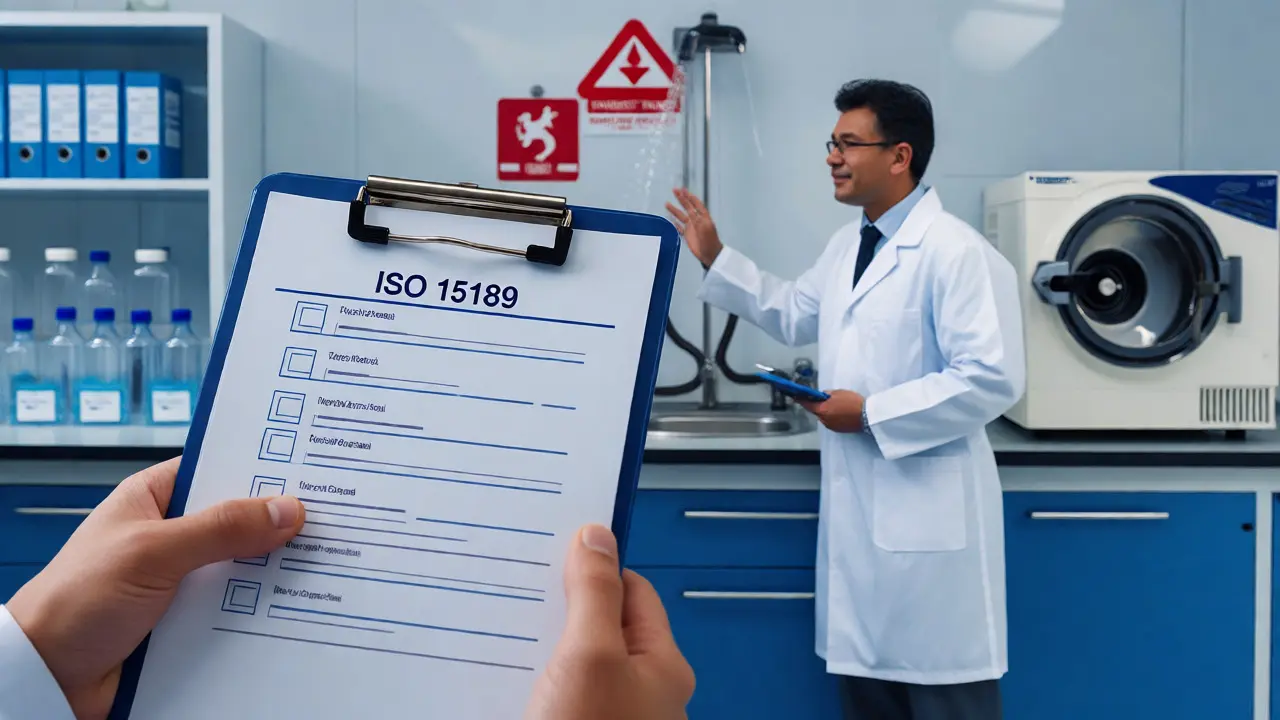
If it isn't documented, it didn't happen. This is the golden rule of lab accreditation. Auditors love paper trails, but they hate messy ones. Your training records need to be specific. "Safety Training - Jan 2026" is weak. "Chemical Hygiene Plan Review and Fume Hood Competency Assessment - Jan 2026" is strong.
Include competency assessments, not just attendance sheets. Did the employee pass a quiz? Did they demonstrate proper donning of PPE? Record the date, the trainer's name, and the outcome. If an incident occurs six months later, you need to prove the employee was competent at that time.
Also, track refresher courses. Regulations often require annual updates. Set calendar reminders. Missing a refresher date is a non-conformance waiting to happen. Use a Learning Management System (LMS) if possible, but even a well-maintained spreadsheet works if it is accessible during an audit.
Culture Over Compliance
Here is the secret weapon in accreditation: culture. Inspectors can tell when a lab is just trying to pass versus when it genuinely cares about safety. How? Look at the small things. Are there expired chemicals sitting in the back of the fridge because no one wanted to deal with disposal? Is the eyewash station blocked by boxes?
Encourage a "stop work" authority. Any technician, regardless of rank, should feel empowered to stop a process if they see an unsafe condition. Train leaders to respond positively to these interventions. If someone flags a potential hazard, thank them publicly. This signals to the whole team that safety trumps speed.
Regular safety meetings help too. Keep them short-15 minutes max. Discuss recent incidents from other labs. Share a quick tip on handling a new reagent. Make it conversational, not lecture-style. When people engage, they retain information better.
Preparing for the Inspection Day
When the auditor arrives, they will likely interview random staff members. Prepare your team for this. Practice mock interviews. Ask questions like: "Where is your nearest emergency shower?" "What is the correct procedure for disposing of biohazardous waste?" "Show me how you would put on your respirator."
Keep your safety manual accessible but organized. Have binders ready with current SDSs, waste manifests, and maintenance logs for equipment like autoclaves and biosafety cabinets. Ensure all labels are legible and dated. Unlabeled tubes are a classic failure point.
Finally, stay calm. If an auditor finds a minor issue, acknowledge it and offer a corrective action plan. Defensiveness raises red flags. Transparency builds trust. Showing that you have a robust system for identifying and fixing issues is often more impressive than having zero findings.
How often should chemical hygiene training be refreshed?
While regulations vary, annual refreshers are the industry standard for most laboratories. However, immediate retraining is required whenever new hazards are introduced, such as when a new chemical is added to the inventory or when a piece of equipment changes operationally. Always check your local jurisdiction's specific requirements, as some states mandate semi-annual reviews for high-risk environments.
Is online training sufficient for lab accreditation?
Online modules are excellent for theoretical knowledge, such as understanding GHS symbols or regulatory history. However, most accreditors, including CAP and ISO 15189 assessors, require practical, hands-on demonstration for critical skills. This includes proper PPE donning/doffing, spill kit usage, and emergency equipment location. Online training should be supplemented with in-person competency assessments to satisfy audit requirements.
What is the difference between a chemical hygiene officer and a biosafety officer?
The Chemical Hygiene Officer (CHO) is primarily responsible for implementing the Chemical Hygiene Plan, managing hazardous waste, and ensuring compliance with OSHA's Laboratory Standard. The Biosafety Officer (BSO) focuses on biological risks, overseeing containment practices, medical surveillance, and compliance with NIH and CDC guidelines. In smaller labs, one person may wear both hats, but the roles require distinct expertise and documentation streams.
Do interns and temporary staff need full safety training?
Yes, absolutely. Every individual entering the laboratory environment, regardless of employment status or duration, must undergo site-specific safety training before performing any work. This includes volunteers, students, and contractors. Documentation must clearly identify these individuals and confirm their competency level matches the tasks they are assigned to perform.
How do we handle cross-contamination between chemical and biological areas?
Cross-contamination is managed through strict zoning and cleaning protocols. Areas designated for chemical synthesis should be physically separated from cell culture rooms where possible. Shared spaces, like break rooms or shared sinks, require clear signage prohibiting food consumption in chemical zones and mandating thorough handwashing after handling either hazard type. Regular environmental monitoring helps verify that controls are effective.