Death is a mystery until the body speaks. But not every body tells the whole story in the same way. The type of autopsy is a post-mortem examination used to determine the cause and manner of death you order changes everything about what we learn. A full dissection reveals hidden organ damage. A limited check might only confirm a gunshot wound. And a forensic review often happens without cutting into the body at all. Understanding these differences helps families, lawyers, and investigators make sense of the process.
Key Takeaways
- Full autopsies examine all major organs and are required for most unexplained deaths.
- Limited autopsies focus on specific areas, saving time when the cause of death is obvious.
- Forensic variations include external exams and radiology-only reviews that avoid invasive procedures.
- The choice depends on legal requirements, family wishes, and the complexity of the case.
- Documentation matters as much as the physical exam; notes drive court outcomes.
What Is an Autopsy Really?
An autopsy is more than just looking at a corpse. It’s a scientific investigation. In medical terms, it’s called a necropsy. The goal is simple: figure out why someone died. But the method varies wildly based on context. If a person dies in their sleep with no prior illness records, we need a full picture. If they die from a high-speed car crash where the skull is shattered, we might skip the brain inspection because the trauma is visible externally. This distinction between a medical autopsy is a procedure performed to study disease processes in deceased patients and a forensic autopsy is an examination conducted by a medical examiner or coroner to determine legal causes of death is critical. One serves science and medicine; the other serves justice.
Full Autopsy: The Deep Dive
A full autopsy is the gold standard for complex cases. Here, the pathologist opens the chest, abdomen, and skull. They remove major organs like the heart, lungs, liver, kidneys, and brain. Each organ gets weighed, cut, and examined under a microscope if needed. Why go through all this trouble? Because silent killers exist. A blood clot in the lung (pulmonary embolism) looks normal from the outside. A small tear in the aorta might be missed if you don’t open the chest. In 2023, a study published in the American Journal of Forensic Medicine and Pathology found that full autopsies changed the initial cause of death diagnosis in up to 15% of cases. That’s significant. For families, this means peace of mind. You know exactly what happened, down to the cellular level.
Limited Autopsy: When Less Is More
Sometimes, a full teardown isn’t necessary. A limited autopsy focuses on specific regions. Maybe the victim was shot in the head. We do a craniotomy to retrieve the bullet and examine brain tissue, but we leave the abdominal organs alone. Or perhaps there’s a suspected overdose. We focus on toxicology samples and lung tissue for signs of aspiration. Limited autopsies save time and reduce invasiveness. They’re common in cases where the mechanism of injury is clear. However, they carry risk. If the pathologist misses a secondary condition-like a hidden tumor or infection-the report might be incomplete. That’s why the decision to limit the scope must be documented clearly in the autopsy report is the official document detailing findings, cause of death, and manner of death.
Forensic Variations: Beyond the Scalpel
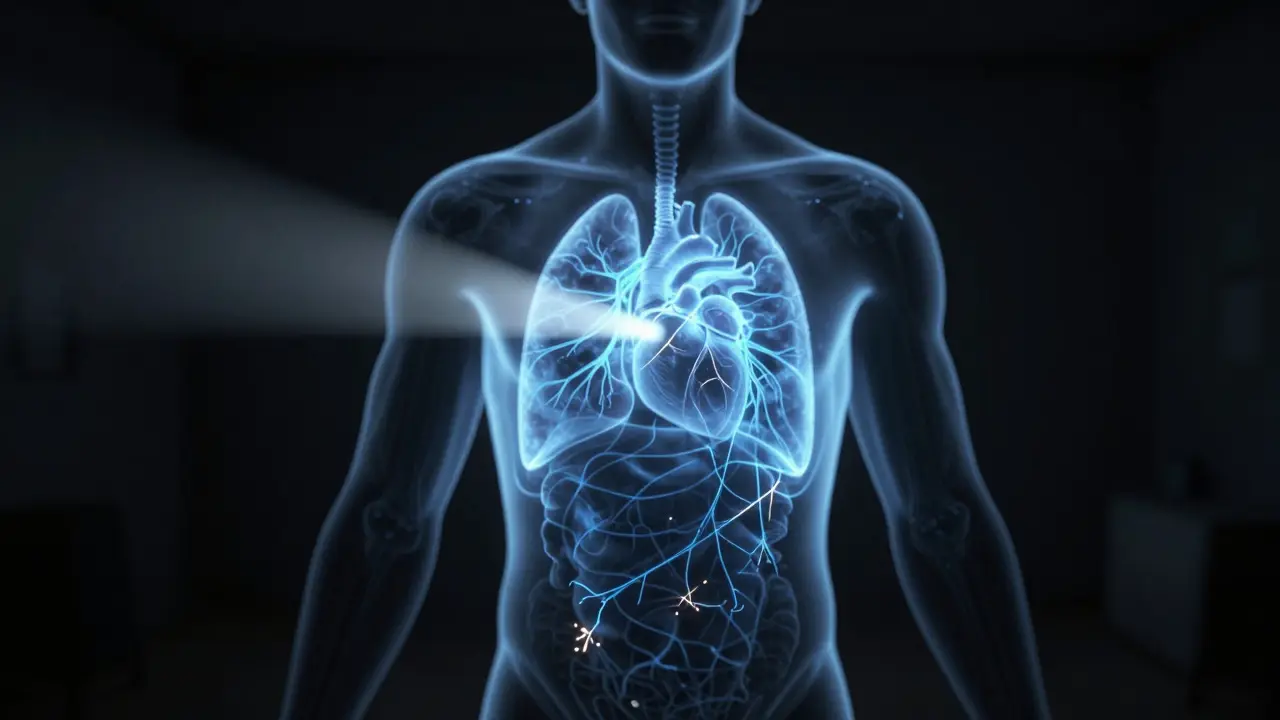
Not every forensic exam involves cutting. An external examination is the first step in almost every case. The medical examiner inspects skin wounds, bruising patterns, and signs of rigor mortis. This can reveal whether a bruise was antemortem (before death) or postmortem (after death). Then there’s the radiological autopsy. Using CT scans or MRI, doctors create a 3D map of the body. This is non-invasive and increasingly popular in mass casualty events or when religious beliefs oppose dissection. While it won’t show microscopic details, it’s excellent for locating bullets, fractures, and gas bubbles in the bloodstream. These methods complement traditional dissections rather than replace them entirely.
Comparison: Which Type Fits Your Case?
| Type | Invasiveness | Time Required | Best For | Limitations |
|---|---|---|---|---|
| Full Autopsy | High | 4-6 hours | Unexplained deaths, complex injuries | Costly, time-consuming |
| Limited Autopsy | Moderate | 1-2 hours | Clear trauma, specific organ failure | May miss unrelated conditions |
| External Exam | Low | 30 minutes | Initial triage, obvious causes | No internal view |
| Radiological | None | 1-2 hours | Mass casualties, religious objections | No tissue sampling |
Who Decides the Type?
In the US, the Medical Examiner or Coroner makes the final call. Families can request a full autopsy, but they rarely have veto power unless the death is clearly natural and the family opts for private cremation. In criminal cases, the prosecutor may influence the scope to ensure evidence is preserved. For example, if a suspect claims self-defense, the pathologist might examine the victim’s hands for defensive wounds. This interplay between law and medicine shapes the process. It’s not just about biology; it’s about building a case file that holds up in court.
Common Pitfalls to Avoid
One big mistake is assuming the autopsy report is the final word. Sometimes, additional testing takes weeks. Toxicology results for rare drugs can take months. Families should ask for interim updates. Another pitfall is misinterpreting "manner of death." Homicide doesn’t always mean murder; it can mean suicide or accidental shooting. Accidental doesn’t always mean negligence. Understanding these legal definitions prevents unnecessary panic. Finally, don’t ignore the role of the pathologist is a doctor specializing in diagnosing diseases by examining body tissues. Their experience level matters. A board-certified forensic pathologist has undergone specialized training beyond general pathology. Check their credentials if your case is high-stakes.
Next Steps for Families and Investigators
If you’re dealing with a recent death, here’s what to do. First, get the preliminary report within 24-48 hours. Ask specifically which type of autopsy was performed. If it was limited, ask why. Request copies of photographs taken during the exam. These images are crucial for insurance claims or legal disputes. For investigators, ensure chain of custody is maintained for all samples. Labeling errors can void evidence. And remember, technology is changing. Digital pathology allows remote review of slides, speeding up collaboration between local examiners and specialists. Stay informed, ask questions, and trust the process-but verify the details.
How long does a full autopsy take?
The physical examination usually takes 4 to 6 hours. However, the complete report, including lab results, can take 2 to 8 weeks depending on the complexity of the case and backlog at the laboratory.
Can families refuse an autopsy?
In most jurisdictions, if the death is suspicious or unexplained, the Medical Examiner has legal authority to perform an autopsy regardless of family wishes. For natural deaths, families often have more say, especially if they plan immediate burial or cremation.
What is the difference between cause and manner of death?
Cause of death is the medical reason, such as 'gunshot wound to the chest.' Manner of death is the legal classification: homicide, suicide, accident, natural, or undetermined. A single cause can have different manners depending on the circumstances.
Is a radiological autopsy as accurate as a full one?
It is highly accurate for detecting fractures, foreign objects, and large organ abnormalities. However, it cannot detect microscopic diseases like early-stage cancer or subtle infections, so it is often used as a supplement rather than a replacement for full dissection.
Who pays for the autopsy?
For deaths investigated by the state (suspected crimes), the government typically covers the cost. For private medical autopsies requested by families or hospitals, the cost is usually paid by the next of kin or covered by health insurance if part of clinical research.