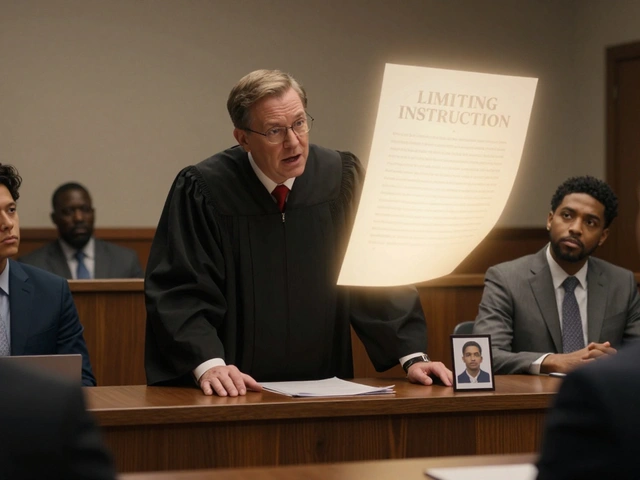
When a prosecutor walks into court and says, "The defendant fits the profile of a serial offender," what happens next? The jury might nod along. The defense might object. And the judge? They have to decide-right then and there-if that statement is legal evidence or just dangerous speculation.
What Exactly Is Profiling Evidence?
Criminal profiling isn’t a magic wand. It’s not a crystal ball. It’s not even a science in the way DNA or fingerprints are. At its core, profiling evidence in court refers to testimony from experts who claim they can link a suspect to a crime based on patterns of behavior, psychological traits, or crime scene details. Think of it as a detective’s hunch turned into courtroom language.There are three main types that show up in trials:
- Behavioral analysis: Experts explain unusual patterns in how a crime was committed-like how a sexual assault involved specific staging of the victim’s belongings, or how an arsonist left a signature symbol at every scene.
- Offender profiling: This is where things get risky. Experts say the suspect matches traits common in offenders of this type-like age, gender, education level, or even geographic mobility.
- Syndrome testimony: Often used by defense teams, this argues that the defendant’s behavior (like memory loss or emotional detachment) fits a recognized psychological condition, not criminal intent.
Here’s the catch: courts let some of this in-but only if it’s used in a very narrow way. And they block most of it when it crosses the line.
The Daubert Rule: Judges as Gatekeepers
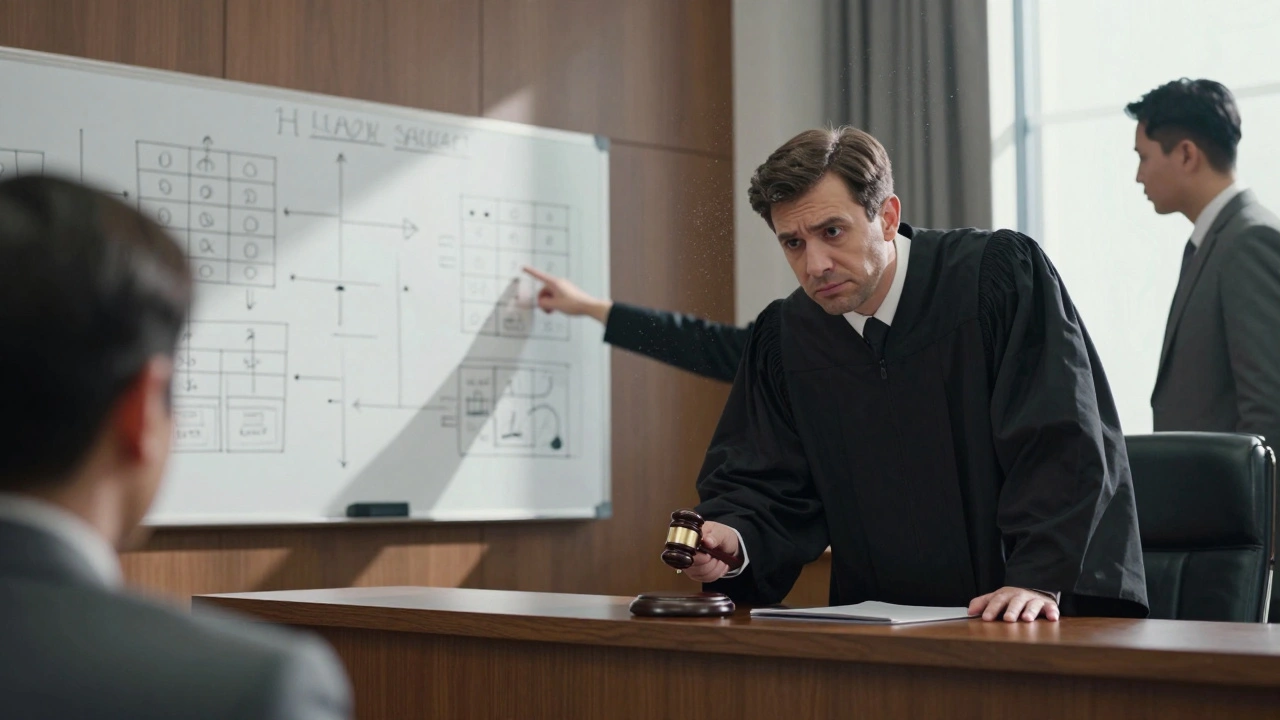
In federal courts, the rule that controls whether profiling evidence gets in is called the Daubert standard. It came from a 1993 Supreme Court case where scientists were arguing over whether a drug caused birth defects. The Court didn’t care about the drug. It cared about how experts came to their conclusions.Under Daubert, judges have to ask:
- Can this method be tested?
- Has it been peer-reviewed?
- What’s the error rate?
- Are there standards controlling how it’s done?
- Is it generally accepted in the scientific community?
Profiling struggles with all five. There’s no lab test for "this guy looks like a killer." No published study that proves a 32-year-old male with a military background is more likely to commit a certain crime. And while some profiling techniques have been used for decades, they haven’t been validated through controlled science.
That’s why many judges toss out profiling evidence outright. They don’t trust it as science. And they don’t trust it as common sense.
Why Profiling Evidence Gets Blocked
The biggest reason profiling gets excluded? It turns into character evidence.Rule 404 of the Federal Rules of Evidence says you can’t say, "This person did it because they’re the type who does things like this." That’s not how trials work. You have to prove what they did-not who they are.
Imagine a prosecutor says: "The offender in this case left a note with a specific phrase. The defendant has written similar phrases before. That’s why he’s guilty." That’s not evidence. That’s guilt by association. It’s like saying, "He listens to heavy metal, so he must be violent."
Even worse when profiles include race, gender, income level, or neighborhood. Courts have repeatedly ruled that using those traits as part of a profile is not just unreliable-it’s prejudicial. In one 1988 case, State v. Haynes, the Ohio Court of Appeals threw out a conviction because a profiler testified the defendant matched the profile of a serial rapist. The court said: "This isn’t science. It’s bias dressed up as expertise."
When Profiling Evidence Might Get In
It’s not all black and white. Courts do allow profiling evidence-but only in very specific situations.Here’s when it works:
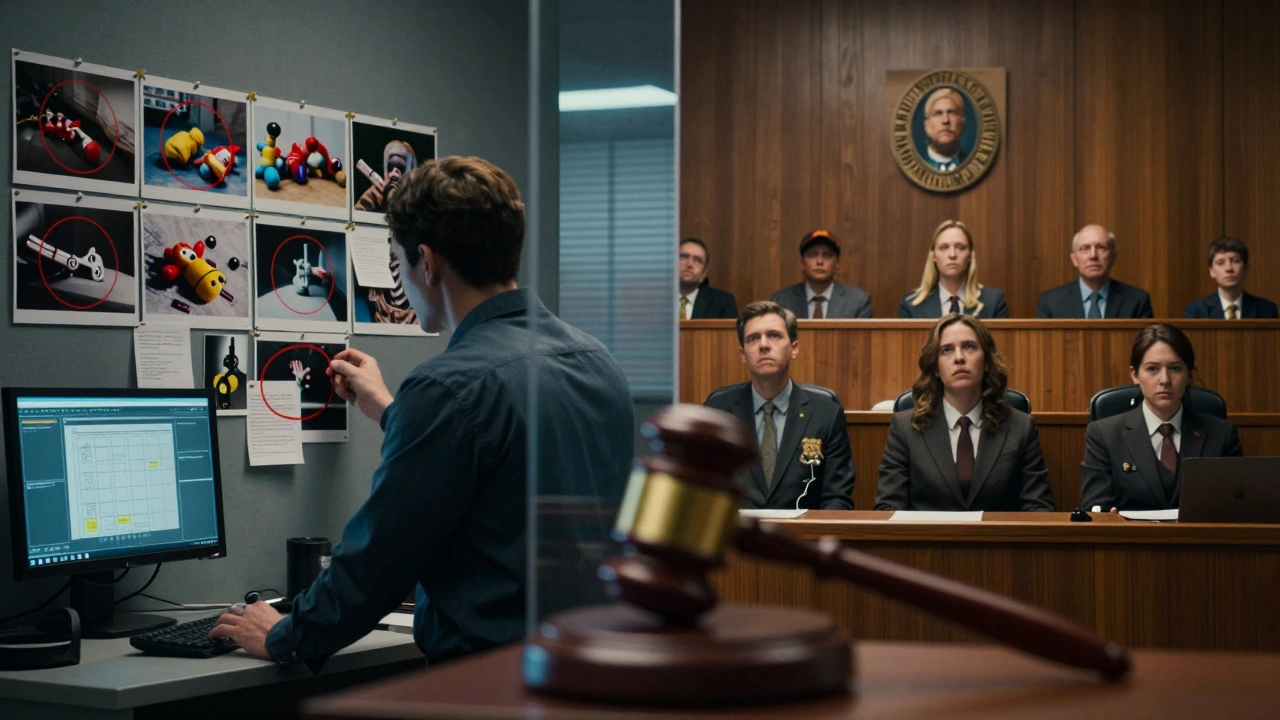
- To explain confusing evidence: If a jury doesn’t understand why a killer would leave a toy on the victim’s chest, an expert can say, "In some sexual homicides, offenders leave symbolic objects as part of a ritual." That’s not saying the defendant did it. It’s just helping the jury understand the crime.
- To link crimes together: If three different murders across three states have the same unusual signature, a profiler can say, "These are likely connected." That helps investigators focus-not convict.
- As defense testimony: Courts are more likely to let in profiling when the defense uses it to explain behavior. For example, "My client has PTSD from combat, which explains why he froze during questioning." That’s not claiming innocence. It’s explaining context.
Think of it like this: Profiling can help jurors understand the crime. But it can’t tell them who did it.
Jurisdictional Chaos: Same Testimony, Different Outcomes
Here’s where it gets messy. Not all courts use Daubert. Some still follow the older Frye standard, which only asks: "Is this method generally accepted?"That means the same expert testimony could be allowed in California but thrown out in Texas. In some states, profilers with 30 years of experience can testify about offender patterns. In others, even that’s too much.
One judge in Florida admitted profiling evidence in a serial arson case because the profiler had documented 200 similar cases. Another judge in Michigan said no, because there was no peer-reviewed study backing the patterns.
There’s no national rule. Just a patchwork of opinions. That’s why lawyers spend months before trial arguing over whether profiling even belongs in the courtroom.

What Attorneys Need to Know
If you’re a prosecutor trying to use profiling:- Don’t say the defendant "fits the profile." Say the crime "matches a known behavioral pattern."
- Don’t mention race, age, or income. Ever.
- Stick to observable crime scene details-not personality traits.
- Work with experts who have published research, not just field experience.
If you’re a defense attorney:
- Use profiling to explain behavior, not excuse it.
- Challenge the prosecution’s profile with scientific counter-evidence.
- Ask: "Is this based on data-or stereotypes?"
Either way, the goal is the same: keep profiling from becoming a shortcut to conviction.
The Bigger Picture: Profiling in Investigations vs. Courtrooms
Let’s be clear: profiling works wonders in investigations. Police use it to narrow down suspects, prioritize leads, and understand how a criminal thinks. The FBI’s Behavioral Analysis Unit has helped solve hundreds of cases this way.But investigation is not trial. In the field, you can guess. In court, you have to prove.
That’s why profiling should stay in the detective’s notebook-not the jury’s hands. It’s a tool for finding suspects. Not proof they’re guilty.
What’s Next?
Some researchers are trying to build better profiling models using big data and machine learning. Maybe one day, patterns will be statistically validated. Maybe not.Until then, courts will keep walking a tightrope. They need to understand crime. But they can’t let bias, speculation, or stereotypes convict someone.
The rule stays simple: Don’t convict based on who someone looks like. Convict based on what they did.
Can criminal profiling be used to prove someone is guilty?
No. Courts consistently rule that profiling evidence cannot be used to prove guilt. It’s not reliable enough to meet scientific standards, and it risks turning trials into judgments based on stereotypes rather than facts. Even if a defendant matches a profile, that doesn’t mean they committed the crime. Proof must come from physical evidence, witness testimony, or digital records-not behavioral guesses.
Why is profiling allowed in some cases but not others?
It depends on the jurisdiction and how the evidence is presented. Federal courts use the Daubert standard, which demands scientific reliability. Some state courts still use the older Frye standard, which only asks if the method is "generally accepted." Even within the same state, different judges interpret the rules differently. Profiling is more likely to be allowed if it explains confusing crime scene details-not if it tries to link the defendant to the crime.
Can a defense attorney use profiling to help their client?
Yes, and courts are often more open to it. Defense teams can use profiling to explain behavior-like why a defendant didn’t flee, or why they acted in a way that seems odd. For example, if a defendant has PTSD, a profiler might explain how trauma affects memory or decision-making. This doesn’t prove innocence, but it helps the jury understand context instead of jumping to conclusions.
Does profiling work better for certain types of crimes?
Yes. Profiling is most useful in cases with clear, repetitive patterns-like serial arson, sexual homicide, or stalking. In these crimes, offenders often leave behind behavioral "signatures"-specific ways they stage scenes or interact with victims. Experts can testify about these patterns to help jurors understand the crime, as long as they don’t say the defendant is guilty because they match the pattern.
What happens if a judge allows profiling evidence that later gets appealed?
Appeals courts often reverse convictions when profiling evidence was improperly admitted. In State v. Haynes (1988), the Ohio Court of Appeals overturned a conviction because a profiler testified the defendant matched the profile of a serial rapist. The court ruled this was prejudicial character evidence. Similar reversals have happened in multiple states, showing that appellate judges are deeply skeptical of profiling as direct evidence of guilt.