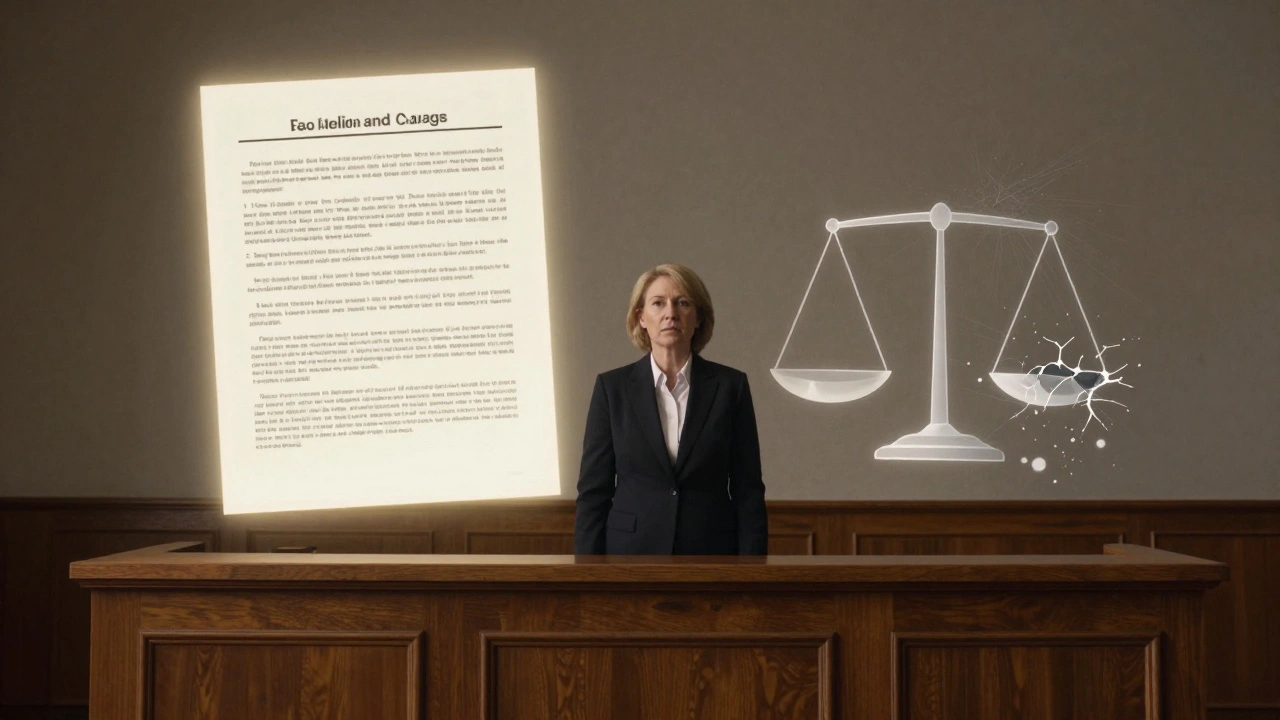
When an expert takes the stand, they aren’t just giving an opinion-they’re offering a piece of the truth that a judge or jury will rely on to make a life-altering decision. That’s why ethical reporting requirements for expert witnesses aren’t just guidelines. They’re the foundation of justice itself.
What Makes an Expert Witness Ethical?
An expert witness isn’t a hired advocate. They don’t work for the side that pays them. Their job isn’t to win the case-it’s to tell the truth, even when the truth hurts the side that hired them. The legal system doesn’t need experts who say what the lawyer wants to hear. It needs experts who say what the facts demand. Federal Rules of Evidence Rule 702 lays out the four pillars of admissible expert testimony:- The expert’s knowledge must help the jury understand the evidence or decide a fact in question.
- The testimony must be based on enough facts or data.
- The methods used must be scientifically reliable.
- The expert must have correctly applied those methods to the facts of the case.
The Core Ethical Duty: Truth Over Advocacy
Many experts fall into a trap. They think their job is to support their client’s argument. That’s wrong. The attorney’s job is to advocate. The expert’s job is to analyze. The American Society of Appraisers (ASA) makes it clear: experts must disclose everything. Not just the conclusions. Not just the favorable data. But the facts, the assumptions, the methods, and the reasoning behind every step. If an expert hides a flawed assumption or omits contradictory data, they’re not helping their client-they’re misleading the court. The National Institute of Justice (NIJ) puts it bluntly: experts must follow the scientific method no matter where it leads. If the data points to a conclusion that weakens their client’s case, they still have to say it. That’s not disloyal. That’s professional.What’s in the Report? The Must-Have Elements
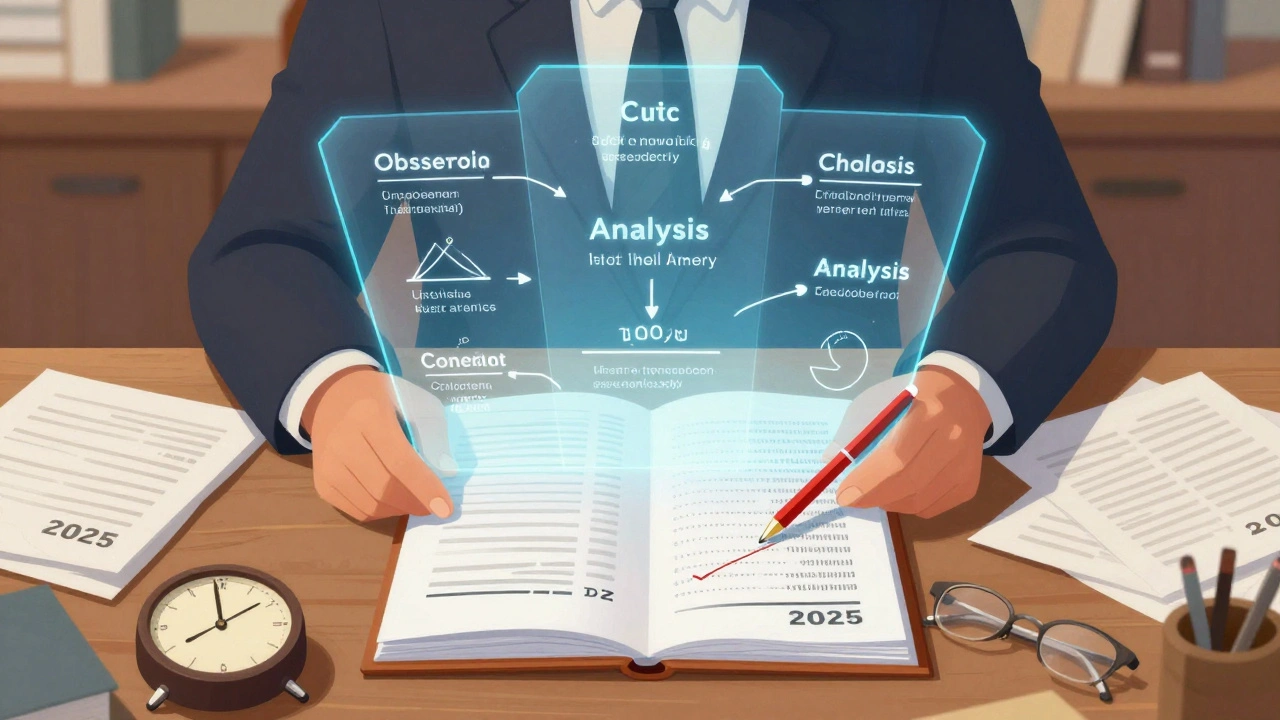
Federal Rules of Civil Procedure Rule 26(a)(2) requires written expert reports to include:- Complete opinions the expert will testify to
- The facts or data considered
- The methods and principles used
- Any other experts who helped prepare the report
- The date the report was finalized
Lawyers Can’t Cross the Line Either
It’s not just the expert who’s bound by ethics. The attorney who hires them is too. The American Bar Association’s Model Rule 3.3 says lawyers can’t offer evidence they know is false. Even if the client insists. Even if the case is on the line. If an expert’s report says the damage was caused by a faulty valve, and the lawyer knows it was actually caused by improper installation, they can’t let the expert testify to the wrong cause. And it gets worse. If a lawyer pays an expert a contingency fee-say, $10,000 if they win the case-that’s professional misconduct under ABA Rule 8.4. Experts should be paid for time and expertise, not for outcomes. Paying for results turns testimony into a product. And products can be manipulated. Even more dangerous: lawyers who coach experts to soften or hide inconvenient facts. That’s not strategy. That’s deception. The Expert Institute warns that if an attorney is trying to “make the report look better,” they’re already on the wrong side of ethics.Confidentiality vs. Truth: The Tightrope Walk
Lawyers are bound by confidentiality. Rule 1.6 says they can’t reveal what clients tell them. But what if the client tells the lawyer something false, and the lawyer passes it along to the expert? The expert doesn’t know it’s false. The lawyer knows. And now the expert is testifying based on a lie. In that case, the lawyer has two choices: correct the record, or disclose the falsehood to the court-even if it breaks confidentiality. Rule 3.3 says so. If false evidence is presented and the lawyer knows it, they must take reasonable steps to fix it. That might mean telling the judge. Even if the client fires them. Even if the case collapses. The Texas Court of Appeals looked at this issue and found that whether a confidential relationship exists between lawyer and expert depends on more than just a signed NDA. It’s about how much information was shared, how often, and whether the expert was treated like a consultant or a witness. The more access the expert has to the case, the greater the ethical obligation to protect truth over secrecy.Professional Codes Don’t Wait for Court Rules
Legal rules set the floor. Professional codes set the ceiling. The National Society of Professional Engineers (NSPE) Code of Ethics says engineers serving as experts must provide “fair, thorough, complete, and accurate analysis.” The American Society of Appraisers says experts must disclose “what they did, how they did it, why they did it.” The forensic science community, guided by NIJ, insists on scientific objectivity-no exceptions. These aren’t suggestions. They’re professional obligations. Violate them, and you risk losing your license, your reputation, and your ability to testify ever again.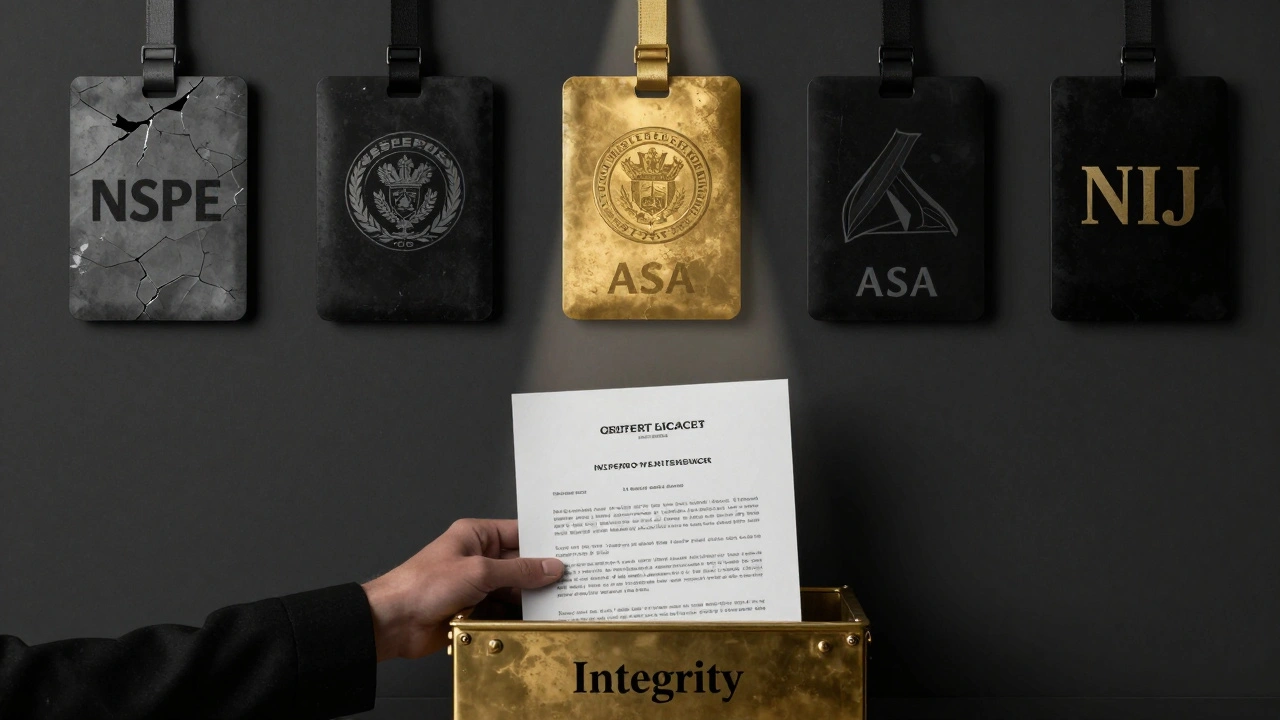
What Happens When Ethics Break Down?
The consequences aren’t theoretical. In one 2023 case, a forensic accountant testified that a company had overreported revenue by $4 million. The report was based on outdated financial statements. The expert hadn’t reviewed the latest audit. At trial, the defense showed the numbers had been corrected six months before the report was written. The expert’s opinion was discredited. The jury dismissed the entire claim. The expert was reported to their licensing board. Their credentials were suspended for two years. In another case, a medical expert changed their opinion during deposition. Their written report said the injury was caused by a fall. At deposition, they admitted they’d been pressured to say it was pre-existing. The court excluded their testimony. The attorney was sanctioned. The expert’s name was added to a national registry of disqualified witnesses. These aren’t rare. They’re becoming more common as courts tighten scrutiny. The Daubert standard, which judges use to screen expert testimony, now routinely demands transparency-not just on methods, but on bias.How to Stay Ethical: A Simple Checklist
If you’re an expert witness, here’s what you must do:- Only testify in your area of true expertise. Don’t stretch your credentials.
- Document every step. Write down your data sources, assumptions, and calculations.
- Update your report if new information emerges. Date every revision.
- Never change your opinion to match what the lawyer wants. If you’re pressured, walk away.
- Disclose everything-even the inconvenient facts.
- Don’t accept contingency fees. Get paid for time, not outcomes.
- Review your report before testifying. If it doesn’t match what you’ll say, fix it.
- Discuss case facts with your client before contacting any expert.
- Require a written report with full disclosure of methods and data.
- Never ask an expert to “soften” a conclusion.
- Pay a flat fee, not a percentage of the outcome.
- If you suspect false testimony, notify the court immediately.
Why This Matters Beyond the Courtroom
When experts cut corners or bend the truth, the damage isn’t just to one case. It erodes public trust in forensic science, in the legal system, and in the idea that justice is based on facts-not money or influence. The courtroom isn’t a battlefield. It’s a forum for truth. And experts are the only ones who carry the burden of speaking it. If you take on the role of expert witness, you’re not just lending your expertise. You’re vouching for the integrity of the entire process. That’s a responsibility no fee can justify-and no client can override.Can an expert witness be sued for giving false testimony?
Yes. While expert witnesses generally have immunity from civil lawsuits for testimony given in court, they can still face professional consequences-like losing their license, being barred from testifying, or facing disciplinary action from their professional board. If they knowingly falsify data or fabricate conclusions, they may also be subject to criminal charges for perjury or fraud.
What if an expert changes their mind after submitting a report?
If an expert changes their opinion after submitting a written report, they are ethically required to update the report and notify all parties involved-including opposing counsel and the court. Failing to do so and testifying inconsistently with the original report can be treated as misconduct. Courts treat such inconsistencies as potential evidence of bias or manipulation.
Are expert witnesses required to disclose all data they used?
Yes. Under Federal Rule of Civil Procedure 26(a)(2), experts must disclose all facts, data, assumptions, and methods used to form their opinion. Withholding any of this information-especially if it undermines their conclusion-is a violation of ethical standards and can lead to exclusion of testimony or professional sanctions.
Can an attorney pay an expert based on the case outcome?
No. Paying an expert a contingency fee-where payment depends on the case result-is considered professional misconduct under ABA Rule 8.4. Experts must be paid a reasonable, fixed fee for their time and expertise, not for producing favorable outcomes. This prevents financial incentives from influencing testimony.
What should an expert do if they realize their testimony is based on incorrect facts?
The expert must immediately inform the attorney who hired them. If the attorney refuses to correct the record, the expert should contact the court directly to disclose the error. Ethical guidelines require experts to prioritize truth over loyalty to the hiring party. Silence in the face of known error is itself a violation.