When a crime scene is processed, evidence is collected, and lab results come back, the justice system depends on one thing: trust. That trust doesn’t come from a lab’s reputation or how long it’s been around. It comes from accreditation. Forensic laboratory accreditation isn’t just paperwork-it’s the backbone of reliable forensic science. Without it, evidence can be thrown out, cases can collapse, and innocent people can be wrongly convicted.
What Is Forensic Laboratory Accreditation?
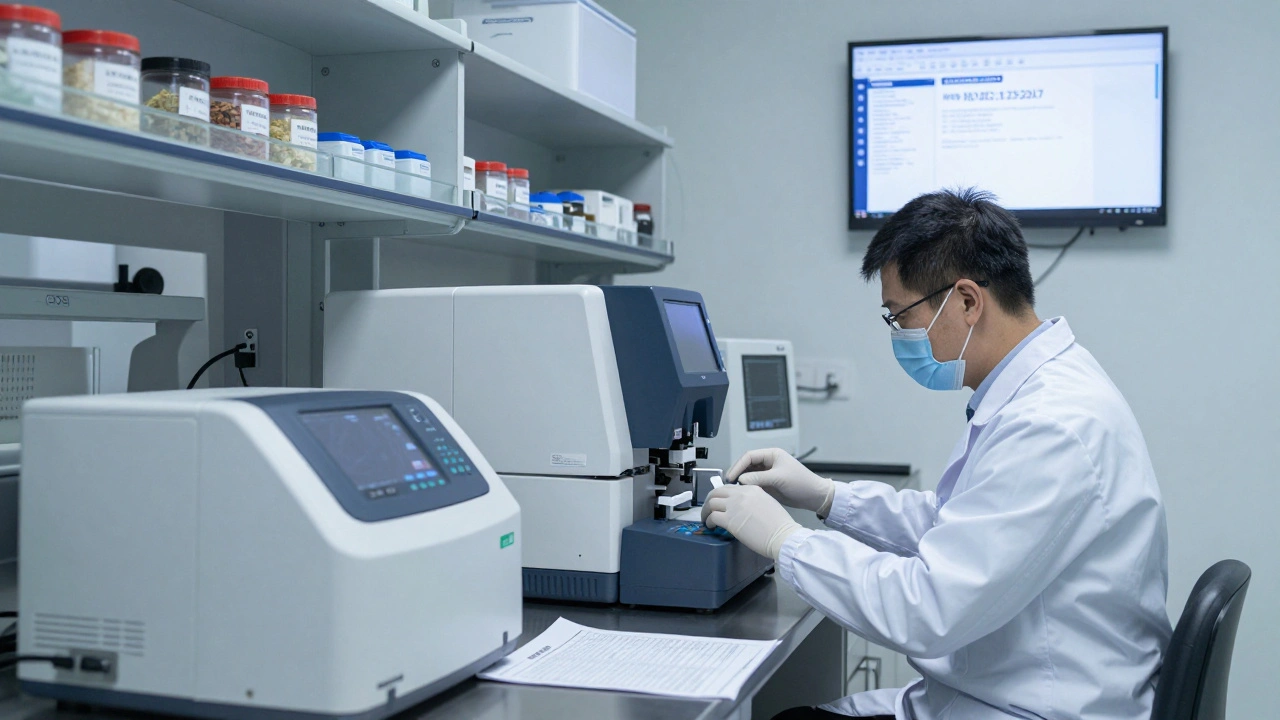
Forensic laboratory accreditation is the official process where an independent body checks if a lab meets strict international standards for competence, impartiality, and consistent operation. It’s not optional for labs handling criminal evidence. In the U.S., labs that do DNA testing, toxicology, ballistics, or digital forensics must be accredited to be legally recognized in court. Accreditation means the lab has been evaluated by experts and proven it can deliver accurate, repeatable results under real-world conditions.The core standard used across the country is ISO/IEC 17025:2017 a global standard that outlines the general requirements for the competence of testing and calibration laboratories. This isn’t just a suggestion-it’s the baseline. Labs must prove they have trained staff, properly calibrated equipment, documented procedures, and systems to prevent errors. If they fail any part of the audit, they lose accreditation.
Who Accredits Forensic Labs in the U.S.?
Two main organizations handle most forensic lab accreditations in the United States: ANAB the ANSI National Accreditation Board, the most widely recognized forensic accreditor in the U.S. and A2LA the American Association for Laboratory Accreditation, which offers both testing and inspection body accreditation.ANAB is the only agency approved by the FBI’s National DNA Indexing System (NDIS) to accredit DNA labs. It’s also the only body authorized in New York State and Maryland to accredit forensic labs under state law. ANAB uses subject matter experts-practicing forensic scientists-to review labs. They don’t just check paperwork; they watch analysts run tests, review calibration logs, and verify that results can be replicated.
A2LA, on the other hand, offers two separate accreditation paths: one for testing labs (like those analyzing blood or drugs) and one for inspection bodies (like crime scene units). A2LA is recognized by the Texas Forensic Science Commission and offers dual assessments that meet both FBI standards and ISO/IEC 17025. This makes it a popular choice for labs that need to satisfy multiple regulatory requirements.
Key Standards Labs Must Meet
Accreditation isn’t about one standard-it’s about a layered system. Here are the main ones:- ISO/IEC 17025:2017 The primary standard for testing and calibration labs. Covers personnel, equipment, methods, and quality control
- ISO/IEC 17020 Applies to inspection bodies, such as crime scene units that evaluate physical evidence at the scene
- FBI Quality Assurance Standards Mandatory for DNA labs participating in the national DNA database (CODIS). Requires biannual audits
- ABFT Checklist The American Board of Forensic Toxicology’s standards for toxicology labs. Based on guidelines from SOFT and AAFS since 1991
- ANSI/ASB Standard 036 Requires method validation in forensic toxicology. Labs must prove their tests work as claimed
Some labs also follow ISO 15189:2012 a standard for medical laboratories, sometimes used by forensic labs that handle biological samples like blood or tissue. But ISO/IEC 17025 remains the gold standard for most forensic disciplines.
What Disciplines Are Covered?
Accreditation isn’t just for DNA or drug labs. It covers dozens of forensic specialties:- Biology (DNA, semen, saliva)
- Firearms and toolmarks (ballistics, bullet comparisons)
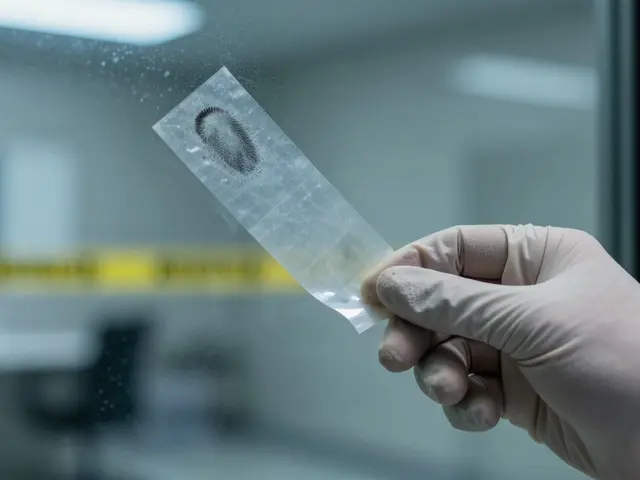
- Friction ridge impressions (fingerprints, palm prints)
- Toxicology (drugs, alcohol, poisons in blood)
- Seized drugs (identifying controlled substances)
- Fire debris and explosives
- Digital forensics (cell phones, computers, surveillance footage)
- Bloodstain pattern analysis
- Scene investigation and evidence collection
- Medicolegal death investigation
- Trace evidence (hair, fibers, paint, glass)
Labs don’t have to get accredited for everything. They can choose which disciplines to include. For example, the Houston Forensic Science Center accredited by ANAB, includes all its disciplines-from crime scene units to toxicology-under ISO/IEC 17025:2017. But a smaller lab might only pursue accreditation for drug analysis and DNA testing.
The Accreditation Process: What Labs Actually Do
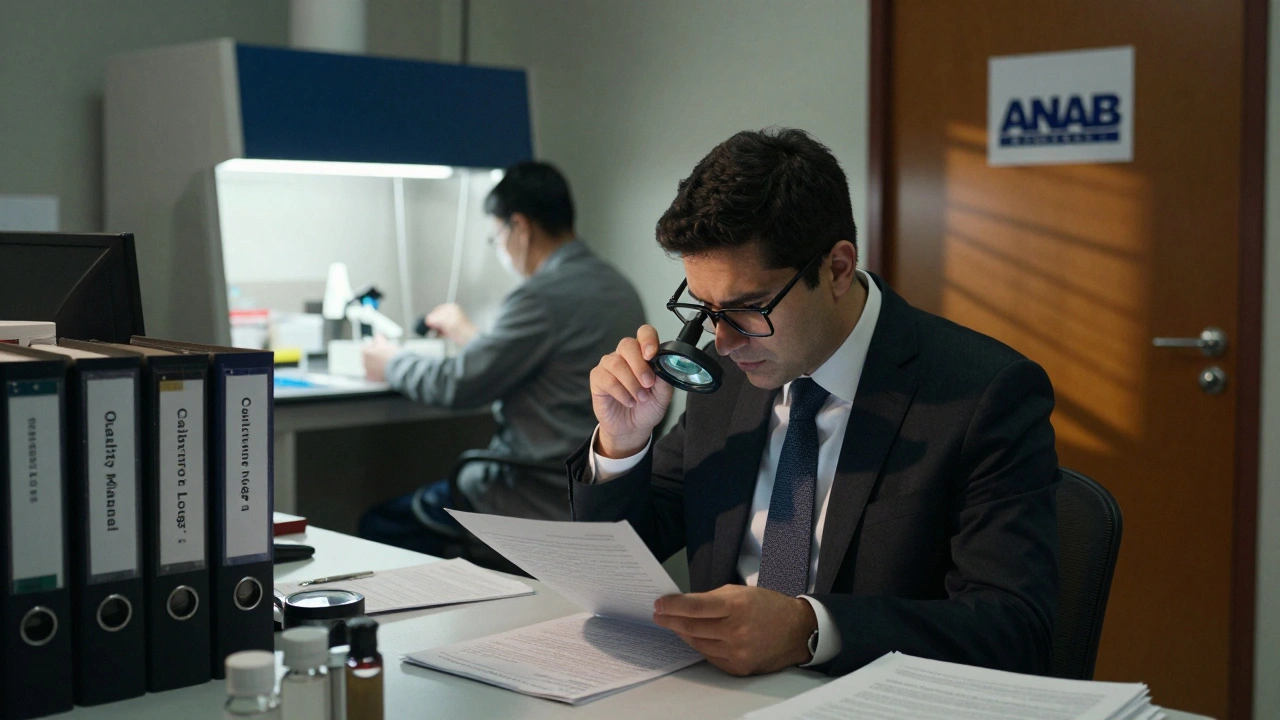
Getting accredited isn’t a quick form-filling exercise. It’s a year-long effort that requires:- Creating a Quality Manual-a detailed document that explains every procedure, from how to clean a workstation to how to handle evidence.
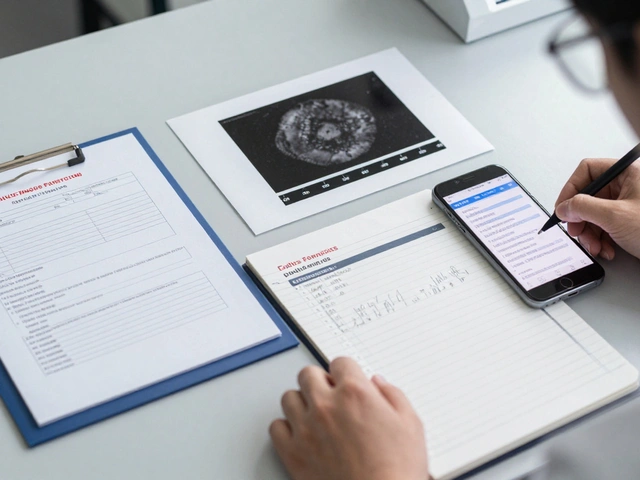
- Documenting Procedures-every step must be written down, approved, and followed exactly.
- Training Staff-analysts must prove they’re competent through testing, observation, and ongoing education.
- Validating Methods-if a lab uses a new test for drugs or DNA, it must prove the method is accurate, precise, and reliable.
- Running Internal Audits-labs must regularly check their own work for errors before an external auditor arrives.
- Managing Equipment-every instrument must be calibrated and maintained with records.
- Controlling Documents-old versions of procedures must be removed so no one uses outdated methods.
- Handling Complaints-if someone challenges a result, the lab must have a clear process to investigate.
- Preparing for the Audit-accrediting bodies send a team to observe operations, review records, and interview staff.
The process has seven official steps: Quote → Application → Document Review → Accreditation Assessment → Corrective Action → Accreditation Decision → Surveillance and Reassessment. After approval, labs are audited every 12 to 24 months to stay accredited.
State Rules Add Another Layer
Federal standards are one thing-but each state has its own rules. In Maryland, labs must be licensed by the Office of Health Care Quality (OHCQ) under COMAR 10.51. Accreditation by ANAB or A2LA helps, but it doesn’t replace state licensure. In New York, the Commission on Forensic Science sets its own minimum standards. Labs must comply with ANAB, ABFT, and FBI standards all at once. Texas requires labs to be accredited by A2LA or ANAB to be allowed to testify in court.These state requirements aren’t just bureaucracy. They’re legal safeguards. If a lab isn’t licensed in the state where the crime happened, its evidence might be ruled inadmissible-even if it’s accredited nationally.
Why It Matters Beyond the Lab
Accreditation isn’t about keeping the lab in business. It’s about justice. When a jury hears a forensic expert say, “The DNA matches,” they need to know that result wasn’t a guess. Accreditation means:- The analyst was trained and tested
- The equipment was calibrated
- The method was validated
- The result was reviewed by someone else
- The lab was inspected by independent experts
Without accreditation, defense attorneys can-and do-challenge results. In 2019, a murder conviction in Ohio was overturned because the DNA lab wasn’t accredited. The judge ruled the evidence couldn’t be trusted. That’s not rare. Accreditation is now the minimum standard for credible forensic testimony.
What Happens If a Lab Fails?
If a lab doesn’t meet the standard during an audit, it gets a list of corrective actions. Some are minor-like updating a document. Others are serious: missing calibration records, untrained staff, or unvalidated methods. If the lab doesn’t fix them in time, accreditation is suspended or revoked.Once revoked, the lab can’t issue results for criminal cases. Evidence from that lab may be thrown out. Prosecutors may have to drop cases. Innocent people could be released. And the lab’s reputation is damaged for years.
Accreditation Is Growing-But Not Everywhere
According to data from the University of North Carolina’s School of Government, the number of accredited public crime labs in the U.S. has been steadily rising. But many smaller labs, especially in rural areas, still aren’t accredited. They lack funding, staff, or time. The ASCLD Accreditation Initiative a program that helps labs prepare for accreditation through training and technical support tries to fill that gap, but progress is slow.Meanwhile, international labs are catching up. ANAB partners with the Department of Justice’s ICITAP program to help countries build forensic systems. In places like Ukraine and Kenya, accreditation is now part of rebuilding justice systems after conflict.
What’s Next?
Accreditation standards keep evolving. New methods like AI-assisted fingerprint analysis and rapid DNA testing are forcing labs to update their procedures. The next version of ISO/IEC 17025 may include clearer rules on data integrity and cybersecurity. Labs that wait to act will fall behind.The message is simple: if a lab wants its results to hold up in court, accreditation isn’t optional. It’s the foundation. Every analyst, every supervisor, every manager must treat it like a mission-not a checkbox.
Is forensic laboratory accreditation mandatory in the U.S.?
Yes, for labs that handle DNA evidence, accreditation is mandatory under the DNA Identification Act of 1994. Labs must be accredited by an FBI-approved body like ANAB or A2LA to participate in the national DNA database (CODIS). For other forensic disciplines, accreditation isn’t federally required-but it is required by most states and courts. Without it, evidence is often deemed inadmissible.
What’s the difference between ISO/IEC 17025 and ISO 15189?
ISO/IEC 17025 applies to testing and calibration labs across all fields, including forensic science. ISO 15189 is designed specifically for medical laboratories and focuses on patient care and clinical diagnostics. While some forensic labs use ISO 15189-especially those handling biological samples-ISO/IEC 17025 is the standard most widely accepted for criminal justice purposes.
Can a lab be accredited without being licensed by the state?
No. Accreditation and state licensure are separate. A lab can be accredited by ANAB or A2LA but still need a separate license from its state-like Maryland’s OHCQ or New York’s Commission on Forensic Science. Licensure is a legal requirement to operate. Accreditation proves competence. Both are needed to work legally in criminal cases.
How often do accredited labs get audited?
Accredited labs undergo a full reassessment every two years. In between, they have unannounced surveillance audits, often once a year. These check whether the lab is still following procedures, maintaining equipment, and training staff. Failure to pass any audit can lead to suspension or loss of accreditation.
What happens if a forensic lab loses its accreditation?
If a lab loses accreditation, it can no longer submit evidence for criminal cases. Any past results may be challenged in court, and ongoing investigations could be delayed or dropped. The lab must fix its issues, reapply, and go through the full accreditation process again-which can take over a year. During that time, it operates without legal authority to support prosecutions.
Which forensic disciplines are hardest to accredit?
Disciplines with less standardized methods, like bloodstain pattern analysis and fire debris analysis, are often harder to accredit. These fields rely more on expert interpretation than machine data, making it harder to prove consistency. Labs in these areas must provide extensive validation data and training records to meet ISO/IEC 17025 requirements.