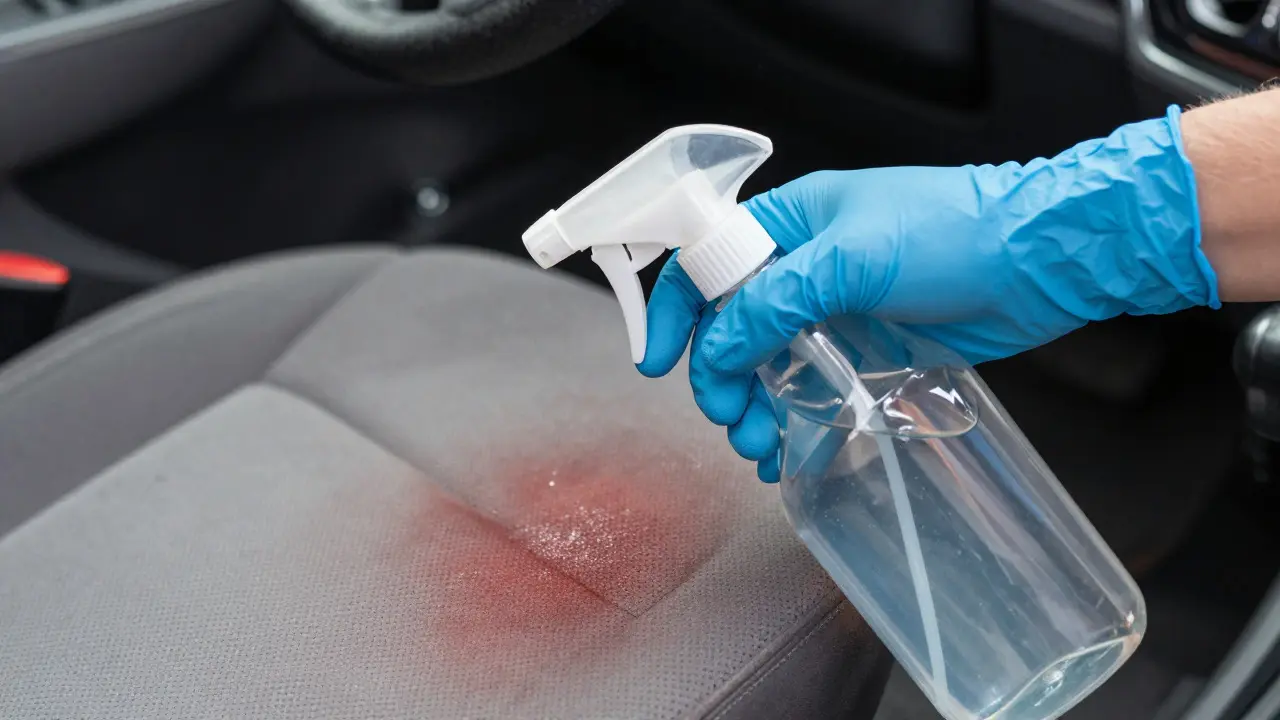
Imagine pulling out of a parking lot to find a dark, sticky patch on your passenger seat. It’s not just dirt; it’s dried blood from an unnoticed injury or perhaps something worse. For professional cleaners and law enforcement officers alike, vehicle biohazard cleanup is a specialized process that removes biological contaminants like blood, vomit, and feces from automobiles to restore them to a safe, habitable condition. Unlike standard car detailing, this work requires strict adherence to safety protocols because vehicles are enclosed spaces where pathogens can linger in upholstery, carpets, and HVAC systems. Getting it wrong doesn’t just leave stains; it risks infection for the next occupant and violates health codes if the vehicle is sold or rented.
Why Vehicles Are High-Risk Zones
Cars are unique environments for biohazard removal. They lack the ventilation of a house, meaning airborne particles from spraying disinfectants can concentrate quickly. Furthermore, materials like synthetic leather and carpet act as sponges. When blood penetrates fabric, it creates a reservoir for bacteria and viruses. According to the Centers for Disease Control and Prevention (CDC), bloodborne pathogens such as Hepatitis B, Hepatitis C, and HIV can survive outside the body for days under certain conditions. In a closed car cabin, these risks are amplified. The primary goal here isn’t just aesthetics; it’s eliminating the vector for disease transmission before the vehicle returns to service.
The Essential Gear: PPE Standards
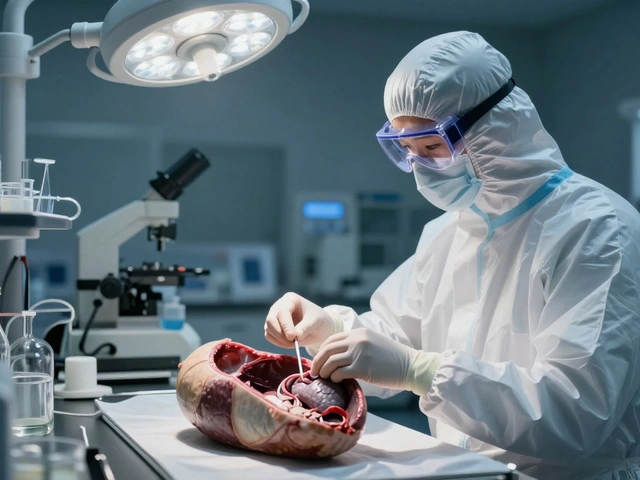
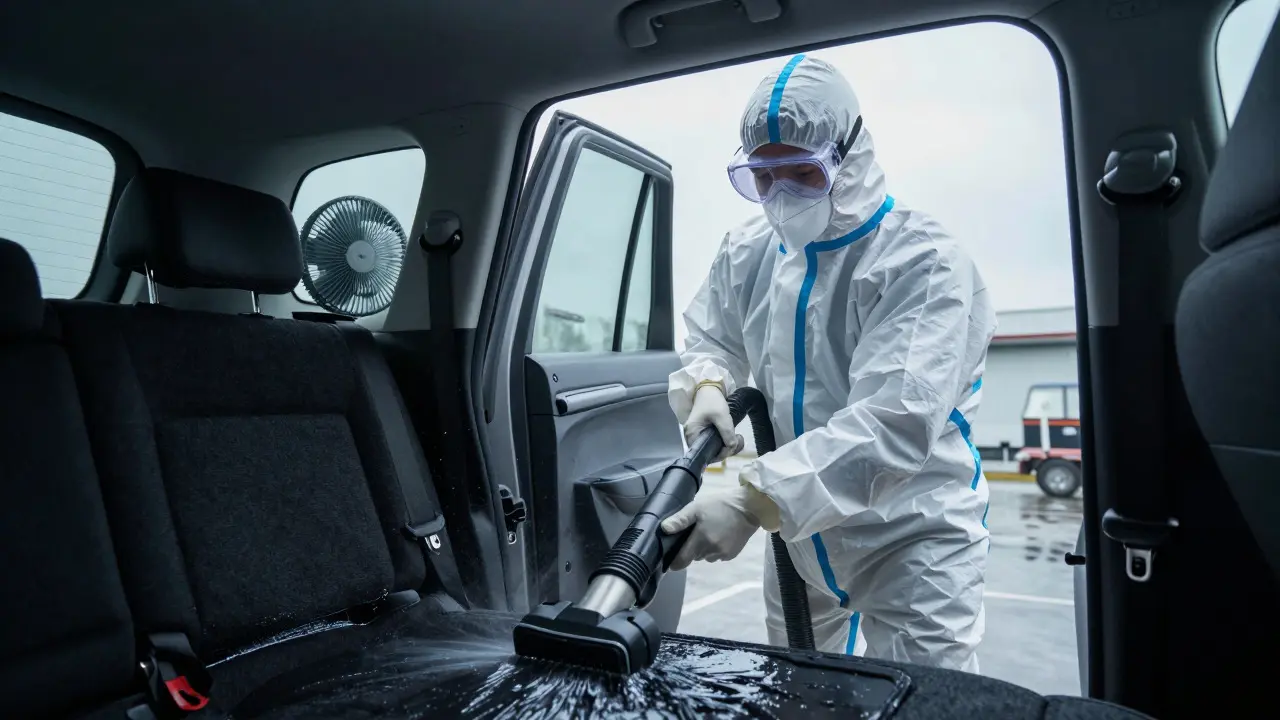
Before touching a single drop of evidence or stain, you need the right protection. Personal Protective Equipment (PPE) is non-negotiable. OSHA regulations mandate specific layers for handling Category 1 and 2 biohazards. You aren’t just wearing gloves; you’re building a barrier system. Here is what a compliant kit looks like:
- Nitrile Gloves: Double-gloving is standard practice. Latex is often avoided due to allergy rates, but nitrile offers superior chemical resistance against disinfectants.
- Goggles or Face Shields: Blood spatter is unpredictable. Goggles must be sealed to prevent fluid ingress into the eyes.
- Respiratory Protection: A N95 mask filters particulates, but if you’re using foggers or strong chemical agents, a half-face respirator with P100 cartridges is safer.
- Gowns: Disposable polypropylene gowns protect clothing from splashes. In cars, long-sleeved gowns are preferred to cover forearms during scrubbing.
Pro tip: Check the expiration dates on your masks. An expired N95 loses its electrostatic charge, rendering it ineffective against fine aerosolized droplets generated by high-pressure cleaning.
Step-by-Step Decontamination Process
Efficiency matters, but so does order. Jumping straight to the vacuum can spread contamination. Follow this logical sequence to ensure complete removal:
- Containment: Ventilate the vehicle. Open all windows and doors. If possible, use portable fans to create airflow from clean areas to dirty ones. This prevents cross-contamination onto your own clothes.
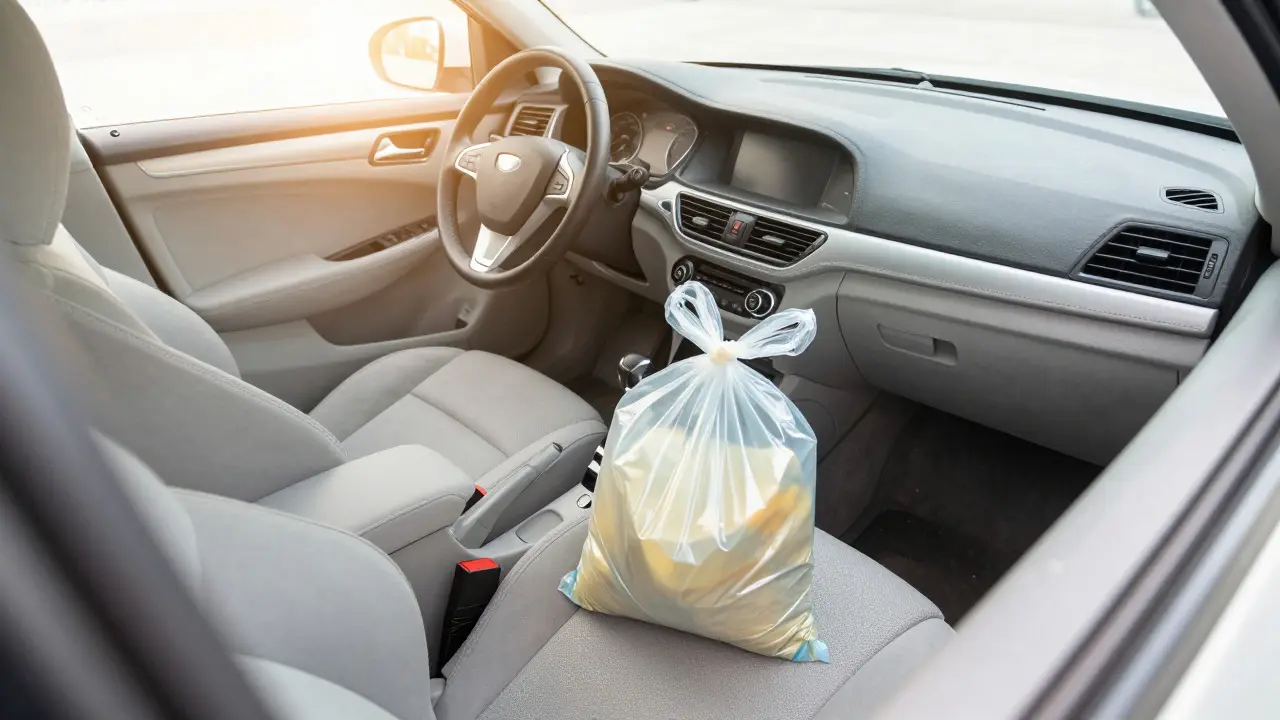
- Dry Removal: Use paper towels or disposable shop rags to pick up solid waste. Never wipe liquid spills with a reusable cloth. Wrap the waste in plastic and seal it immediately.
- Wet Cleaning: Apply a neutralizing agent. For blood, hydrogen peroxide-based cleaners are effective because they break down hemoglobin. For general organic matter, enzymatic cleaners digest proteins at the molecular level.
- Disinfection: After cleaning, apply an EPA-registered hospital-grade disinfectant. Look for products labeled for "tuberculocidal" activity, which indicates broad-spectrum efficacy against tough pathogens.
- Drying: Moisture is the enemy. Use wet vacuums and air movers to dry carpets and seats completely. Hidden moisture leads to mold growth within 48 hours.
Choosing the Right Chemicals
Not all cleaners are created equal. Using bleach on protein-based stains like blood can actually set the stain by coagulating the proteins, making them harder to remove. Instead, consider these options based on the contaminant type:
| Agent Type | Best For | Contact Time | Caution |
|---|---|---|---|
| Quaternary Ammonium (QAC) | Bacteria, Enveloped Viruses | 3-10 minutes | Ineffective against Norovirus unless specified |
| Hospital-Grade Bleach | Universal Kill, Hard Surfaces | 10 minutes | Corrosive to metals, damages dyes |
| Enzymatic Cleaners | Urine, Feces, Organic Stains | 15-30 minutes | Slow acting, requires thorough drying |
| Hydrogen Peroxide | Blood, Mold Spots | 5 minutes | Can bleach light-colored fabrics |
Always read the label for "dwell time." Spraying a disinfectant and wiping it off after 30 seconds does nothing. The chemical needs time to penetrate cell walls and kill the organism.
Hard-to-Reach Areas: HVAC and Seams
Most amateur cleanups miss the hidden spots. Blood aerosols travel through the heating and cooling vents. If you don’t treat the HVAC system, you’re just moving the problem around. Use a soft brush attached to a HEPA-filter vacuum to gently dislodge debris from vent grilles. For deep crevices between seats and door panels, injectors allow you to spray cleaner directly into the foam padding without soaking the top layer. This targeted approach saves water and reduces drying time significantly.
Documentation and Legal Compliance
If you are working for a law enforcement agency or a property management company, documentation is key. Photograph every stage: before, during, and after. Note the date, time, and specific chemicals used along with their batch numbers. This creates a chain of custody for the vehicle’s sanitation status. In some jurisdictions, selling a vehicle without disclosing prior biohazard incidents can lead to legal liability. Keeping detailed records protects both the client and the cleaner.
Frequently Asked Questions
How long does it take to clean a car of blood?
A simple spot clean takes about 30 minutes. However, a full decontamination involving carpet extraction, seat re-upholstery assessment, and HVAC treatment typically requires 4 to 6 hours including drying time.
Is steam cleaning enough for biohazards?
Steam alone is not sufficient for certified disinfection. While high temperatures kill many pathogens, steam penetration varies. It should be used in conjunction with a chemical disinfectant to ensure all surfaces meet EPA standards.
What should I do if blood gets on my skin?
Wash immediately with soap and water for at least 20 seconds. If there is a break in the skin, apply an antiseptic and seek medical advice. Do not rely solely on hand sanitizer, which is less effective against certain viruses like Norovirus.
Do I need to replace the seats?
Usually no. Modern enzymatic cleaners and ozone treatments can sanitize most fabric and leather seats. Replacement is only necessary if the structural integrity of the foam is compromised or if the odor persists after multiple treatments.
What is the difference between cleaning and disinfecting?
Cleaning removes visible dirt and debris. Disinfecting kills remaining microorganisms. You must clean first, then disinfect. Disinfecting a dirty surface is ineffective because organic matter blocks the chemical from contacting the pathogens.