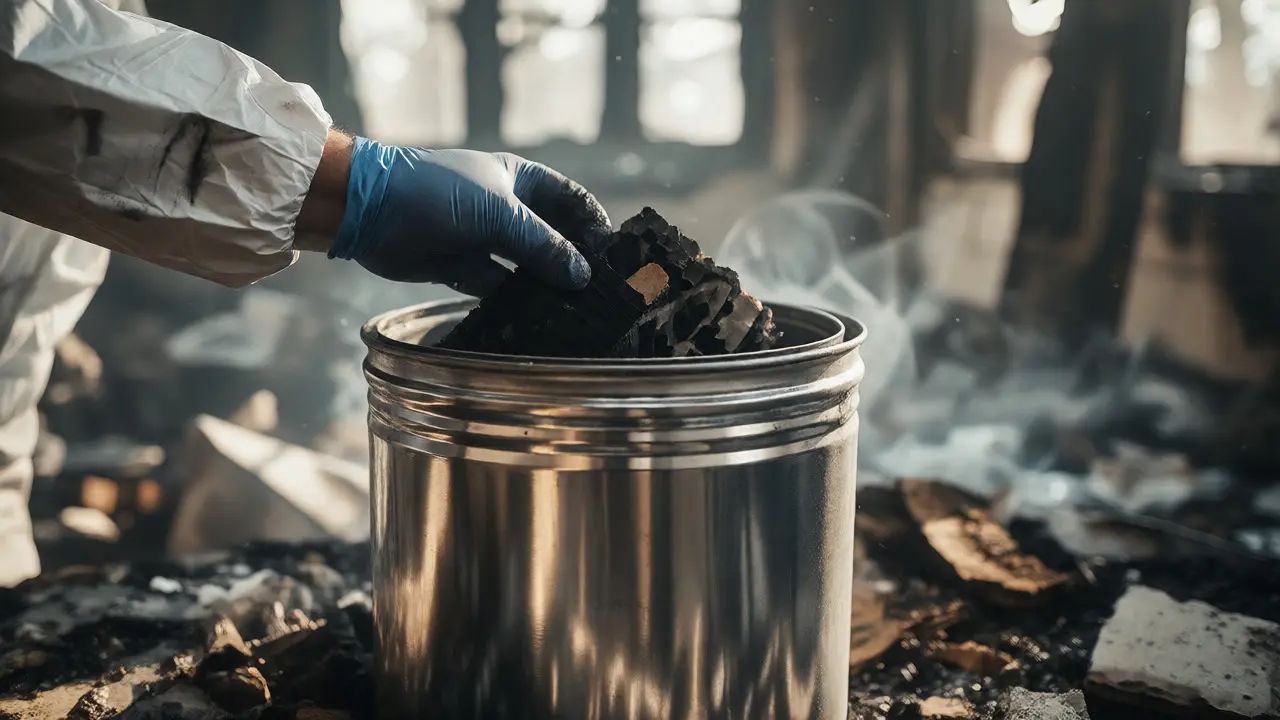
You just walked out of a house that looks like it lost a fight with a dragon. Charred wood, melted plastic, and the distinct smell of smoke hang in the air. You’ve identified the origin point, collected your samples, and now you’re holding a handful of blackened debris. What do you put it in? If you grab a standard plastic bag, you might have just ruined the case before it even started. This is where fire debris cans, also known as arson cans, become the unsung heroes of forensic fire investigation.
These aren’t just fancy tins. They are specialized containers designed to solve a specific problem: volatile organic compounds (VOCs) escape. When an accelerant like gasoline or kerosene burns, it doesn’t always disappear completely. Traces remain trapped in porous materials like carpet padding or drywall. But these chemicals evaporate quickly. If they escape into the atmosphere before the lab gets them, the evidence vanishes. Fire debris cans create a sealed environment that keeps those molecules right where they belong until analysis begins.
Why Plastic Bags Fail at Fire Scenes
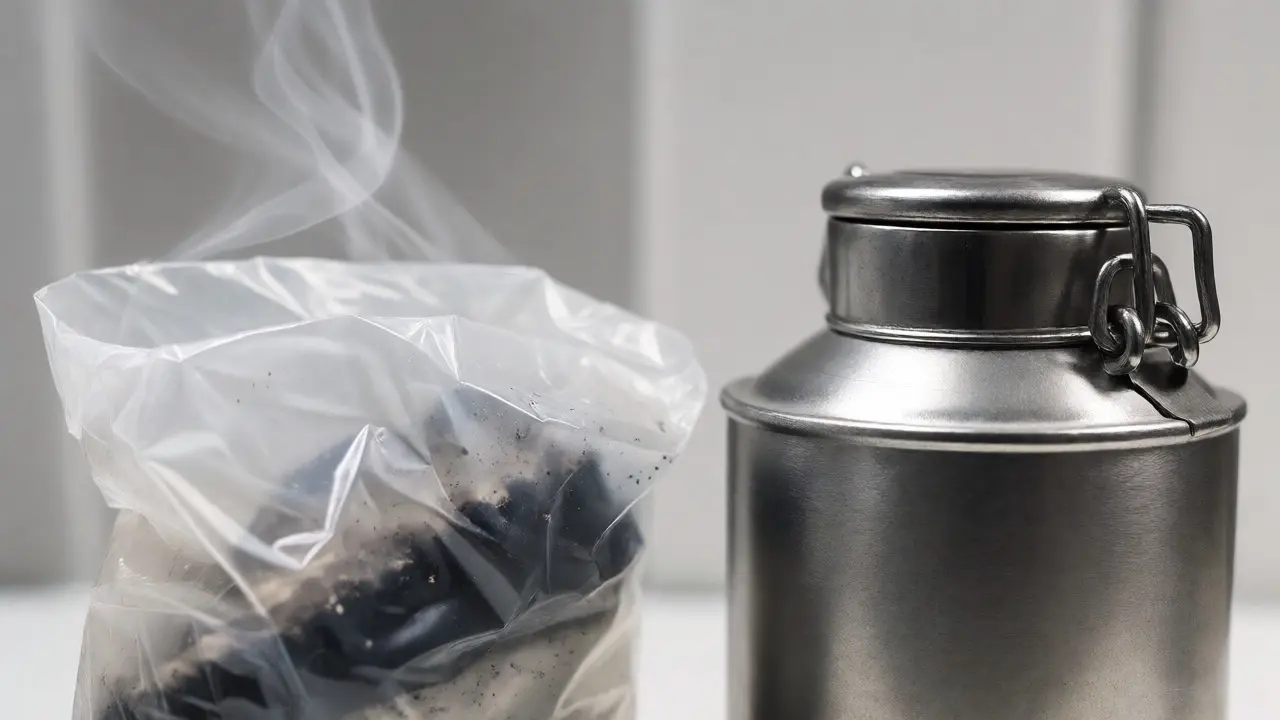
Most people assume all evidence bags are created equal. In drug cases, zip-lock plastic works fine. In fire scenes, it’s often a disaster. Standard polyethylene bags are permeable. Over time, VOCs diffuse through the plastic walls. Imagine leaving a bottle of perfume uncapped in a small room; eventually, the scent fades because the molecules spread out. That’s what happens inside a cheap plastic bag. The accelerant migrates out, and when the lab technician runs their gas chromatography-mass spectrometry (GC-MS), they find nothing. A negative result here doesn’t mean no accelerant was present; it means the packaging failed.
Furthermore, plastic can react chemically with certain residues. Some accelerants contain additives that interact with the polymers in the bag, potentially creating false positives or degrading the sample integrity. Metal, specifically tin-plated steel, offers an inert barrier. It doesn’t breathe, and it doesn’t react. This physical property is why metal cans are the gold standard for preserving volatile evidence.
The Anatomy of a Proper Fire Debris Can
Not every metal can will do the job. You need specific features to ensure the seal holds against pressure changes and temperature fluctuations. Here is what you should look for when stocking up on supplies:
- Tin-Plated Steel Construction: This material resists corrosion from acidic combustion byproducts better than bare aluminum or untreated steel.
- Interlocking Lid Design: Look for cans with a double-seam lid that requires a tool to open. This mechanical lock prevents accidental opening during transport.
- Internal Liner Compatibility: While the can itself is metal, the sample usually sits in a clean cotton cloth or paper first, which is then placed inside the can. The can must be large enough to accommodate this without crushing the debris.
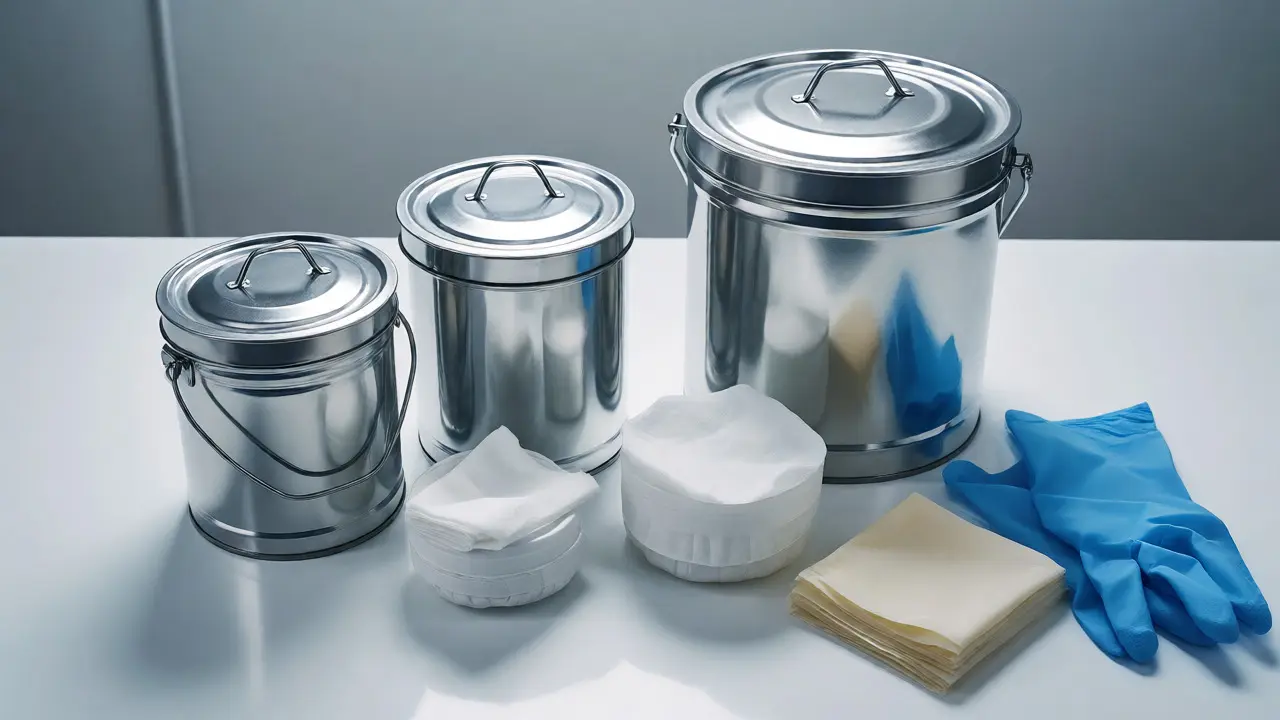
- Size Variations: You’ll need different sizes. Small 1-pint cans work for solid fragments like glass shards or charred wood chunks. Larger 1-gallon cans are necessary for bulky items like carpet padding or mattress foam.
The goal is to minimize headspace-the empty air space between the debris and the lid. Excess air allows more oxygen to react with the sample, potentially altering chemical signatures. Filling the can appropriately reduces this risk.
| Material | Vapor Permeability | Chemical Reactivity | Best Use Case |
|---|---|---|---|
| Polyethylene Bag | High | Moderate | Non-volatile solids (e.g., nails, bricks) |
| Glass Jar | Low | Low | Liquid accelerants (if not absorbed) |
| Fire Debris Can (Tin) | Negligible | Inert | Absorbed accelerants in porous materials |
Step-by-Step Collection Protocol
Packaging starts before you even touch the can. The way you handle the debris determines whether the can does its job. First, always use clean tools. A contaminated shovel or scoop can introduce foreign hydrocarbons, leading to false positives. Wear fresh gloves for each new collection site to avoid cross-contamination.
Once you identify a suspect area, collect a representative sample. For porous materials like carpet or clothing, cut out a section roughly 6x6 inches. Place this directly into a clean, unused cotton cloth or unbleached paper. Why not put it straight into the can? Because direct contact with metal can sometimes cause abrasion or heat transfer issues if the sample is still warm. More importantly, the cloth acts as a secondary filter, catching loose soot particles that might interfere with analysis.
Wrap the cloth tightly around the debris. Twist the top securely. Then, place the wrapped bundle into the fire debris can. Ensure the lid is pressed down firmly until it clicks or locks into place. Label the outside of the can immediately. Write the case number, date, time, location within the structure, and collector’s initials. Never rely on memory; by the end of a long shift, three identical-looking cans become impossible to distinguish.
Common Pitfalls That Ruin Evidence
Even experienced investigators make mistakes. One common error is reusing cans. If you rinse a can with water, you haven’t removed all the previous contaminants. Hydrocarbons cling to metal surfaces stubbornly. Always use new, sterile cans for each case. Another mistake is overfilling. If you cram too much debris into a small can, you can’t get a proper seal. Air leaks in, and volatiles leak out. It’s better to use two cans than one poorly sealed one.
Temperature control matters too. Don’t leave sealed cans in a hot car trunk for days. Heat increases vapor pressure, forcing gases against the seal. While good cans are robust, extreme heat combined with poor sealing can compromise integrity. Store collected evidence in a cool, shaded area until transport to the lab.
Lab Perspective: What Technicians See
When a lab receives a properly packaged sample, the process is straightforward. Technicians perform dynamic headspace extraction. They heat the can slightly, causing the volatile compounds to rise into the air space above the debris. A sorbent tube or fiber is inserted to trap these vapors. This vapor is then analyzed using GC-MS.
If the packaging was flawed-say, a plastic bag was used-the headspace contains mostly nitrogen and oxygen from the ambient air, with little to no accelerant signature. The technician sees a flat baseline on the graph. No peaks. No match. The case becomes difficult to prove beyond reasonable doubt. Conversely, a well-sealed metal can yields sharp, distinct peaks corresponding to specific accelerants like ethanol, methanol, or petroleum distillates.
This distinction is critical in court. Defense attorneys will attack chain-of-custody and preservation methods. If you can show that you used industry-standard fire debris cans and followed proper sealing protocols, your evidence withstands scrutiny. If you used a grocery bag, expect questions about contamination and loss.
Choosing the Right Supplier and Stock
Where do you buy these? Specialized forensic supply companies offer cans that meet ASTM E1492 standards for evidence packaging. Avoid generic hardware store paint cans unless you verify they are new and unlined. Old paint residue is a major contaminant. Many labs recommend purchasing pre-cleaned, certified cans from reputable forensic vendors. These come individually wrapped to ensure sterility.
Consider bulk ordering based on your department’s volume. Fire investigations are seasonal in many regions, including the Pacific Northwest, where winter heating fires spike. Having adequate stock prevents last-minute scrambling. Keep a variety of sizes on hand: pint, quart, and gallon capacities cover most scenarios.
Final Thoughts on Preservation
Arson investigation is part chemistry, part detective work. Your ability to detect an accelerant depends less on your nose and more on your packaging skills. The molecule exists only if you keep it there. Fire debris cans provide the hermetic seal needed to bridge the gap between the smoldering scene and the sterile laboratory. Respect the science, use the right container, and let the evidence speak clearly.
Can I reuse fire debris cans?
No, you should never reuse fire debris cans. Even after washing, residual hydrocarbons can remain on the interior surface, leading to cross-contamination and false positive results in subsequent cases. Always use new, sterile cans for each piece of evidence.
Why are metal cans preferred over glass jars?
Metal cans are lighter, less prone to breaking during transport, and easier to seal tightly without complex threading mechanisms. Glass jars can shatter, creating safety hazards and potential contamination risks. Metal also provides better protection against light exposure, which can degrade some chemical compounds.
What size can should I use for carpet samples?
For bulky porous materials like carpet padding or upholstery, a 1-gallon (approx. 3.8 liters) can is typically required. Smaller pints or quarts may not allow for sufficient headspace reduction or may crush the sample, preventing effective vapor extraction in the lab.
Do fire debris cans need to be refrigerated?
Refrigeration is generally recommended if there will be a significant delay before analysis, ideally storing samples below 4°C. However, freezing is usually avoided as ice crystal formation can damage the matrix of porous materials. Always check specific lab guidelines, but cool storage helps preserve volatile integrity.
Can I use a mason jar instead of a fire debris can?
While glass is inert, standard mason jars often lack the tight, pressure-resistant seals provided by specialized metal cans. The rubber gaskets in mason jars can absorb odors or degrade over time. For rigorous forensic standards, purpose-built metal cans with interlocking lids are superior for maintaining vapor integrity.