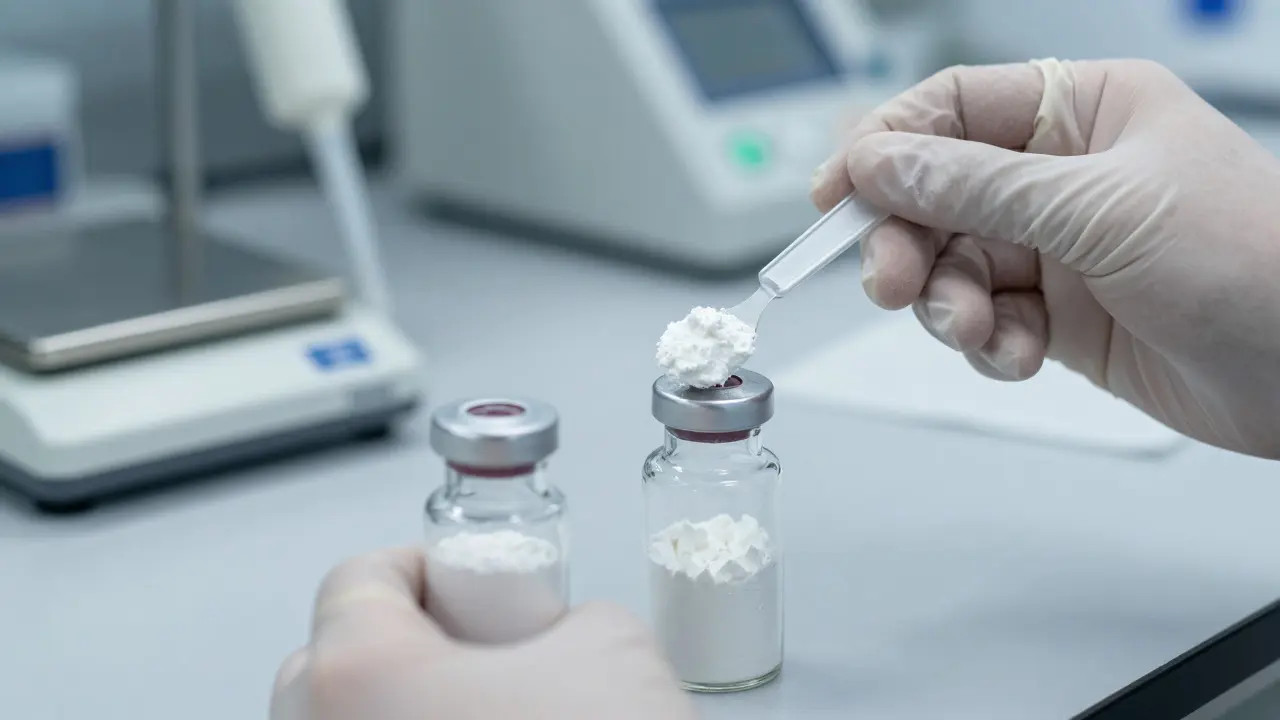
Imagine you’re a defense attorney holding a case where the prosecution’s lab report says a suspect possessed 2.5 grams of cocaine. The problem? You don’t have the sample to prove it’s wrong. This is where chain split becomes your best friend. It’s not just bureaucratic paperwork; it’s the physical mechanism that allows independent verification of drug evidence. Without a proper split, the original sample sits locked in a state evidence room, and any doubt remains theoretical.
In the world of forensic toxicology and chemistry, the integrity of the sample is everything. When a defense team files a motion to inspect or re-test, they are relying on specific protocols established by agencies like the National Institute of Justice (NIJ) and accreditation bodies such as ANSI/ASCLD/LAB P1. These protocols dictate exactly how much material must be reserved, how long it stays viable, and who gets access to it. Getting these details right can mean the difference between a mistrial and a conviction.
What Is a Chain Split?
A chain split refers to the division of a seized controlled substance into distinct portions for different purposes: prosecution testing, defense inspection, and retention. Under standard practice, when a law enforcement officer seizes drugs, the total weight is recorded. Before the primary analysis occurs, a portion of the sample is set aside. This retained portion is the "split."
The critical attribute here is independence. The split must be physically separated from the working sample used by the state chemist. If the same vial is opened multiple times without a documented seal break and re-seal process, the risk of cross-contamination or degradation rises. For volatile substances like methamphetamine or heroin, time is an enemy. The split ensures that if the first test was flawed, there is still intact material available for a second, unbiased look.
| Substance Category | Minimum Retained Portion | Primary Reason for Ratio |
|---|---|---|
| Powdered Narcotics (Cocaine, Heroin) | 10% of total weight or 10mg, whichever is greater | Ensures enough mass for GC-MS confirmation |
| Solid Tablets (Opioids, Stimulants) | One full tablet per type | Preserves dosage unit integrity for visual and chemical ID |
| Liquid Solutions | 5 mL minimum volume | Allows for headspace gas chromatography testing |
| Plant Material (Marijuana) | 1 gram minimum | Provides sufficient biomass for cannabinoid profiling |
Why Defense Teams Request Re-Tests
It isn’t always about doubting the science. Sometimes, it’s about the procedure. A common trigger for a re-test request is a discrepancy in weight. If the initial seizure log lists 500 milligrams but the lab report confirms only 480 milligrams after moisture loss, the defense might argue that the remaining 20 milligrams were lost due to poor handling rather than evaporation. To verify this, they need the split.
Another frequent scenario involves mixed substances. In urban areas, it is increasingly common to find fentanyl cut into heroin or xylazine added to opioids. Field tests often miss these co-occurring compounds. A defense attorney might suspect the presence of a secondary agent that changes the sentencing guidelines or indicates a different source. Only a comprehensive re-analysis using techniques like Liquid Chromatography-Mass Spectrometry (LC-MS) can confirm or rule out these mixtures.

The Protocol for Accessing the Split
Accessing the split is rarely immediate. It follows a strict legal and administrative path. First, the defense counsel files a formal motion with the court. Once granted, a notice is sent to the custodian of records, usually the lead crime lab or the police evidence department. The key constraint here is timing. Most jurisdictions require that the request be made within 30 days of receiving the preliminary lab report. Miss that window, and the split may be destroyed or returned to the prosecutor, leaving you with no recourse.
When the split is released, it doesn’t go directly to the defense. It goes to a neutral third-party laboratory, or sometimes back to the original lab under a new case number. The transfer must be documented with a new chain of custody form. Every signature, every timestamp, and every seal number matters. If the seal on the split container is broken before it reaches the re-testing lab, the defense can move to suppress the results entirely, arguing that the integrity of the evidence was compromised during transit.
Technical Challenges in Re-Testing
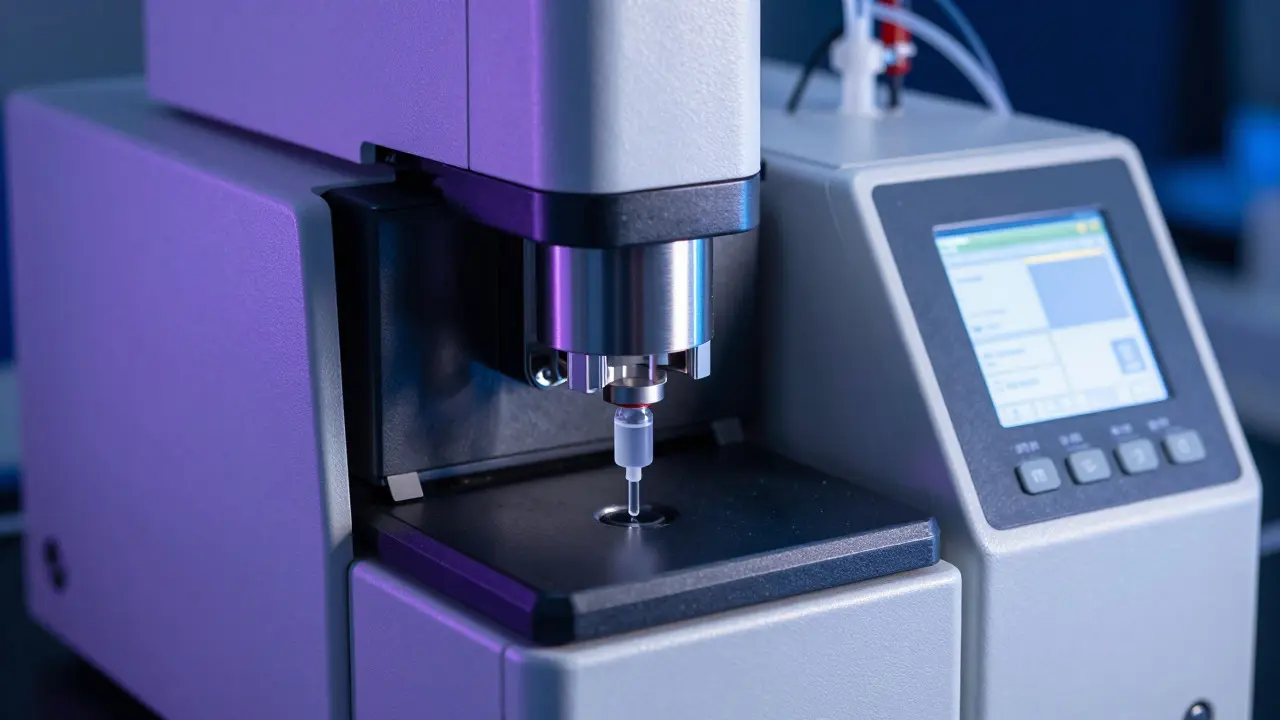
Re-testing isn't just running the same machine again. It often requires different analytical approaches to ensure objectivity. If the state used Gas Chromatography-Mass Spectrometry (GC-MS), the defense might opt for LC-MS to avoid matrix effects that could skew the original data. Matrix effects occur when other components in the sample interfere with the ionization of the target drug, potentially leading to false positives or negatives.
Consider a case involving synthetic cannabinoids. These compounds degrade rapidly when exposed to light or heat. If the split was stored improperly in a metal evidence locker near a heating vent, the active ingredient might have broken down into metabolites. A re-test focusing on stability markers can reveal if the sample degraded over time, which supports a defense argument that the original identification was unreliable due to storage conditions rather than chemical composition.
Common Pitfalls to Avoid
- Ignoring Moisture Content: Many labs dry samples before weighing. If the defense doesn’t account for water content in their comparison, the weight discrepancy might be meaningless. Always ask for the dry weight vs. wet weight logs.
- Overlooking Seal Integrity: Check the tamper-evident tape. If it has been peeled and replaced, take a photo immediately. This is admissible evidence of potential tampering.
- Misidentifying the Split: Ensure the label on the split matches the case number and the original seizure description exactly. A mismatch here is a fatal flaw in the chain of custody.
- Waiting Too Long: Volatile compounds lose potency quickly. File the motion as soon as the preliminary report arrives, not after the trial date is set.
Impact on Case Outcomes
Successful re-tests don't always overturn cases, but they frequently weaken them. In one recent Oregon district court case, a re-test revealed that what was identified as pure MDMA actually contained 40% caffeine. While the defendant was still guilty of possession, the purity finding reduced the severity of the charge from a felony to a misdemeanor in some sentencing frameworks. This demonstrates that the value of a chain split lies not just in proving innocence, but in ensuring proportionality.
Furthermore, the mere threat of a credible re-test can influence plea negotiations. Prosecutors know that if the defense has access to the split and hires a reputable private lab, the cost and delay of litigation increase. This leverage often leads to more favorable settlements for the defendant.
How long does a chain split remain valid?
Validity depends on the substance. Stable solids like tablets can last years if stored properly. Volatile liquids and gases may degrade within months. Labs typically retain splits for 3 to 5 years unless otherwise ordered by the court.
Can the defense choose which lab performs the re-test?
Usually, yes, provided the lab is accredited by ANSI/ASCLD/LAB P1 or equivalent. However, the judge may require the use of a state-approved facility to ensure comparability of methods and costs.
What happens if the split is too small for testing?
If the retained portion is below the minimum detection limit, the defense can file a motion to compel the return of the original sample or argue that the state failed to preserve adequate evidence, potentially leading to a suppression hearing.
Does a re-test cost affect the defendant's finances?
Initially, yes. The defense pays for the private lab work. However, if the re-test reveals significant errors or contamination, the court may order the state to reimburse the costs as part of a successful motion for new trial or settlement.
Are field test results considered final?
No. Field tests are presumptive, not confirmatory. They indicate the *presence* of a drug class but do not identify the specific compound or purity. Only laboratory analysis using GC-MS or LC-MS provides confirmatory data suitable for sentencing.