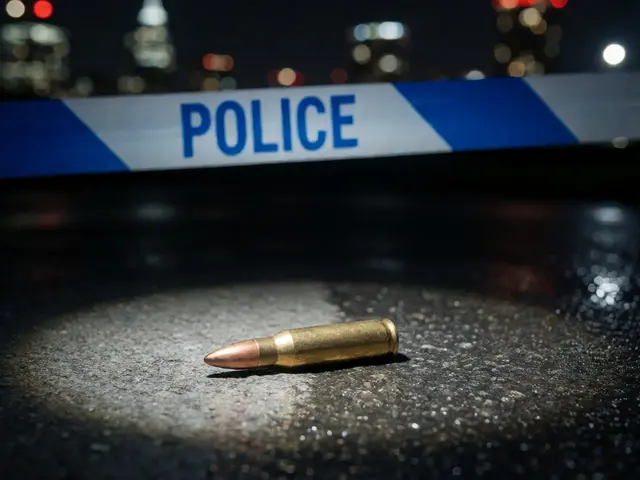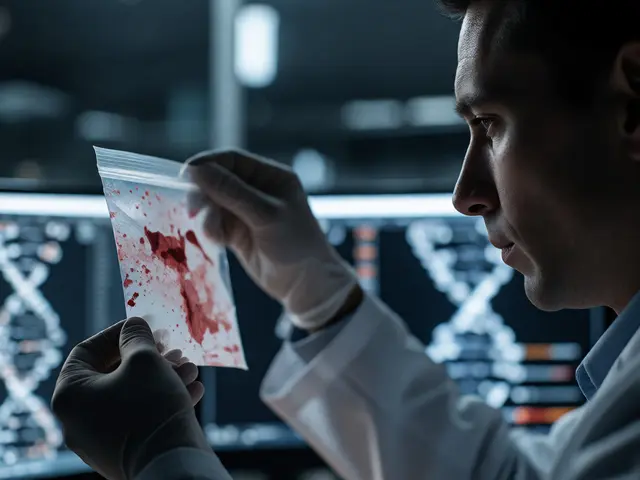
Imagine a detective staring at three crime scene photos. The first is a burglary where the window was smashed. The second is another break-in with the same entry method. The third? A home invasion where the victim was tied up with a specific knot. Most people see chaos. A profiler sees a story. The difference between random violence and a repeat offender pattern often lies in what doesn't change. We call these unchanging behaviors signature aspects. While criminals adapt their methods to avoid getting caught, their psychological needs remain stubbornly consistent. Understanding this distinction is the key to linking cases that look nothing alike on paper.
The Core Difference: MO vs. Signature
To identify a repeat offender, you have to stop looking at just how they committed the crime and start asking why. This brings us to the fundamental split in criminal profiling: Modus Operandi (MO) versus Signature Aspects. Think of MO as the logistics. It’s the practical stuff needed to complete the crime. If a burglar wears gloves to avoid leaving fingerprints, that’s MO. If he switches from crowbars to glass cutters because it’s quieter, that’s still MO. He’s adapting to stay free. These behaviors are functional and can evolve rapidly.
Signature aspects are different. They aren’t necessary for the crime to happen; they’re necessary for the offender’s emotional satisfaction. Using our burglar example, if he always takes one coin from every house but leaves the jewelry, that’s not about money. That’s a ritual. Maybe it represents control. Maybe it’s a trophy. Regardless of the motive, this behavior serves a psychological need. Unlike MO, signature aspects rarely change. In fact, as offenders gain confidence, their signatures often become more elaborate, not less. Recognizing this stability allows investigators to link crimes across years or even decades, ignoring the surface-level changes in technique.
Anatomy of a Crime Scene Signature
So, what does a signature actually look like? It’s rarely obvious. It hides in the details that seem irrelevant to a prosecutor building a case for theft or assault. Forensic psychologists categorize these into a few common types. First, there’s Overkill, which is when the level of violence exceeds what’s needed to subdue the victim. If someone stabs a victim twenty times when two would have sufficed, those extra strikes are pure emotion. They tell you the offender wanted to express rage, humiliation, or dominance.
Then there’s staging. This is when an offender manipulates the crime scene to mislead police. But here’s the twist: sometimes the staging itself is part of the signature. If a killer always poses the body in a way that mimics a famous painting, that artistic choice is a signature. It’s unnecessary for the murder, but essential for the offender’s fantasy. Another common marker is post-mortem interaction. Did the offender clean the victim? Did they take a personal item? Did they sleep at the scene? These actions reveal the offender’s relationship with the victim and their own internal narrative. By stripping away the practical elements of the crime, you’re left with the psychological residue.
Linking Cases Through Behavioral Consistency
How do you use this to catch someone? You build a profile based on behavioral consistency. Let’s say you have five unsolved burglaries in Portland. The MO varies: one used a back door, another used a fire escape. But in all five, the offender ate half a sandwich left on the counter. That’s your link. It’s bizarre, it’s inefficient, and it’s highly distinctive. When you search local databases for other incidents involving food consumption at crime scenes, you might find a sixth case from three years ago that no one connected because the MO was completely different.
This process relies heavily on Behavioral Evidence Analysis. Investigators look for clusters of rare behaviors. Common behaviors are weak links because many people lock doors or wear masks. Rare behaviors are strong links. If only 5% of burglars leave a note apologizing to the homeowner, finding that note in three separate cases creates a high-probability link. It suggests the same person is behind them, regardless of whether they used a screwdriver or a hammer to enter.

The Evolution of Signatures
One trap profilers fall into is assuming signatures are static. They aren’t entirely. While the core psychological drive remains, the expression can escalate. A novice offender might satisfy their need for control by simply tying a victim’s hands. An experienced offender might escalate to complex bondage or verbal degradation. The underlying need-control-is the constant. The method of achieving it evolves. This escalation is a critical clue. If you see a pattern of increasing complexity in signature behaviors over time, you’re likely dealing with a single individual who is becoming more confident or desperate. Ignoring this evolution can lead to missing later crimes that seem too brutal or complex to be linked to earlier, simpler ones.
Consider the case of a serial arsonist. Early fires might be simple accelerant pours. Later fires might involve intricate setups with multiple ignition points designed to maximize damage. The signature-the desire to watch the destruction unfold-remains. But the scale grows. If investigators dismiss the later fires because they look "different," they miss the escalating threat. Tracking this trajectory helps predict future behavior and urgency.
Practical Application in Investigations
For law enforcement, integrating signature analysis means changing how evidence is collected. Standard protocols focus on DNA, fingerprints, and ballistics. But behavioral evidence requires a different lens. Officers need to document the "weird" stuff. Why was the TV turned on? Why were the shoes removed? Why was the letter 'A' scratched into the wall? These details often get lost in the rush to secure the perimeter. Creating a standardized checklist for non-essential scene details ensures that potential signature markers aren’t overlooked.
Once identified, these patterns help narrow suspect pools. If a signature indicates a need for intimacy, you might look for offenders who know the victims personally. If it indicates detachment, you might look for strangers. It also aids in interrogation strategies. Knowing what drives the offender allows detectives to tailor questions that resonate with their psychological needs. Asking about the "meaning" behind a specific action can break down defenses faster than confronting physical evidence alone.
| Feature | Modus Operandi (MO) | Signature Aspects |
|---|---|---|
| Purpose | Functional: To commit the crime and escape. | Psychological: To satisfy emotional needs. |
| Stability | Dynamic: Changes as the offender learns/adapts. | Static/Evolving: Core needs remain, expression may grow. |
| Necessity | Required for success. | Unnecessary for completion of the act. |
| Example | Wearing gloves to hide prints. | Taking a personal item as a trophy. |
| Investigative Value | Helps identify skills and knowledge. | Links cases and reveals personality traits. |

Common Pitfalls in Pattern Recognition
Beware of confirmation bias. Once you spot a potential signature, it’s tempting to force-fit it onto other cases. Not every odd detail is a signature. Sometimes, a broken chair leg is just a broken chair leg. Context matters. Was the chair positioned to block a door? Then it’s functional. Was it overturned near the bed with no tactical reason? Then it might be expressive. Always ask: "Does this serve the crime, or does it serve the criminal?"
Another pitfall is ignoring copycats. Media coverage can inspire imitators who mimic the MO but lack the true signature. If a new crime mirrors the publicized details of a famous case but lacks the subtle, private rituals of the original, it’s likely a copycat. True signatures are often obscure and known only to the offender and investigators. Public knowledge dilutes their power as identifiers.
Frequently Asked Questions
Can a criminal change their signature?
The core psychological need behind the signature rarely changes, but the expression can evolve. An offender might escalate the intensity or complexity of their signature behaviors as they gain experience or confidence, but the underlying motivation remains consistent.
Is MO more important than signature for solving crimes?
Both are crucial but serve different purposes. MO helps understand how the crime was committed and can suggest the offender's skill level or profession. Signature is superior for linking multiple crimes to a single perpetrator because it reflects stable psychological traits rather than adaptive tactics.
What is overkill in criminal profiling?
Overkill refers to excessive violence that goes beyond what is necessary to kill or subdue a victim. It is considered a signature aspect because it indicates the offender was driven by intense emotions like rage or hatred, rather than just the practical goal of ending a life.
How do copycats affect signature analysis?
Copycats typically mimic the publicly known MO of a famous offender but fail to replicate the private, subtle signature aspects. Investigators distinguish them by looking for these nuanced behavioral details that wouldn't be obvious from news reports alone.
Do all repeat offenders have a signature?
Most psychologically motivated offenders exhibit some form of signature, but its clarity varies. Organized offenders may mask their signatures better than disorganized ones. However, even subtle preferences in victim selection or location choice can serve as signature indicators.