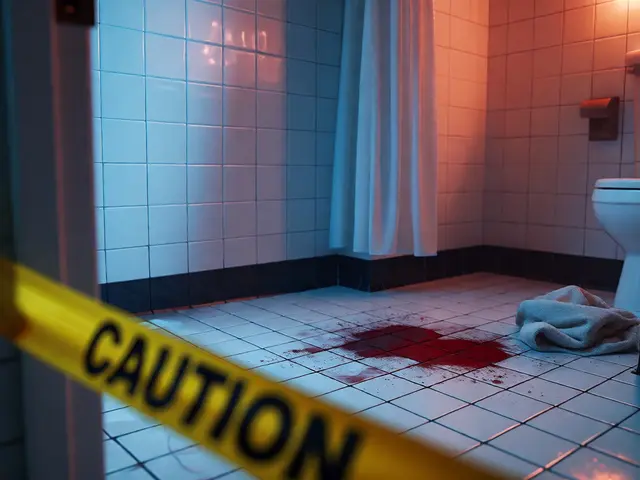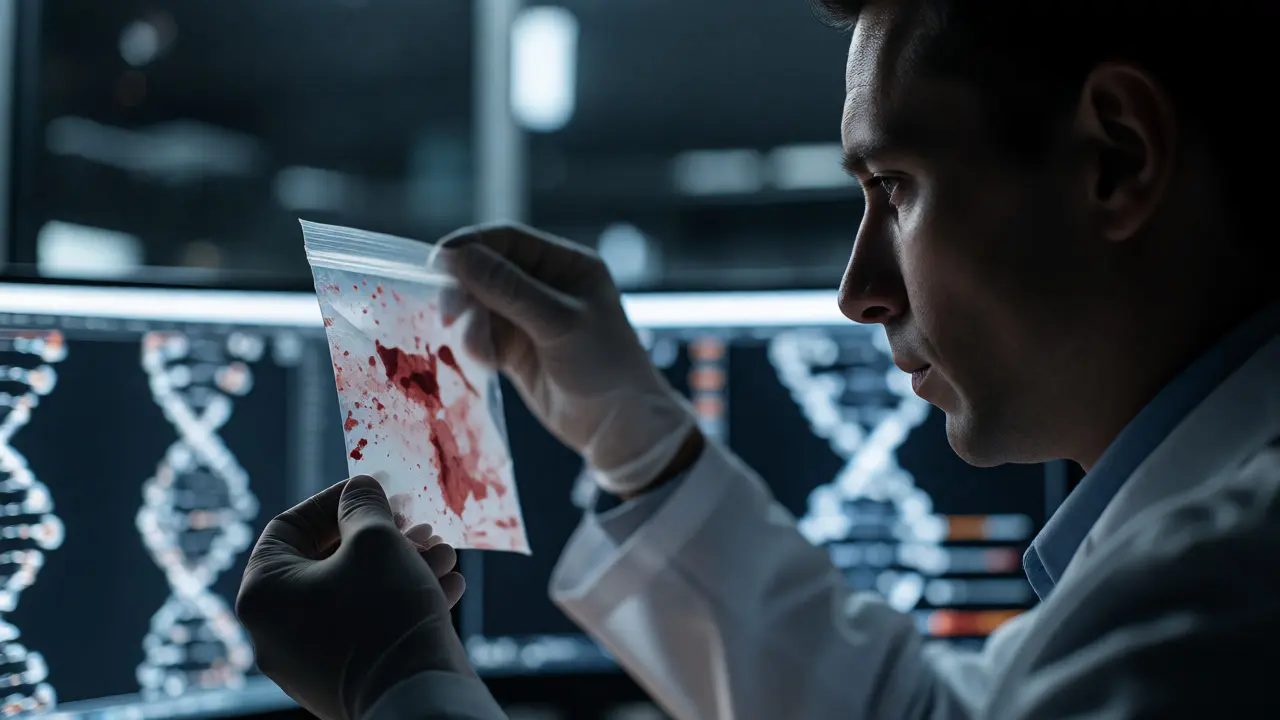
Imagine you’re a forensic analyst working late on a high-profile murder case. You find a trace amount of DNA that doesn’t quite match the suspect’s profile, but it’s close enough to sway a jury if presented correctly. Do you report the exact statistical probability, or do you round up to make the evidence look stronger? This isn’t just a hypothetical scenario; it’s the daily reality of forensic ethics. In this field, your reputation is built not just on what you know, but on how honestly you present what you know.
If you’re entering the world of forensic science, you need to understand that technical skill alone won’t save you from career-ending mistakes. The legal system relies on your impartiality. If you become an advocate for the prosecution or defense rather than a neutral scientist, you risk invalidating years of work and potentially sending an innocent person to prison. This guide breaks down exactly what professionalism looks like in a lab and a courtroom, and why it matters more than you might think.
The Core Principle: Scientific Impartiality
At the heart of every forensic career is the duty to seek truth, not convictions. Unlike police detectives who may develop theories about who committed a crime, forensic scientists must remain detached observers. The American Academy of Forensic Sciences (AAFS) Code of Ethics explicitly states that members shall not suppress or distort findings. This means if your analysis points away from the prime suspect, you have to say so, even if it makes your job harder.
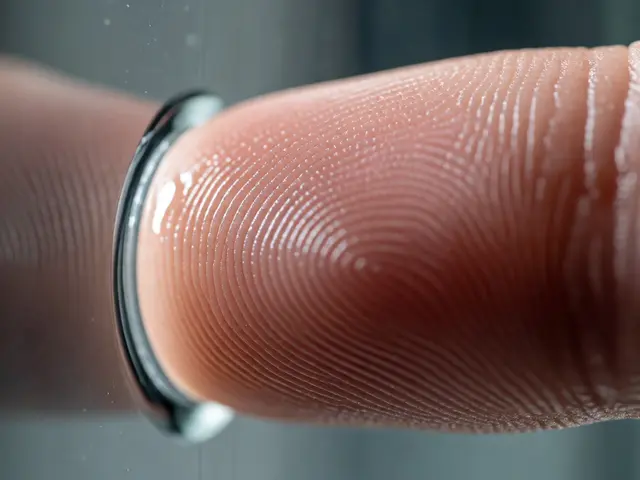
Why does this matter? Because cognitive bias is real. Studies in psychology show that when analysts know the "expected" result, they often unconsciously tweak their methods to get there. This is called confirmation bias. To combat this, many modern labs now use blind testing. For example, a fingerprint examiner might analyze a print without knowing who the suspect is until after they’ve made their identification. This protects the integrity of the process and ensures that professionalism isn’t just a buzzword-it’s a protocol.
Chain of Custody: The Physical Proof of Integrity
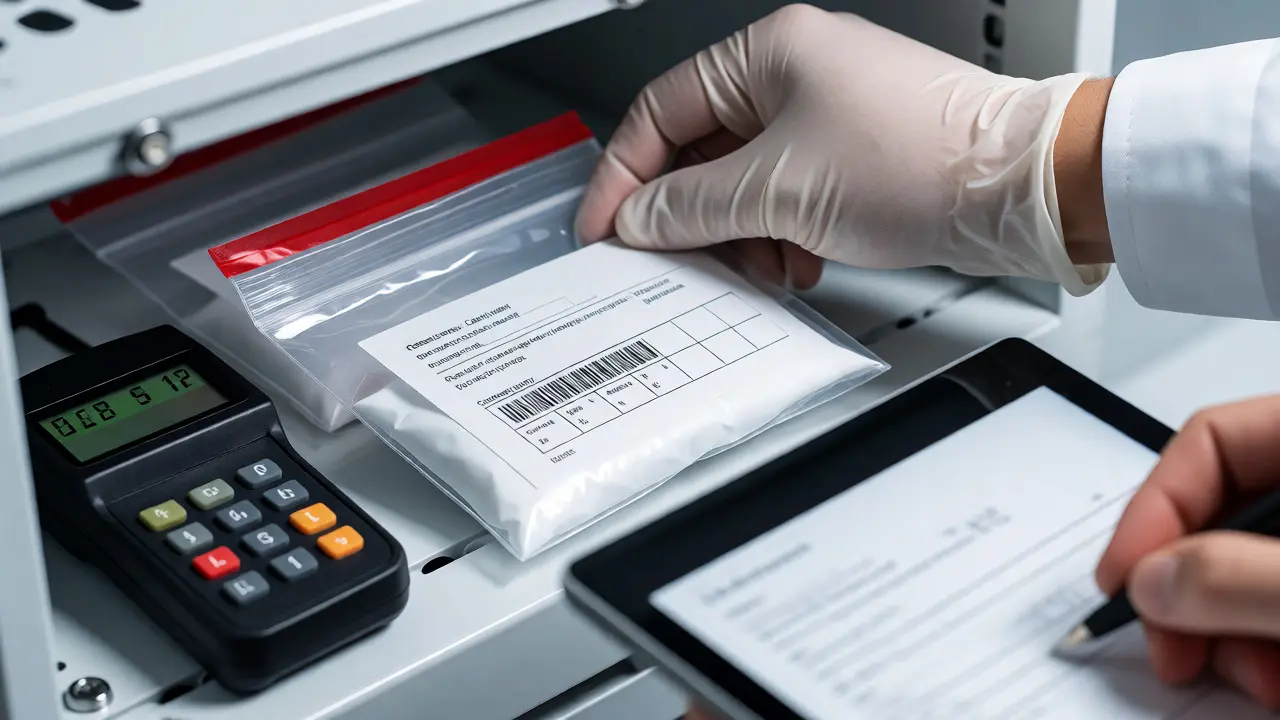
You can have the best analysis in the world, but if you mess up the paperwork, the evidence is worthless. The chain of custody is the chronological documentation or paper trail that records the sequence of custody, control, transfer, analysis, and disposition of physical or electronic evidence. Think of it as the birth certificate of a piece of evidence. Every time someone touches that blood-stained shirt, it needs to be logged.
Breaking the chain of custody is one of the most common ethical failures in junior roles. It’s easy to skip logging a quick look at a sample during a busy shift, but defense attorneys will tear apart any gap in that timeline. They’ll argue that because no one knows exactly who held the evidence between 2 PM and 4 PM, it could have been tampered with. Maintaining strict documentation isn’t bureaucratic red tape; it’s the primary defense against accusations of misconduct.
| Scenario | Pitfall (Unprofessional) | Best Practice (Professional) |
|---|---|---|
| Transferring Evidence | Handing a bag to a colleague verbally saying "Here's the knife." | Signing a digital log entry specifying date, time, item ID, and both signatures. |
| Storage | Leaving samples on a desk overnight while waiting for freezer space. | Placing samples in secure, temperature-controlled storage immediately upon receipt. |
| Analysis Notes | Writing final conclusions first and back-filling notes later. | Recording observations in real-time using permanent ink or validated software. |
Communication Skills: Translating Science for Juries
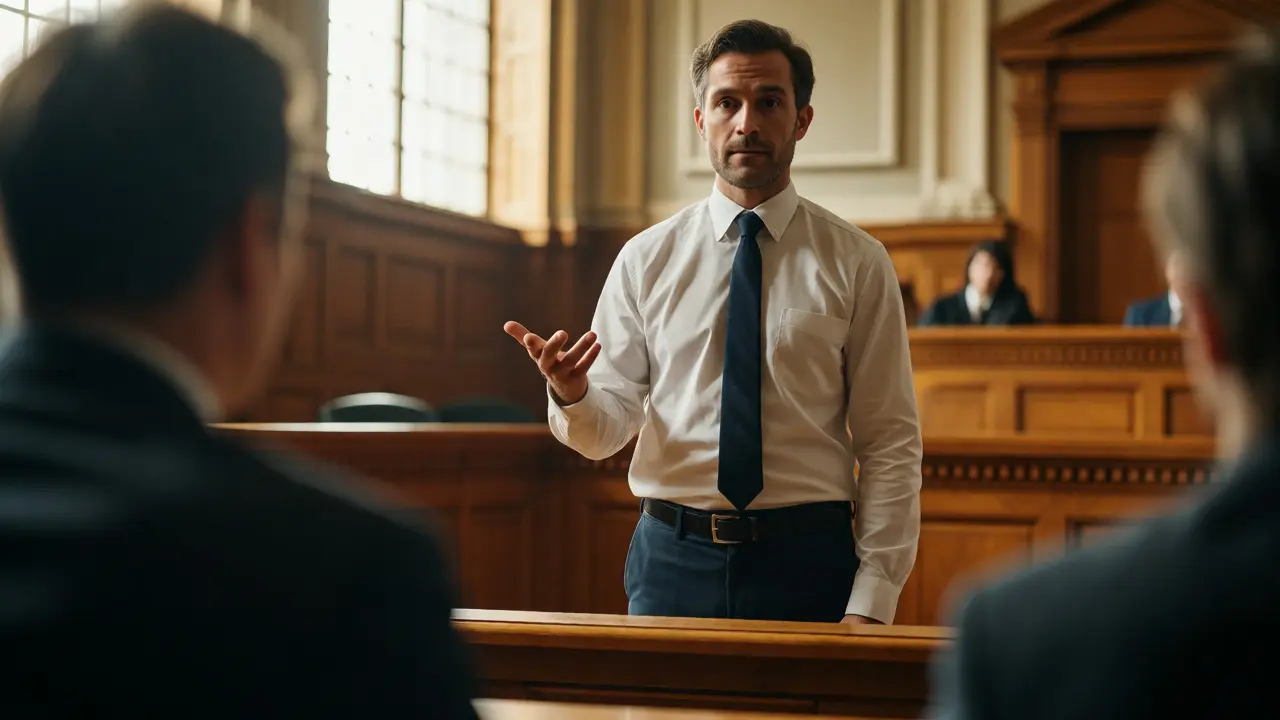
A huge part of being a forensic professional is talking to people who aren’t scientists. Judges and juries don’t care about the intricacies of PCR amplification in DNA testing; they care about whether the defendant was at the scene. Your job is to translate complex data into clear, understandable language without oversimplifying to the point of inaccuracy.
This is where the concept of expert witness testimony comes in. An ethical expert witness explains limitations. If a hair analysis only provides a 90% probability of a match, you must state that clearly. Saying "It matches" implies certainty that doesn’t exist. Many wrongful convictions have occurred because experts overstated their confidence levels. Being honest about uncertainty actually builds credibility with the jury. It shows you respect the scientific method more than you want to win the case.
Pro tip: Avoid jargon unless you define it immediately. Instead of saying "The allele peaks indicate heterozygosity," try "We see two different versions of this genetic marker, which helps us distinguish between individuals." This approach keeps the audience engaged and reduces the chance of misunderstanding.
Handling Conflicts of Interest and Bias
Forensic professionals often work closely with law enforcement agencies. While collaboration is necessary, it can blur lines. If you are paid by the police department that hired you, do you feel pressure to produce results that help their investigation? This is a structural conflict of interest that has led to major scandals, such as the issues faced by the Houston Police Department Crime Lab in the early 2000s.
To maintain independence, many jurisdictions are moving toward separating forensic labs from police departments entirely, placing them under university or independent government oversight. As an individual professional, you can mitigate bias by:
- Declining cases where you have a personal relationship with involved parties.
- Documenting assumptions clearly in your reports so others can audit your logic.
- Seeking peer review for significant findings before releasing them to investigators.
Remember, your loyalty belongs to the truth, not to the agency writing your paycheck. If you find yourself feeling defensive when a colleague questions your method, take a step back. Are you protecting your ego, or the science?
Continuing Education and Competency
Forensic science moves fast. New techniques for analyzing digital footprints, toxicology, and ballistics emerge regularly. What was standard practice ten years ago might be considered outdated or even inaccurate today. For instance, bite mark analysis has come under heavy scrutiny recently, with some courts restricting its admissibility due to lack of scientific validation.
Professionalism requires staying current. This isn’t just about attending conferences; it’s about reading peer-reviewed journals and understanding the evolving consensus in your specific sub-field. If you specialize in digital forensics, you need to understand new encryption methods constantly. If you work in toxicology, you need to keep up with designer drugs that didn’t exist five years ago.
Failing to update your skills can lead to negligent errors. Imagine testifying that a certain substance was cocaine when it was actually a synthetic cathinone with different metabolic effects. That error could change the legal outcome of a DUI case. Continuous learning is an ethical obligation because your expertise directly impacts human freedom.
Dealing with Pressure and Burnout
Let’s be real: forensic careers are stressful. You deal with violent crimes, long hours, and tight deadlines. High stress levels can erode ethical decision-making. When you’re exhausted, cutting corners on documentation becomes tempting. When you’re pressured by prosecutors to hurry up, double-checking your calculations feels like a burden.
Burnout is a genuine threat to professionalism. It leads to fatigue-induced errors and emotional detachment. Recognizing your limits is part of being a professional. If you’re too tired to perform a critical analysis accurately, it’s better to ask for a break or hand off the task than to push through and risk a mistake. Labs that support mental health resources and reasonable caseloads tend to have higher retention rates and fewer ethical complaints.
What is the difference between ethics and professionalism in forensics?
Ethics refers to the moral principles guiding behavior, such as honesty and impartiality. Professionalism encompasses the conduct, appearance, and communication skills expected in the workplace. While ethics is about doing the right thing, professionalism is about performing your duties competently and respectfully. You can be ethical but unprofessional (e.g., rude but honest), or professional but unethical (e.g., polite but hiding evidence). Both are required for a successful career.
Can a forensic scientist refuse to testify in court?
Generally, no. If subpoenaed, a forensic scientist must appear in court. However, they can object to answering specific questions if they violate privilege or if the question calls for speculation beyond their expertise. Refusing to answer valid questions can result in contempt of court charges. The key is to answer within the bounds of your scientific knowledge and avoid offering legal opinions.
How does bias affect forensic results?
Bias affects results when an analyst’s expectations influence their interpretation of ambiguous data. For example, if an analyst knows the suspect confessed, they might interpret a partial fingerprint match as definitive when it is actually inconclusive. Blind verification procedures, where the analyst doesn’t know the context of the case, are used to minimize this effect.
What happens if a forensic analyst makes an error?
Errors should be reported immediately to supervisors and documented. Transparency is crucial. If an error affects a concluded case, the analyst must notify the relevant legal parties. Concealing an error is a serious ethical violation that can lead to disciplinary action, loss of certification, or criminal charges for obstruction of justice, whereas admitting and correcting it demonstrates professional integrity.
Is continuing education mandatory for forensic professionals?
For certified professionals, yes. Organizations like the American Board of Criminalistics require recertification every few years, which involves earning continuing education units (CEUs). Even for uncertified technicians, ongoing training is essential to stay compliant with changing laws and technological advancements, ensuring that their work remains admissible in court.