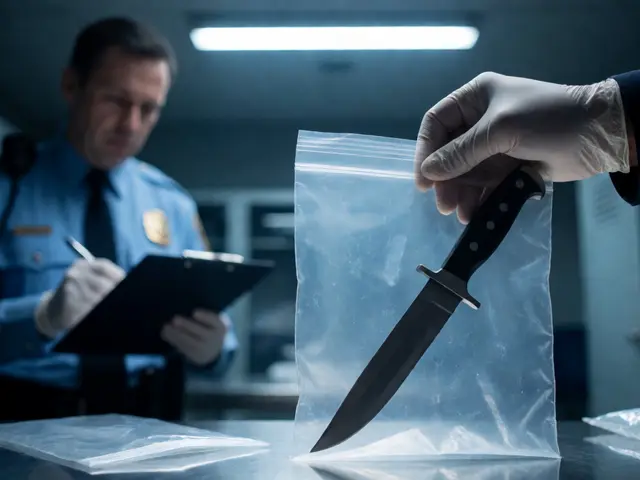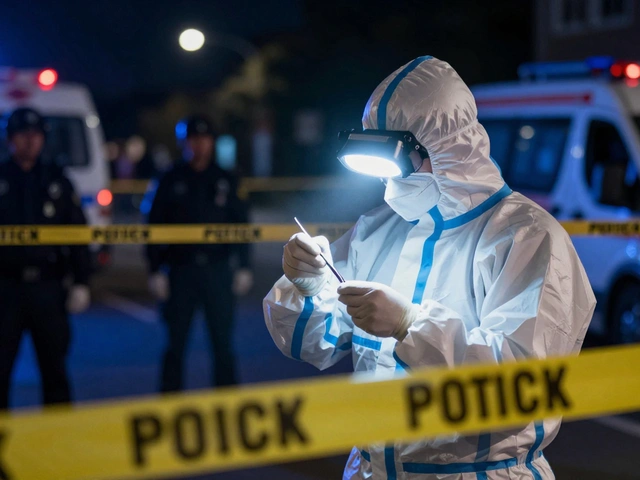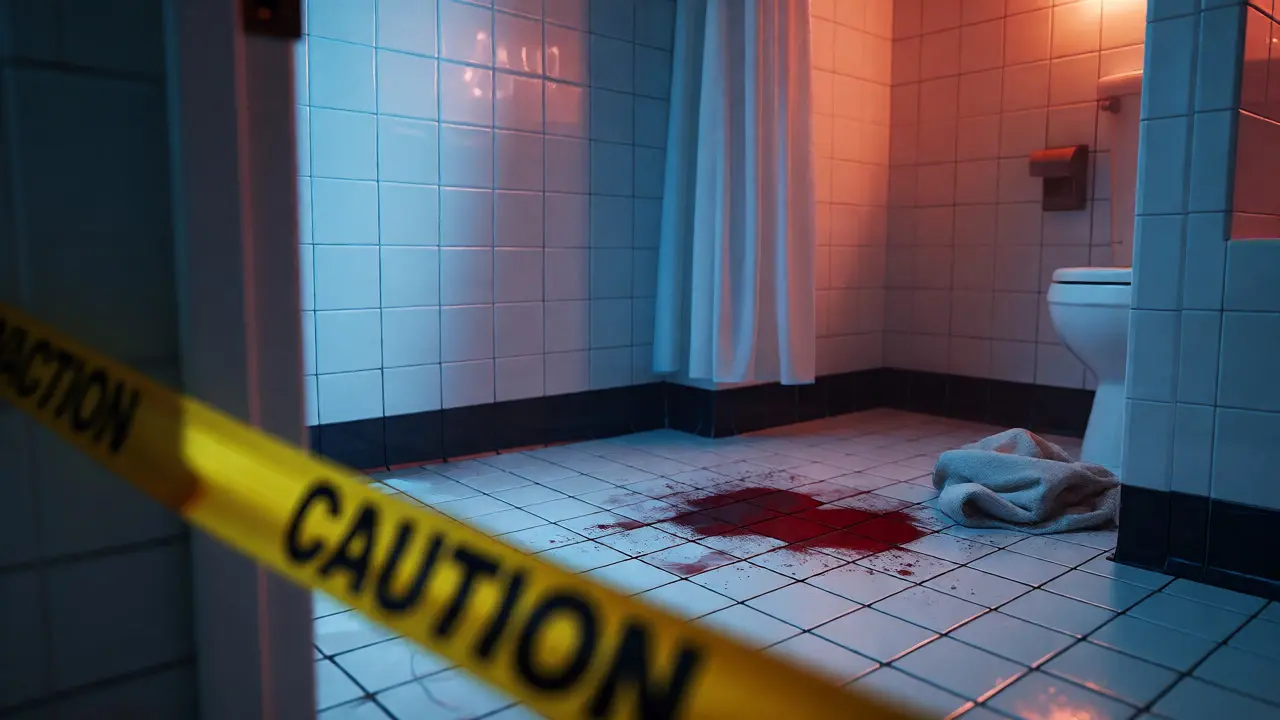
Imagine coming home to find a situation that’s not just messy, but potentially dangerous. Maybe it’s after a fall in the bathroom, a sudden medical incident, or perhaps something more complex like a decomposing body found days later. You grab your mop and gloves, but then you stop. Is bleach enough? What about the bacteria lurking in the carpet padding? This is where professional biohazard cleanup becomes less of a luxury and more of a necessity for health and safety.
Evaluating these companies isn't just about comparing prices. It's about understanding who knows how to handle pathogens, who has the right gear, and who actually follows the regulations that keep you from getting sick later. If you are in Portland or anywhere else dealing with this stress, knowing what to look for can save you money and, more importantly, protect your lungs and skin.
When Do You Actually Need Pros?
Not every mess requires a hazmat suit. If you spill a glass of red wine on the rug, call a regular cleaner. But when biological fluids are involved-blood, vomit, feces, or cerebrospinal fluid-the rules change. These substances carry risks of Hepatitis B, C, HIV, and various bacterial infections that standard household cleaners don’t kill.
You should consider hiring a specialist if:
- The area involves significant blood loss (more than a few drops).
- There was a death involving decomposition, which releases fluids and attracts pests.
- The site is unsecured and others might have touched contaminated surfaces.
- You see mold growing alongside the biohazard, which complicates the air quality.
In Oregon, the Department of Environmental Quality (DEQ) has strict guidelines on how these materials are disposed of. A DIY job often ends up with improper disposal, leading to fines or environmental issues down the road.
Certifications That Matter
This is the first thing to check. Anyone can buy a vacuum and a bottle of disinfectant and call themselves a cleanup company. But professionals need specific training. Look for certification from the American BioRecovery Association (ABRA) or the International Institute of Cleaning Science (IICRC).
Why does this matter? Because IICRC-certified technicians are trained in current protocols for removing bloodborne pathogens. They know the difference between cleaning a surface and decontaminating it. If a company can’t show you their certifications, walk away. It’s that simple. Also, check if they are licensed by the state. In many places, including parts of Oregon, transporting medical waste requires a specific license.
Insurance and Liability Checks
Biohazard work is risky. Technicians are exposed to sharp objects, slippery floors, and infectious agents. If a worker gets hurt or if your property is damaged during the process, who pays?
Ask for proof of two types of insurance:
- General Liability: Covers damage to your home or belongings.
- Workers’ Compensation: Covers the employees if they get injured on the job.
If a company doesn’t have Workers’ Comp, and an employee slips on wet floor wax and breaks a wrist, you could be liable for their medical bills. Don’t let a low quote hide a massive liability risk. Get copies of the certificates of insurance directly from their provider if possible, to ensure they haven’t expired.
The Process: What Should Happen On-Site
A reputable company won’t just spray and pray. There is a science to it. Here is what a standard professional protocol looks like:
| Step | Action | Purpose |
|---|---|---|
| 1. Assessment | Visual inspection and sampling | Determine scope and contamination level |
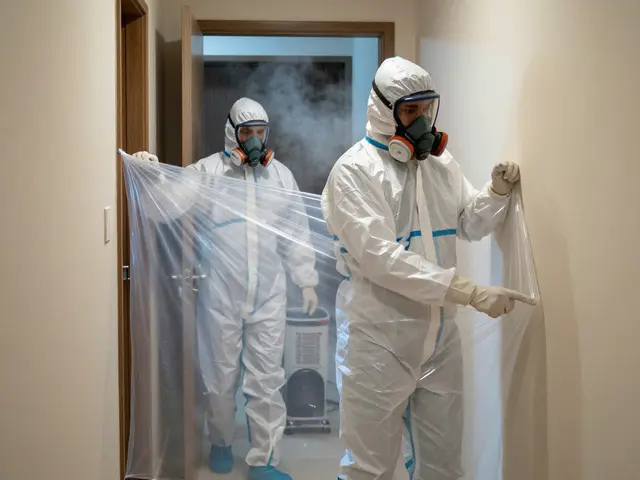
| 2. Containment | Sealing off the area with plastic sheeting | Prevent cross-contamination to other rooms |
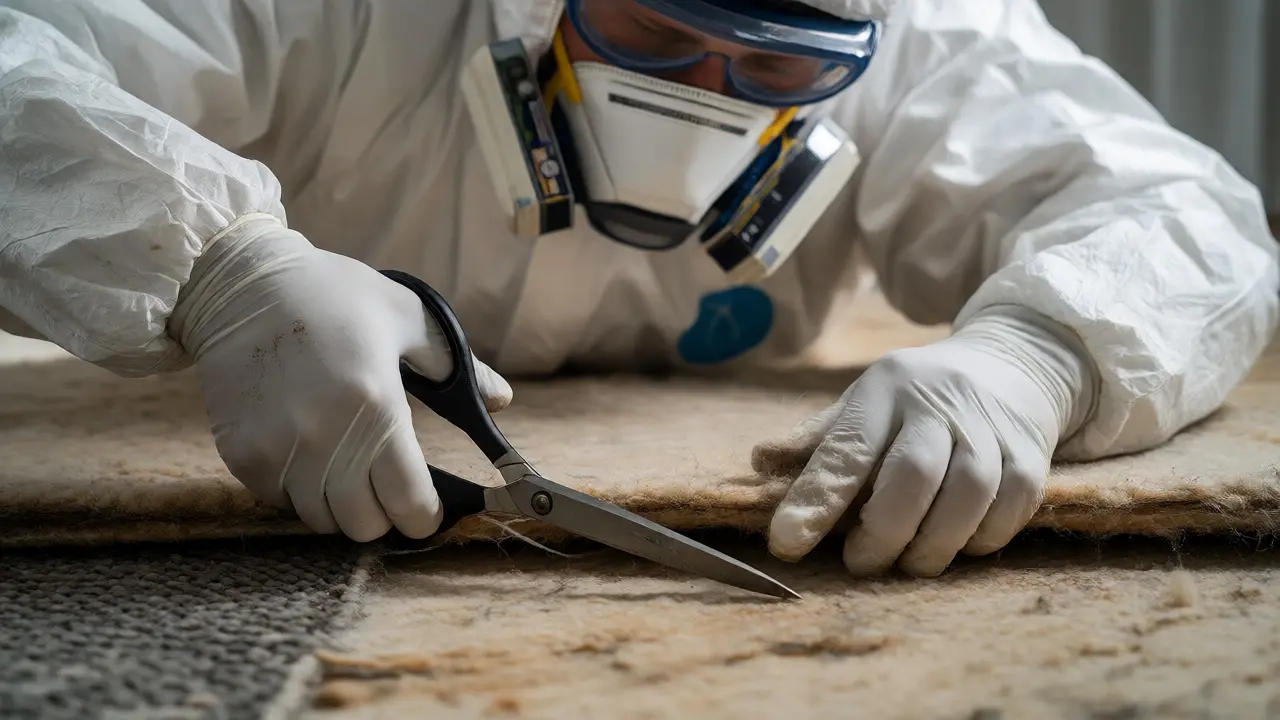
| 3. Removal | Discarding porous materials (carpet, drywall) | Remove trapped pathogens that can't be cleaned |
| 4. Cleaning | Applying EPA-registered disinfectants | Kill remaining bacteria and viruses |
| 5. Verification | ATP testing or visual clearance | Prove the area is safe to re-enter |
Notice the "Removal" step. Many homeowners try to scrub carpets, but blood soaks into the pad and subfloor. Professionals will cut out and bag that material as medical waste. Trying to save the carpet often leads to lingering odors and hidden bacteria.
Costs and Pricing Models
How much does this cost? It varies wildly based on the square footage, the type of hazard, and the location. In Portland, you might pay anywhere from $500 for a small localized incident to several thousand dollars for a full room remediation after a long-term decomposition event.
Be wary of hourly rates. Most reputable firms use flat-rate pricing or price per square foot. Why? Because if they take longer due to inefficiency, you shouldn’t pay more. Ask for a detailed estimate that includes:
- Labor costs
- Materials and disposal fees
- Trip charges
- Any potential additional costs if hidden damage is found
Also, ask if they bill insurance directly. Most homeowners' policies cover accidental biohazard events, but they rarely cover intentional ones. The company should help you navigate the paperwork with your insurer.
Red Flags to Watch Out For
Not all companies are created equal. Here are some warning signs that you’re dealing with amateurs:
- No physical address: If they only have a P.O. Box or a cell phone number, be cautious. Local presence matters for accountability.
- Vague answers about disposal: If they say they’ll just "throw it in the trash," run. Medical waste must go to specialized incineration facilities.
- Lack of PPE: If you see technicians without N95 masks, gloves, and eye protection, they don’t respect the hazard.
- Pressure to sign immediately: Good companies give you time to think. High-pressure sales tactics often mean they lack confidence in their service.
Local Regulations and Disposal
Disposal is tricky. You cannot dump blood-soaked rags in your regular bin. In Oregon, regulated medical waste must be transported by licensed haulers. Your cleanup company handles this logistics chain. They provide manifests-receipts that prove the waste was properly destroyed. Keep these documents. If you ever sell your home, having proof that a previous biohazard event was professionally remediated adds value and peace of mind for buyers.
Furthermore, odor control is part of the legal expectation. If the smell persists because they didn’t remove the source, the job isn’t done. Professional-grade ozone generators or hydroxyl machines are often used to neutralize airborne particles after the physical cleanup.
Making the Final Decision
Choosing a cleanup company is about trust. You are letting strangers into your most vulnerable space. Talk to them. Ask how many jobs like yours they’ve done in the last year. Ask for references. A good firm will be transparent about what they can and cannot do. Sometimes, severe structural damage means you need a restoration contractor afterward, not just a cleaner. A good biohazard team will tell you that upfront rather than trying to fix everything themselves.
Take a deep breath. Dealing with a biohazard is stressful enough without worrying if the job was done right. By focusing on certification, insurance, and clear processes, you ensure that once the crew leaves, your home is truly clean and safe again.
Can I use bleach to clean up blood myself?
While a diluted bleach solution (1 part bleach to 10 parts water) is effective against many pathogens, it is not always sufficient for large spills or porous materials. Bleach can also damage surfaces and emit harmful fumes in enclosed spaces. For significant biohazards, professional equipment and EPA-registered disinfectants are safer and more effective at ensuring complete decontamination.
Does homeowners insurance cover biohazard cleanup?
Most standard homeowners' insurance policies cover biohazard cleanup if the cause is covered under the policy, such as accidental injury, fire, or water damage. However, they typically exclude incidents resulting from neglect or intentional acts. Always contact your insurance agent before starting work to confirm coverage and understand any deductibles or limits.
How long does biohazard cleanup take?
The duration depends on the size of the affected area and the extent of contamination. A small, contained incident might take 2-4 hours. Larger scenes, such as those involving decomposition or widespread fluid spread, can take one to three days. This includes assessment, containment, removal, cleaning, and drying time.
What happens to the waste removed during cleanup?
Biohazardous waste is sealed in red bags or containers labeled with biohazard symbols. It is transported by licensed medical waste carriers to specialized facilities where it is incinerated or treated via autoclaving to destroy pathogens. You should receive a manifest document proving proper disposal.
Is there a risk of infection if I delay cleanup?
Yes. Blood and bodily fluids degrade over time, promoting bacterial growth and attracting insects like flies and beetles. This increases the risk of secondary infections, unpleasant odors, and structural damage to flooring and walls. Prompt professional intervention minimizes health risks and restoration costs.