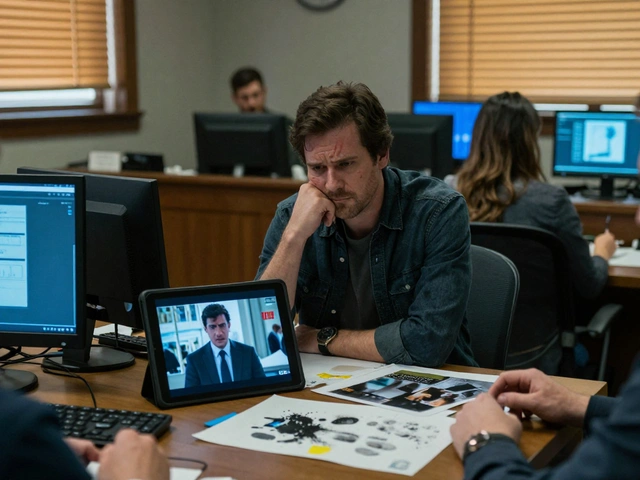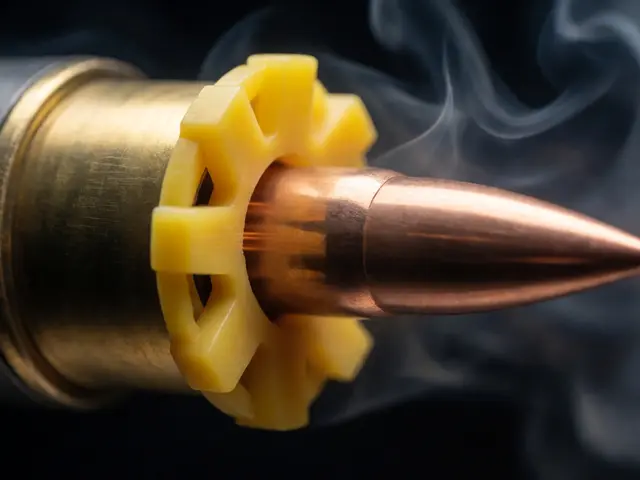
Imagine walking into a crime scene investigation where the DNA analyst also understands digital evidence recovery, or the toxicologist who can interpret trace evidence patterns. This isn't science fiction-it's the growing reality of cross-training across forensic disciplines, a strategic approach that combines specialized expertise with broad operational knowledge to create more versatile and valuable forensic professionals.
In today's rapidly evolving forensic landscape, specialists who limit themselves to one narrow discipline may find their career opportunities constrained. Cross-training has emerged as a powerful tool for professional development, enabling forensic scientists to enhance their career trajectories while strengthening organizational capabilities. Whether you're early in your forensic career or looking to advance to leadership positions, understanding how cross-disciplinary skills impact your professional growth is essential.
The Foundation: Why Cross-Training Matters in Forensics
Forensic science has traditionally operated within rigid disciplinary boundaries-DNA analysis stays in molecular biology, fingerprint examination remains separate from ballistics, and digital forensics operates in its own technological silo. However, this compartmentalization creates vulnerabilities when caseloads surge, staff shortages emerge, or complex cases require multiple perspectives.
Cross-training addresses these challenges by developing professionals who understand multiple investigative domains. According to Independent Forensic Services Australia, training directly enhances the accuracy and reliability of forensic evidence, which proves crucial for criminal investigation integrity. When forensic scientists develop and refine skills across disciplines, they reduce error risks and increase finding credibility in court settings.
This accuracy improvement translates directly into career advancement opportunities. High-quality forensic evidence becomes pivotal in securing convictions or exonerating innocent individuals, making cross-trained professionals increasingly valuable to law enforcement agencies and private laboratories alike.
Core Career Benefits of Multi-Disciplinary Expertise
Employment security represents perhaps the most immediate benefit of cross-training. Forensic laboratories regularly encounter staffing challenges due to illness, turnover, or special project demands. Cross-trained staff provide critical coverage without compromising investigative quality, making them indispensable during emergencies or peak periods.
Compensation advancement occurs more readily for cross-trained forensic scientists. Organizations increasingly structure pay scales to reward expanded capabilities, recognizing that professionals performing diverse functions deliver greater value. Many agencies now offer differential pay rates for technicians certified in multiple disciplines.
Advancement velocity accelerates dramatically when supervisory and management positions open. Cross-trained candidates demonstrate readiness by understanding operations across multiple forensic domains, giving them significant advantages over single-discipline specialists seeking promotion.
| Benefit Category | Single Discipline Specialist | Cross-Trained Professional |
|---|---|---|
| Job Security | Limited to specific role availability | High demand across multiple departments |
| Salary Growth | Standard progression timeline | Accelerated through multiple certifications |
| Promotion Opportunities | Narrow path within specialty | Broad leadership potential across units |
| Expert Witness Work | Limited to primary discipline | Multiple testimony categories available |
| Consulting Potential | Niche market focus | Broader client base and service offerings |
Professional Credentials and Certification Expansion
Professional credentials expansion becomes possible through cross-training, opening doors previously closed to single-discipline practitioners. Forensic scientists pursuing certifications in multiple disciplines through organizations like the American Board of Criminalistics or specialized accreditation bodies gain competitive advantages in the job market.
Each certification potentially expands career options significantly. A DNA analyst who also obtains certification in fingerprint examination or controlled substances analysis becomes eligible for positions requiring broader competency ranges. These additional credentials often translate directly into higher compensation packages and increased consulting opportunities.
Investigative flexibility improves substantially when forensic scientists shift between evidence types based on caseload distribution, crime trends, or seasonal variations common in forensic casework. During busy periods, cross-trained professionals prevent bottlenecks by handling overflow work in secondary disciplines while maintaining quality standards.
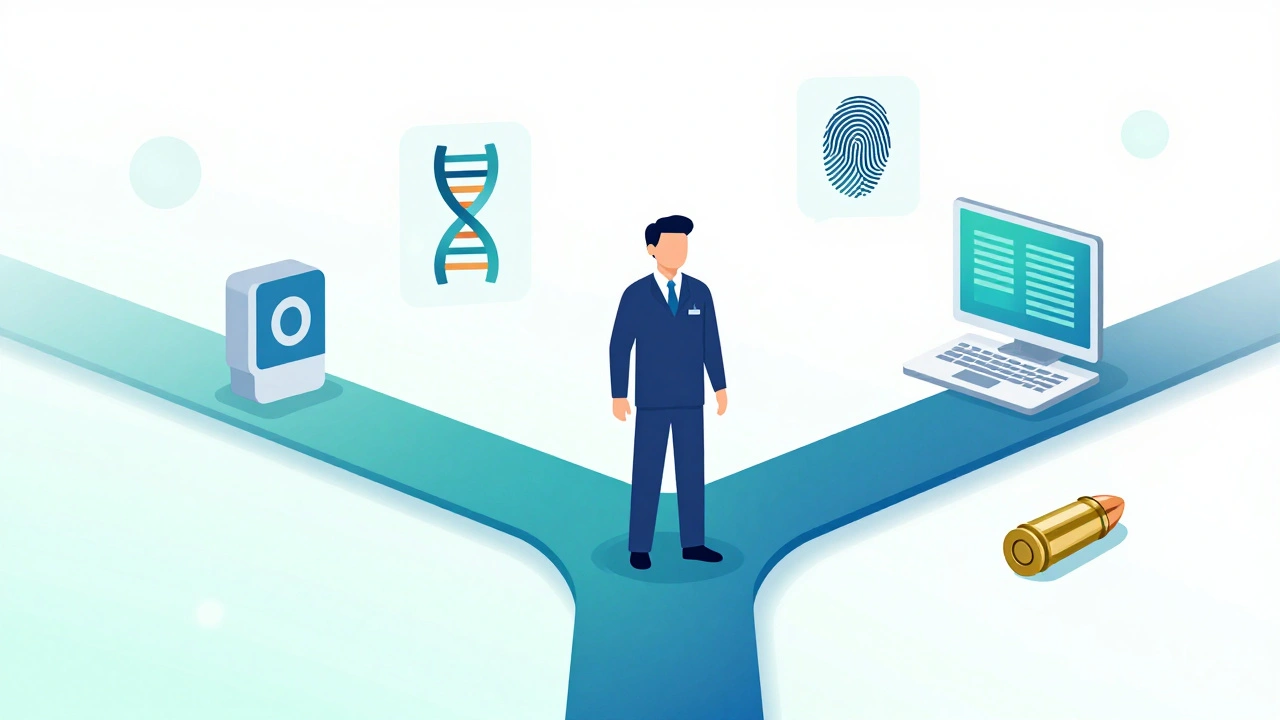
Enhanced Communication and Problem-Solving Abilities
Stronger communication skills emerge naturally from cross-disciplinary learning experiences. New technological advancements integrate increasingly into daily forensic work lives, and research shows that knowledge across multiple disciplines improves ability to communicate effectively with colleagues, investigators, and legal professionals.
Problem-solving abilities sharpen when engaging with multiple disciplines by exposing professionals to different analytical approaches and methodologies. Understanding complex issues from multiple angles enables forensic scientists to see interconnections between seemingly unrelated evidence types, leading to more comprehensive case analyses.
David Joyner, executive director of Online Education at Georgia Tech's Online Master of Science in Computer Science program, notes that "learning more outside my own discipline pays unexpected dividends in conversations I can have or connections I can make." This perspective proves particularly valuable in collaborative forensic environments where team-based investigations dominate.
Mentorship and Knowledge Transfer Mechanisms
Mentorship and knowledge transfer represent critical mechanisms for enabling cross-training success within forensic organizations. GAP Science research on forensic employee retention emphasizes that mentorship ensures the transfer of knowledge from seasoned professionals to newcomers, preserving critical forensic techniques and standards within teams.
Mentorship supports continuous learning, helping mentees refine skills and ensuring teams stay at the cutting edge of forensic science developments. As forensic science evolves with new tools and techniques continuously introduced, professionals who feel they are regularly updating their skills feel more confident and capable in their roles.
This skill development pathway directly correlates with job satisfaction. Employees who feel supported and see opportunities for personal and professional growth remain more engaged with their work and committed to their teams. Career progression pathways, including specialized training or certifications, enable supervisors to retain teams while simultaneously providing advancement opportunities.

Implementation Challenges and Success Strategies
Successful cross-training programs must balance depth versus breadth carefully. Forensic disciplines require substantial technical knowledge, and excessive breadth risks compromising expertise in any single area. Successful programs typically establish core competency in primary disciplines before expanding to secondary specialties.
Time investment requirements prove substantial for meaningful cross-training. Programs typically require 6-18 months depending on target discipline complexity and individual learning capacity. Organizations must plan accordingly, allowing adequate time for skill acquisition without disrupting ongoing casework responsibilities.
Mentorship quality varies significantly across organizations. Without committed, skilled mentors, cross-training programs may fail to effectively transfer knowledge. Equipment access and safety considerations require careful management when training in disciplines involving potentially hazardous materials or expensive instrumentation.
Performance monitoring requires clear metrics to assess whether cross-training actually improves outcomes. Metrics should include accuracy rates, turnaround times, error frequencies, and employee retention rates. Organizational culture must support experimentation and learning from mistakes, as early cross-training efforts may not immediately improve efficiency.
Market Trends and Future Opportunities
FBI laboratory operations and major metropolitan police departments increasingly employ cross-training programs to improve operational resilience. The forensic science market faces continued pressure to reduce turnaround times while maintaining accuracy, making flexible workforce capabilities increasingly valuable.
Technological advancement in forensic instrumentation creates opportunities for cross-training as modern instruments often serve multiple analytical purposes. Quality assurance and accreditation standards, including ISO/IEC 17025 requirements, increasingly emphasize competency across broader domains.
The ongoing forensic science labor shortage makes retention through career development increasingly critical for laboratories. Academic institutions have begun integrating cross-disciplinary training into graduate forensic science programs, recognizing its market value and preparing students for evolving workplace demands.
Emerging forensic disciplines, including digital forensics integration with traditional disciplines and environmental forensics, naturally require cross-disciplinary capability. Advanced technologies including artificial intelligence, machine learning, and high-throughput analysis methods create new roles requiring understanding across multiple traditional forensic domains.
Building Your Cross-Training Strategy
Start by identifying complementary disciplines that align with your interests and career goals. Consider which areas face staffing shortages or offer growth opportunities in your region. Research certification requirements and time commitments before committing to additional training programs.
Seek mentorship from experienced professionals who have successfully navigated cross-disciplinary transitions. Their insights about practical challenges and success strategies prove invaluable for avoiding common pitfalls and accelerating your development timeline.
Document all training activities and maintain detailed records of competencies acquired. These records become essential for demonstrating qualifications during performance reviews, promotion considerations, or external job applications requiring proof of multi-disciplinary expertise.
Stay current with emerging technologies and methodologies across all disciplines in which you train. Continuous professional development remains essential for maintaining relevance and competitiveness in an ever-changing forensic landscape.
How long does it take to complete cross-training in forensic disciplines?
Meaningful cross-training typically requires 6-18 months depending on the complexity of target disciplines and individual learning capacity. Simple skill transfers might take 3-6 months, while mastering entirely new analytical methods could require 12-18 months of dedicated study and practice.
Which forensic disciplines pair well together for cross-training?
DNA analysis pairs well with serology and bloodstain pattern analysis due to shared biological foundations. Digital forensics complements traditional evidence collection and chain-of-custody procedures. Trace evidence examination works well with fingerprint analysis since both involve microscopic examination techniques.
Do employers actually pay more for cross-trained forensic professionals?
Many organizations structure compensation to reward expanded capabilities, though practices vary widely. Federal agencies and larger metropolitan departments often offer differential pay rates for technicians certified in multiple disciplines. Private laboratories increasingly recognize the value of versatile staff in competitive hiring markets.
Can beginners start cross-training immediately after entering the field?
Most successful programs recommend establishing core competency in your primary discipline first. Attempting to master multiple specialties simultaneously often leads to inadequate proficiency in all areas. Focus on becoming proficient in your main role before expanding to secondary disciplines.
What certifications validate cross-disciplinary forensic expertise?
The American Board of Criminalistics offers certifications in multiple disciplines including chemistry, physics, and biology. Specialized boards exist for digital forensics, fingerprint examination, and other specific areas. Each certification requires passing examinations and demonstrating practical competency through supervised casework.
How does cross-training affect workload and stress levels?
Initially, cross-training increases workload as you learn new skills while maintaining existing responsibilities. However, long-term effects often reduce stress through increased job security, varied work assignments preventing burnout, and enhanced problem-solving abilities that streamline complex case analyses.
Are there age restrictions for starting cross-training programs?
No formal age restrictions exist for cross-training programs. However, older professionals may need more time to adapt to new technologies and methodologies. Many experienced forensic scientists successfully transition into cross-disciplinary roles later in their careers, bringing valuable institutional knowledge to new specialties.
What role does technology play in modern forensic cross-training?
Modern forensic instrumentation often serves multiple analytical purposes, creating natural cross-training opportunities. Artificial intelligence and machine learning tools assist in pattern recognition across different evidence types. Virtual reality simulations allow safe practice of complex procedures without consuming physical resources.