Poison has been called the "invisible killer" for centuries. Unlike a gunshot or a stab wound, it leaves no obvious mark on the body. For investigators, this makes proving poisoning is one of the most complex challenges in modern homicide investigations. It requires more than just finding a dead body; it demands rigorous science to detect, identify, and quantify toxic substances that may have caused death. Without precise forensic evidence, a suspicious death might be misclassified as natural causes or an accident, letting a murderer walk free.
In today’s legal landscape, forensic toxicology is the scientific discipline dedicated to analyzing biological samples to detect drugs, poisons, and other harmful substances serves as the bridge between chemistry and criminal justice. It transforms invisible chemical traces into undeniable courtroom evidence. But how do experts actually prove that someone died from poison? And what does the process look like from the moment a body is discovered to the final verdict?
The Science Behind Detecting Invisible Killers
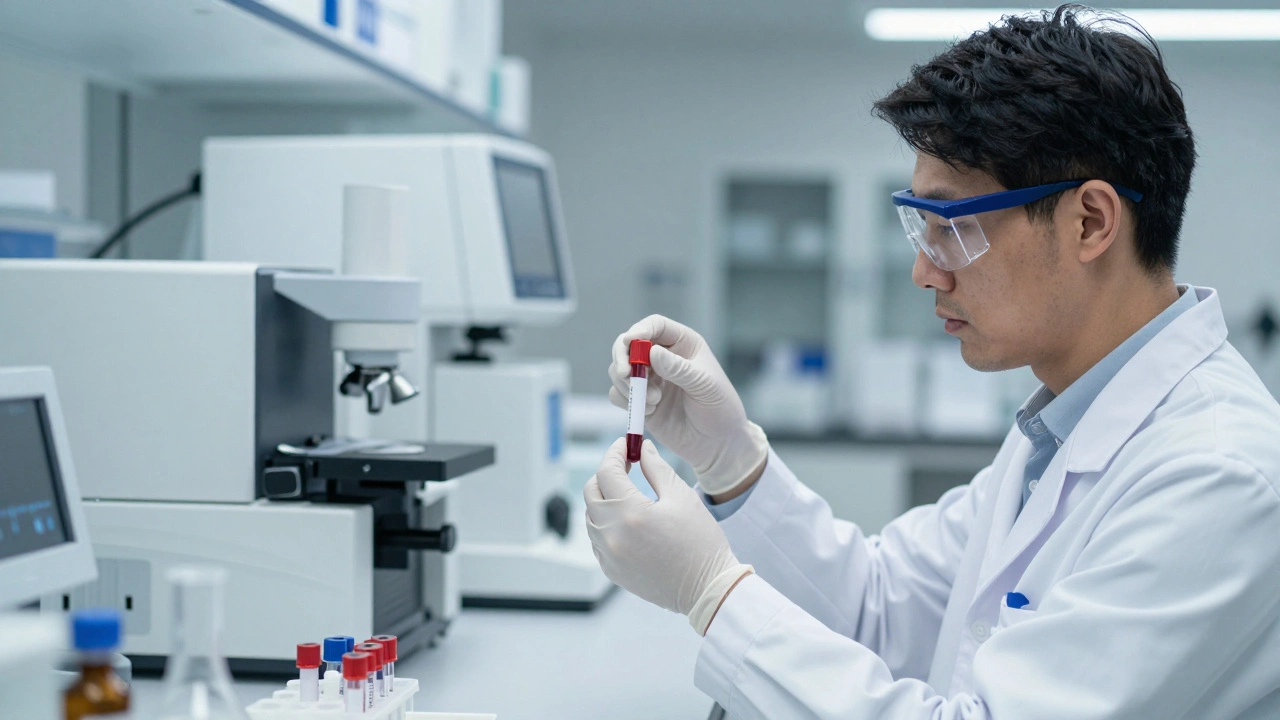
To understand how poisoning is proven, you first need to know what toxicologists are looking for. The human body processes and stores chemicals differently depending on the substance and the time since ingestion. This is why forensic protocols don’t rely on a single sample. Instead, they collect a comprehensive range of biological specimens.
Blood is the primary specimen used to determine recent drug ingestion and immediate effects at the time of death remains the gold standard for detecting active toxins. However, blood alone isn’t enough. Toxicologists also analyze:
- Urine is a fluid that often contains higher concentrations of drug metabolites, useful for confirming exposure history
- Vitreous humor is the clear gel found in the eye, which resists decomposition longer than blood and provides stable chemical readings
- Gastric contents are stomach fluids and undigested material that can reveal undissolved pills or capsules, crucial in acute poisoning cases
- Liver tissue is an organ that accumulates many toxicants over time, offering insight into chronic exposure or long-term poisoning
- Hair samples are keratin-based structures that trap drugs and toxins as they grow, allowing reconstruction of drug use months or even years prior
Each tissue tells a different part of the story. Stomach contents, for example, are vital in acute poisoning because they may contain intact tablets. The total amount of poison present matters more here than concentration, since the body hasn’t yet absorbed it. Liver tissue, on the other hand, helps distinguish between a one-time lethal dose and gradual accumulation-key details when determining intent versus accidental overdose.
Two-Tier Testing: Screening and Confirmation
Detecting poison isn’t a quick yes-or-no test. Forensic labs use a two-stage analytical process designed to balance speed with absolute certainty. This approach ensures that false positives don’t derail investigations while still catching every potential toxin.
The first stage is screening tests are initial broad-spectrum analyses using immunoassay techniques to quickly flag substances above established cut-off levels. These tests are fast, inexpensive, and capable of checking multiple substances simultaneously. Think of them as a net cast wide to catch anything suspicious. If a screening test comes back positive, the lab moves immediately to the second stage.
Confirmatory testing uses highly specific instruments to verify exactly what was found. The two most common tools are:
- Gas chromatography-mass spectrometry (GC-MS) is a technique that separates volatile compounds and identifies them by their molecular mass, providing high specificity for known toxins
- Liquid chromatography-tandem mass spectrometry (LC-MS/MS) is a more sensitive method ideal for non-volatile or thermally unstable compounds, including many modern synthetic drugs
These machines don’t just say “drug present.” They provide exact chemical fingerprints. In a homicide case, this level of precision is mandatory. A jury needs to know not just that a toxin was found, but that it matches the suspected poison down to the molecule. That’s why confirmatory results carry so much weight in court-they eliminate doubt.
| Method | Speed | Specificity | Cost | Best Used For |
|---|---|---|---|---|
| Immunoassay Screening | Fast | Low | Low | Initial broad detection of common drugs/toxins |
| GC-MS | Moderate | High | Moderate | Confirming volatile and semi-volatile substances |
| LC-MS/MS | Slower | Very High | High | Identifying complex, non-volatile, or novel synthetic compounds |
Common Poisons Investigated in Homicides
Not all poisons are created equal. Some act quickly, others slowly. Some leave clear chemical signatures; others mimic natural diseases. Forensic toxicologists routinely screen for a wide array of substances, guided by both protocol and investigative clues.
Routine postmortem panels typically include:
- Ethanol is alcohol commonly consumed recreationally, tested alongside methanol and acetone to rule out accidental ingestion or industrial exposure, along with its toxic counterparts like methanol (found in antifreeze) and acetone
- Acetaminophen is a widely available pain reliever that can cause fatal liver failure in high doses, often disguised in over-the-counter medications (paracetamol), a common painkiller that becomes lethal in large quantities
- Tramadol is an opioid analgesic marketed under brand names like Ultram and Ryzolt, increasingly involved in prescription drug-related fatalities and other prescription opioids
- Salicylates are compounds derived from aspirin, which can cause severe metabolic disturbances and death if overdosed (aspirin components)
- Tricyclic antidepressants are older psychiatric medications like imipramine and amitriptyline, known for narrow therapeutic windows and dangerous cardiac side effects such as imipramine and amitriptyline
- SSRIs are selective serotonin reuptake inhibitors like fluoxetine (Prozac) and sertraline (Zoloft), generally safer but potentially lethal in combination with other drugs including fluoxetine (Prozac) and sertraline (Zoloft)
- Ethylene glycol is the main ingredient in automotive antifreeze, highly toxic when ingested and often mistaken for water or sweet drinks (antifreeze)
- GHB is gamma-hydroxybutyric acid, a central nervous system depressant frequently associated with drug-facilitated crimes and sexual assaults (gamma-hydroxybutyric acid), notorious in drug-facilitated crimes
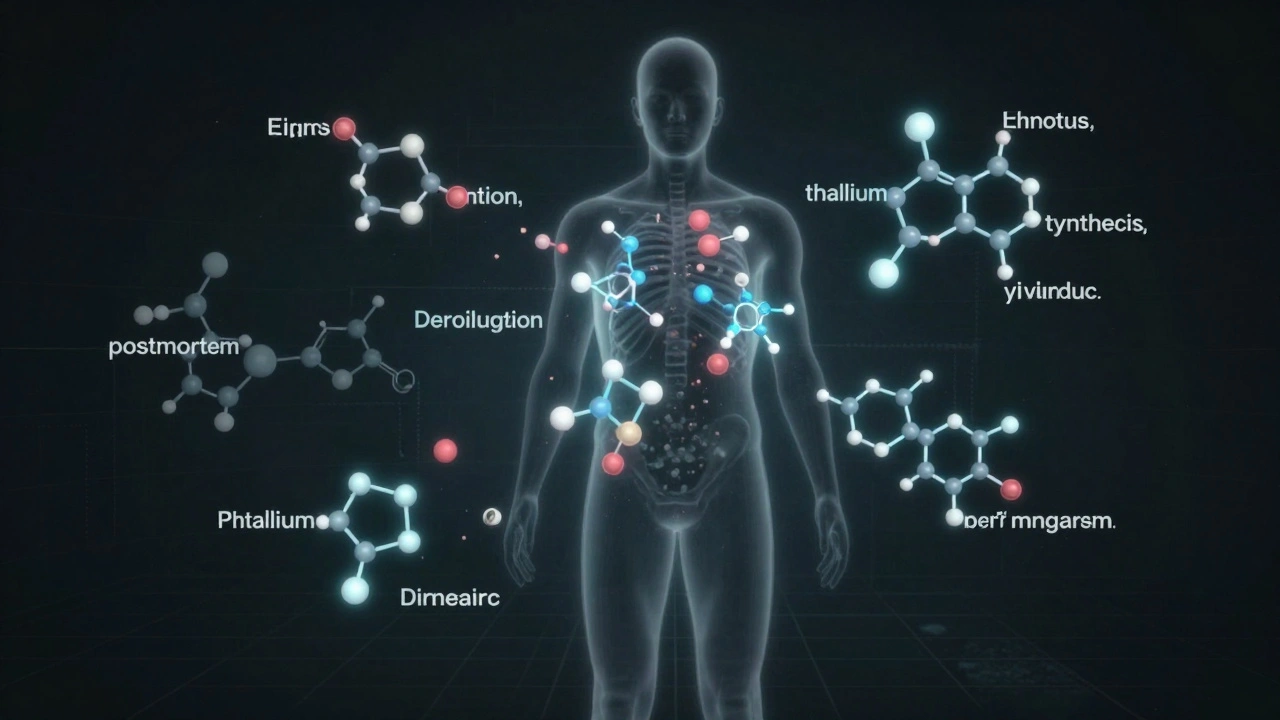
Beyond these, investigators may target heavier metals like Thallium is a rare metal historically used in rat poison, causing hair loss, nerve damage, and eventual organ failure-its presence strongly suggests intentional poisoning, a rare but deadly poison once used in rodenticides. Its detection often signals deliberate homicide rather than accidental exposure. Emerging synthetic drugs also pose growing challenges, requiring labs to constantly update their databases and methods.
Challenges in Postmortem Interpretation
Finding a toxin in a body doesn’t automatically mean it caused death. This is where interpretation becomes critical-and controversial. Several factors complicate the picture:
Postmortem redistribution is the movement of drugs within the body after death, leading to artificially elevated concentrations in certain tissues like heart blood compared to peripheral sites occurs when chemicals shift around after death. A drug might appear concentrated in heart blood simply because it moved there post-death, not because it was lethal while alive. Toxicologists must account for this by comparing central vs. peripheral samples.
Decomposition timeline is the rate at which a body breaks down, affecting the stability of chemical markers and complicating accurate quantification of toxins affects how reliably we can measure toxins. As bodies decompose, some chemicals break down, while others become more concentrated. Timing matters enormously.
Perhaps the hardest question: Was the person already taking the drug before dying? Many people have trace amounts of medications in their systems due to regular use. Distinguishing between incidental presence and fatal intoxication requires context-medical records, witness statements, scene investigation data-all woven together with lab results.
From Lab Report to Courtroom Conviction
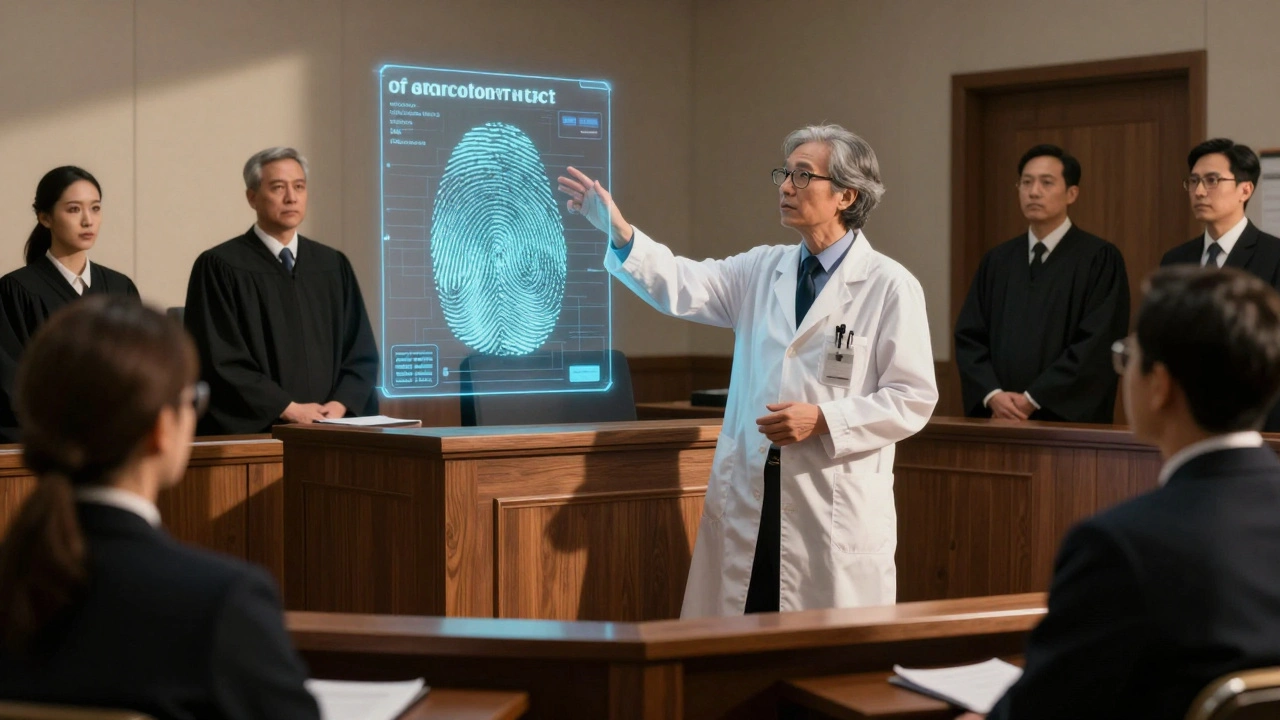
Even the most sophisticated analysis means nothing unless it translates into understandable, credible testimony. Forensic toxicologists regularly serve as expert witnesses in homicide trials. Their job isn’t just to present numbers-it’s to explain what those numbers mean in plain language.
A successful prosecution hinges on three things:
- Clear chain of custody: Every sample must be tracked from collection to analysis to ensure no tampering occurred.
- Reproducible methodology: Labs follow standardized protocols validated by organizations like the Society of Forensic Toxicologists (SOFT).
- Expert interpretation: The toxicologist explains why the detected concentration was lethal, considering individual health factors, co-ingestants, and timing.
In landmark cases-from 18th-century arsenic trials to modern thallium murders-the ability to demonstrate causation through science has turned ambiguous deaths into convictions. Today, with advanced instrumentation and digital recordkeeping, the margin for error shrinks further. But the core principle remains unchanged: science must speak clearly, confidently, and without bias.
Why Context Matters More Than Ever
You can’t interpret a toxicology report in isolation. Consider this scenario: A man dies suddenly. His blood shows high levels of an antidepressant. Is it murder? Suicide? Accident? Or natural progression of illness?
Only by combining toxicological findings with:
- Autopsy observations (organ damage, signs of struggle)
- Scene investigation (empty pill bottles, forced entry)
- Witness accounts (did he complain of nausea? Did someone visit him recently?)
- Medical history (was he prescribed the medication?)
...can investigators build a complete narrative. Toxicology provides the chemical truth-but only when integrated into the broader investigative puzzle does it reveal the full story.
How long does it take to get forensic toxicology results?
Routine screening takes 1-3 days. Confirmatory testing via GC-MS or LC-MS/MS usually adds another 5-10 business days. Complex cases involving rare toxins or extensive tissue sampling may take several weeks.
Can forensic toxicology detect old poisons?
Some toxins persist longer than others. Heavy metals like lead or arsenic can remain in bones and teeth for years. Hair analysis can reconstruct drug use up to 12-18 months prior. Most common pharmaceuticals, however, degrade within days to weeks.
What happens if multiple drugs are found in the system?
Toxicologists assess synergistic effects. Two non-lethal drugs combined might create a fatal interaction. Experts evaluate whether the combination explains the death-or if another factor (like disease or trauma) played a role.
Is forensic toxicology admissible in court?
Yes, provided the lab followed accredited procedures, maintained proper documentation, and employed qualified personnel. Courts require transparency in methods and reproducibility of results.
How do investigators decide which tests to run?
Initial panels cover common substances. Additional targeted tests depend on circumstantial evidence-such as reported symptoms, location of death, or suspicious behavior noted by family or friends.