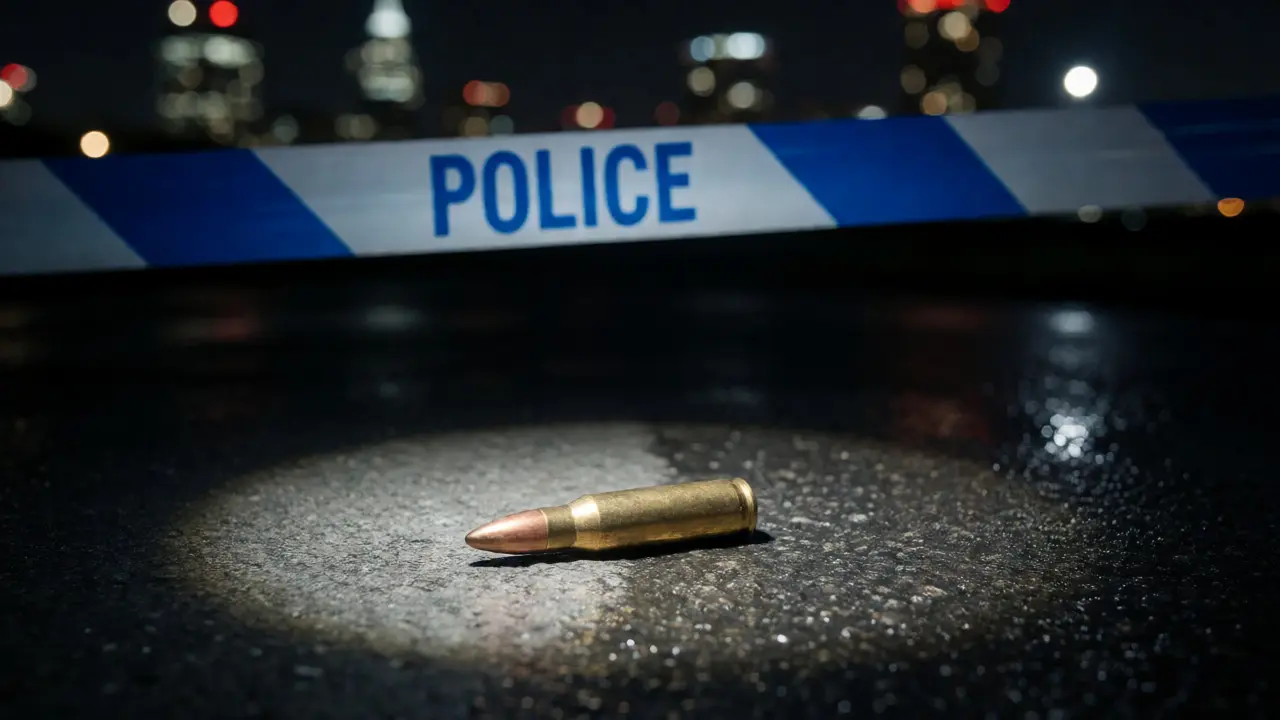
Imagine a single shell casing found at two different crime scenes months apart. To the naked eye, they look identical-brass cylinders with the same brand stamp. But under a microscope, those casings hold unique microscopic scratches, like fingerprints made by the gun’s firing pin and breech face. This is where NIBIN, or the National Integrated Ballistic Information Network, changes everything. It’s not just a database; it’s a digital bridge connecting disparate crimes through physical evidence. If you’re in law enforcement or forensics, understanding how a NIBIN lead moves from a simple entry to a concrete investigative action is critical. It’s the difference between a cold case gathering dust and an arrest being made.
What Exactly Is a NIBIN Lead?
A NIBIN lead is a potential match generated by the IBIS (Integrated Ballistic Identification System) software when it finds similar markings on two pieces of ballistic evidence. Think of it as a high-tech suggestion engine. The system doesn’t say, “These are definitely the same gun.” It says, “Hey, these two cartridge cases have very similar topography. You should check them out.”
This distinction matters because NIBIN is a screening tool, not a conclusive identifier. When a bullet or cartridge case is entered into the system, the scanner captures its 3D surface features. The algorithm then compares this data against millions of other entries across the country. If it spots a similarity score above a certain threshold, it flags a lead. That lead is your starting point, not your finish line.
The Workflow: From Crime Scene to Database
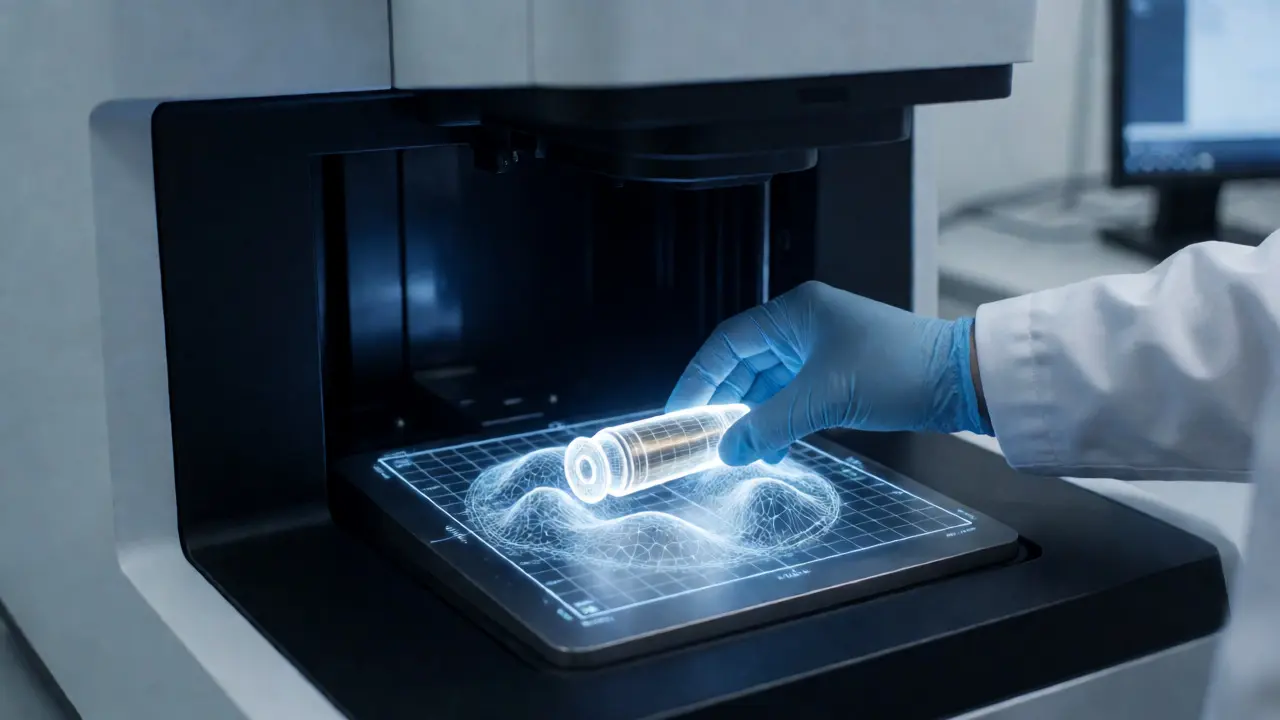
The journey begins long before the computer screen lights up. It starts with proper collection. If a detective drops a cartridge case or bags it improperly, contaminating the firing pin impression, the entire chain breaks. Once collected, the evidence goes to a local laboratory equipped with a 3D Ballistic Comparison Microscope.
- Collection: Investigators recover fired bullets and cartridge cases from the scene.
- Scanning: Lab technicians scan the items using specialized microscopes that create digital images of the surface marks.
- Entry: These images are uploaded to the national NIBIN database via the IBIS software.
- Correlation: The system runs automated comparisons against existing entries.
- Lead Generation: Potential matches are flagged for human review.
This process usually happens within days, sometimes hours, depending on lab capacity. Speed is vital here. A fast lead can link a shooting today to one last week, helping detectives connect the dots before suspects flee the jurisdiction.
Verifying the Match: The Human Element
Here’s where many people get confused. The computer suggests a match; the human confirms it. A NIBIN technician reviews the flagged leads by comparing the original scanned images side-by-side. They look for consistent class characteristics (like caliber) and individual characteristics (the random scratches).
If the technician believes there’s a strong correlation, they don’t stop there. They perform a conventional microscopic comparison. This involves placing the actual physical cartridge cases from both scenes under a traditional comparison microscope. They adjust the lighting and focus until they see if the striae-the tiny grooves left by the gun barrel or breech face-align perfectly.
| Feature | Automated NIBIN Lead | Confirmed Forensic Match |
|---|---|---|
| Source | IBIS Software Algorithm | Human Expert Analysis |
| Confidence Level | Probable / Possible | Identification / Exclusion |
| Action Required | Review images, request physical evidence | Report to investigators, support prosecution |
| Timeframe | Minutes to Hours | Days to Weeks (depending on logistics) |
Only after this physical confirmation can a report state that the two items were likely fired from the same weapon. This step protects against false positives caused by poor scanning quality or unusual manufacturing defects.
Turning Leads into Investigative Action
So, you have a confirmed match. Now what? This is where the rubber meets the road. A NIBIN hit provides investigative intelligence, which is distinct from admissible court evidence in some jurisdictions, though it often supports probable cause.
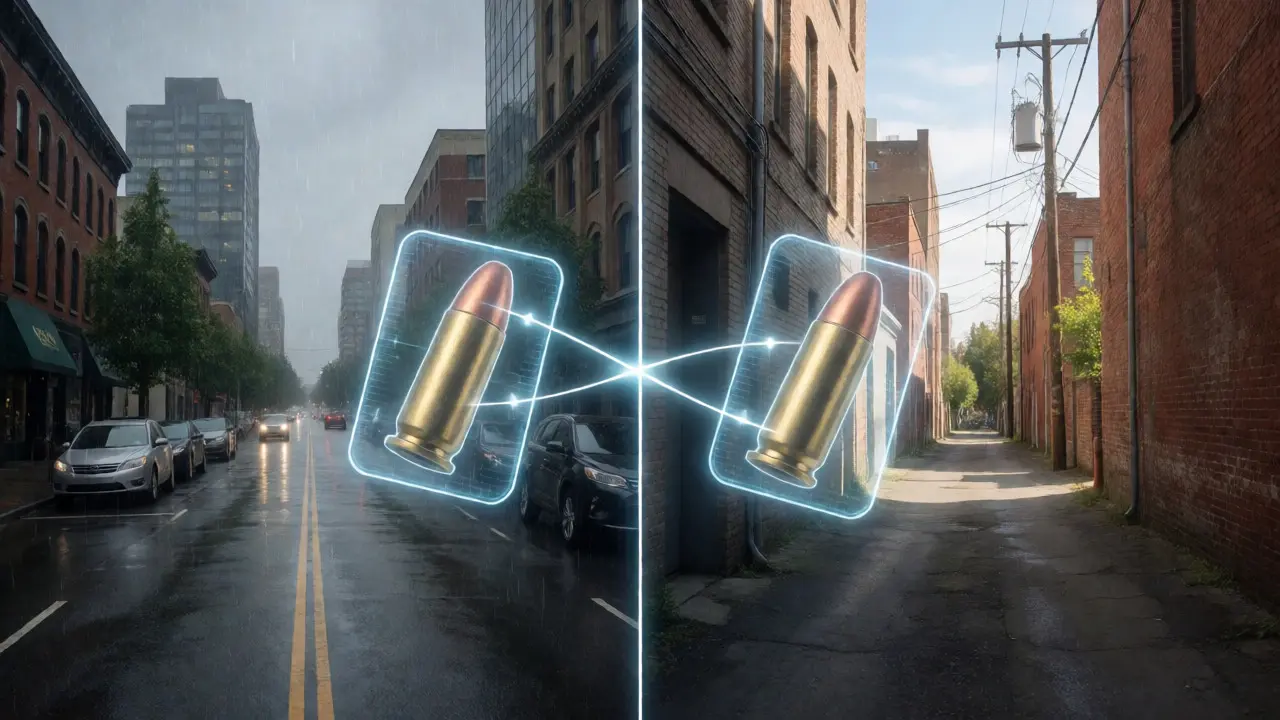
Detectives use these leads to build timelines. If Case A (a drive-by shooting in Portland) matches Case B (a robbery in Seattle), investigators know they might be dealing with the same firearm-and potentially the same shooter. This allows them to:
- Link Cases: Combine resources from different agencies to solve multiple crimes at once.
- Identify Suspects: If the gun was previously recovered and linked to a known offender, the new case gains immediate context.
- Prevent Future Crimes: Knowing a specific gun is active helps patrol units prioritize stops.
- Support Prosecution: Even if the suspect isn’t caught yet, linking cases strengthens the narrative for grand juries later.
In many modern precincts, NIBIN analysts sit directly in the detective bureau. They don’t wait for emails; they walk over to desks and say, “Hey, I think your guy shot someone else last month.” This proximity accelerates the workflow significantly.
Challenges and Limitations
It’s not magic. NIBIN has hurdles. First, evidence availability is a constant battle. If a police department doesn’t collect cartridge cases properly-or throws them away because they think they’re worthless-the data never enters the system. You can’t match what isn’t there.
Second, data quality varies. A scratched or dirty casing produces a noisy scan, lowering the confidence score. Technicians must decide whether to clean the item (which risks damaging marks) or accept a lower-quality entry.
Third, jurisdictional silos still exist. While NIBIN is national, local labs may have backlogs. A lead generated in New York might take weeks to be reviewed if the receiving lab in Chicago is understaffed. Timeliness is everything in homicide investigations.
Best Practices for Maximizing NIBIN Utility
To get the most out of this technology, agencies need to adopt strict protocols. Here are a few rules of thumb for anyone handling ballistic evidence:
- Collect Everything: Never discard a cartridge case. Even a damaged one might yield partial data.
- Document Context: Record exactly where each casing was found. Spatial relationships can help verify if a match makes logical sense.
- Prioritize Active Shooters: Flag cases involving repeat offenders or gang-related activity for priority scanning.
- Share Intelligence: Don’t keep hits secret. Share confirmed links with neighboring jurisdictions immediately.
Remember, NIBIN works best when it’s part of a larger puzzle. It won’t give you a name on its own, but it will tell you that the gun used in yesterday’s assault is the same one used in last year’s murder. That connection is often the key that unlocks the whole case.
Does a NIBIN match prove guilt?
No, a NIBIN match does not prove guilt. It indicates that two pieces of ballistic evidence were likely fired from the same weapon. It establishes a link between crimes or between a crime and a suspect’s weapon, but it does not identify who held the trigger. Other evidence, such as eyewitness testimony, DNA, or video surveillance, is needed to place a specific person at the scene.
How long does it take to get a NIBIN result?
The time frame varies by agency and lab capacity. In well-resourced areas, initial scanning and automated comparison can happen within 24 to 48 hours. However, verifying a lead through physical comparison microscopy can take several days to weeks, especially if the matching evidence is located in a different jurisdiction and needs to be shipped or shared digitally.
Can NIBIN match bullets as well as cartridge cases?
Yes, NIBIN can analyze both bullets and cartridge cases. However, cartridge cases are generally preferred for NIBIN analysis because they retain clearer, more durable markings from the breech face and firing pin. Bullets can also provide valuable data from rifling marks, but they are often more distorted upon impact, making reliable scans harder to obtain.
Who manages the NIBIN database?
The National Integrated Ballistic Information Network (NIBIN) is managed by the Bureau of Alcohol, Tobacco, Firearms and Explosives (ATF). The ATF provides the hardware, software (IBIS), and training to participating laboratories across the United States, creating a unified national network for ballistic evidence comparison.
What happens if a suspect is arrested after a NIBIN hit?
If a suspect is arrested and their firearm is recovered, investigators can submit test fires from that gun to NIBIN. If the test fires match the evidence from the unsolved crimes, it provides strong forensic support for charging the suspect with multiple offenses. This can lead to plea bargains covering all linked incidents rather than separate trials.