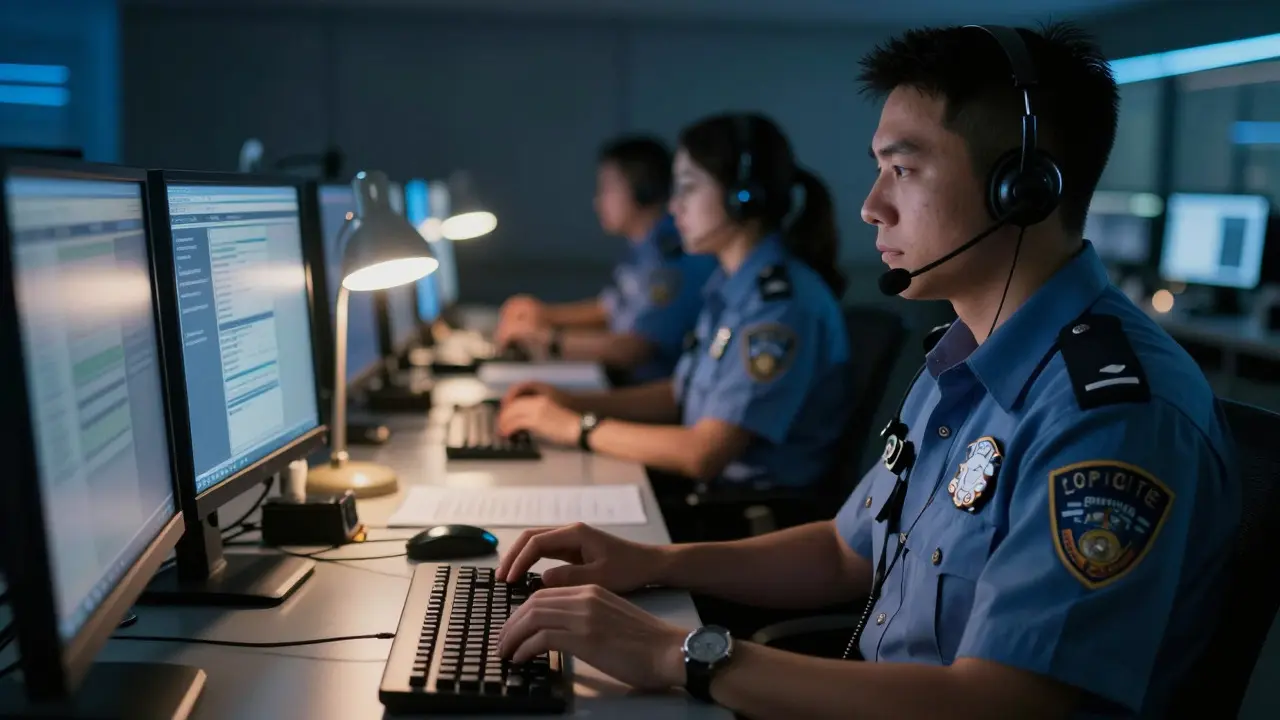
Imagine a dispatcher taking a call at 2:14 AM. A neighbor reports a gunshot. The radio crackles with static, the caller is panicking, and every second counts. If the information passed to the responding officer is vague or incomplete, the crime scene can be compromised before the first badge even arrives. This gap between dispatch and the initial law enforcement response team that secures the area and preserves evidence is where cases are often won or lost.
The transition from radio call to on-scene command is not just a logistical step; it is a critical legal and forensic checkpoint. When this handoff fails, evidence gets moved, witnesses scatter, and chain of custody begins with a weak link. Understanding how to tighten this protocol ensures that what the detective sees is exactly what happened, filtered through accurate, real-time data.
The Critical Window: First Five Minutes
The most dangerous time for a crime scene is not when the suspect flees, but in the first five minutes after police arrival. During this window, the primary goal shifts from active pursuit to preservation. The dispatcher’s role evolves from gathering basic facts to curating intelligence for the arriving unit. They must identify the type of incident, potential hazards, and the precise location details that prevent responders from entering blindly.
Consider a burglary versus a homicide. In a burglary, the priority is containment and witness isolation. In a homicide, the priority is life support and preventing secondary contamination. If the dispatcher doesn’t flag "active shooter" versus "shooting found," the tactical approach changes entirely. One sends SWAT; the other sends EMS and uniformed officers with caution tape. Misclassification here leads to delayed medical aid or unnecessary risk to officers.
Standardized Communication Frameworks
To eliminate ambiguity, departments rely on standardized communication frameworks. These are not just suggestions; they are operational requirements designed to ensure that every piece of information travels without distortion. The core of these protocols involves structured data entry into Computer-Aided Dispatch (CAD) systems, which serve as the digital backbone of modern policing.
- Location Precision: Beyond street names, dispatchers must note cross-streets, landmarks, and access points. For rural areas, GPS coordinates are mandatory.
- Incident Classification: Using standardized codes (like NIBRS codes) ensures that the arriving unit knows the severity level immediately.
- Hazard Identification: Flags for weapons, chemicals, fire, or unstable structures must be broadcast continuously until cleared.
- Victim Status: Clear distinction between "victim alive," "victim deceased," or "unknown" dictates whether EMS takes the lead.
This structure allows the first responder to make split-second decisions based on verified data rather than assumptions. It creates a shared mental model between the control room and the field unit, reducing cognitive load during high-stress situations.
The Physical Handoff: From Uniform to Detective
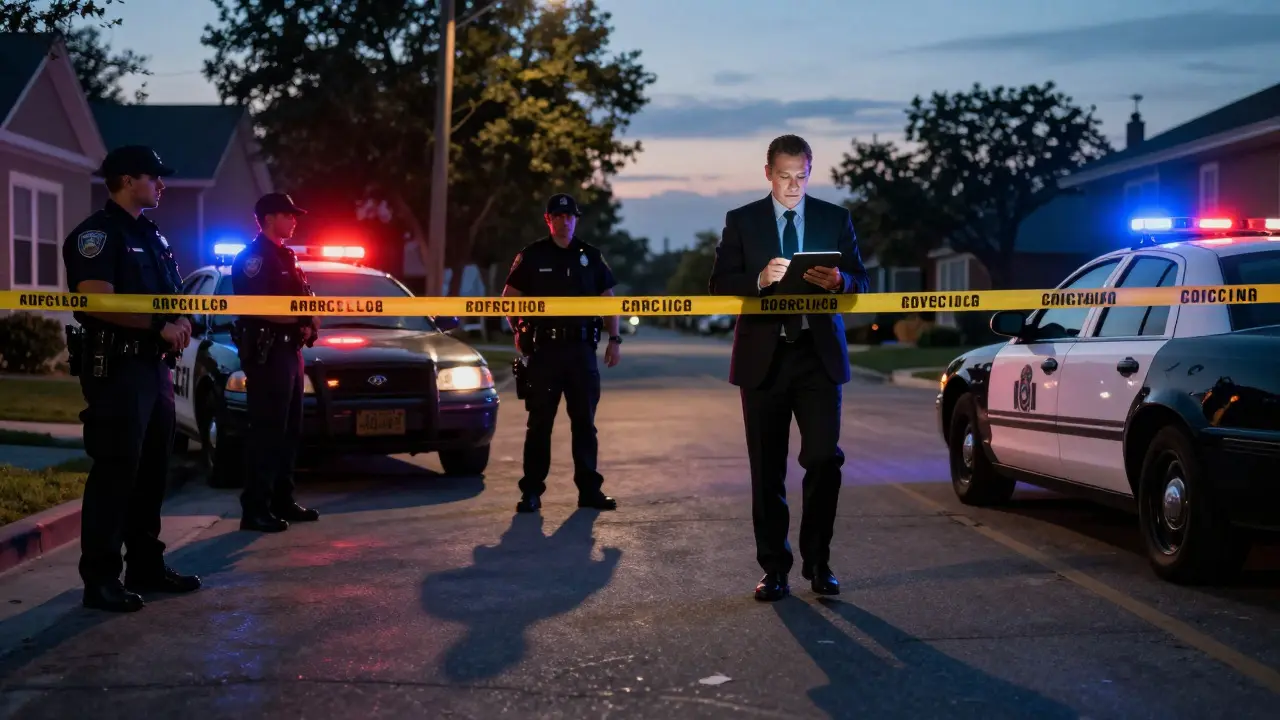
Once the scene is secured by uniformed officers, the next critical handoff occurs when the detective or forensic specialist arrives. This is often where information leaks. The uniformed officer has been managing the scene for potentially hours. They have spoken to neighbors, moved debris, or asked witnesses to move out of the rain. If this context isn’t documented and transferred clearly, the detective starts with a biased view of the scene.
An effective handoff requires a formal briefing, often conducted away from the immediate scene perimeter to avoid further contamination. The uniformed officer should provide a chronological log of actions taken. Who entered? What was moved? Why was it moved? This transparency allows the detective to assess the integrity of the remaining evidence. Without this step, the detective might spend hours reconstructing a scene that has already been altered by well-meaning but uninformed first responders.
Digital Integration and CAD Systems
Modern Computer-Aided Dispatch is software used by public safety agencies to manage emergency calls, track units, and record incident details has transformed these protocols. No longer is information passed solely via voice radio. Today, tablet-based CAD interfaces allow dispatchers to send photos, floor plans, and victim histories directly to the responding officer’s device. This digital layer reduces the "telephone game" effect, where verbal messages lose accuracy with each relay.
| Feature | Verbal Radio Handoff | Digital CAD Handoff |
|---|---|---|
| Data Accuracy | Low (subject to memory and stress) | High (recorded and timestamped) |
| Visual Context | None | Photos, maps, and diagrams available |
| Chain of Custody Start | Manual logging required later | Automatic timestamping of entries |
| Officer Cognitive Load | High (must memorize details) | Moderate (can reference screen) |
However, technology is only as good as the input. If the dispatcher enters vague notes like "suspect left north," the digital system just records the vagueness faster. Training must focus on data quality, not just data speed.
Common Pitfalls in Notification Protocols
Even with best practices, human error persists. Three common pitfalls frequently undermine scene integrity:
- Premature Scene Release: Dispatchers sometimes release the scene to the public or media before the detective arrives, assuming the uniformed officer has handled everything. This allows unauthorized entry.
- Lack of Hazard Updates: If a weapon is found but not flagged as "live," subsequent responders may handle it without proper PPE. Continuous updates are essential.
- Witness Management Gaps: Dispatchers often forget to instruct first responders to isolate witnesses. By the time the detective arrives, key witnesses have talked to each other, contaminating their individual accounts.
Addressing these requires a culture of accountability. Every update sent from dispatch should be acknowledged by the receiving officer. If an acknowledgment is missing, the dispatcher follows up. This closed-loop communication ensures nothing falls through the cracks.
Training and Simulation for Better Outcomes
Knowledge of protocols is useless if not practiced under pressure. Departments that invest in simulation training see significant improvements in handoff efficiency. Scenarios should mimic the chaos of real incidents: poor lighting, noisy environments, and conflicting information from callers. During these drills, evaluators watch specifically for the handoff moment. Did the dispatcher use standard terminology? Did the officer confirm receipt of hazard info? Was the scene perimeter established correctly? Feedback loops from these simulations help refine local protocols, ensuring they fit the specific geography and demographics of the jurisdiction.
Ultimately, the goal is seamless continuity. From the first phone ring to the final report, the story of the crime scene must remain consistent. Tightening the dispatch-to-investigator handoff protects the truth, supports the investigation, and upholds public trust in the justice system.
What is the primary purpose of a crime scene notification protocol?
The primary purpose is to ensure accurate, timely, and complete transfer of information from dispatch to first responders and investigators to preserve evidence integrity and ensure officer safety.
How does Computer-Aided Dispatch improve crime scene management?
CAD improves management by providing a digital record of all communications, allowing for the transmission of visual data like photos and maps, and reducing reliance on memory for critical details.
Who is responsible for the initial securing of a crime scene?
Uniformed first responders are responsible for the initial securing of the scene, including establishing perimeters, isolating witnesses, and preventing unauthorized entry until detectives arrive.
Why is the handoff between uniformed officers and detectives critical?
This handoff is critical because it transfers control of the scene and provides context on any actions taken by first responders, allowing detectives to assess evidence integrity and plan their investigation accurately.
What are some common errors in dispatch-to-investigator communication?
Common errors include vague location descriptions, failure to update hazard status, premature release of the scene to the public, and lack of clear instructions for witness isolation.