If you've watched a crime show, you've probably heard the terms "coroner" and "medical examiner" used interchangeably. In the world of TV drama, whoever is standing over the body with a clipboard is usually doing the same thing. But in real life, these two roles are wildly different. In some cities, the person deciding how someone died is a board-certified surgeon; in others, it's a locally elected official who might have never stepped foot in a medical school.
Understanding the difference isn't just about trivia-it's about how justice and public health are managed in your community. Depending on where you live, the process for determining a cause of death can range from a highly clinical scientific study to a more administrative legal process. Here is the breakdown of how these two medical examiner vs coroner systems actually work.
Key Takeaways
- Medical Examiners are appointed physicians specializing in forensic pathology.
- Coroners are often elected officials and may not have medical training.
- Medical Examiners perform their own autopsies; Coroners usually hire a doctor to do it.
- The system used depends entirely on the local or state jurisdiction.
The Root of the Difference: How They Get the Job
The biggest divide between these two roles is how they get into the office. Imagine the difference between a political campaign and a job interview at a hospital. That's exactly what's happening here.
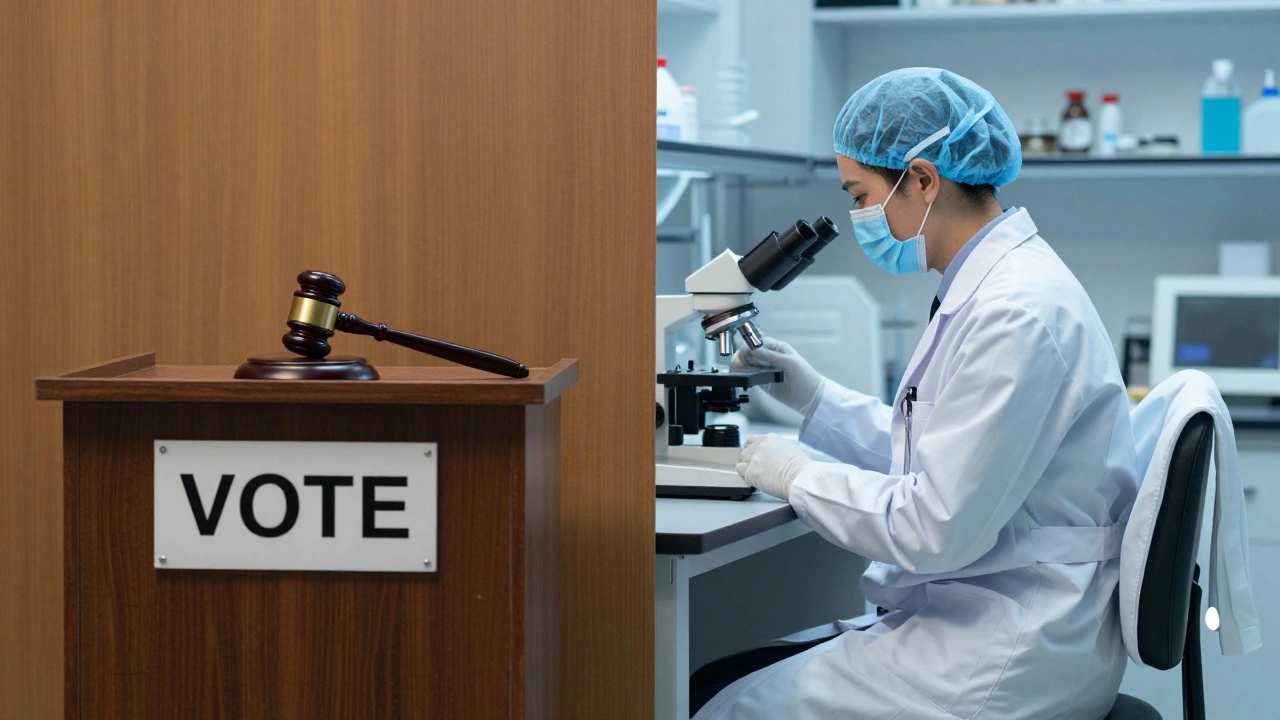
A Coroner is often an elected official. This is an old-school approach that dates back to 1164 in Great Britain. The idea is that the community should choose someone they trust to oversee death investigations. Because it's an election, a coroner is accountable to the voters. In some rural areas of California or Nevada, the local Sheriff actually doubles as the coroner. You don't need a medical degree to run for this office; you just need the community's confidence.
On the other hand, a Medical Examiner is an appointed professional. They aren't campaigning for votes; they are being hired for their expertise. To get this job, you can't just be a general doctor. You must be a licensed physician certified by the American Board of Pathology in the specialty of Forensic Pathology. This means years of medical school, a pathology residency, and a specialized fellowship in forensic science.
Who Actually Does the Autopsy?
This is where the rubber meets the road. When a body needs to be opened to find a cause of death, the requirements for the person holding the scalpel are very strict.
Since a Medical Examiner is a trained pathologist, they perform the autopsies themselves. They are equipped to examine internal organs, analyze tissues, and interpret complex toxicology reports to see if drugs or poisons were involved. They are active investigators who use scientific methodology to build a case.
Coroners, because they are often "lay people" (meaning they aren't medically trained), cannot legally or practically perform an autopsy. Instead, they act as the manager of the investigation. If a coroner decides an autopsy is necessary, they hire a forensic pathologist-usually through a contract-to do the actual surgery. The coroner then takes the doctor's findings and uses them to sign the death certificate.
| Attribute | Coroner | Medical Examiner |
|---|---|---|
| Selection Method | Usually Elected | Appointed |
| Medical Degree Required? | No | Yes (MD or DO) |
| Specialization | Administrative/Legal | Forensic Pathology |
| Performs Autopsies? | No (Hires a professional) | Yes |
| Primary Focus | Community representation | Scientific standardization |

Administrative Power vs. Scientific Precision
You might wonder why anyone would still use the coroner system if Medical Examiners have more training. It comes down to power and politics. Because coroners are elected, they have a different kind of authority. They often have subpoena powers and the ability to hold an "inquest," which is a legal inquiry into a death.
An elected coroner can be a powerful advocate for their office. They can fight for a bigger budget and stand their ground against other local politicians because they have the mandate of the voters. A Medical Examiner, being an employee, is more focused on the clinical data and less on the political maneuvering of the city or county.
However, the Medical Examiner system is becoming the gold standard. Cities like San Francisco have completely removed the coroner role in favor of a Chief Medical Examiner. This ensures that every single death investigation is handled with the same level of medical rigor, regardless of who is in political power.
What Happens During a Typical Investigation?
Whether you have a coroner or a medical examiner, the goal is the same: determine the cause (the disease or injury that killed the person) and the manner (Homicide, Suicide, Accidental, Natural, or Undetermined) of death.
Here is how the process usually flows in a professional Medicolegal Death Investigation:
- Notification: Police or hospitals report a suspicious or unexpected death.
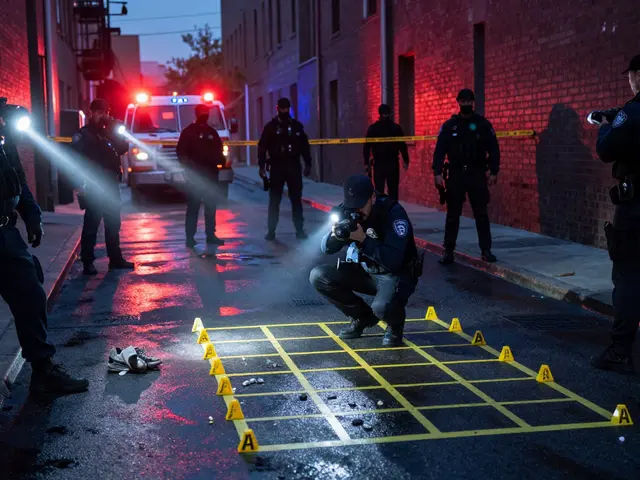
- Scene Investigation: The official (or their team) examines the scene to see if there are clues-like a pill bottle or a weapon-that explain the death.
- External Exam: The body is checked for visible injuries or signs of disease.
- Decision on Autopsy: The official decides if a full internal exam is needed. If it's a coroner, they call their contracted pathologist now.
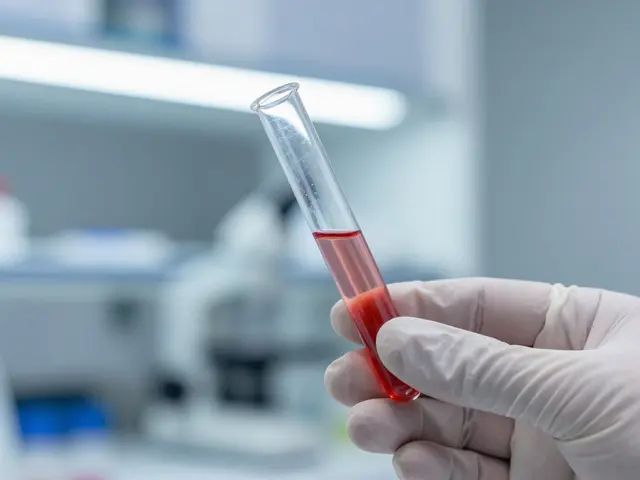
- Laboratory Analysis: Samples are sent for toxicology or histology (looking at tissues under a microscope).
- Certification: The official signs the death certificate, providing the legal record of how the person died.
It's worth noting that not every death goes to these offices. If you die of a known disease in a hospital and your treating physician knows exactly why it happened, that's a "natural death." In those cases, the doctor fills out the paperwork, and neither the coroner nor the medical examiner needs to get involved.

Pitfalls and Regional Quirks
The biggest risk with the coroner system is the "expertise gap." In some very small counties, the coroner might be a funeral director or a retired police officer. While they are great at managing the paperwork and notifying the next of kin, they can't tell you if a specific chemical caused a heart attack just by looking at the body. They are entirely dependent on the quality of the outside doctor they hire.
This is why we see "regional" offices popping up. For example, the Washoe County Regional Medical Examiner's Office in Nevada doesn't just serve one city; it handles cases for 13 Nevada counties and 5 California counties. This allows small, rural coroner's offices to share a high-level medical expert they couldn't afford to hire full-time.
Can a coroner be a doctor?
Yes, they can, but they aren't required to be. Some coroners happen to be physicians, but the legal requirement for the office in many jurisdictions is based on being a registered voter and a resident of the county, not on medical credentials.
Who is more reliable for court testimony?
In a court of law, a Medical Examiner's testimony is generally given more weight regarding the actual medical cause of death because they are board-certified experts in forensic pathology. A coroner may testify about the process of the investigation, but they will often bring in the pathologist who performed the autopsy to testify about the medical findings.
Why does the US have both systems?
It's a result of how the US is governed. Because states have the power to set their own laws for local government, some kept the ancient English coroner tradition while others modernized and switched to the medical examiner system. It's a patchwork of history and current policy.
Do they both handle death certificates?
Yes. Both roles have the legal authority to sign off on the official death certificate, which is the document required for burial permits, life insurance claims, and legal estates.
Is a forensic pathologist the same as a medical examiner?
Almost always. A forensic pathologist is the medical specialty, and "Medical Examiner" is the job title. While not every forensic pathologist is a Medical Examiner (some work in private labs or for universities), every Medical Examiner is required to be a physician, typically a forensic pathologist.
What to do next?
If you're trying to figure out which system is in your area, start by looking at your county's official website. If you see a "Department of the Medical Examiner," you're in a professionalized system. If you see an "Office of the Coroner," you're dealing with an elected official.
For those interested in a career in this field, the path is clear: if you want to be the one performing the science, head to medical school and aim for a residency in pathology. If you're more interested in the legal and community oversight side of death investigation, look into the certification requirements for coroners in your specific state.