Walking into a chaotic scene where adrenaline is high and emotions are raw is one of the toughest parts of the job. Whether it is a reported abduction or a violent crime, the first few minutes determine if a case is solvable or if critical evidence is lost forever. A crime scene investigation checklist isn't just about paperwork; it is the only thing standing between a secure perimeter and a contaminated site that will fall apart in court. If you miss a single witness or step on a piece of latent evidence, you might be erasing the only lead the detectives have.
| Phase | Primary Goal | Critical Action |
|---|---|---|
| Stabilization | Life Safety | Neutralize threats and treat victims |
| Preservation | Evidence Integrity | Establish inner and outer perimeters |
| Documentation | Legal Record | Log all entries and spontaneous statements |
| Intelligence | Lead Generation | Identify all persons present and nearby cameras |
Stabilize the Scene and Protect Life
Your first priority is never the evidence; it is the people. Before you worry about footprints, you have to ensure the scene is safe for you and your fellow officers. First Responders is the initial set of law enforcement or emergency personnel who arrive at a scene to provide immediate assistance and secure the area must immediately neutralize any continuing threats. Are there still shooters? Is there a gas leak? Once the area is safe, focus on the victims. Get Emergency Medical Services (EMS) on site immediately. While you are helping the victim, assign one officer to stay with them. This prevents the victim from wandering off and allows the officer to capture "excited utterances"-those raw, unfiltered statements made during a crisis that are often highly admissible and truthful in court.
Locking Down the Area
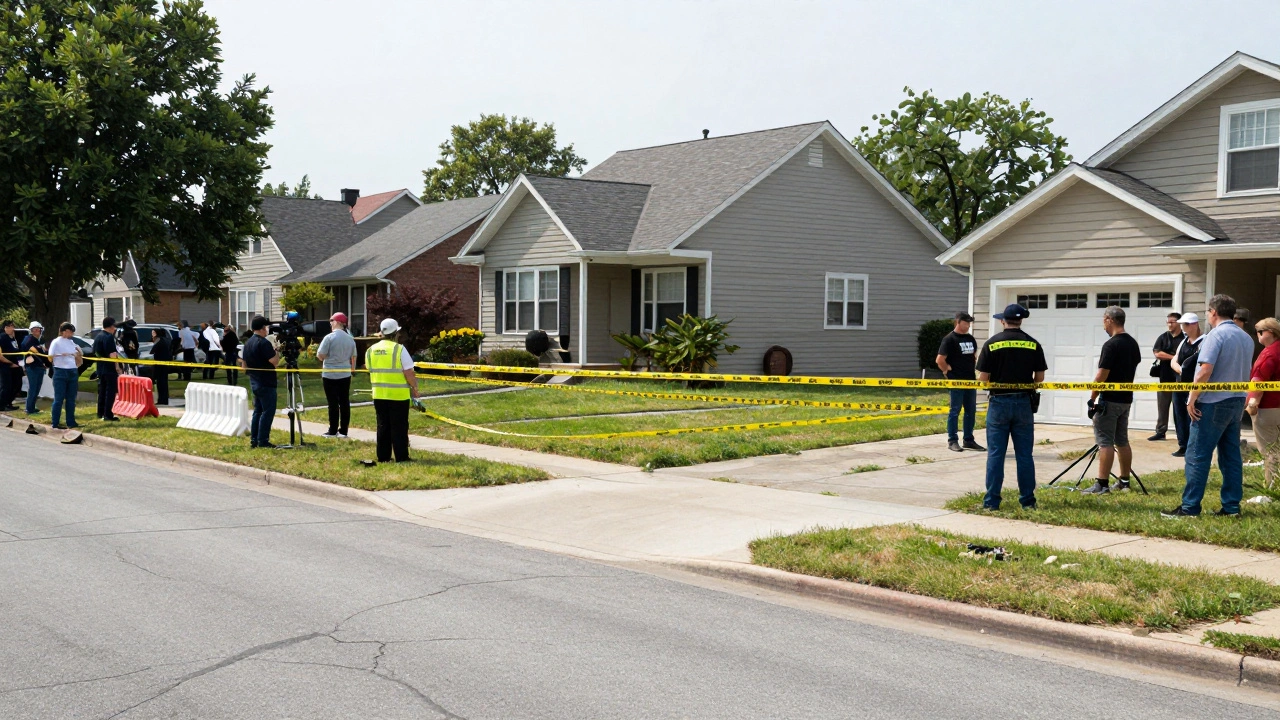
Once the medical emergency is handled, you have to stop the "bleeding" of evidence. This means establishing a perimeter. Don't just put up one piece of tape. Use a dual-zone approach: an inner perimeter for the immediate crime scene and an outer perimeter to keep the public and media at a distance. Use physical barriers like ropes or barricades where tape isn't enough.
One of the biggest mistakes is letting people wander in and out. You must start a crime scene log immediately. Every single person who crosses that line-including your supervisor or other officers-needs to be recorded with their name, the time they entered, and the time they left. If you can't prove who was in the scene, a defense attorney will tear your chain of custody to shreds during the trial.
Capturing the Moment: Documentation
Evidence is fragile. It can be stepped on, blown away by the wind, or wiped clean by a curious bystander. Before anything is moved, you need to document the scene as it exists in that exact second. Start by activating your Body-Worn Camera or vehicle-mounted video. This provides a continuous record of the scene's original state and the demeanor of the people there.
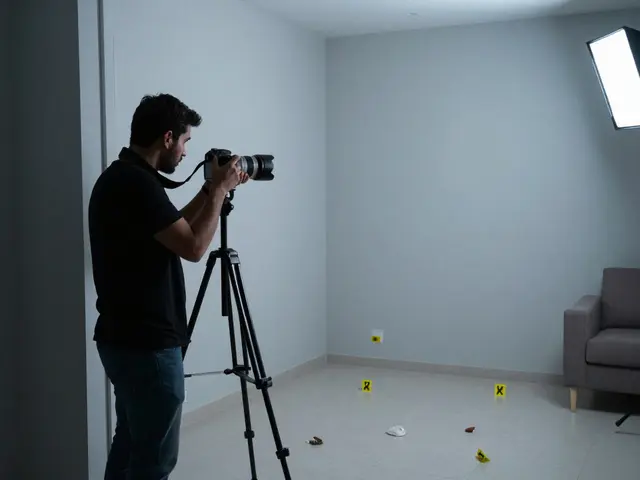
Take photos and videos of everything. Don't just shoot the body or the weapon; shoot the entire room, the entry points, and the surrounding area. Create a rough sketch of the layout. Note the weather-was it raining? Was the wind blowing? These details might seem trivial now, but they are vital when a forensic expert tries to reconstruct the event weeks later. Remember, if you didn't write it down or photograph it, it basically didn't happen.
Handling Missing Persons and Abductions
When the call is for a missing child, the checklist shifts toward speed and descriptive accuracy. You need to interview the reporting party-usually a parent or guardian-immediately. Confirm that the person is actually missing and not just in another room or at a neighbor's house. This prevents wasting massive resources on a false alarm.
Get specific details: full name, date of birth, a detailed description of clothing, and any distinctive marks like scars or birthmarks. This information needs to be relayed to dispatch immediately to trigger alerts like the AMBER Alert system. Check for any nearby surveillance cameras or security systems that might have captured the abduction. Additionally, preserve any unwashed clothing the missing person wore; these items are crucial for scent-tracking dogs or drones.
Suspect Management and Rights
If you have a suspect on site, your priority is isolation. Keep them away from witnesses and other suspects to prevent them from coordinating their stories. Before they head to the restroom or get cleaned up, check for gunshot residue (GSR) or other transfer evidence on their hands. This is a window that closes quickly.
Document everything the suspect says before you read them their Miranda Rights. Spontaneous statements made before the formal warning are gold mines for investigators. Once the rights are read and waived, ensure the process is documented perfectly. Note their physical condition-do they have scratches? Are their clothes torn? This physical evidence can be matched to the victim's injuries.
Handing Over to the Investigators
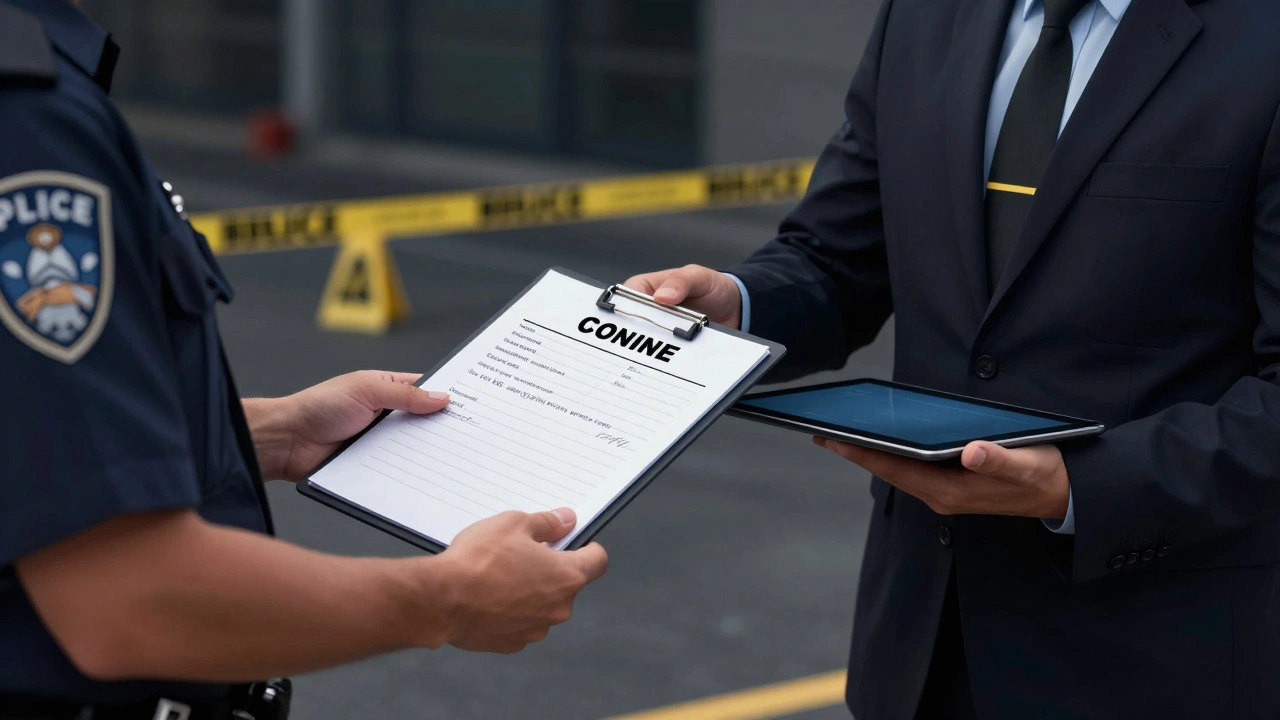
Your job ends when the Detective or evidence technician takes over, but the hand-off is the most critical part. Provide a comprehensive briefing. Don't just tell them what you found; tell them what you *did*. Did you move a chair to get to a victim? Did you open a door that was closed? Any change to the scene must be disclosed so the investigator can account for it in their report.
The transition should include a review of the crime scene log and a list of all witnesses interviewed. If you noticed a discrepancy-like a witness saying the suspect was wearing a red shirt while another said blue-point it out. These inconsistencies are often where the real truth is hidden.
What should I do if a victim needs immediate medical attention but is lying on evidence?
Life safety always comes first. Provide or facilitate emergency medical care immediately. However, try to minimize the disturbance. If you must move a victim or an object to save a life, note exactly what was moved and where it was originally located. If possible, have another officer observe the movement to provide a witness account for the report.
Why is it important to establish an outer perimeter?
An outer perimeter keeps curious onlookers, media, and non-essential personnel far enough away that they cannot accidentally contaminate the scene or overhear sensitive information. It also provides a staging area for EMS, additional police units, and equipment without crowding the actual crime scene.
Do I need to document weather conditions?
Yes. Weather can destroy evidence. Rain can wash away blood or footprints; wind can move lightweight debris. Documenting the weather helps forensic experts determine if the absence of evidence was due to the perpetrator's actions or natural environmental degradation.
What are "excited utterances" and why are they valuable?
Excited utterances are statements made by a person during or immediately after a stressful event, while they are still under the stress of the experience. Legally, these are often seen as more reliable than a formal statement taken hours later because the person hasn't had time to fabricate a story or be influenced by others.
How do I handle a suspect who refuses to cooperate before the detective arrives?
Isolate the suspect immediately to prevent them from talking to anyone else. Document their behavior, physical appearance, and any spontaneous statements they make. Ensure their rights are read if you intend to interrogate them, but if they refuse to speak, simply maintain security and preserve their clothing and physical state until the investigator takes over.
Next Steps for Different Scenarios
If you are dealing with a complex crime scene (like a bombing or chemical leak), your priority shifts to identifying secondary devices. Do not enter the inner perimeter until a bomb squad or hazmat team has cleared it. If you are responding to a missing person case, your next step should be to coordinate with the communications unit for a broad BOLO (Be On the Lookout) alert and review the sex offender registry for the immediate vicinity.
For patrol officers in training, practice these checklists using mock scenes. The goal is to make the sequence-Secure, Preserve, Document, Report-second nature so that when the real call comes, you don't have to think; you just execute.