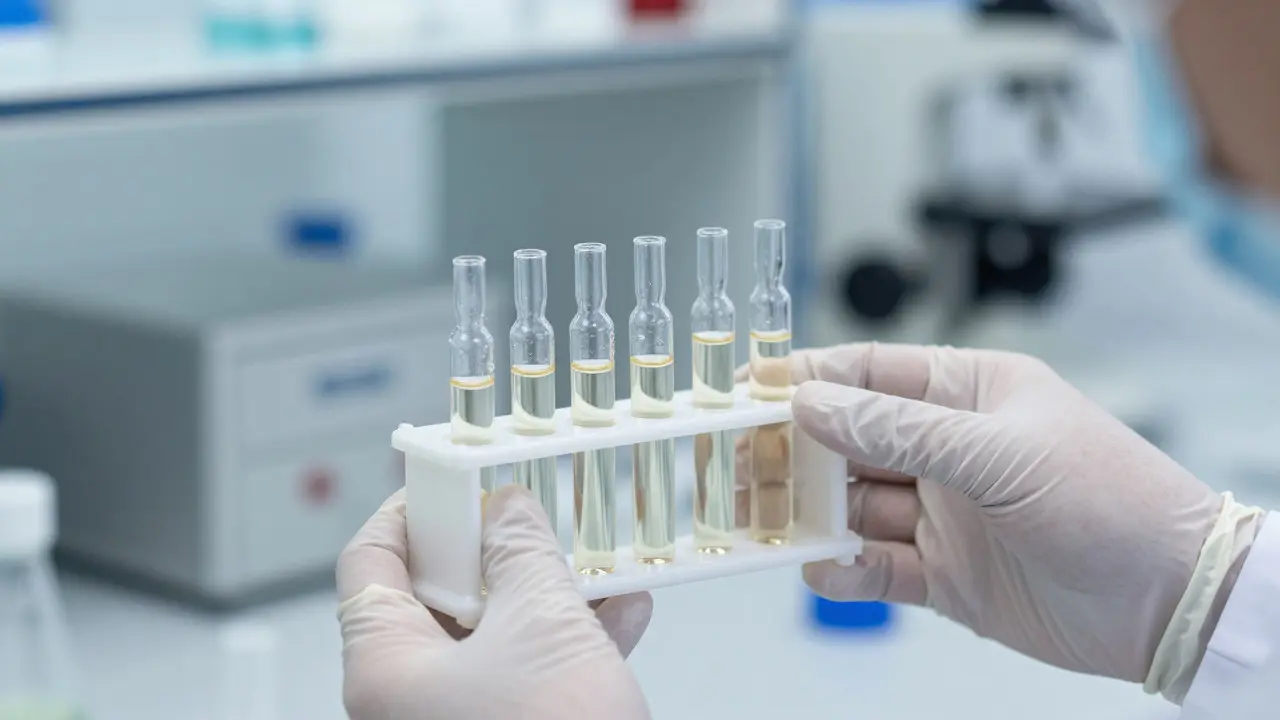
Walk into any major forensic lab in the United States, and you’ll likely see a rack of vials labeled with case numbers. Some contain blood drawn from a crash scene; others hold urine collected during a workplace screening. The question on the table is rarely just "was there marijuana?" It’s usually "how much, how long ago, and does it matter legally?" Understanding THC testing requires looking past the simple yes/no result and into the complex chemistry that determines whether a driver is impaired or a patient is compliant.
The core challenge lies in the difference between THC and its metabolites. Delta-9-tetrahydrocannabinol (THC) is the psychoactive compound, but it stays in your system for a very short time. Within hours, your body converts it into 11-nor-9-carboxy-THC (THC-COOH), which is inactive but sticks around for days or weeks. Most initial tests look for the metabolite, not the active drug. This distinction drives everything from legal thresholds to medical interpretations.
The Two-Stage Screening Process
Almost every official test follows a two-step protocol. First, you get a rapid screening test. If that comes back positive, it triggers a second, more precise confirmatory test. This redundancy exists because the first step is fast but prone to false positives. You might eat something with rye bread or take certain medications like naproxen, and a basic screen could flag it as THC. That’s why the confirmation step is non-negotiable in legal contexts.
Immunoassays are the workhorses of this first stage. They use antibodies that bind specifically to THC metabolites. Think of it like a lock and key mechanism. If the key (the metabolite) fits the lock (the antibody), a color change or electrical signal indicates a positive result. These tests are cheap, quick, and can process hundreds of samples a day. However, they don’t tell you exactly what molecule is present, only that something similar is there. That’s where the second stage takes over.
Confirmatory Analysis: The Gold Standard
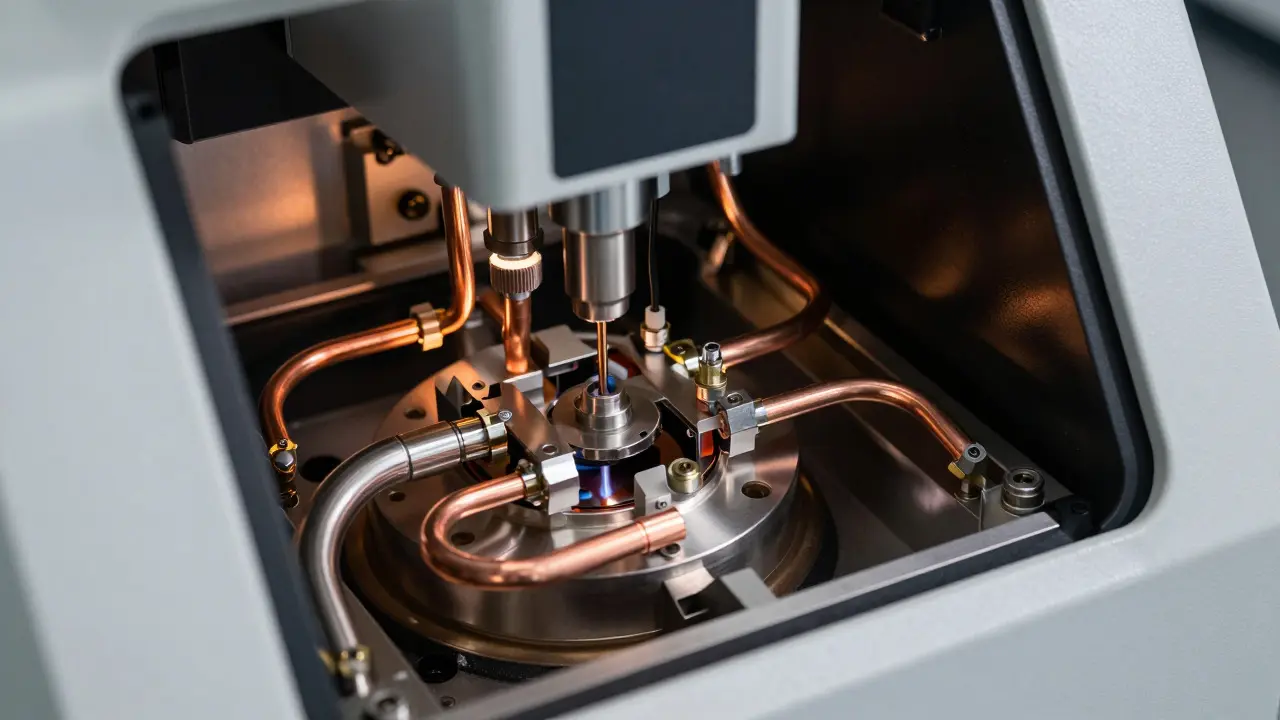
When a sample needs to stand up in court or determine a precise dosage, labs turn to Gas Chromatography-Mass Spectrometry (GC-MS). This technology separates the chemical components in a sample and then identifies them by their mass-to-charge ratio. It’s the equivalent of reading a barcode for each molecule. GC-MS doesn’t just say "THC metabolite detected"; it provides a structural fingerprint that distinguishes THC-COOH from other compounds with high accuracy.
For blood samples, which are harder to analyze due to proteins and fats, labs often use Liquid Chromatography-Tandem Mass Spectrometry (LC-MS/MS). This method is particularly effective for quantifying low levels of THC in plasma. While GC-MS remains the historical gold standard for urine, LC-MS/MS is increasingly preferred for blood because it offers better sensitivity for the parent compound, THC itself, rather than just the metabolite.
Blood vs. Urine: What They Actually Tell You
Choosing the right specimen matters immensely. Urine testing tells you about recent exposure, but not necessarily current impairment. A heavy user might test positive for THC-COOH in urine for up to 30 days after their last use, even if they haven’t smoked in a week. Blood testing, on the other hand, offers a snapshot of current presence. However, interpreting blood levels is tricky. THC has a half-life of about 4 to 6 hours in acute users, but much longer in chronic users due to storage in fat tissues.
| Specimen Type | Detection Window | Primary Use Case | Limitation |
|---|---|---|---|
| Urine | 3-30 days | Workplace screening, compliance monitoring | Does not indicate current impairment |
| Blood | 1-12 hours (acute) | DUI cases, post-mortem analysis | Complex interpretation of impairment |
| Saliva | 1-24 hours | Roadside checks, quick field tests | Short window, lower sensitivity |
| Hair | Up to 90 days | Long-term usage history | Poor temporal resolution |
In Oregon, where recreational cannabis is legal, the legal landscape adds another layer. Unlike alcohol, which has a clear 0.08% BAC threshold, there is no universally accepted "per se" limit for THC in many jurisdictions, including parts of the Pacific Northwest. This means experts must rely on toxicological data combined with field observations to argue impairment. A blood level of 5 nanograms per milliliter (ng/mL) might be considered low for a regular user but potentially impairing for a novice. Context is king here.
Quantification and Legal Thresholds
Quantifying THC isn't just about counting molecules; it's about establishing a reportable range. Labs set a Limit of Detection (LOD) and a Limit of Quantitation (LOQ). The LOD is the lowest amount the machine can see; the LOQ is the lowest amount it can measure accurately. For urine, typical LOQs are around 15 ng/mL for THC-COOH. For blood, the LOQ for delta-9-THC is often 2-5 ng/mL.
If a result falls below the LOQ, the report will state "Not Detected" or "Below Reporting Limit." This is crucial for defendants. If a driver tests at 1 ng/mL, technically they have THC in their system, but without a reliable quantification, it becomes difficult to prove significant impairment solely on that number. Courts often look for levels above 5-10 ng/mL in blood as a stronger indicator of recent use, though individual tolerance varies wildly.

Common Pitfalls and False Positives
Even with advanced tech, errors happen. One common issue is cross-reactivity in immunoassays. Certain prescription drugs, like cimetidine or quinidine, can sometimes trigger a weak positive on a urine screen. Another pitfall is sample degradation. If a urine sample sits in the heat for too long before freezing, the metabolites can break down, leading to a false negative. Proper chain of custody and temperature control are vital to prevent these issues.
Contamination is also a real risk. In roadside saliva tests, if the device touches skin or clothing that has residual THC oil, you might get a false positive. This is why confirmatory lab testing is required for any administrative action, like firing an employee or charging a DUI. Relying on a field test alone is legally risky and scientifically unsound.
The Future of Cannabis Toxicology
As cannabis legalization spreads, forensic toxicologists are working on biomarkers of impairment. Researchers are investigating carboxy-hexahydrocannabinol (C-HHC) and other minor metabolites that might correlate better with psychoactive effects than THC-COOH. Additionally, point-of-care devices are becoming more accurate, allowing for faster preliminary results at the scene, though they still require lab confirmation for legal proceedings.
For now, the standard remains robust but nuanced. You need a sensitive screen to find candidates, and a specific, quantitative confirmatory test to prove the case. Whether you're a lawyer, a doctor, or a driver, understanding that a positive test doesn't automatically equal impairment is the most important takeaway. The science is precise, but the interpretation is human.
How long does THC stay in your system?
It depends on the test type and usage frequency. In urine, it can be detected for 3 to 30 days. In blood, the active THC lasts 1 to 12 hours, while the metabolite persists longer. Hair tests can detect use for up to 90 days.
What is the most accurate test for THC?
Gas Chromatography-Mass Spectrometry (GC-MS) and Liquid Chromatography-Tandem Mass Spectrometry (LC-MS/MS) are considered the gold standards for accuracy. They provide both identification and quantification of the specific compounds.
Can you fail a drug test for eating CBD?
Yes, if the CBD product contains trace amounts of THC. Full-spectrum CBD oils often contain up to 0.3% THC. High doses can accumulate enough THC to trigger a positive immunoassay screen, requiring confirmatory testing to verify.
Is there a legal limit for THC in blood?
In many US states, including Oregon, there is no single universal per se limit for THC impairment, unlike the 0.08% BAC for alcohol. Impairment is determined by a combination of blood levels, field sobriety tests, and expert testimony.
What causes false positives in THC tests?
Cross-reactivity with certain medications (like naproxen or quinidine), sample contamination, or degradation of the sample can cause false positives. Confirmatory testing with GC-MS resolves these ambiguities.