The Science Behind Tracking Wildfires
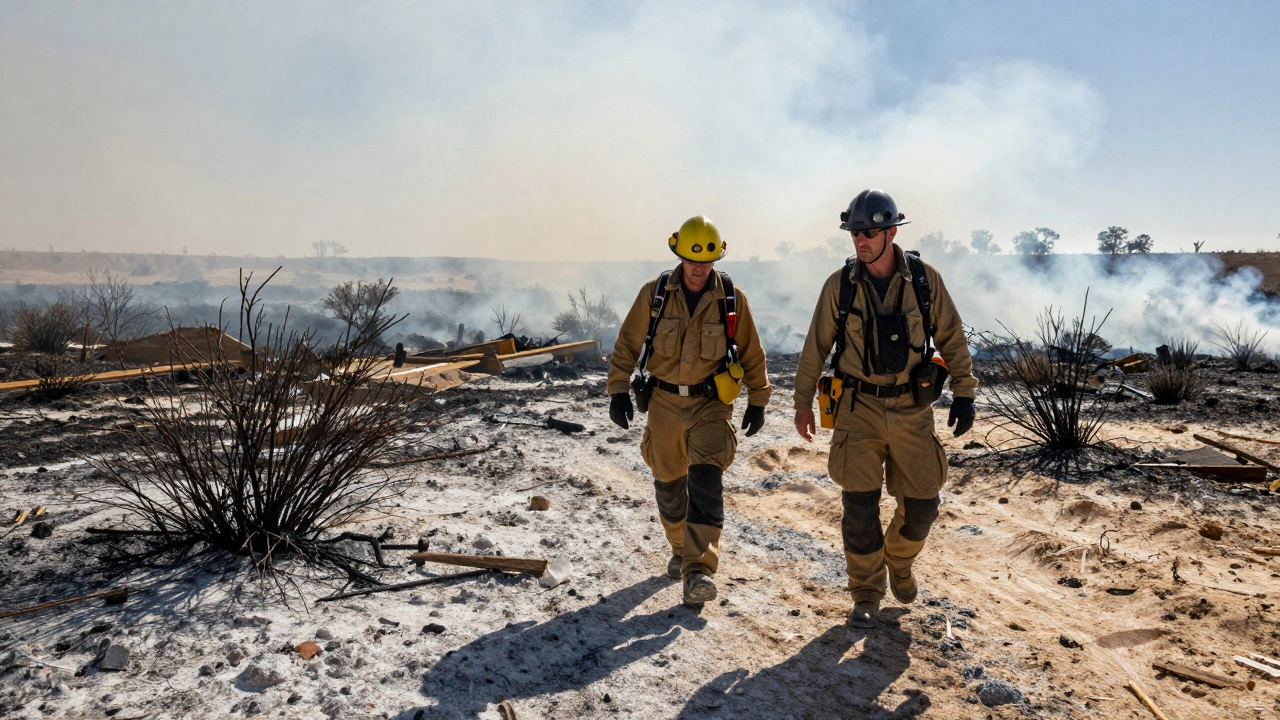
When a wildfire erupts across dry landscapes, the immediate focus shifts to containment and safety. However, once the flames are under control, a different kind of battle begins. Investigators step into the burn scar to answer two critical questions: where did this start, and what lit it up? Understanding Wildland Fire Investigation is the systematic process used to determine the origin and cause of wildfires, essential for prevention and justice.Wildfire O/C Investigation isn't just about pointing fingers; it protects communities and ensures resources are used wisely.
This work relies heavily on the scientific method. You cannot guess at the truth when millions of dollars in suppression costs or criminal charges are on the line. The discipline demands that every assumption is tested against physical evidence found at the scene. It requires a blend of fire behavior knowledge, forensic skills, and strict adherence to established guidelines like the NWCG PMS 412 guidebook. These standards ensure that findings hold up in court and help shape future prevention strategies.
Distinguishing Origin from Cause
A common mistake made by observers is confusing where a fire started with how it started. These are distinct concepts in the field. The origin is the precise location where ignition occurred. It is the geographic point zero. Once you find that spot, you can look for the cause. The cause answers the "how" and "why." Was it a lightning strike, a discarded cigarette, or a spark from machinery?
Investigators must establish the origin before they can even begin discussing the cause accurately. If you skip steps, the entire theory collapses. Think of it like tracing a river upstream. You follow the water flow back to the spring source. In fire science, you follow the burn patterns backward to the starting point. Only after pinning down the source do you look for the match or the lightning strike that touched the fuel.
Reading the Burn Patterns
The landscape tells a story, but you have to know how to read it. Fire leaves behind physical clues known as fire pattern indicators. These indicators change based on wind, slope, and fuel type. A skilled investigator walks the scene looking for specific signatures left by the flames.
- V-Patterns: When fire burns through vegetation or structures, it often creates a V-shape pointing toward the origin. The narrowest part of the V marks where the heat was most intense.
- Cupping and Spalling: Look closely at tree bark. On the origin side of a heated object, the wood often curls away from the heat in a rounded cup shape. The non-origin side tends to stay sharp and pointed. This directional cue helps confirm which way the fire moved.
- Grass Lay: Tall grass acts like a compass needle. The stems lean in the direction the fire traveled. A backing fire moves against the wind, leaving stems pointing back toward the start.
- Char Depth: The deeper the charring, generally the longer the fuel was exposed to high heat. Investigator move from the deepest burn areas outward, tracing the gradient back to where the intensity was highest.
These patterns aren't always perfect. Wind gusts or topography can distort them. That is why investigators cross-reference multiple types of evidence rather than relying on a single sign. A combination of white ash placement, soil discoloration, and vegetation damage builds a reliable picture of the fire's path.
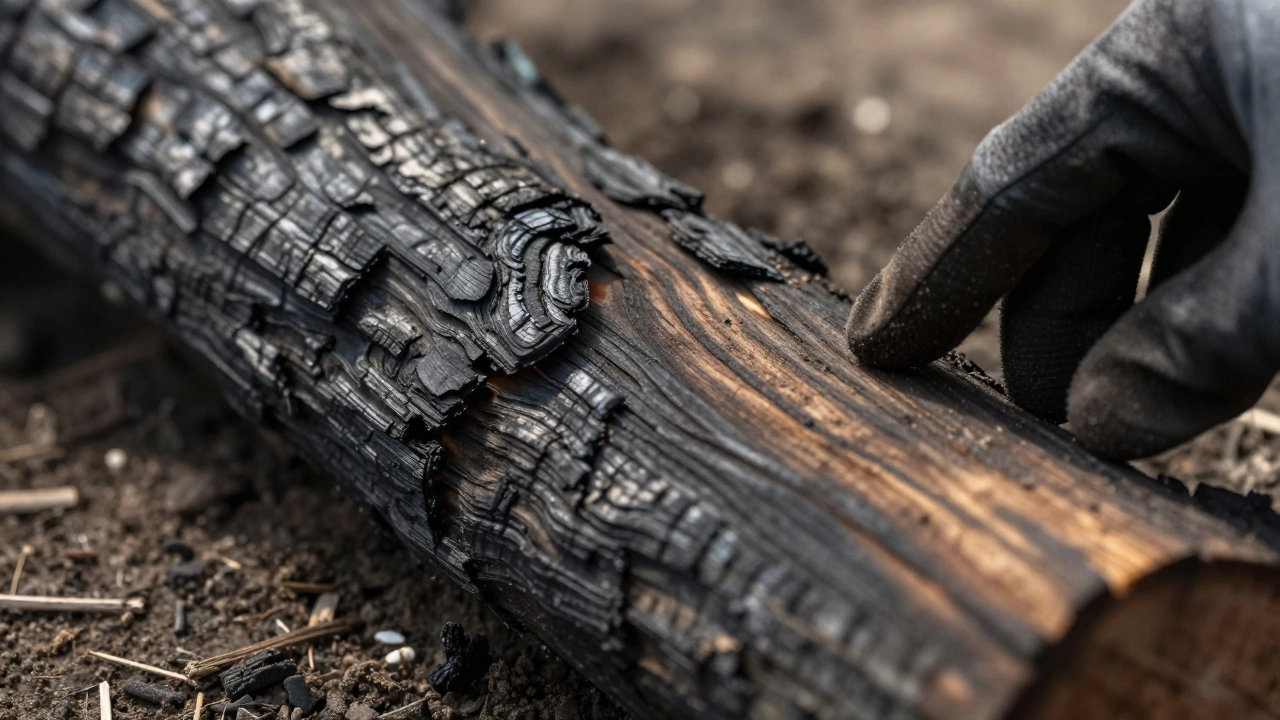
The Hands and Knees Search
Once the general area is located, the pace slows down dramatically. This phase is often called the "hands and knees" search. It involves meticulously examining every square inch of the suspected origin point. Investigators might sift through ashes to find the first fuel ignited. This could be a pile of dry needles, a patch of duff, or a manufactured item like glass or metal.
Patience is key here. You are looking for anomalies. A pile of trash in an area of clean ground, a piece of smoldering debris that doesn't belong, or a vehicle track leading directly to the origin. This detailed examination narrows the zone from acres to a few square feet. Photographs are taken constantly to document findings before anything is moved. This level of detail distinguishes a formal inquiry from a casual observation.
Weather and Environmental Factors
You cannot determine cause without understanding the environment at the moment of ignition. Weather dictates fire behavior. High winds spread embers over long distances, turning small spots into large conflagrations. Humidity levels affect fuel moisture, determining how easily materials catch fire.
Investigators pull historical data from Remote Automated Weather Stations (RAWS) or fire towers near the site. They compare temperature, relative humidity, and wind speed from the time of ignition with the observed fire spread. If the weather data shows heavy rain hours before the fire, certain causes become less likely. Conversely, extreme drought conditions make accidental ignitions more probable due to dry fuels.
| Type of Determination | Conducted By | Reliability Level | Primary Purpose |
|---|---|---|---|
| Preliminary | Incident Commander | Low/Moderate | Immediate situational awareness |
| Formal Investigation | Trained Investigator | High | Legal prosecution and prevention |
Interviewing Witnesses
Physical evidence speaks volumes, but people provide context. Witnesses tell you the timeline and potential motives. The fire scene can show what happened, but neighbors and first responders explain when and who might be involved. Investigators start by talking to the firefighters who arrived first. Their radio logs and initial observations provide crucial temporal data that physical evidence alone cannot offer.
Local residents often recall details others miss. Did anyone see a truck speeding away shortly before the smoke rose? Was there unusual activity in the woods days prior? Statements are recorded and compared against physical findings. Inconsistencies between a witness account and the fire patterns can trigger a deeper look into the circumstances surrounding the event.
Elimination and Hypothesis Testing
The core of the process relies on elimination. You build hypotheses based on facts and then try to prove them wrong. If natural causes like lightning are ruled out because cloud-to-ground strikes were absent in the storm history, that hypothesis dies. If electrical lines were inspected and showed no malfunction, that cause is eliminated.
Only when all other possibilities are reasonably excluded does the remaining explanation stand. This aligns with standards set by NFPA 921. It prevents jumping to conclusions based on hunches. If you cannot rule out a natural phenomenon definitively, you cannot conclude human involvement. This rigor is necessary to withstand legal scrutiny during cost recovery or criminal proceedings.
Technology in Modern Investigations
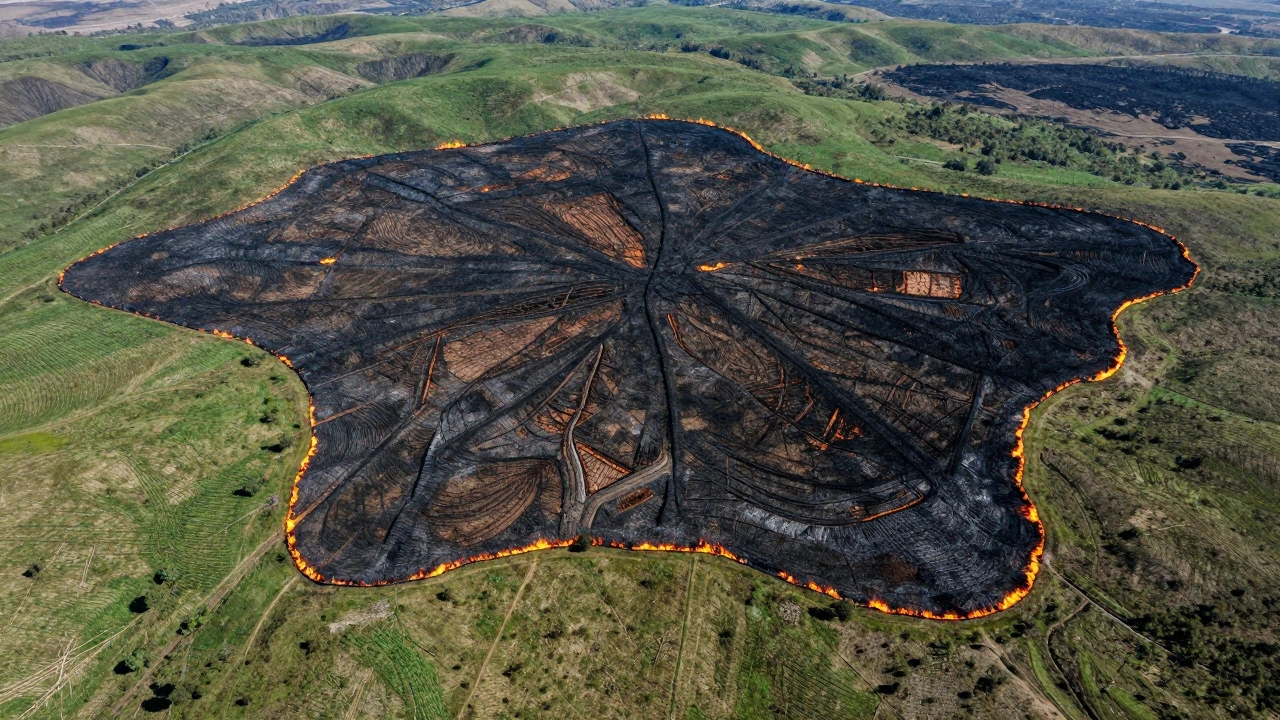
Modern teams use advanced tools to assist the eyes on the ground. Drones fly over rough terrain to capture aerial footage of burned zones, providing a bird's-eye view of fire patterns that are hard to see from the ground. Photogrammetric analysis measures burn scars precisely. Satellite imagery helps reconstruct weather conditions over vast areas.
Multidisciplinary experts join the team when needed. Electrical engineers analyze power lines. Metallurgists examine melted machinery parts. These specialists provide technical insight that general investigators might miss. They help link infrastructure failures to ignition points. Technology supports the traditional search but never replaces the need for boots-on-the-ground verification.
Who is qualified to conduct a wildland fire investigation?
Trained investigators certified through agencies like the National Wildfire Coordinating Group (NWCG) conduct formal investigations. While incident commanders can make preliminary determinations, only trained investigators have the authority to make findings suitable for prosecution.
How long does a typical investigation take?
The timeline varies widely based on the size of the fire and complexity of the scene. Small incidents might be resolved in days, while large complex cases involving extensive acreage or criminal intent can take months or years to complete fully.
What is the difference between a preliminary and formal determination?
A preliminary determination is made by command staff for operational purposes based on initial observation. A formal determination follows strict scientific protocols and allows for higher confidence in legal settings.
Do investigators need special equipment?
Beyond standard protective gear, investigators use cameras, GPS units, scales, drones, and sometimes specialized sampling kits for accelerant detection or material analysis depending on the case complexity.
Can weather data be used as evidence?
Yes, weather records from stations like RAWS are critical evidence. They help correlate fire behavior with environmental conditions and can rule out or support theories regarding natural ignition sources like lightning.