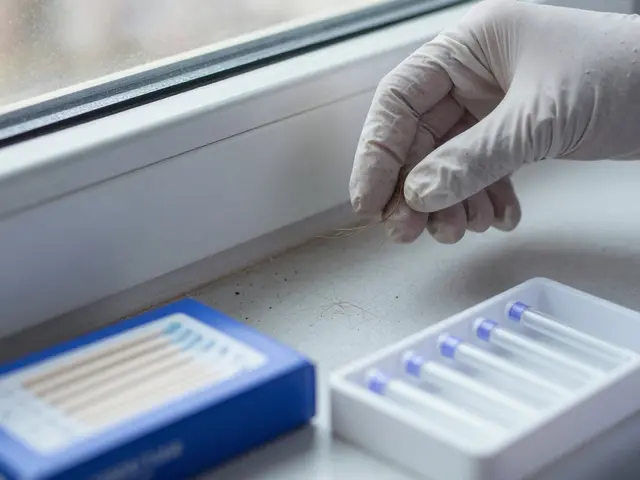
Fire doesn't just happen. When a structure burns down in a way that defies normal electrical faults or accidental sparks, investigators suspect something else was added to the mix. They are looking for fire accelerants, which are substances intentionally placed at a scene to start or sustain a fire. The core challenge isn't just finding burnt wood; it's identifying the chemical fingerprints of ignitable liquids-like gasoline, kerosene, or lighter fluid-that were used to fuel the blaze.
Detecting these substances is a delicate forensic dance. It requires combining the raw intuition of field investigators with the precise chemistry of laboratory analysis. If you get this wrong, you might convict an innocent person or let an arsonist walk free. Here is how experts identify ignitable liquid residues (ILRs) amidst the chaos of a fire scene.
The Difference Between Accelerants and Ignitable Liquids
Before we look at detection methods, we need to clear up a common misconception. Not every flammable liquid found at a fire scene is an accelerant. This distinction is critical for legal proceedings.
An ignitable liquid is simply a liquid that readily ignites when exposed to a spark or flame. Gasoline, paint thinners, and even some cleaning solvents fall into this category. However, their presence alone doesn't prove arson. For example, if a garage burns down and investigators find traces of gasoline, they must ask: Was this car fueled here normally? Or was someone pouring gas on the floor to start a fire?
A fire accelerant is specifically defined as a substance *intentionally* placed to facilitate the fire. The job of the forensic chemist is to identify the liquid. The job of the fire investigator is to determine intent. If the liquid is coincidental-like motor oil in a mechanic’s shop-it’s not evidence of arson. If it’s out of place, like benzene in a living room rug, it becomes a key piece of evidence.
Field Detection: Smell, Dogs, and Electronic Sniffers
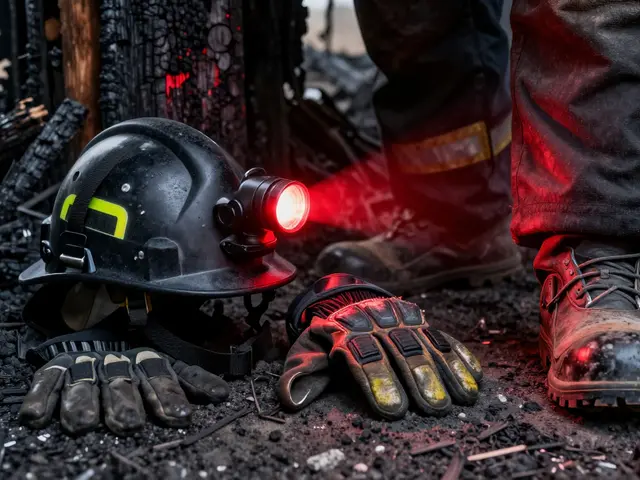
When investigators arrive at a smoldering ruin, they don't wait for lab results to start collecting evidence. They use three primary methods to locate potential accelerant sites: human olfaction, canine units, and electronic detectors.
Human Olfactory Detection
Experienced fire investigators often rely on their sense of smell. With enough experience, the nose can detect trace amounts of petroleum distillates even after the fire has burned out. However, this method is subjective. An investigator’s ability varies based on health, fatigue, and exposure to other smoke chemicals. It serves as a starting point, but never as proof.
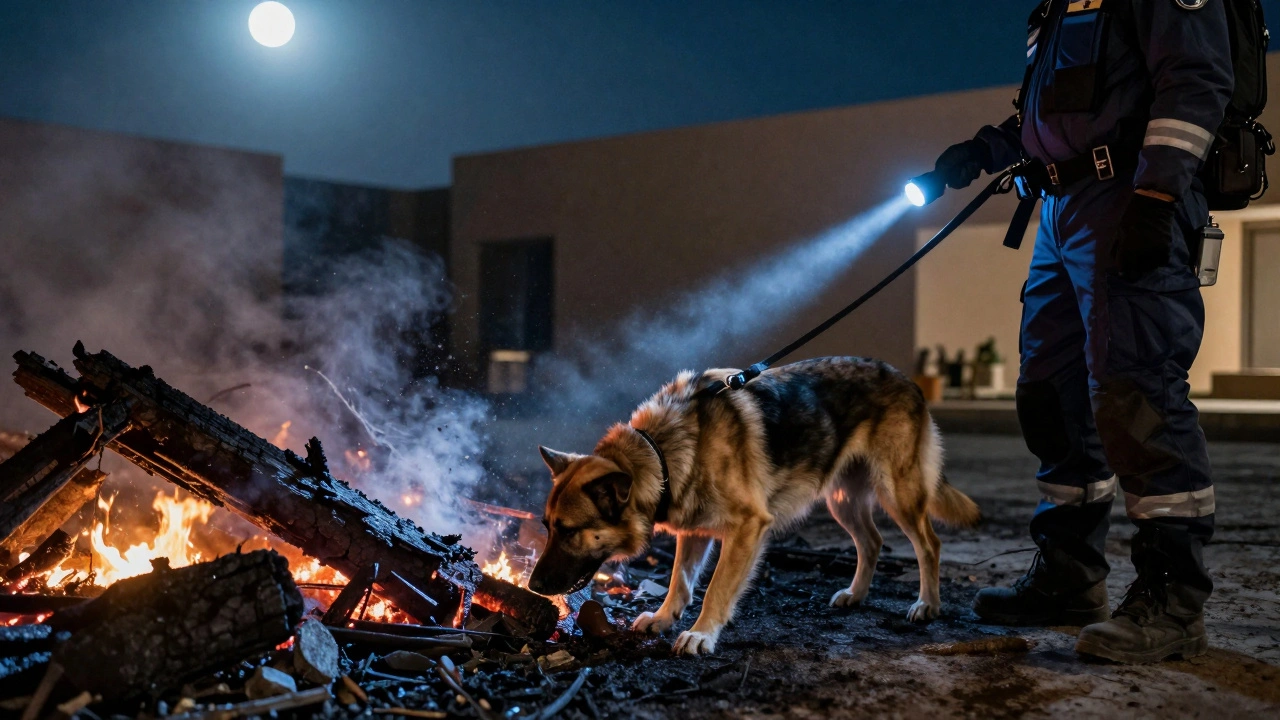
Accelerant Detection Canines (ADCs)
If there is one tool that revolutionized fire investigation, it’s the dog. Accelerant Detection Canines are trained to sniff out specific hydrocarbon signatures buried under tons of debris. Research from Finland showed that these dogs can find target compounds with nearly 100% accuracy when concentrations are above 0.1 μl/l. They can detect residues in parts per billion, far below what humans or standard electronics can pick up. When a dog alerts, investigators collect samples from that exact spot for lab analysis.
Electronic Detectors
For broader screening, investigators use handheld devices. Two common types include:
- Photoionization Detectors (PIDs): These measure volatile organic compounds (VOCs). They are sensitive but prone to false positives. Rubber-backed carpet, plastic melting, or even burnt insulation can trigger a PID, making interpretation tricky.
- Ultraviolet (UV) Light: Many accelerants, including gasoline and kerosene, fluoresce under UV light. Investigators shine these lights over charred surfaces to visualize "pour patterns"-the path where liquid was spilled. This helps them identify the original container shape and direction of flow.
Laboratory Analysis: Creating a Chemical Fingerprint
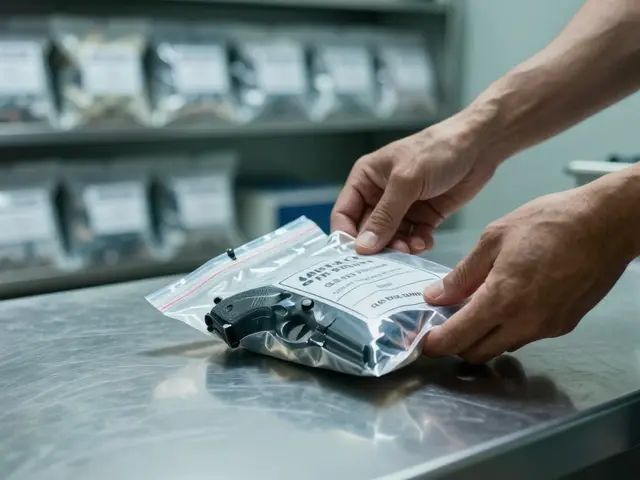
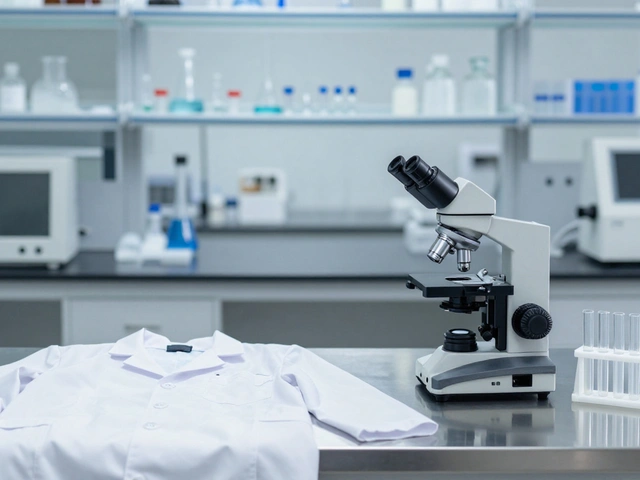
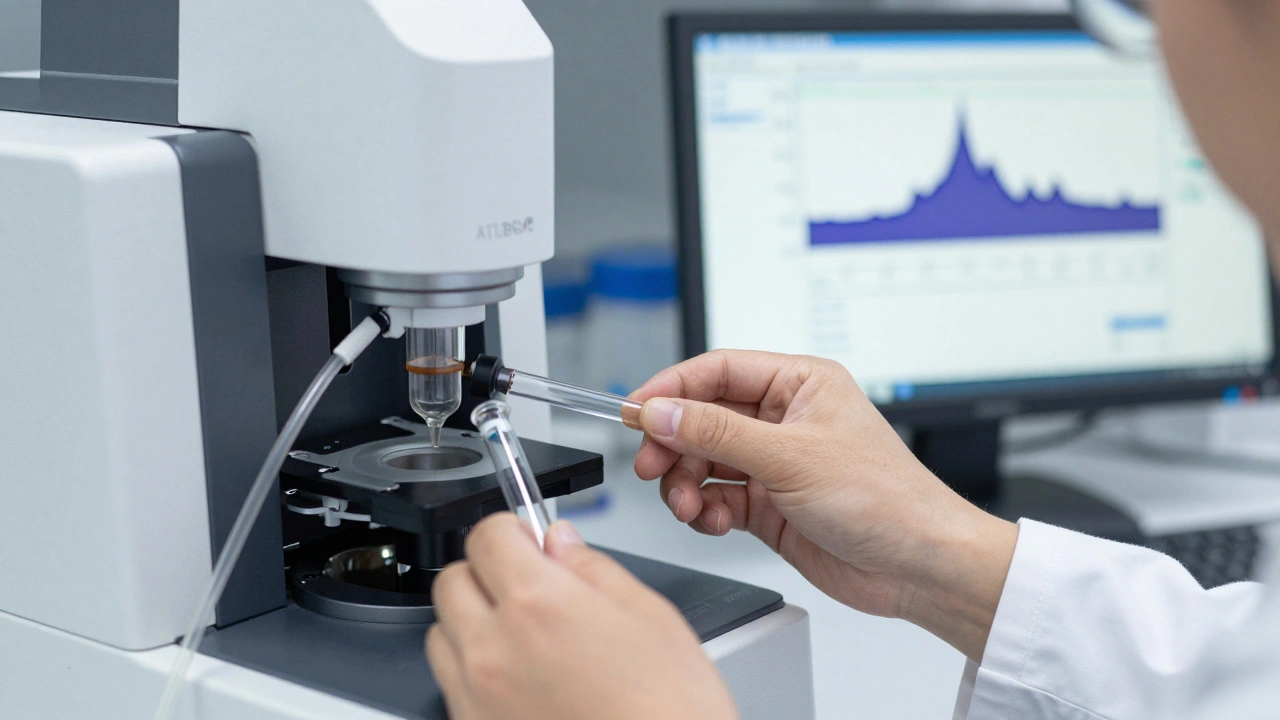
Once samples are collected-usually from protected areas like inside absorbent materials or beneath debris-they go to a forensic lab. Here, the real science begins. The goal is to separate the complex mixture of burnt debris from the specific signature of the ignitable liquid.
The gold standard for this analysis is Automated Thermal Desorption Gas Chromatography-Mass Spectrometry (ATD-GCMS). Let’s break that down:
- Thermal Desorption: The sample is heated to release trapped vapors without destroying them.
- Gas Chromatography (GC): The vapors are carried through a column, separating different chemical compounds based on how fast they move.
- Mass Spectrometry (MS): Each compound is broken into fragments and weighed. This creates a unique "fingerprint" or chromatogram.
This fingerprint is compared against a database of known standards. For instance, gasoline has a very distinct pattern of alkylbenzenes and aromatics. Kerosene looks different, with heavier hydrocarbons. The chemist interprets the data to give one of three conclusions:
- Positive ID: ILRs are present, and the identity is determined (e.g., "Gasoline").
- Inconclusive: Residues are present, but the signature is too degraded to identify the specific type.
- No ILRs Detected: No ignitable liquid residue was found.
New Technologies: DART-MS and Beyond
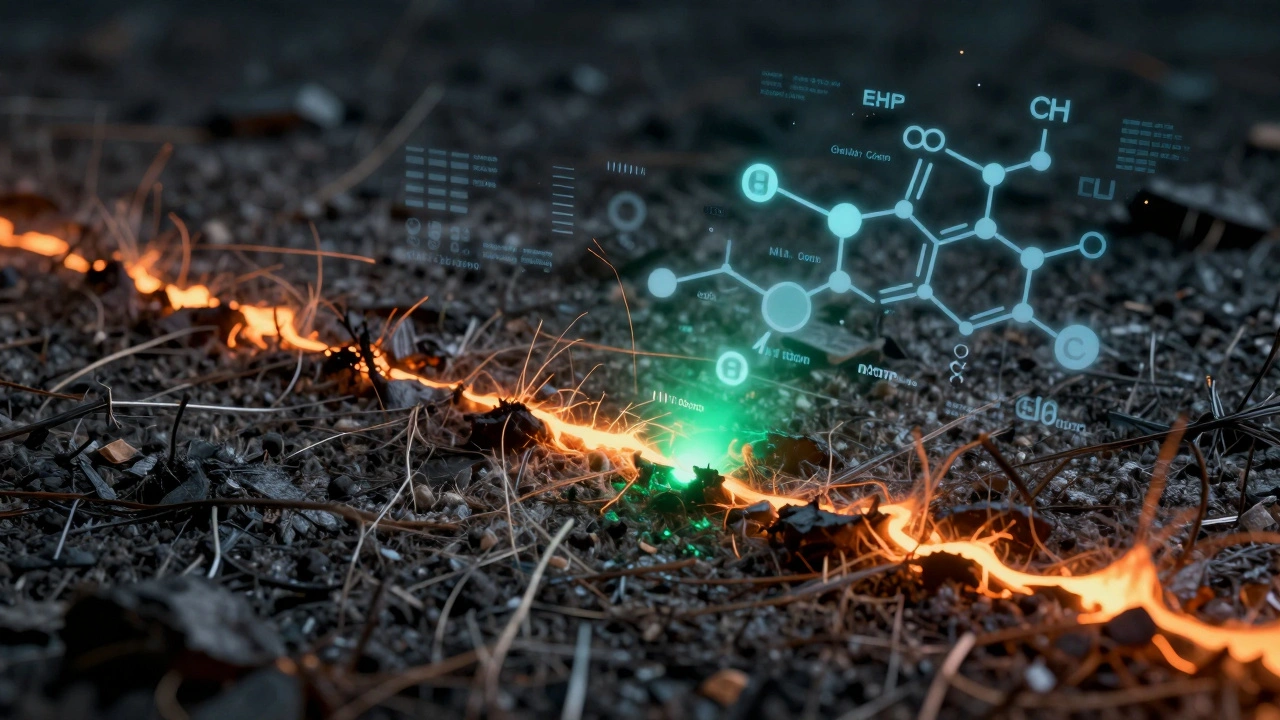
Traditional GC/MS is powerful, but it has a blind spot. Fire destroys the most volatile compounds first-the ones that evaporate quickly. Sometimes, by the time the sample reaches the lab, those signature volatiles are gone, leading to inconclusive results.
This is where newer technologies like Direct Analysis in Real Time-Mass Spectrometry (DART-MS) come in. Unlike GC/MS, DART-MS can detect less-volatile compounds that survive the fire better. These heavier molecules provide discriminative data profiles that complement traditional analysis. In cases where GC/MS fails, DART-MS can often narrow down the type of ignitable liquid, giving investigators another layer of evidence.
Legal Thresholds and Admissibility
Finding chemicals isn't enough; the evidence must hold up in court. Legal standards vary by jurisdiction, but many follow strict thresholds. For example, in Finland, only samples with accelerant concentrations above 0.1 μl/l are admissible as evidence. This reporting limit ensures that trace contaminants or background noise aren't mistaken for intentional arson.
Investigators must also document the chain of custody meticulously. From the moment the dog alerts or the sniffer beeps, every step-from collection to lab analysis-must be recorded. If the process is flawed, the chemical fingerprint, no matter how clear, may be excluded.
What is the difference between an accelerant and an ignitable liquid?
An ignitable liquid is any liquid that can catch fire easily, such as gasoline or solvent. An accelerant is an ignitable liquid that has been intentionally placed at a fire scene to start or spread the fire. All accelerants are ignitable liquids, but not all ignitable liquids are accelerants.
How do fire investigators detect accelerants at a scene?
Investigators use a combination of methods: human smell, Accelerant Detection Canines (dogs), electronic sniffers like PIDs, and UV light to visualize pour patterns. Samples are then sent to a lab for chemical confirmation.
What is ATD-GCMS in fire investigation?
ATD-GCMS stands for Automated Thermal Desorption Gas Chromatography-Mass Spectrometry. It is the standard laboratory technique used to separate and identify the chemical components of ignitable liquid residues found in fire debris.
Can a positive PID reading prove arson?
No. Photoionization Detectors (PIDs) can produce false positives from non-accelerant sources like melted plastic or rubber. A PID indicates the presence of volatile organic compounds, but laboratory analysis is required to confirm if those compounds are from an ignitable liquid.
Why are less-volatile compounds important in arson detection?
Highly volatile compounds often burn off completely during a fire. Less-volatile compounds survive longer and can still be detected by advanced methods like DART-MS, providing crucial evidence when traditional GC/MS analysis yields inconclusive results.