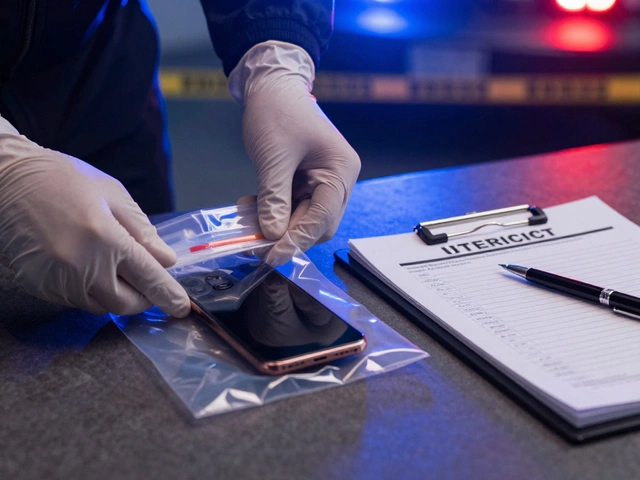
Imagine a courtroom where a defendant is convicted based on a witness's testimony. Months after the trial, it comes to light that the prosecutor had a document in their file proving the witness was paid for their testimony, but they never showed it to the defense. This isn't just a tactical error; it's a constitutional crisis. In the American legal system, the pursuit of a conviction never outweighs the requirement for a fair trial. This is the core of what we call Brady obligations is a constitutional requirement that mandates prosecutors to disclose all evidence favorable to the accused that is material to guilt or punishment.
Whether you are a forensic expert, a law enforcement officer, or a legal professional, understanding these rules is non-negotiable. A failure to disclose exculpatory material doesn't just risk a case; it can lead to overturned convictions and severe professional repercussions. But where exactly does the line sit between a "strategic secret" and a mandatory disclosure?
The Foundation of the Brady Rule
The current landscape of discovery started with the 1963 case Brady v. Maryland. Before this, the rules were much looser. Prosecutors often waited for the defense to ask for specific documents before handing them over. The Supreme Court changed that, ruling that the prosecution must hand over favorable evidence regardless of whether the defense asks for it or whether the prosecutor acted in good faith.
Essentially, if a piece of evidence could help the defendant-meaning it might prove they didn't commit the crime or might lower their sentence-it must be disclosed. This includes things like crime-lab reports that don't support the prosecution's theory, witness statements that contradict the main narrative, or internal police notes that suggest a lead was ignored.
A critical point here is that the "prosecution team" is much larger than just the lawyers. Courts have consistently ruled that any information held by law enforcement officers or investigators assisting the case is legally considered to be in the possession of the prosecutor. If a detective has a notebook with a conflicting statement, the prosecutor is responsible for disclosing it, even if the detective never handed that notebook over to the legal team.
Giglio and the Battle of Credibility
While Brady focuses on evidence of innocence, Giglio disclosure is a specific extension of the Brady rule that requires the government to disclose information that could impeach the credibility of a witness. If a witness is lying, biased, or has a deal with the state, the jury has a right to know. This is often referred to as "impeachment evidence."
For example, if a key witness was promised a reduced sentence in their own case in exchange for testifying against the defendant, that is Giglio material. Similarly, if a police officer has a documented history of dishonesty or has been disciplined for filing false reports, that information must be shared. The goal is to ensure the jury can decide for themselves how much to trust the person speaking on the stand.
In the federal system, these obligations are reinforced by the Jencks Act is a federal statute (18 U.S.C. § 3500) that governs the production of witness statements after they have testified. While the Jencks Act handles the timing of when statements are produced, Giglio ensures the content regarding credibility is out in the open.
| Feature | Brady Material | Giglio Material |
|---|---|---|
| Primary Focus | Exculpatory (Evidence of innocence/leniancy) | Impeachment (Witness credibility) |
| Example | DNA results excluding the suspect | A deal for a reduced sentence for a witness |
| Constitutional Basis | Due Process Clause (5th/14th Amend.) | Due Process Clause (5th/14th Amend.) |
| Trigger | Automatic (No request needed) | Automatic (No request needed) |
What Makes Evidence "Material"?
Not every single scrap of paper in a police file needs to be turned over. The legal standard is materiality. Evidence is considered material if there is a "reasonable probability" that the result of the proceeding would have been different if the evidence had been disclosed.
This creates a tricky gray area. Some prosecutors argue that if the other evidence is overwhelming, a small piece of conflicting information isn't "material" and therefore doesn't need to be disclosed until the trial. However, this approach is risky. Appellate courts often disagree with the trial court's assessment of what was important. Many legal experts and some judges argue that prosecutors should simply turn over all favorable evidence and let the judge decide on materiality later, rather than risking a wrongful conviction.
The case United States v. Bagley solidified the idea that the government has a constitutional duty to disclose this material without waiting for a demand. If the government suppresses evidence that is material to the outcome, it is a violation of the defendant's constitutional rights, regardless of whether the prosecutor was trying to be "sneaky" or just forgot to check a folder.
The Timing Trap and Professional Pitfalls
One of the biggest points of contention in modern courts is when this information must be disclosed. The vague legal phrase "in time to be useful" has led to some prosecutors waiting until the eve of the trial-or even during the trial-to drop a bombshell of exculpatory evidence on the defense. This "trial by ambush" makes it nearly impossible for the defense to investigate the new lead or find opposing witnesses.
To fight this, there are ongoing efforts to codify stricter timelines. Some proposed rules suggest disclosure should happen immediately after arraignment and before any guilty plea is entered. This prevents defendants from pleading guilty without knowing that there is evidence that might have cleared them.
For forensic analysts and lab technicians, the responsibility is clear: you must identify and flag any results that contradict the prosecution's theory. In a laboratory setting, this means ensuring that all tests-including the ones that came back negative or inconclusive-are documented and passed to the prosecutor. Failing to report a "non-match" in a DNA profile is a direct pipeline to a Brady violation.

The Role of the Prosecution Team
It is a common misconception that the prosecutor is the only one on the hook. In reality, the "prosecution team" includes anyone acting on behalf of the state. This extends to:
- Lead detectives and field officers.
- Forensic scientists and medical examiners.
- Prosecution-based advocates (such as victim advocates employed by the DA's office).
- Outside consultants hired by the state.
If a victim advocate has notes indicating the victim admitted the defendant didn't do it, that information is subject to Brady. Even if those notes were intended to be confidential, the constitutional requirement for a fair trial generally overrides professional confidentiality in these specific instances.
Practical Steps to Ensure Compliance
To avoid the nightmare of an overturned conviction, law enforcement and legal teams should adopt a "disclosure first" culture. Instead of asking "Is this material?", ask "Could a defense attorney use this to challenge our case?" If the answer is yes, it should be flagged.
- Maintain an Exculpatory Log: Create a dedicated list of all evidence that contradicts the primary theory of the case.
- Open Communication: Establish a formal process where detectives must notify prosecutors of any "bad news" found during the investigation.
- Audit Files: Periodically review case files specifically for Giglio material-such as updated disciplinary records of testifying officers.
- Document Everything: Keep a record of what was disclosed and when. If you decide something isn't material, document the reasoning why.
Does the defense have to request Brady material?
No. Following the ruling in United States v. Bagley, the prosecution has a constitutional duty to disclose all material, favorable information regardless of whether the defendant or their attorney makes a formal request.
What happens if a prosecutor forgets to disclose exculpatory evidence?
If the suppressed evidence is deemed "material" (meaning there is a reasonable probability it would have changed the outcome of the trial), the conviction can be overturned. Importantly, this happens even if the prosecutor acted in good faith and didn't intentionally hide the evidence.
Is a police officer's disciplinary record considered Giglio material?
Yes, if the disciplinary record relates to honesty, truthfulness, or bias. If an officer has been sanctioned for lying in a report, that information is critical for the jury to assess the officer's credibility as a witness.
Does Brady apply to information held by a third-party expert?
Generally, yes. If the expert is acting on behalf of the prosecution, they are considered part of the prosecution team. Any favorable evidence they discover must be disclosed to the defense.
What is the difference between a discovery right and a Brady obligation?
Discovery rights are broader rules that allow attorneys to exchange information to prepare for trial. Brady obligations are a specific constitutional requirement. While discovery is often a matter of court rules and can be discretionary, Brady is mandatory and rooted in the Due Process Clause.