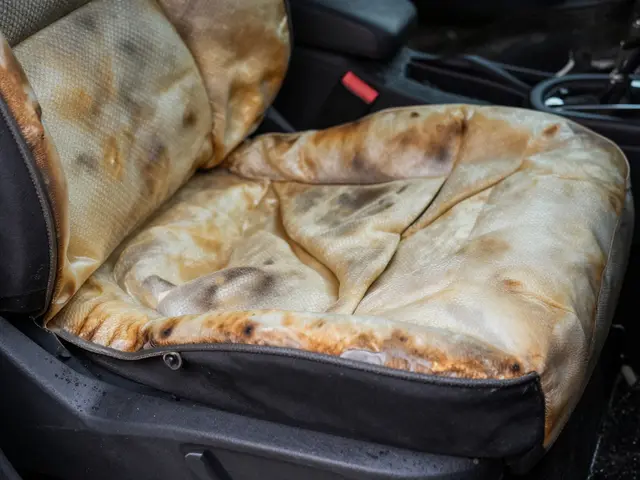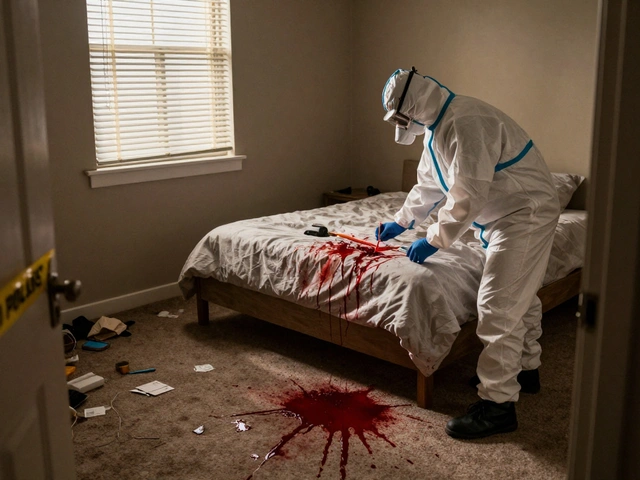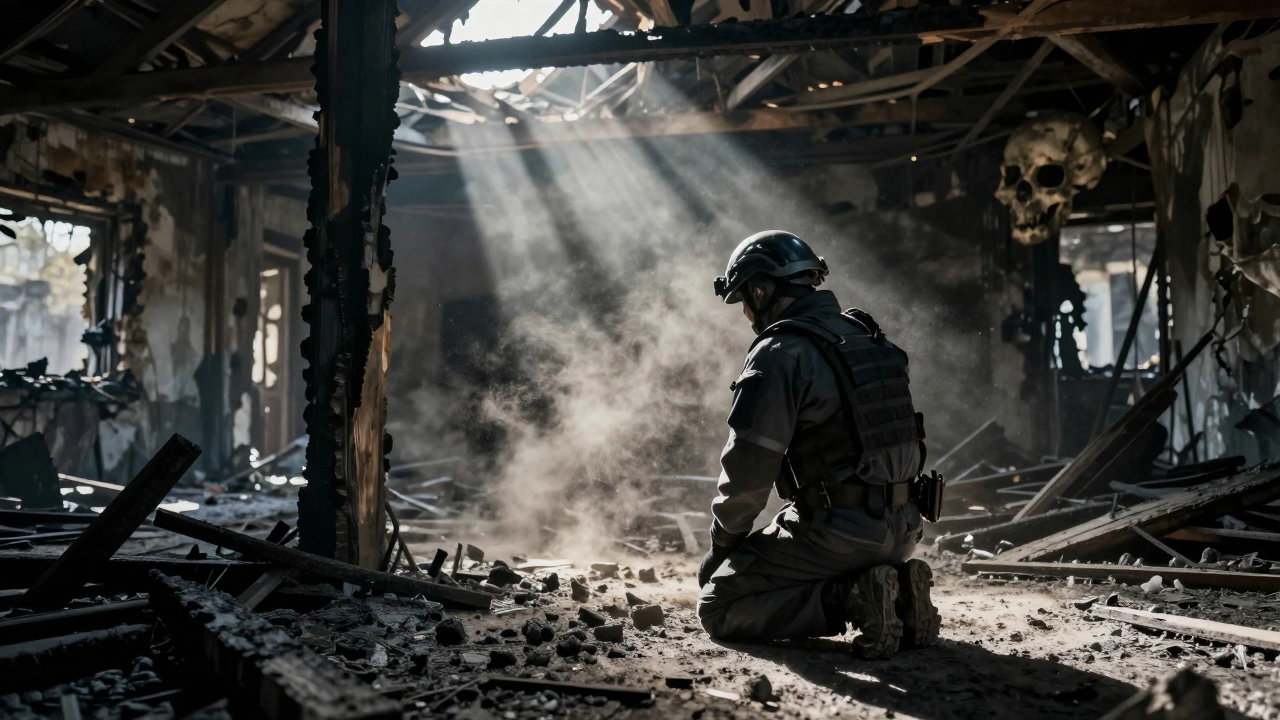
Identifying an intentional fire isn't about guessing; it's about proving the absence of natural or accidental causes. If a toaster didn't short out and a candle wasn't left burning, the investigator looks for the fingerprints of a device. This process requires a mix of old-school detective work and high-tech lab analysis to separate a tragic accident from a calculated crime.
Key Indicators of Intentional Fire Setups
When investigators first arrive, they look for anomalies. Natural fires usually follow a predictable path-they start at a source and move upward and outward. Intentional fires often defy these rules. For instance, finding multiple unconnected points of origin is a massive red flag. If a fire started in the kitchen and the bedroom simultaneously without a connecting path of fuel, it's almost certainly arson.
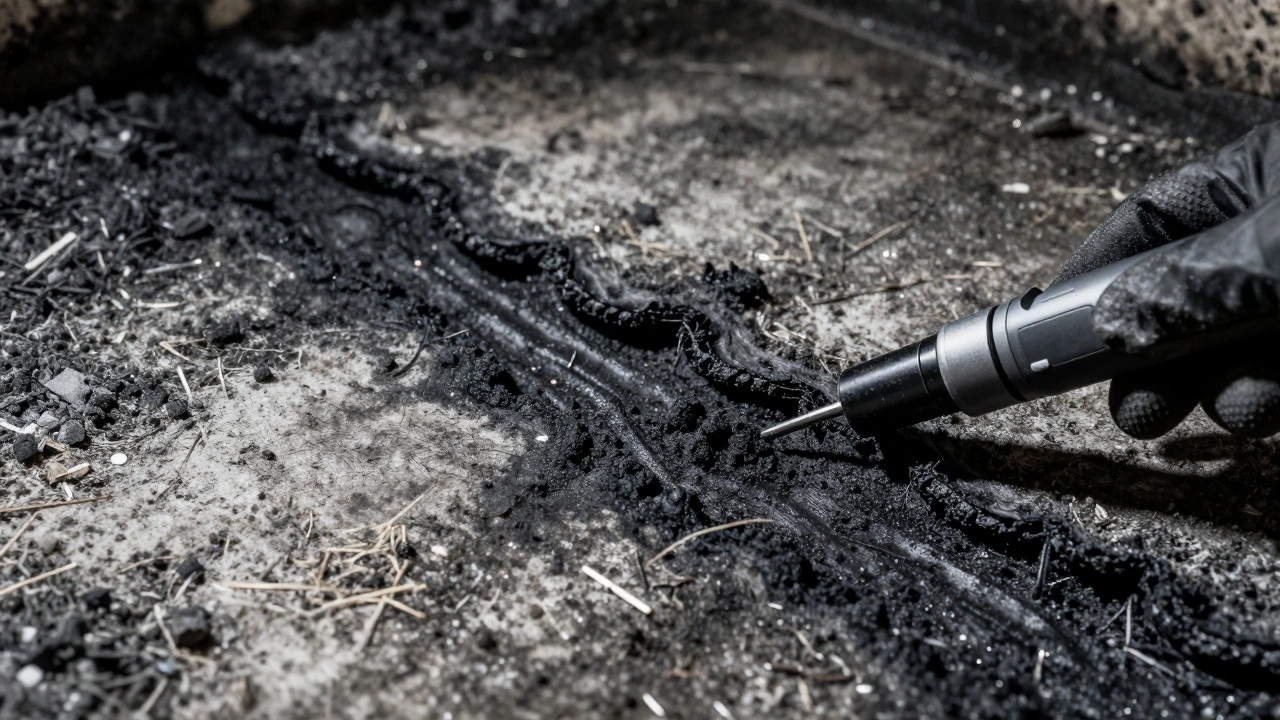
Another tell-tale sign is the use of Accelerants, which are substances like gasoline, kerosene, or alcohol used to speed up the start and spread of a fire. While a house fire might naturally involve some flammable materials, an abnormal amount of liquid fuel creates a distinct "pour pattern." These are jagged, pooled areas of deep charring on a floor that look like a spilled liquid was ignited. Because accelerants burn hotter and faster than wood or fabric, they leave behind deep "V-patterns" or "U-patterns" on walls that indicate exactly where the liquid was poured.
Investigators also look for "trailers." These are lines of flammable material-like gasoline-soaked rags or trails of gunpowder-used to lead the fire from one room to another. If you find a line of melted plastic or deep charring leading from a door to a pile of furniture, you're looking at a deliberate setup.
Analyzing the Device: Mechanics and Residue
An incendiary device can be as simple as a match taped to a cigarette or as complex as a timed chemical reaction. In the field, investigators search for "foreign objects" in the debris. This could be pieces of a clock, electronic timers, or remnants of a plastic bottle. Even if the device was consumed by the fire, the metallic components or non-combustible residues often survive.
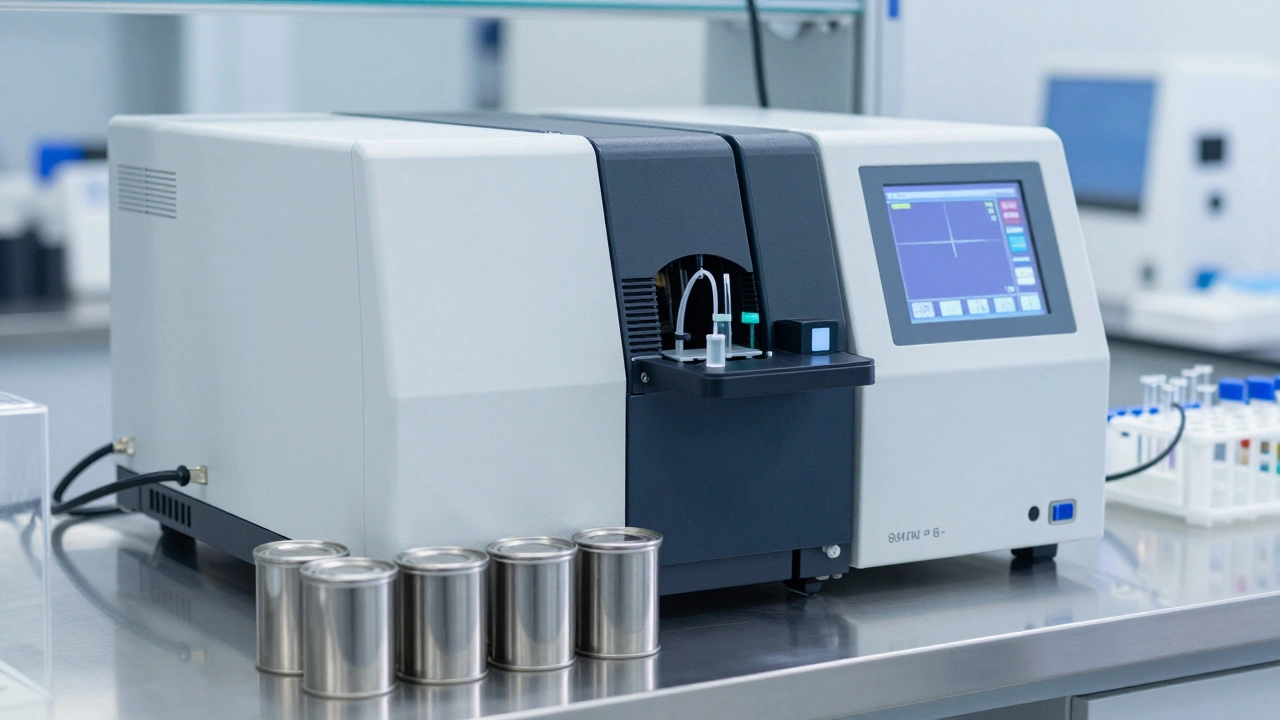
One of the most common tools used in these investigations is the Photoionization Detector (PID), which is a handheld device that detects volatile organic compounds (VOCs) in the air or soil. This allows investigators to "sniff" the debris and locate the exact spot where an accelerant was used before they even start digging. Once a hot spot is found, they collect samples using airtight metal cans to prevent the chemicals from evaporating.
| Indicator | Natural/Accidental Fire | Intentional/Incendiary Fire |
|---|---|---|
| Points of Origin | Single, identifiable source | Multiple, disconnected sources |
| Burn Patterns | Predictable, upward spread | Deep "pour patterns" and trailers |
| Fuel Source | Existing materials (furniture, etc.) | Added accelerants (Gasoline, Kerosene) |
| Debris | Typical household waste | Timers, fuses, or container fragments |
The Role of the Crime Lab
Fieldwork is just the beginning. The real proof comes from the laboratory. Once samples are collected, the gold standard for analysis is Gas Chromatography-Mass Spectrometry (GC-MS). This is a laboratory technique that separates chemical mixtures and identifies specific molecules based on their mass-to-charge ratio. It can distinguish between a generic petroleum product and a specific brand of lighter fluid, which can then be traced back to a suspect's purchase history.
The lab also looks for chemical residues that suggest the use of "hypergolic" mixtures-chemicals that ignite spontaneously when they touch each other. These are rare in residential fires but common in sophisticated arson cases. By analyzing the soot and residue on the walls, chemists can tell if a fire was started by a slow-burning fuse or a rapid chemical reaction.
Common Pitfalls in Arson Identification
It's easy to misdiagnose a fire. For example, "flashover" can create patterns that look like multiple points of origin. Flashover happens when a room gets so hot that every combustible surface ignites at once. To an inexperienced investigator, the resulting charring might look like a pour pattern, but a seasoned pro knows the difference by looking at the ceiling and ventilation patterns.
Another trap is the "wicking effect." Some synthetic materials, like certain types of polyurethane foam in modern sofas, can melt and drip, creating streaks of fire that look like intentional trailers. This is why Fire Dynamics-the study of how fire behaves in a physical space-is so crucial. If the investigator doesn't understand how heat moves, they might accuse someone of arson when it was actually just a very unlucky house fire.

Documenting the Scene for Court
Because arson cases often end up in trial, documentation is everything. Investigators use 3D laser scanning to create a digital twin of the room. This allows a jury to "walk through" the scene and see exactly where the incendiary device was placed. They map the "heat shadows"-areas that stayed cool because something was blocking the heat-which can reveal where a device or a fuel container was sitting during the blaze.
The chain of custody for evidence is also critical. If a sample of charred wood is left in a plastic bag (which can leach chemicals) instead of a clean metal tin, the defense attorney will tear the evidence apart in court. Precision in the first hour after the fire is put out determines whether a criminal is convicted or walks free.
What is the difference between an accelerant and an incendiary device?
An accelerant is a substance (like gasoline) used to make a fire start or spread faster. An incendiary device is the actual mechanism-the object or system-used to trigger that fire, such as a Molotov cocktail, a timed fuse, or a chemical ignition device.
Can a fire completely destroy all evidence of an incendiary device?
While extreme heat can destroy many materials, it rarely erases everything. Metals, certain ceramics, and chemical residues embedded in porous surfaces (like concrete or wood) often survive. GC-MS technology can detect trace amounts of accelerants even after a building has been completely gutted.
What are "pour patterns" in fire investigation?
Pour patterns are distinct areas of deep charring or discoloration on a floor that follow the shape of a liquid that was poured and then ignited. They are a primary indicator that an accelerant was used to intentionally set the fire.
How do investigators prove a fire was intentional if no device is found?
They use a process of elimination. By proving that all accidental sources (electrical, heating, chemical) are impossible and identifying patterns like multiple points of origin or the presence of accelerants, they can conclude the fire was intentional through circumstantial and forensic evidence.
What is a "trailer" in the context of arson?
A trailer is a trail of combustible material-such as gasoline-soaked rags, paper, or gunpowder-designed to spread fire from one area of a building to another, ensuring the fire spreads quickly and effectively.