When you hear about overdoses or sudden deaths linked to street drugs, the real danger isn’t always the drug itself. More often, it’s what’s mixed in with it - the toxic cutting agents. These aren’t harmless fillers. They’re industrial chemicals, pesticides, or even household toxins dumped into powders and pills to bulk up supply and boost profits. And every time someone uses them, they’re playing Russian roulette with their organs, their nervous system, and their life.
What Are Toxic Cutting Agents?
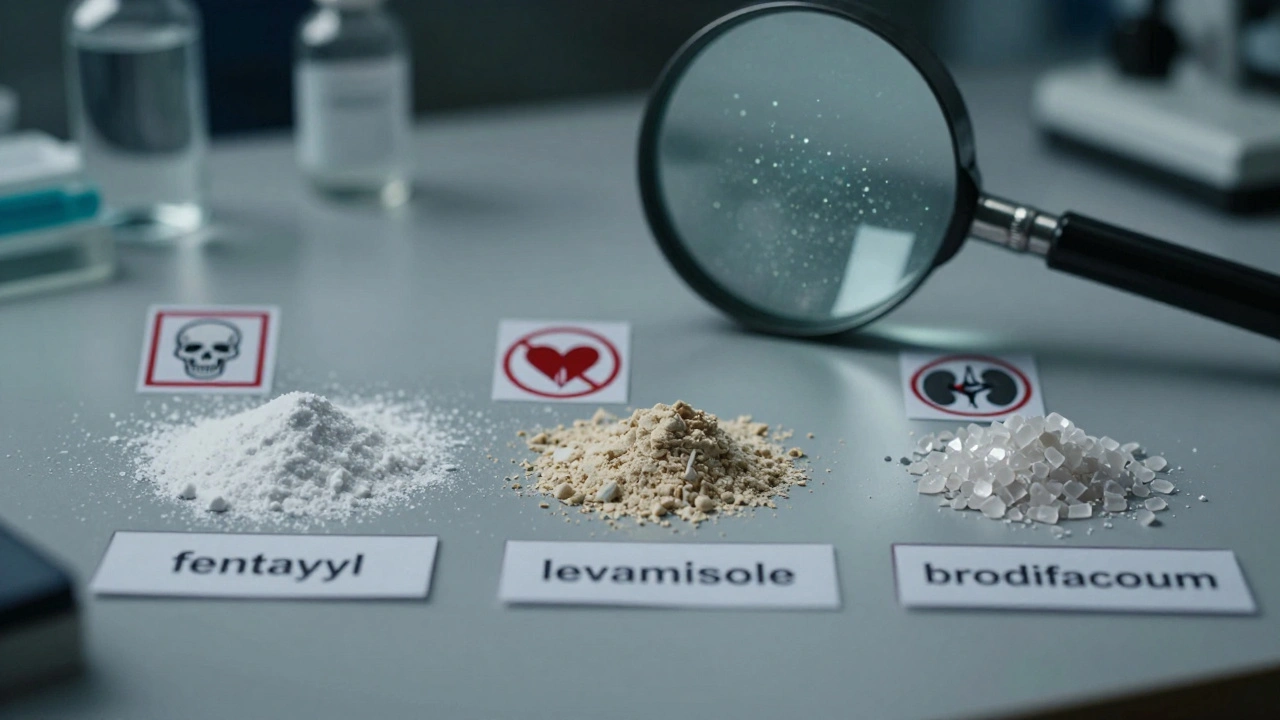
Cutting agents are substances added to illegal drugs to increase volume. Common ones include baking soda, talcum powder, or sugar. But when dealers want to stretch their product further, they turn to far more dangerous options. Fentanyl, for example, is often cut with phenacetin, a banned painkiller linked to kidney failure and cancer. Heroin has been found mixed with levamisole, a deworming drug that destroys white blood cells and causes skin necrosis. Cocaine is frequently adulterated with procaine or benzocaine, both of which can trigger methemoglobinemia - a condition where blood can’t carry oxygen properly.
Some of the worst offenders are industrial chemicals: caffeine (used as a stimulant cut), amphetamines (sold as MDMA), strychnine (a deadly poison), and even rat poison (brodifacoum). In 2023, the DEA reported that 72% of seized fentanyl samples contained at least one unknown toxic compound. Many of these substances have never been tested on humans. They’re not regulated. They’re not labeled. And they’re not safe.
How Do These Chemicals Hurt People?
The damage isn’t always immediate. Some cuts cause acute reactions - vomiting, seizures, or cardiac arrest within minutes. Others creep up slowly. Chronic exposure to cutting agents can lead to permanent organ damage. For example:
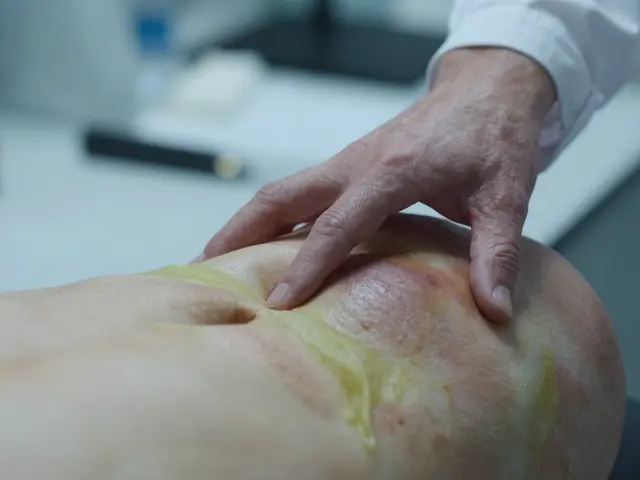
- Levamisole attacks bone marrow, causing agranulocytosis - a near-total loss of infection-fighting cells. Patients develop painful sores on their ears and face that won’t heal.
- Phenacetin damages the kidneys and liver over time, leading to chronic renal failure. It’s also a known carcinogen linked to urinary tract cancers.
- Brofidaoum (rat poison) causes uncontrolled internal bleeding. Victims may not realize they’ve been poisoned until they start bruising without injury or bleeding from the gums.
- Procaine and benzocaine can trigger methemoglobinemia, especially in children or people with genetic conditions. Oxygen levels in the blood drop, turning skin blue and causing confusion, fatigue, and death if untreated.
Even small amounts can be lethal. A single milligram of some cutting agents is enough to stop breathing. And because these substances are mixed unevenly, one batch might be deadly while the next seems harmless - until the next hit.
Why Labs Need Strict Controls
Forensic labs are on the front lines of this crisis. Every week, evidence bags arrive containing powders, pills, and liquids that may contain multiple toxic compounds. Analysts handle these samples without knowing what they’re dealing with. One slip - a broken vial, a missed glove, an unventilated hood - can expose them to life-threatening chemicals.
Unlike hospitals or factories, forensic labs don’t always have standard safety protocols for unknown substances. Many don’t have real-time air monitoring. Some still use outdated fume hoods. And in rural areas, labs might lack proper training or PPE.
Here’s what needs to be in place:
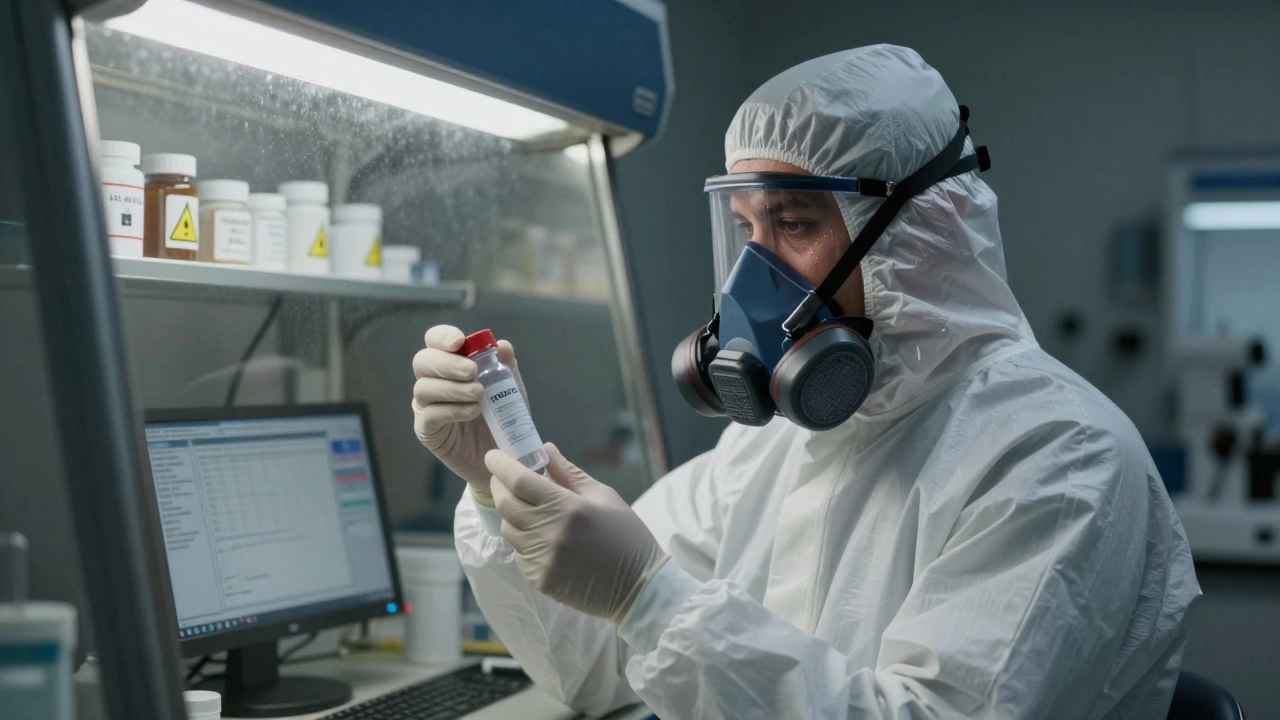
- Engineering controls - Closed systems, HEPA-filtered fume hoods, and negative-pressure rooms prevent airborne exposure. Any sample handling must happen inside these systems.
- Personal protective equipment (PPE) - Nitrile gloves (double-layered), chemical-resistant aprons, N95 respirators, and eye shields are mandatory. No exceptions.
- Training - Every analyst must complete annual hazard communication training. They need to know how to read SDS sheets (Safety Data Sheets), recognize symptoms of exposure, and respond to spills.
- Labeling and documentation - Every sample must be clearly labeled with hazard symbols and known contaminants. If a substance is unknown, it must be treated as highly toxic until proven otherwise.
- Emergency response - Labs need spill kits, eyewash stations, and access to antidotes like methylene blue for methemoglobinemia. A buddy system must be enforced during high-risk procedures.
The CDC and NIOSH have clear guidelines for handling unknown chemicals. Yet, many labs skip steps because of budget cuts or overwork. In 2024, a forensic lab in Ohio reported three cases of acute respiratory distress after an analyst unknowingly handled a batch laced with peracetic acid - a disinfectant used in medical equipment sterilization. The chemical vaporized during grinding. The analyst didn’t know it was present. No one had trained them on its risks.
How Labs Identify Cutting Agents
Forensic chemists use a few key tools to detect these poisons:
- Gas chromatography-mass spectrometry (GC-MS) - The gold standard. Separates chemicals by weight and identifies them by molecular fingerprint. Can detect parts per million of contaminants.
- Fourier-transform infrared spectroscopy (FTIR) - Identifies functional groups in molecules. Great for spotting industrial solvents like acetone or methanol.
- Immunoassay screening - Fast, cheap tests for common drugs, but they often miss novel cutting agents. Used as a first pass, not a final answer.
- High-performance liquid chromatography (HPLC) - Used for non-volatile compounds like levamisole or phenacetin.
But detection isn’t enough. Labs need databases to compare results. The NIST Forensic Chemistry Center maintains a public library of over 1,200 cutting agent profiles. Many labs still rely on outdated or incomplete references. Without up-to-date data, analysts miss new threats. In 2025, a new cutting agent called DMB (dimethylbenzimidazole) was found in 18% of seized fentanyl pills in the Pacific Northwest. It had never been cataloged. Two analysts were hospitalized after exposure.
Who’s at Risk?
It’s not just users. First responders, police officers, and even janitorial staff who clean evidence rooms are at risk. A single contaminated glove or a wiped-down surface can transfer toxins. In 2023, a sheriff’s deputy in Arizona developed severe skin lesions after handling a bag of cocaine cut with levamisole. He didn’t wear gloves. He washed his hands with soap. The chemical stayed on his skin for hours.
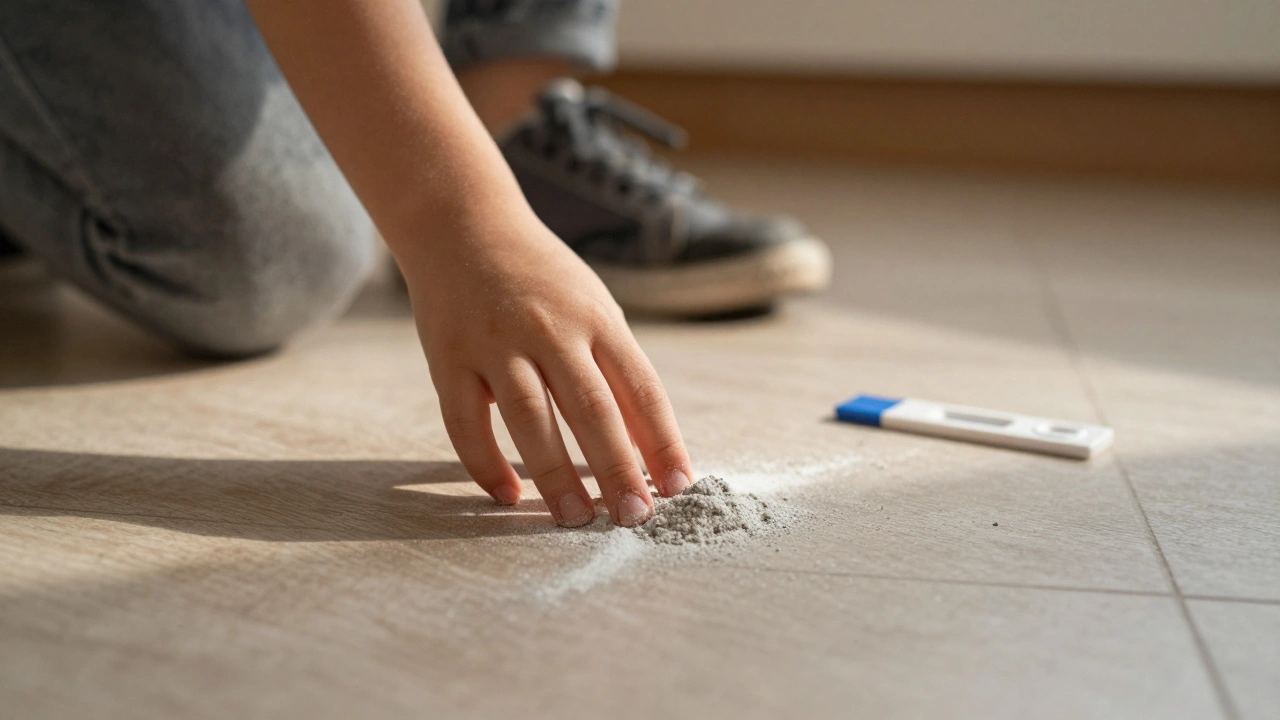
Children are especially vulnerable. In 2024, a toddler in Oregon ingested a powder that looked like glitter. It was fentanyl cut with strychnine. The child died within 20 minutes. The parents had no idea what they’d found.
What’s Being Done?
Some progress is being made. The DEA now requires all seized drug samples to be logged with chemical hazard tags. The National Institute on Drug Abuse (NIDA) funds research into rapid detection kits. Several states have passed laws requiring labs to report unknown toxic contaminants to public health agencies.
But funding remains inconsistent. Many labs still operate with outdated equipment. Training is voluntary. Safety audits are rare. And the number of cutting agents keeps rising. In 2020, there were 87 known cutting agents. By 2026, that number has jumped to over 210.
There’s no easy fix. But one thing is clear: if labs don’t treat every unknown substance as a potential killer, people will die - including the people trying to protect us.
What Users Should Know
For anyone using street drugs - even once - the risk isn’t just addiction. It’s poisoning. There’s no way to know what’s in your drug. No test strip can catch everything. Even fentanyl test strips won’t detect levamisole, brodifacoum, or strychnine.
There’s no safe way to use these drugs. But if someone chooses to, they should:
- Never use alone
- Have naloxone nearby
- Know the signs of methemoglobinemia (blue lips, confusion, rapid breathing)
- Call 911 immediately if anything feels off
And if you work in a lab, a hospital, or law enforcement - your safety matters. Don’t assume someone else has handled the risk. Ask for training. Demand better gear. Speak up when protocols are ignored.
What are the most dangerous cutting agents found in street drugs today?
The most dangerous cutting agents include levamisole (causes tissue necrosis and immune collapse), brodifacoum (rat poison, causes internal bleeding), phenacetin (kidney and liver cancer), strychnine (deadly neurotoxin), and peracetic acid (causes chemical burns and lung damage). These are not rare - they’re common in fentanyl, heroin, and cocaine samples seized in 2025.
Can fentanyl test strips detect toxic cutting agents?
No. Fentanyl test strips only detect the presence of fentanyl and its analogs. They do not identify levamisole, brodifacoum, phenacetin, or other toxic adulterants. Relying on them for safety gives a false sense of security. Many users die from cuts they didn’t even know were there.
Why don’t labs always have proper safety gear?
Many forensic labs operate on tight budgets and outdated funding models. They’re often housed in old buildings without modern ventilation. Training is not mandatory in every state. Equipment upgrades are delayed for years. In rural areas, analysts may be the only person on staff - with no backup or safety oversight.
Can you get poisoned just by touching a drug sample?
Yes. Chemicals like levamisole and brodifacoum can absorb through the skin, especially if there are cuts or if hands aren’t washed properly. Even a brief touch without gloves can lead to absorption. That’s why double-gloving and changing gloves between samples is non-negotiable.
What should a lab do if an analyst is exposed to an unknown chemical?
Immediately isolate the person, remove contaminated clothing, and rinse exposed skin with water for 15 minutes. Call emergency services. Do not assume the substance is harmless. Provide the lab’s SDS logs to responders. If the chemical is unknown, treat it as immediately dangerous to life or health (IDLH). Notify public health authorities - they may need to track exposure patterns.