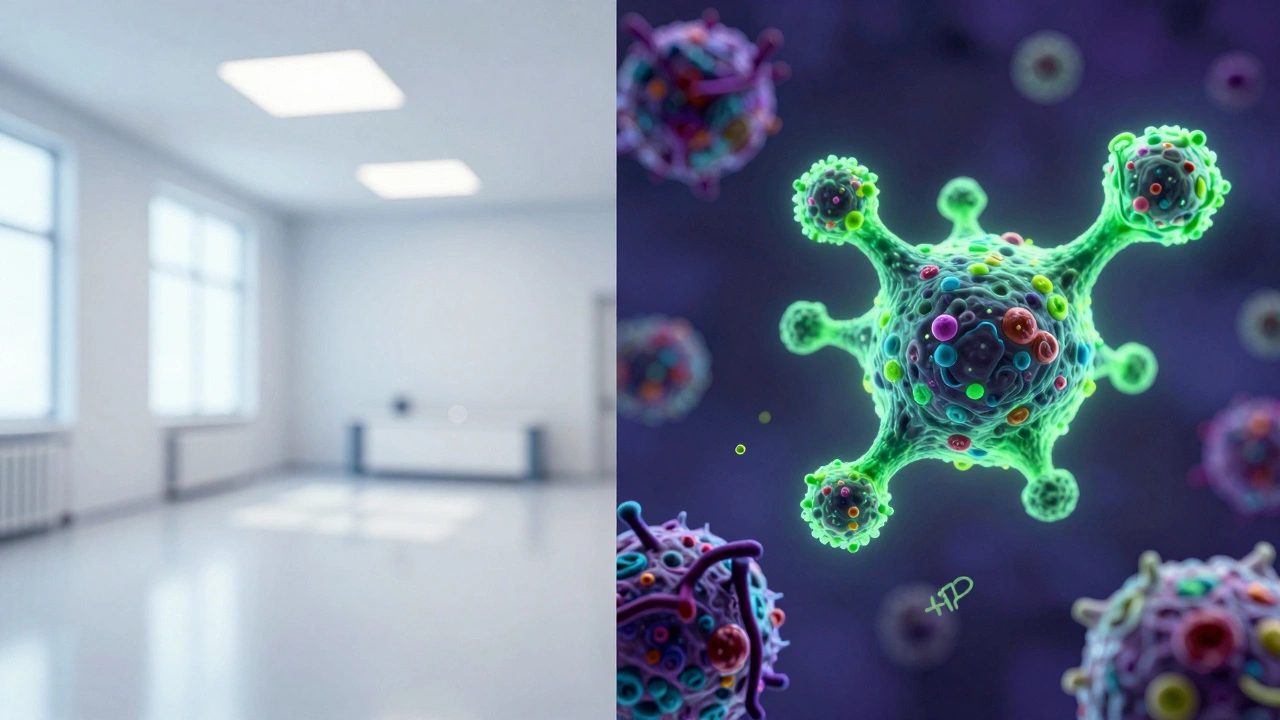
Walking into a room after a professional cleanup and seeing sparkling floors doesn't actually mean the area is safe. In the world of biohazard remediation, what you can see is only a fraction of the story. Microscopic remnants of blood, bodily fluids, and bacteria often cling to surfaces long after the visible stains are gone. This is where ATP testing is a rapid scientific method used to detect adenosine triphosphate (ATP) on surfaces to measure biological cleanliness. By identifying organic matter at a molecular level, this process removes the guesswork from decontamination and ensures a site is truly safe for occupancy.
The Science Behind the Glow
To understand how this works, we first have to look at the molecule itself. Adenosine Triphosphate (or ATP) is the energy currency of all living cells. Whether it's a human skin cell, a bacterium, or a virus, ATP is present. When a surface is contaminated with biohazards, it's essentially coated in ATP. The goal of a cleanup isn't just to make a room look clean, but to eliminate these biological markers.
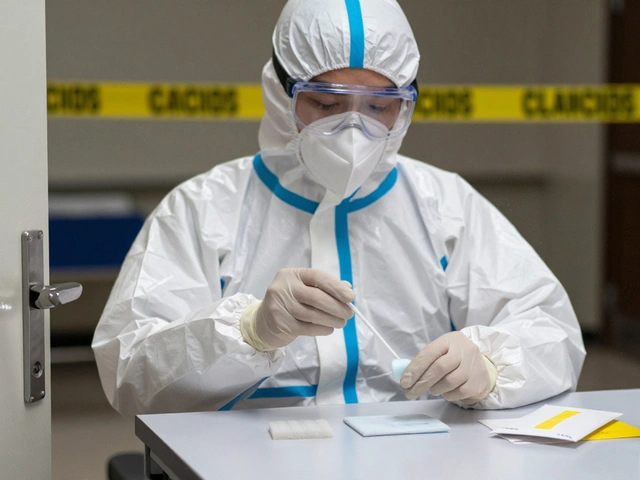
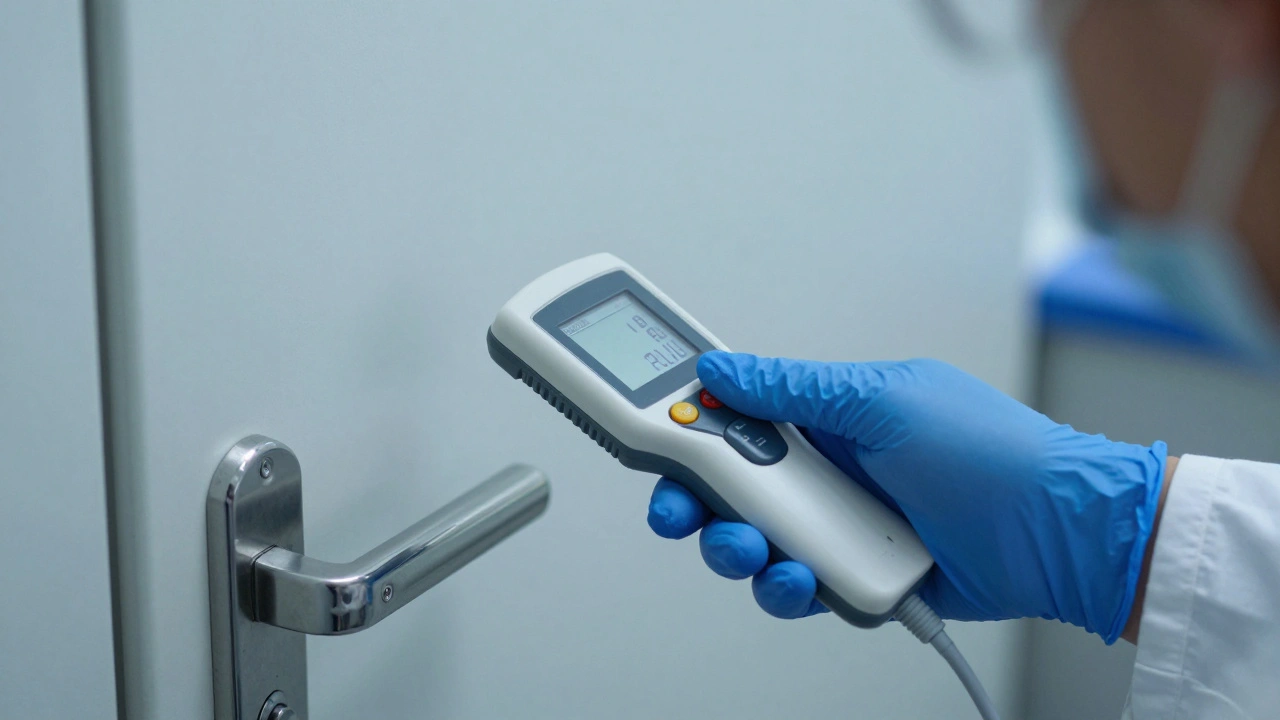
The actual testing happens using a handheld device called a Luminometer, which is a light-measuring instrument that detects the bioluminescent reaction between ATP and the enzyme luciferase. This is the same enzyme that makes fireflies glow. When a technician swabs a surface and places that swab into the device, the luciferase reacts with any ATP present, producing a flash of light. The luminometer measures this light in Relative Light Units (RLUs). The more light, the more organic residue remains on the surface.
Why Visual Inspection Isn't Enough
For decades, the standard for "clean" was simply that a surface looked clear to the naked eye. However, in high-stakes environments like crime scenes or unattended death scenarios, visual checks are dangerously insufficient. Imagine a doorknob or a light switch in a room where an infectious disease was present. You might scrub it until it shines, but a microscopic film of organic matter could still be present, harboring pathogens.
ATP testing identifies these "invisible" threats. While a technician might see a clean countertop, the luminometer might reveal a high RLU count, signaling that the cleaning agent didn't fully penetrate the surface or that the scrubbing technique missed a spot. This quantitative data transforms cleaning from a subjective art into a measurable science.
| Feature | Visual Inspection | ATP Testing |
|---|---|---|
| Detection Level | Macroscopic (Visible) | Molecular (Microscopic) |
| Speed of Result | Instant (Subjective) | Seconds (Objective) |
| Reliability | Low (Prone to human error) | High (Scientifically backed) |
| Verification | "Looks clean" | Measurable RLU values |
How Professionals Apply ATP Testing in the Field
A professional biohazard remediation team doesn't just test once at the end. They use a layered approach to ensure nothing is missed. The process typically follows these three phases:
- Baseline Testing: Before the first scrub begins, technicians swab the area to establish how contaminated the site is. This helps them determine which chemicals and methods are necessary for the job.
- Progress Monitoring: During the cleaning process, tests are run to see if the chosen disinfection protocol is working. If the RLU levels aren't dropping, the team knows they need to change their approach immediately.
- Final Verification: After the final pass, high-touch surfaces-like faucets, handles, and switches-are tested. This is the final "exam" the room must pass before it is cleared for occupancy.
If a surface fails the final test, it is simply re-cleaned and re-tested. This cycle continues until the ATP levels fall below an acceptable threshold, providing 100% confidence that the biohazard has been eliminated.
Applications Across Different Biohazard Scenarios
Different scenes present different challenges, and ATP testing adapts to each. In crime scene cleanup, for instance, blood and tissue can seep into porous materials or hide in crevices. ATP testing unveils these organic remnants that would otherwise be overlooked, ensuring that the environment is safe for investigators or future residents.
In unattended death scenes, the biological load is often massive. Decaying organic matter releases a high volume of ATP, often resulting in extremely high initial RLU readings. Here, the testing provides a roadmap for the cleanup, highlighting the most contaminated areas that require the most intensive treatment.
Even in hoarding situations, where the primary issue might seem to be clutter, ATP testing is vital. Hoarding environments often harbor hidden mold, pest droppings, and decayed food-all of which are biological contaminants. Testing ensures that once the debris is removed, the actual structure of the home is sanitized.
The Limits of the Technology
It is important to understand what ATP testing cannot do. While it is an incredible tool for measuring cleanliness, it is not a pathogen-specific test. A luminometer can tell you that organic matter is present, but it cannot tell you if that matter is a harmless skin cell or a dangerous strain of MRSA. It detects the presence of biological residue, not the identity of the microbe.
Because of this, ATP testing is used as a verification of the cleaning process rather than a diagnostic tool for specific diseases. If the ATP level is zero or near-zero, it's a strong indicator that the pathogens are gone, because the pathogens themselves cannot exist without their ATP energy source. It is the absence of the "fuel" that confirms the absence of the "fire."
Compliance, Documentation, and Peace of Mind
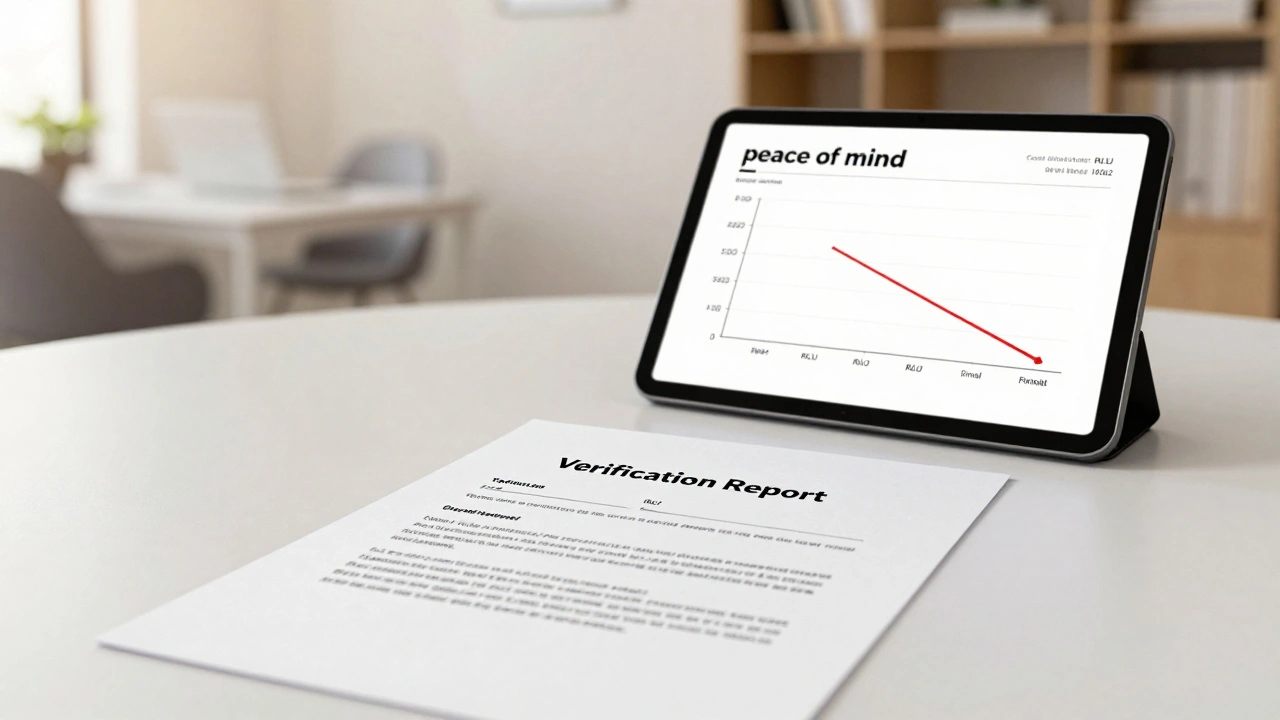
For property owners and businesses, the most valuable part of ATP testing is the paper trail. When a professional company provides a report showing the RLU levels before and after cleaning, it serves as objective proof of decontamination. This documentation is crucial for regulatory compliance and insurance purposes, proving that the site meets all hygiene standards for infection prevention.
Beyond the legalities, there is the psychological impact. Cleaning up after a trauma is an emotional process. Knowing that a site has been verified down to the molecular level gives the owner a level of peace and closure that a simple "it looks clean" ever could. It replaces anxiety with scientific certainty.
Does a low ATP score mean the area is completely sterile?
Not necessarily "sterile" in a surgical sense, but it means that biological residue has been reduced to a level where it's considered safe. Since ATP is required for cellular life, a very low RLU count indicates that there is virtually no organic matter left to support the growth of bacteria or viruses.
How long does it take to get ATP test results?
The results are almost instantaneous. Once the swab is placed in the luminometer, the device provides a numerical RLU reading within a few seconds.
Can I use a home cleaning kit to do ATP testing?
Generally, no. Professional-grade luminometers and specialized swabs are required to get accurate, quantitative data. Home cleaning products can remove visible dirt, but without a luminometer, you cannot verify if microscopic biohazards remain.
What are RLUs in ATP testing?
RLU stands for Relative Light Units. It is the measurement of the light produced by the chemical reaction between ATP and luciferase. Higher RLUs mean more organic contamination; lower RLUs mean a cleaner surface.
Why is ATP testing used on doorknobs and light switches specifically?
These are known as "high-touch surfaces." Because they are touched frequently by many people, they are the most likely areas to harbor and spread contaminants, making them critical checkpoints for verification.
Next Steps for Site Clearance
If you are managing a biohazard cleanup, don't settle for a visual walkthrough. Ask your remediation provider for a verification report that includes the baseline RLU counts and the final post-cleaning counts. If you are a property manager, ensure that the scope of work specifically mentions ATP testing for high-touch areas.
For those dealing with extreme contamination, such as a meth lab or a severe infectious disease outbreak, you may want to pair ATP testing with secondary air quality testing or third-party laboratory swabs to provide an even deeper layer of safety assurance before reopening the space to the public.