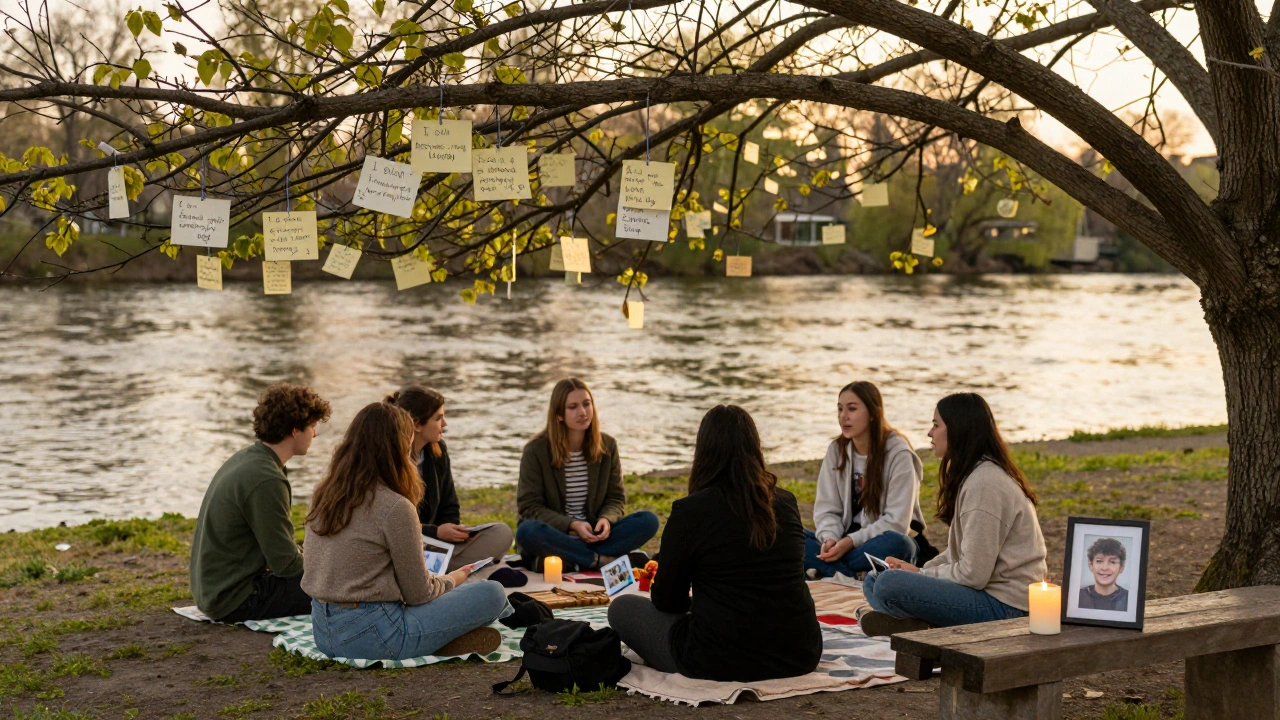
Every year, families and communities gather to remember those who are gone - not just the ones we lost to time, but the ones we still search for. Annual remembrance events aren’t just about ceremony. They’re about holding space for grief, keeping names alive, and reminding everyone that no one is forgotten. These gatherings bring together people who may have never met but share the same quiet ache: the absence of someone who never came home.
Why These Events Matter
When someone goes missing, the silence that follows can be louder than any sound. The media moves on. The police case grows cold. But families don’t stop looking. That’s where community remembrance events step in. They don’t solve cases. But they keep the story alive. A photo on a poster. A name read aloud. A candle lit in a park. These small acts tell the missing person: we still see you. In Portland, families of missing persons have started holding springtime gatherings at Tom McCall Waterfront Park. No big speeches. No politicians. Just neighbors, volunteers, and people who’ve been there - holding signs with faces, sharing stories, and passing around handmade bookmarks with the person’s name and favorite quote. One mother said, "It’s the only day I don’t feel alone in this." That’s the power of these events.How to Plan a Meaningful Remembrance Event
You don’t need a big budget. You don’t need permits. You just need heart. Here’s how real communities do it:- Start with a simple location. A park bench, a library lawn, a sidewalk mural - pick a place that feels safe and open. Avoid overly formal settings. This isn’t a funeral. It’s a gathering.
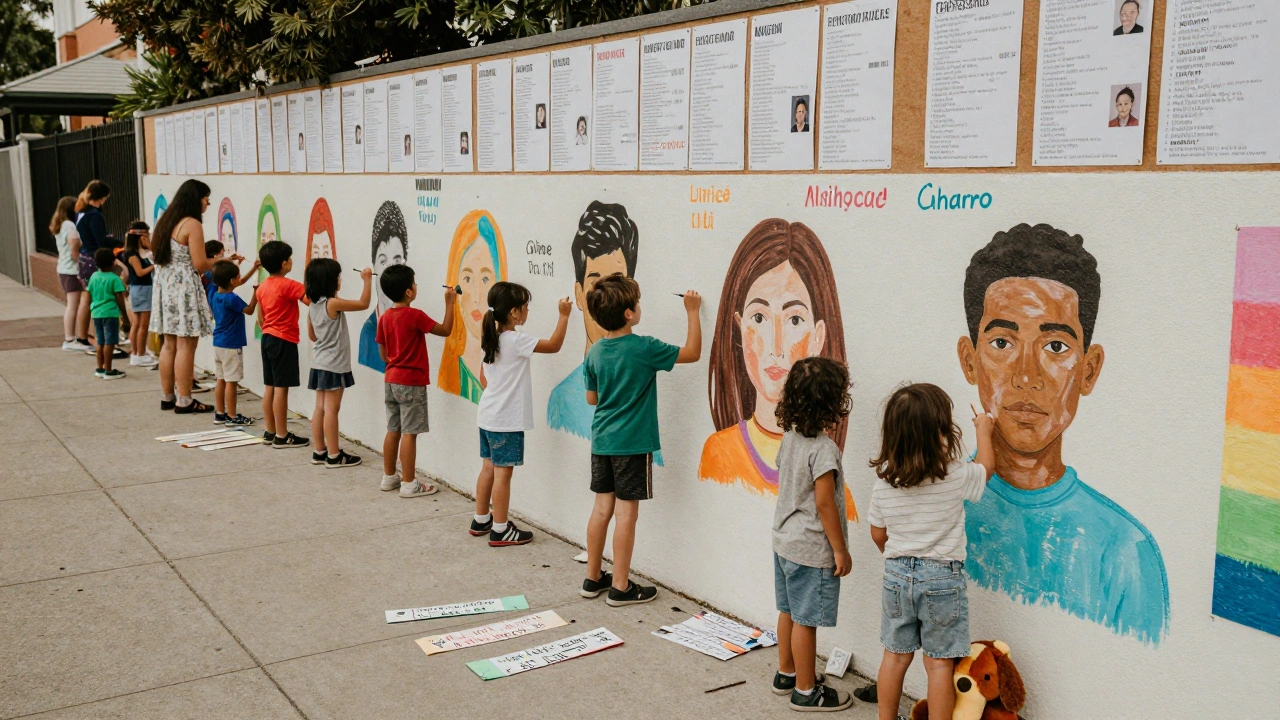
- Focus on names. Make a list. Print it. Hang it. Read it. Let someone stand and say each name out loud - slowly. Pause between them. Let the silence settle. Names are anchors. They keep people from disappearing into statistics.
- Include photos. Don’t use professional portraits. Use the messy, real ones: a kid grinning with ice cream, a teen in a band shirt, someone hugging a dog. These are the moments that matter.
- Let people bring something. A flower. A letter. A stuffed animal. A favorite snack left at the spot where they were last seen. Let the space fill with personal objects. It turns a memorial into a living tribute.
- Offer quiet corners. Not everyone wants to speak. Some just need to sit. Set up a shaded area with chairs, blankets, and a box of tissues. Let people be alone if they need to.
Make It Interactive - Not Just Observational
Passive watching doesn’t help healing. Active participation does.- Memory walks. Mark a short path with photos and short stories. Each step is a memory. End with a circle of chairs where anyone can share a 30-second memory if they want.
- Message trees. Hang a small tree or branch with ribbons. Attach handwritten notes: "I miss your laugh," "I still check your social media," "I dreamt of you last night."
- Time capsules. Ask families to write letters to their missing loved one. Seal them in a box. Plan to open them next year. It gives grief a timeline - not an end, but a rhythm.
- Art walls. Set up a table with markers, paint, and paper. Let kids and adults draw, write, or collage what they feel. No skill needed. Just honesty.
Partner With People Who Already Show Up
You don’t have to do this alone. Reach out to groups already working in this space:- Local missing persons organizations. They have lists, contacts, and experience. They know which families need support.
- Libraries and schools. They have space, access to kids, and ways to spread the word. Students can help design posters or read names aloud.
- Volunteer fire departments and police chaplains. Many have quiet programs to support families. Ask if they’ll help coordinate.
- Religious groups. Even if the event isn’t religious, many churches, synagogues, and mosques have community halls and volunteers ready to help.
Don’t Forget the Long Game
One event won’t fix anything. But a tradition? That changes everything. Make it annual. Set a date - maybe the anniversary of the disappearance, or the first day of spring. Send out a simple email or Facebook post every January: "We’re holding our remembrance on May 10th. Want to help?" Keep it low-pressure. Some years, only five people show up. That’s okay. Five people remembering is better than zero. And when you do it year after year, something shifts. New families show up. People who didn’t know the missing person start asking questions. Kids learn what it means to hold space for loss. The community starts to understand: missing isn’t the same as gone.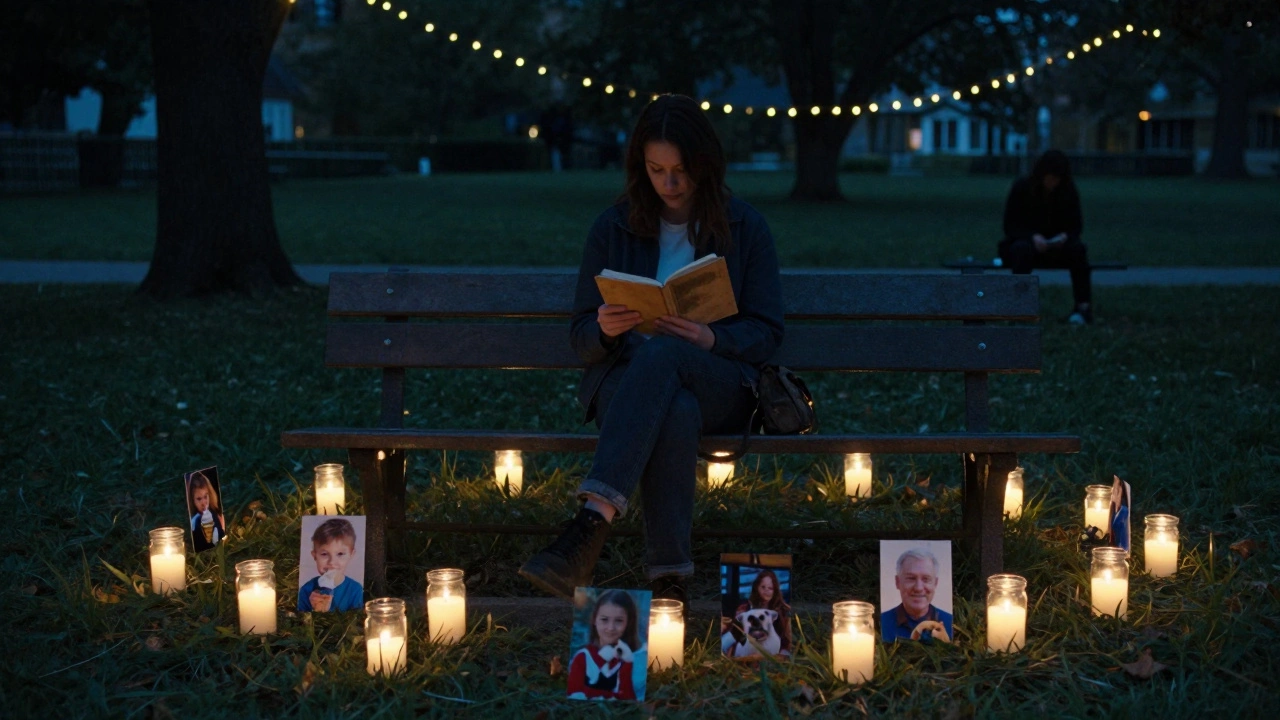
What to Avoid
Not every idea helps. Some well-meaning efforts actually hurt:- Don’t turn it into a fundraiser. People come to remember, not to donate. If you need money, quietly list a trusted nonprofit (like the National Missing and Unidentified Persons System) at the end.
- Don’t force people to speak. Grief doesn’t work on a schedule. Let silence be part of the event.
- Don’t use overly patriotic symbols. Flags and military imagery can feel alienating. Missing persons come from all backgrounds. Keep it human, not political.
- Don’t promise answers. "We’ll find them" is a lie. "We won’t forget them" is true.
Virtual Options - Because Not Everyone Can Be There
Some families can’t travel. Some are too sick. Some live far away. That’s okay. Create a simple webpage or Facebook album with:- All the names and photos
- A short audio recording of the names being read
- A digital candle you can light online
- A comment section where people can leave messages
What Happens After the Event?
The work doesn’t end when the last candle goes out.- Keep the list of names. Update it every year.
- Save the art. Store the letters. Archive the photos. Build a digital memory bank.
- Reach out to families afterward. A simple text: "Thank you for being here. We’re still thinking of them."
- Ask: "What do you need next year?"
Can I hold a remembrance event for someone who disappeared years ago?
Yes. Time doesn’t erase a person’s place in a family’s heart. Many of the most powerful remembrance events are for people who went missing decades ago. The longer the absence, the more important it is to keep their name alive. Communities in Oregon have held annual gatherings for missing persons from the 1970s and 1980s. Those events often draw new volunteers who never knew the person - but now carry their story.
What if no one shows up?
Show up anyway. One person holding a photo, lighting a candle, reading a name - that’s enough. Sometimes, the person who needs it most is the one organizing it. And sometimes, someone will come the next year because they saw your post, or heard about it from a friend. Consistency matters more than crowd size.
How do I involve children in these events?
Children understand loss in simple, honest ways. Let them draw pictures, write notes, or place flowers. Don’t explain the details. Just say, "This is for someone who’s gone, and we’re remembering them." Let them ask questions. Answer simply. They’ll remember how it felt - not what you said.
Should I invite law enforcement?
It depends. If the family wants officers there, yes. If not, don’t. Some families find comfort in their presence. Others feel retraumatized. Ask the family first. If you’re unsure, invite a chaplain or community advocate instead. Their role is to hold space - not to report or investigate.
Can I do this without a permit?
In most public parks and sidewalks, small gatherings like this don’t require a permit - especially if you’re not selling food, using loudspeakers, or blocking traffic. But check your city’s rules. In Portland, you can hold a quiet gathering of fewer than 50 people on public property without a permit. If you’re unsure, call the parks department. They’ll tell you. Most are happy to help.