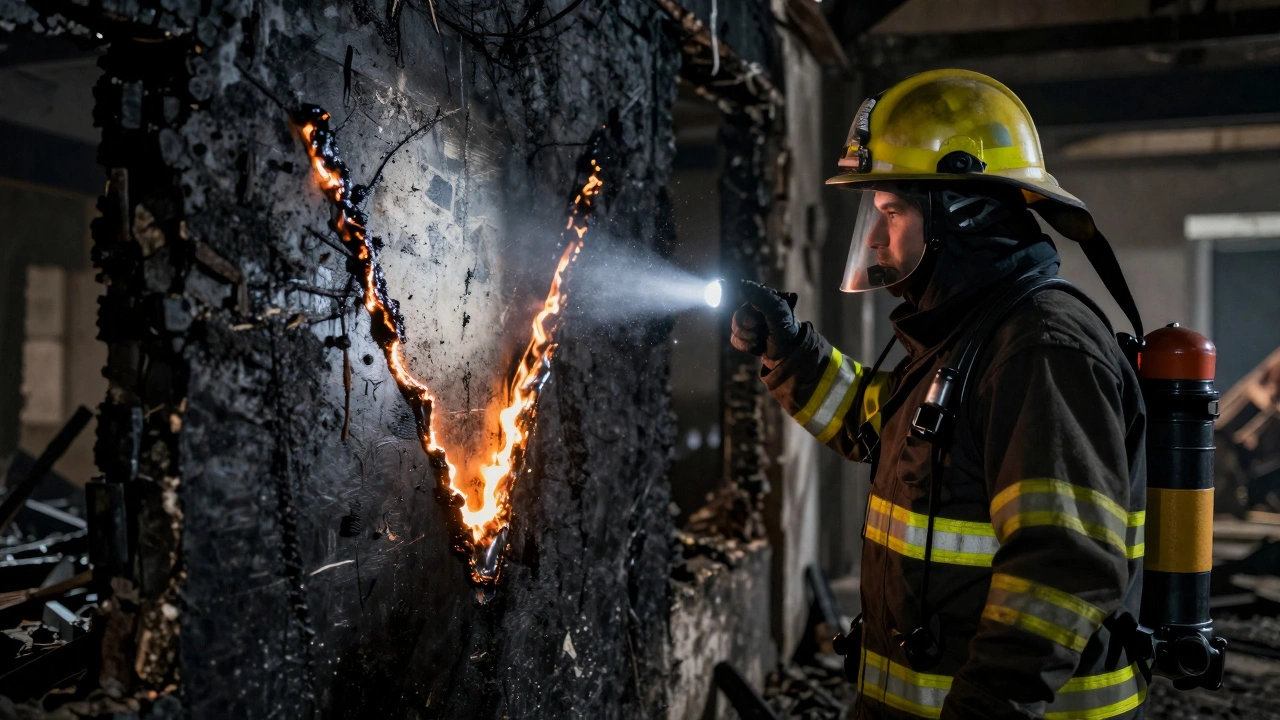
When the smoke clears and the water stops dripping from charred beams, one question remains: how did this start? The answer isn't just curiosity. It dictates insurance payouts, criminal charges, and future safety protocols. Determining whether a fire was accidental or intentional (arson) is a complex forensic discipline that separates fact from fiction in the aftermath of destruction.
This process, known as fire cause determination, relies on rigorous science, not guesswork. Investigators must identify the precise point where the fire began and the exact source that ignited it. Getting this wrong can lead to innocent people being accused of crimes or insurers paying out for fraudulent losses. Here is how experts distinguish between a tragic mistake and a deliberate act.
The Science Behind Fire Behavior
To understand how a fire started, you first have to understand how it behaves. Investigators rely on the fire tetrahedron, a model that explains fire requires four components to exist: fuel, oxygen, heat, and a chemical chain reaction. Remove any one of these, and the fire dies. This principle guides every step of the investigation.
The core methodology used is the scientific method. Investigators observe the scene, measure evidence, formulate hypotheses about the origin, test those hypotheses against physical data, and eliminate impossible causes. They don’t look for what they want to find; they look for what the evidence supports. If the evidence contradicts a theory of arson, the investigator must discard that theory, regardless of external pressure.
Finding the Point of Origin
The most critical step in any investigation is identifying the point of origin. This is the specific location where the ignition occurred. Fire spreads upward and outward due to convection currents, so the lowest and most intense burn damage usually points to the start.
Investigators look for several key indicators:
- V-Patterns: Flames fanning out up walls create a triangular shape. The bottom of the 'V' typically marks the horizontal spread of the fire at its source.
- Melted Materials: Thermoplastics like PVC pipes or electrical insulation melt at specific temperatures. The depth and pattern of melting help map heat intensity.
- Heat Discoloration: Walls and ceilings show varying degrees of charring and smoke staining that indicate the direction and speed of flame travel.
Once the area of origin is established, investigators rule out potential ignition sources within that zone. They aren't looking for *a* cause; they are looking for *the* cause. This distinction matters because multiple factors might be present, but only one actually triggered the event.
Decoding Burn Patterns
Burn patterns are the fingerprints of a fire. They tell a story of how flames moved through a structure. Misinterpreting these patterns has historically led to wrongful convictions, so modern forensics emphasizes careful analysis over outdated assumptions.
| Pattern Type | Description | Potential Cause Indicator |
|---|---|---|
| V-Pattern | Triangular scorch mark on walls | Point of origin below the pattern |
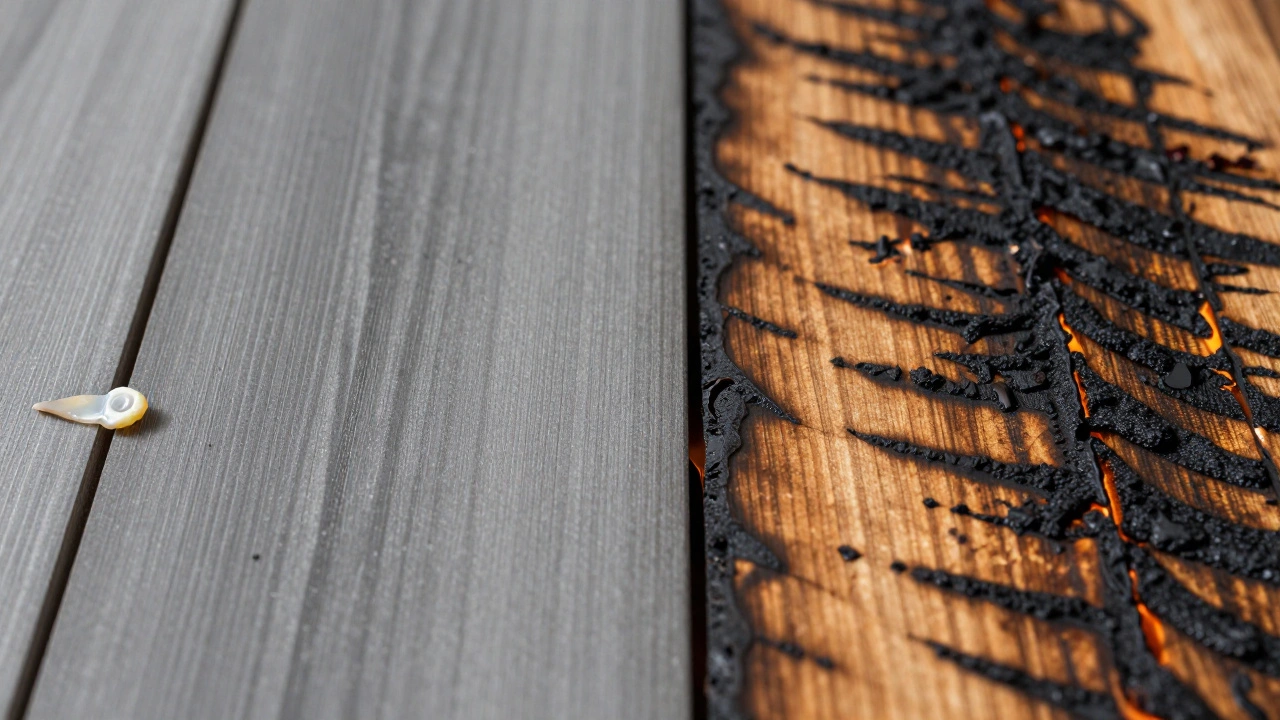
| Pour Patterns | Tiger-stripe or deep char on floors | Presence of liquid accelerants (e.g., gasoline) |
| Isolated Burn Spots | Discrete areas of heavy damage separated by undamaged zones | Multiple ignition points (suggestive of arson) |
| Heat Shadows | Clean areas behind objects | Objects blocking radiant heat; helps reconstruct room layout |
For example, pour patterns often resemble tiger stripes because liquid fuel pools and burns unevenly, creating distinct lines of deep charring. In contrast, accidental fires usually produce more uniform burn progression consistent with natural ventilation and fuel load. Investigators also analyze char depth-the thickness of carbonized wood-to estimate how long a specific area was exposed to high heat.
Common Causes of Accidental Fires
Most fires are not crimes. According to national fire statistics, the majority of structural fires are accidental. Identifying these common causes helps investigators rule out malice when the evidence aligns with typical household hazards.
Electrical malfunctions are a leading cause. This includes faulty wiring, overloaded circuits, or failing appliances. Investigators look for arc-faulting inside walls or melted plugs. Aging equipment and improper installation are frequent contributing factors.
Cooking mishaps account for a significant portion of residential fires. Unattended stoves, grease flare-ups, and distractions in the kitchen create high-risk scenarios. The presence of food residue or specific appliance damage can pinpoint cooking as the source.
Other common accidental causes include:
- Heating equipment failures: Malfunctioning furnaces, clogged chimneys, or space heaters placed too close to combustibles.
- Smoking materials: Improperly discarded cigarettes igniting upholstery or bedding, often linked to carelessness or intoxication.
- Hazardous materials: Improper storage of chemicals, paints, or fuels that may spontaneously ignite or react dangerously.
- Human error: Unattended candles or children playing with lighters.
In these cases, the investigation concludes with a report detailing the mechanical or human error involved. No criminal charges are filed, and the focus shifts to insurance claims and prevention education.
Signs of Intentional Fires (Arson)
When a fire doesn't fit the profile of an accident, investigators shift their focus to arson. Arson is the deliberate and malicious setting of fires. Detecting it requires finding anomalies that contradict natural fire behavior.
One major red flag is the presence of multiple points of origin. A single accidental spark cannot start fires in two disconnected rooms simultaneously. If investigators find separate V-patterns or isolated burn spots with no logical connection, it suggests someone set the fire in multiple locations.
Accelerant use is another key indicator. While some homes contain flammable liquids naturally (like cleaning supplies), unusual concentrations or types of fuel suggest premeditation. Investigators collect debris samples for laboratory analysis to detect traces of gasoline, kerosene, or other ignitable liquids.
Physical evidence often reveals intent beyond the fire itself:
- Damaged safety systems: Sprinklers cut off, alarms disabled, or smoke detectors removed before the fire.
- Entry points: Broken windows or forced doors indicating unauthorized access.
- Fuel arrangement: Furniture stacked unusually or rugs rolled up to expose flooring, facilitating rapid spread.
- Lack of normal ignition sources: Fires starting in empty rooms with no electrical outlets or combustible materials nearby.
Motives such as fraud, revenge, or vandalism often emerge during the background investigation. Insurance adjusters work closely with fire detectives to detect fraud, ensuring that claims aren't paid for self-inflicted losses.
The Investigation Process and Timeline
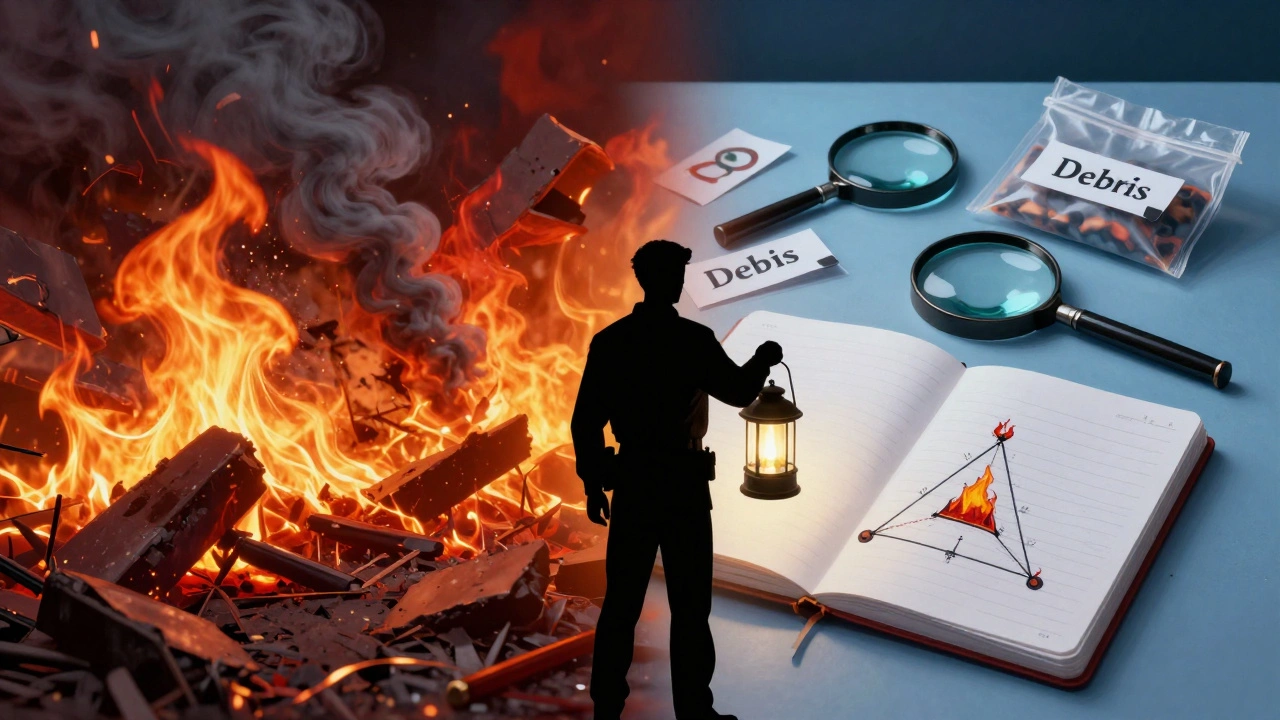
A thorough fire investigation is methodical and documented. After the fire is extinguished, the scene becomes a crime scene if arson is suspected. The process involves:
- Scene Examination: Systematic walkthroughs to document burn patterns, structural damage, and potential origins.
- Evidence Collection: Gathering physical samples for lab testing, including soil, debris, and electronic devices.
- Witness Interviews: Speaking with residents, neighbors, and first responders to establish a timeline.
- Timeline Development: Piecing together events using surveillance video, phone records, and fire department response logs.
Developing an accurate timeline is crucial. Investigators must avoid confirmation bias-the tendency to interpret evidence to fit a preconceived theory. If there are gaps in the logic, they keep digging. A solid case rests on facts, not assumptions.
In wildfire investigations, the approach differs slightly. Agencies investigate to determine if the fire was caused by nature (like lightning) or human activity. As of recent data, approximately 88% of wildfires are human-caused, ranging from unattended campfires to equipment sparks. These investigations help improve prevention programs and hold negligent parties accountable.
Challenges and Legal Implications
Fire investigators face intense scrutiny. Their findings can make or break insurance claims and criminal prosecutions. Lawyers and opposing experts often challenge their conclusions, demanding rigorous documentation and adherence to scientific standards.
The aftermath of an accidental fire can sometimes mimic arson, especially if ventilation conditions were unusual or if the building contained highly flammable materials. This makes objective analysis vital. Investigators must maintain neutrality, letting the physical evidence guide their conclusions.
When a fire is ruled intentional, the consequences are severe. Criminal investigations begin, suspects are identified, and prosecutors build cases based on the cause and origin report. This document serves as key evidence in court, establishing intent, method, and liability. Conversely, an accidental ruling allows property owners to recover financially and move forward without criminal stigma.
How do investigators know where a fire started?
Investigators locate the point of origin by analyzing burn patterns, particularly V-patterns on walls and the depth of charring on floors and structures. Fire moves upward and outward, so the lowest and most intense damage usually indicates the starting point. They also look for melted materials and heat discoloration to confirm the area.
What is the difference between accidental and intentional fires?
Accidental fires result from unintentional sources like electrical faults, cooking errors, or heating equipment failures. Intentional fires (arson) are deliberately set and often show signs like multiple points of origin, use of accelerants, damaged safety systems, or unusual fuel arrangements. Investigators use physical evidence to distinguish between the two.
Can burn patterns prove arson?
Burn patterns alone don't prove arson, but they provide critical clues. Patterns like pour marks (indicating liquid accelerants) or isolated burn spots (suggesting multiple ignition points) raise suspicion. However, investigators must corroborate these patterns with other evidence, such as lab tests for accelerants or witness statements, to confirm intentional ignition.
What happens after a fire is ruled accidental?
If a fire is ruled accidental, no criminal charges are filed. The investigator provides a written report to the property owner and insurance company. This report details the cause, such as electrical malfunction or cooking error, allowing the claim to be processed fairly. The focus then shifts to rebuilding and preventing future accidents.
Why is the scientific method important in fire investigation?
The scientific method ensures objectivity and accuracy. Investigators observe evidence, form hypotheses, test them against physical data, and eliminate incorrect theories. This prevents bias and ensures conclusions are based on facts rather than assumptions, which is crucial for legal proceedings and insurance decisions.