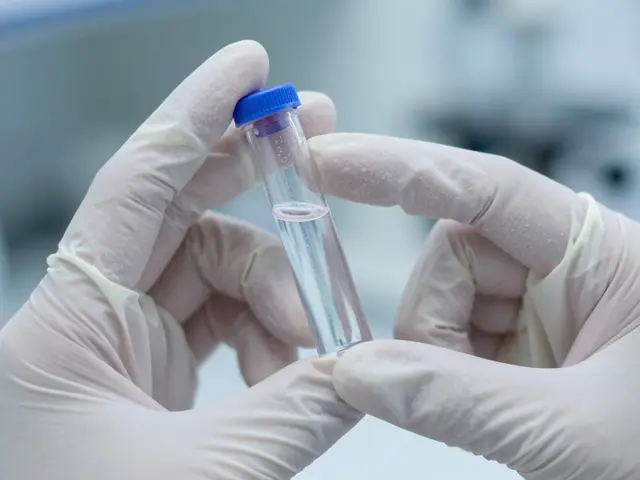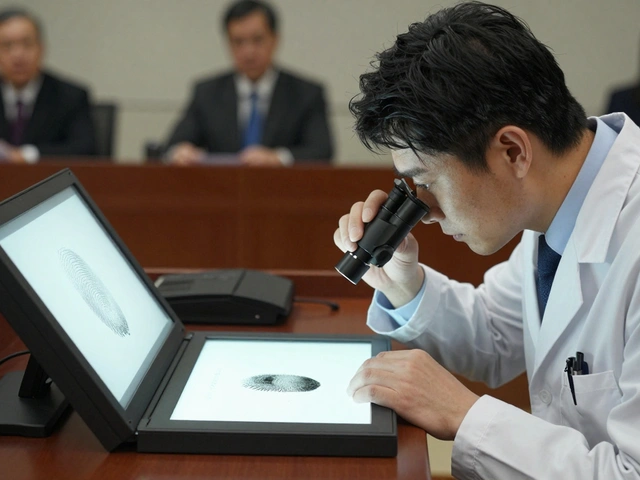
Imagine a jury hearing. The prosecution presents a DNA sample that proves guilt beyond reasonable doubt. But then, the defense attorney stands up and asks one simple question: "Who touched this tube between the crime scene and the lab?" If the answer is shaky, the case collapses. This is where chain of custody comes in. It is not just paperwork; it is the invisible thread that connects physical or digital evidence to its original source without breaking.
In law enforcement, the chain of custody is the documented history of every piece of evidence from the moment it is collected until it is presented in court. Without a perfect record, even the most compelling scientific analysis can be thrown out as inadmissible. For officers, detectives, and forensic technicians, understanding this process isn't optional-it’s the difference between a conviction and an acquittal due to procedural error.
What Exactly Is Chain of Custody?
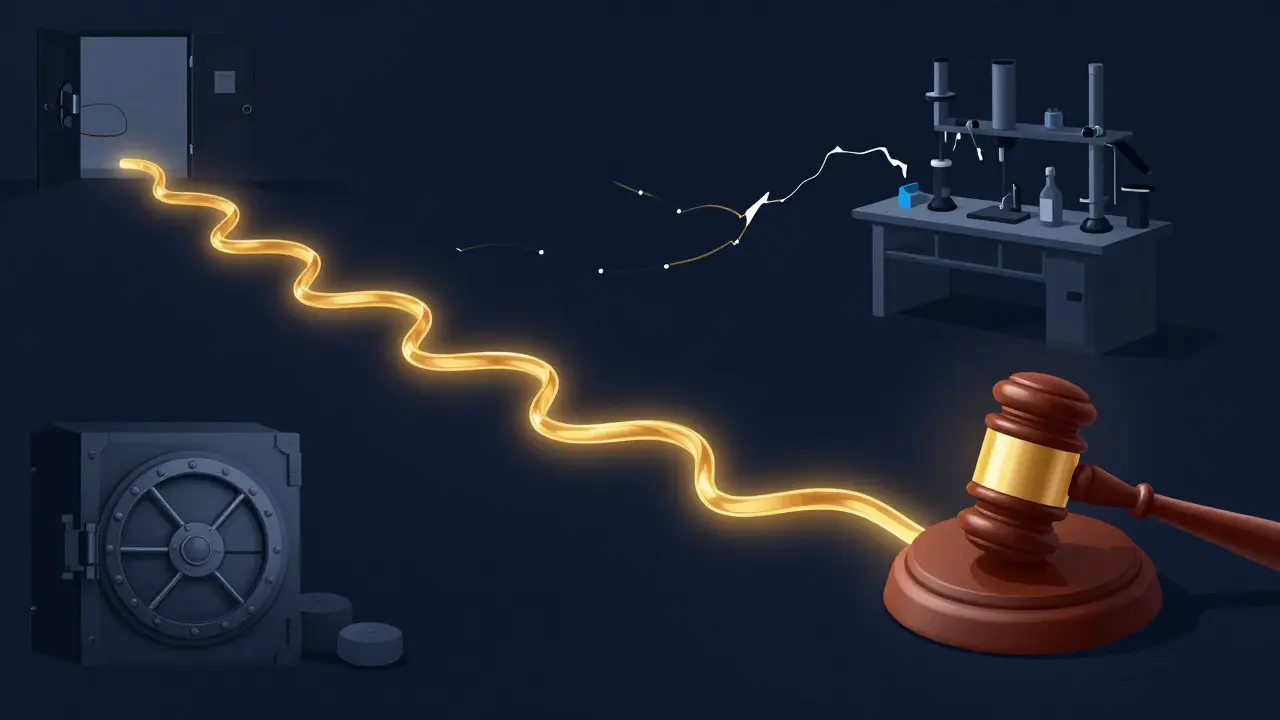
At its core, chain of custody is a chronological log. It tracks who had possession of the evidence, when they had it, why they needed it, and where it was stored. Think of it like a receipt for every hand-off. If you buy a car, you get a title transfer. With evidence, you get a form signed by two people at every transition.
The goal is to prove continuity. You must show that the evidence in the courtroom is the exact same item found at the scene. Any gap in the timeline creates doubt. Did someone swap the bag? Did the sample degrade because it sat in a hot trunk for three hours? The chain of custody answers these questions with data, not guesses.
Why Judges Care About Every Signature
Courts operate on strict rules of admissibility. Under standards like the Federal Rules of Evidence, evidence must be authentic. That means it must be what it claims to be. A broken chain suggests contamination, loss, or tampering. In high-profile cases, a single missing signature has led to mistrials costing taxpayers millions.
It’s not just about bad faith. Human error is the biggest threat. An officer might forget to write down the time of transfer. A technician might leave a locker unlocked. These aren’t crimes, but they are fatal to a case. The judge doesn’t care if the evidence wasn’t actually tampered with; they care if you can *prove* it wasn’t. The burden of proof lies with the prosecution to establish the integrity of the item.
Physical vs. Digital: Two Different Worlds
Handling a bullet casing is different from handling a hard drive. Physical evidence requires protection from environmental factors-moisture, heat, and biological decay. Digital evidence, however, faces the risk of alteration at the bit level. A single changed pixel in a photo or a modified timestamp in a file can ruin a case.
- Physical Evidence: Focuses on containment and preservation. Bags, tubes, and seals are critical. The concern is external contamination (dirt, other DNA) or degradation (mold, evaporation).
- Digital Evidence: Focuses on integrity and isolation. Hard drives should be imaged, not used directly. Volatile memory (RAM) must be captured before powering off. The concern is internal alteration or accidental deletion.
Mixing these protocols is a common mistake. Plugging a suspect’s laptop into a standard network port can trigger automatic updates that overwrite files. Using a regular plastic bag for a wet blood stain can promote bacterial growth. Knowing which protocol applies is the first step in securing the chain.

The Step-by-Step Process: From Scene to Court
Getting the chain right starts before you even pick up the item. Here is how the process flows in a typical investigation:
- Collection: The officer identifies the item, photographs it in place, and collects it using appropriate tools (gloves, tweezers). They label the container immediately with case number, date, time, and collector’s initials.
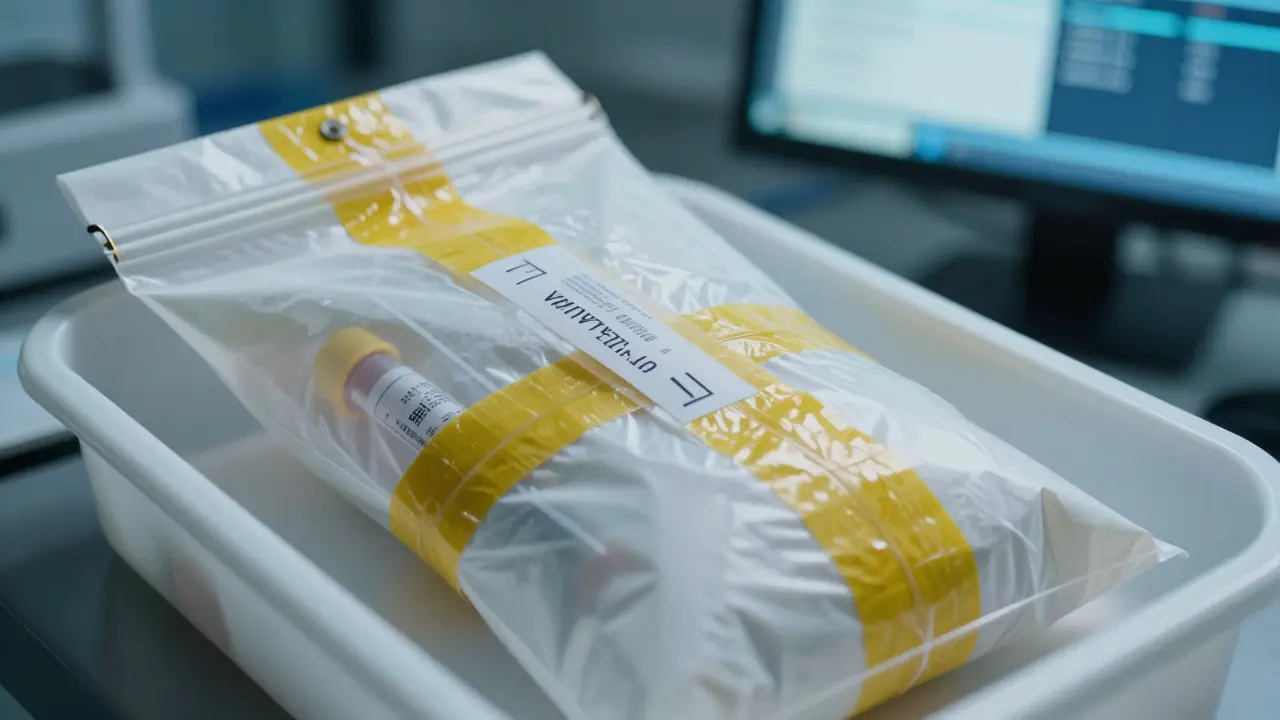
- Packaging: The item is sealed. For biological samples, paper bags are preferred over plastic to prevent mold. For firearms, action bars are inserted to prevent discharge. The seal is numbered to match the evidence log.
- Recording: The entry goes into the evidence management system (EMS). This includes the description, location found, and condition. A unique barcode or RFID tag is often applied here.
- Transfer: When the item moves from the field officer to the lab, both parties sign the custody form. The new holder records the time and reason for transfer (e.g., "For DNA analysis").
- Storage: The item is placed in a secure, climate-controlled environment. Access is logged. If it leaves storage for testing, another transfer record is created.
- Analysis: Forensic scientists test the item. They must document any changes in condition. If the item is returned, it is re-sealed and logged again.
- Production: Before trial, the evidence is produced to the defense. The final custody log is printed and certified by the custodian of records.
Common Pitfalls That Break the Chain
Even experienced teams make mistakes. Here are the top three errors that lead to evidentiary challenges:
- Backdating Forms: Filling out the custody form days later "to save time" is a red flag. If the timestamps don’t align with shift logs or camera footage, judges notice.
- Unsealed Transfers: Moving evidence without a witness or without sealing the bag after opening it breaks continuity. Always reseal and note the new seal number.
- Vague Descriptions: Writing "blue shirt" instead of "blue cotton t-shirt, size M, stained on left sleeve" makes identification difficult later. Specificity prevents mix-ups in large caseloads.
Tools and Technology That Help
Gone are the days of purely paper-based logs. Modern law enforcement relies on technology to reduce human error. Electronic Evidence Management Systems (EEMS) allow real-time tracking via barcodes or QR codes. When an officer scans a bag, the system automatically logs the user, time, and location.
Blockchain technology is also emerging in this space. By creating an immutable ledger of transfers, blockchain ensures that once a record is entered, it cannot be altered without leaving a trace. While not yet universal, several major departments are piloting these systems to eliminate backdating and unauthorized edits entirely.
| Feature | Paper-Based Log | Digital EEMS |
|---|---|---|
| Error Rate | High (illegible handwriting, lost pages) | Low (auto-populated fields) |
| Searchability | Manual search through binders | Instant query by case ID or barcode |
| Integrity | Vulnerable to alteration/backdating | Audit trail with digital signatures |
| Cost | Low upfront, high labor cost | High upfront, low long-term labor cost |
Best Practices for Field Officers
If you are working in the field, keep these rules close. First, never carry more than one case’s evidence in your personal vehicle unless necessary. Second, always use a witness for high-value items. Third, photograph the evidence before packaging it. These photos become part of the chain, proving the item’s condition at the start.
Also, communicate clearly with the lab. If a sample needs special handling (like cold storage), mark it clearly. Don’t assume the technician knows. The chain of custody is a team effort, and clear communication prevents gaps.
Frequently Asked Questions
What happens if the chain of custody is broken?
The evidence may be deemed inadmissible. However, it depends on the severity. Minor clerical errors might be cured with testimony, but significant gaps in time or unexplained transfers usually result in exclusion from trial.
Does digital evidence require a different chain of custody?
Yes. While the concept is the same, the methods differ. Digital evidence requires hash values (digital fingerprints) to prove integrity. Every time the data is accessed, a new hash is calculated to ensure no bits have changed.
Who is responsible for maintaining the chain of custody?
Everyone who touches the evidence. From the first responder to the judge, each person is a link. However, the primary responsibility for documentation falls on the person making the transfer and the receiving custodian.
How long must chain of custody records be kept?
Records must be kept for the duration of the case plus any appeal period. Many jurisdictions require permanent retention for serious felonies. Check local statutes for specific retention schedules.
Can a lawyer challenge the chain of custody during cross-examination?
Absolutely. Defense attorneys often attack the weakest links in the chain. They look for inconsistencies in times, missing signatures, or improper storage conditions to create reasonable doubt.