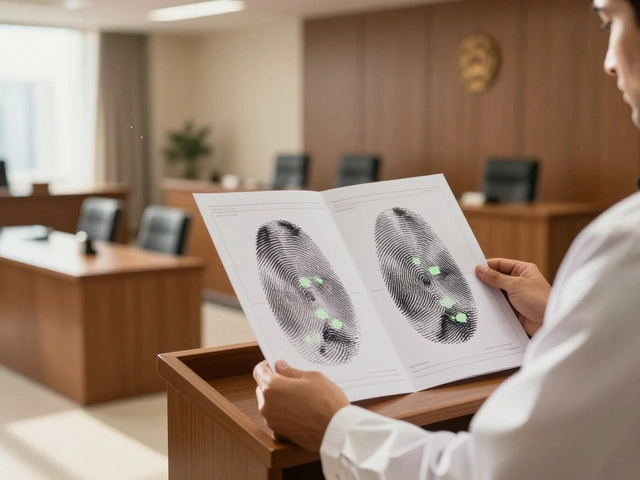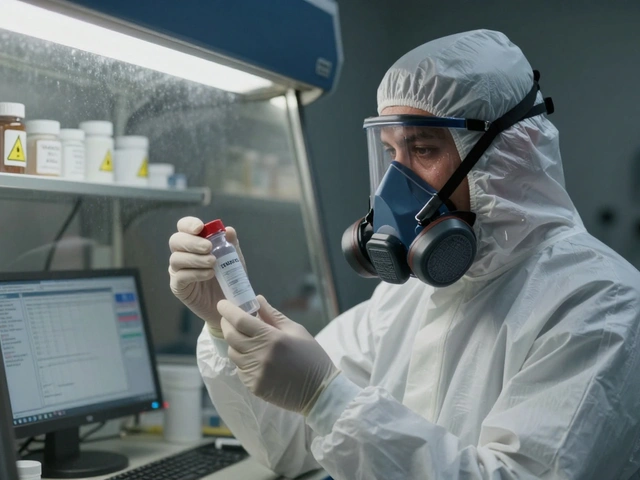
Imagine your lab bench is spotless, your instruments are calibrated, and your analysis is flawless. But if the report you write misses a single detail about how that sample arrived at your desk, a defense attorney can toss the entire case out. In forensic science, the data is only as strong as the paper trail behind it. A robust forensic report structure isn't just administrative busywork; it is the bridge between raw scientific data and courtroom admissibility.
Whether you are a DNA analyst, a digital forensics examiner, or a trace evidence specialist, the core challenge remains the same: translating complex technical findings into a narrative that a judge, jury, or investigator can understand without needing a PhD in chemistry or computer science. This guide breaks down the non-negotiable sections of a professional forensic report, explaining why each part matters and how to avoid the common pitfalls that lead to suppression hearings.
The Foundation: Header and Case Identification
Before you type a single word of analysis, you need to lock down the identity of the case. This section acts as the anchor for everything that follows. If this information is wrong, the rest of the report is useless because no one can verify which sample belongs to which incident.
- Case Number: The unique identifier assigned by the requesting agency (e.g., Police Dept. #2026-459).
- Examiner Name & Credentials: Your full name, title, and relevant certifications (e.g., ABFNS, ASCLD).
- Date of Receipt vs. Date of Analysis: These are two different dates. Never mix them up. The receipt date starts the clock on turnaround time; the analysis date reflects when the actual work happened.
- Requesting Agency & Investigator: Who sent it? Who needs the answer?
A pro tip here: include the specific exhibit numbers exactly as they appear on the evidence tag. If the police labeled it "Exhibit B," do not call it "Sample 1" in the header. Consistency prevents confusion during cross-examination.
Narrative of Evidence Handling: Chain of Custody
This is where most reports fail under pressure. The Chain of Custody is a chronological record documenting every person who handled the physical evidence from collection to final disposition. It doesn't just list names; it proves continuity.
In your report, you don't need to repeat the entire log from the police station, but you must summarize the transfer to your lab. Include:
- The date and time the evidence arrived at your facility.
- The condition of the packaging upon arrival (sealed, broken, leaking?).
- Your initials next to the entry confirming receipt.
- Any gaps in handling, even if minor.
If a seal was broken before you got it, note it immediately. Hiding a compromised package looks worse than admitting it upfront. Transparency builds credibility with the court.
Materials and Methods: The Scientific Backbone
Readers shouldn't have to guess how you got your results. This section details the protocols used. For a layperson, this might look like jargon, but for an opposing expert, it is the roadmap to challenge your work. Be specific.
| Component | Vague Description (Avoid) | Specific Description (Use) |
|---|---|---|
| Instrumentation | Used a mass spectrometer. | Analyzed using an Agilent 6500 QTOF Mass Spectrometer operated in positive ion mode. |
| Standard Reference | Followed standard lab procedures. | Procedure followed SWGDRUG SOP-2024-01, validated per ISO/IEC 17025 guidelines. |
| Controls | Checked for errors. | Ran blank controls and internal standards (caffeine, acetaminophen) with recovery rates within 98-102%. |
Citing the specific Standard Operating Procedure (SOP) number is crucial. It allows any other qualified expert to replicate your steps. If you deviated from the SOP, explain why. Was it a novel technique? Did you use a modified protocol due to sample degradation? Document the deviation and justify it scientifically.

Findings: Data Presentation Without Bias
This is the heart of the report. Present your data clearly, using tables and figures where appropriate. Avoid interpretive language in this section. Stick to what the instrument said or what you observed microscopically.
- Quantitative Data: Provide exact values with units (e.g., 15.4 mg/L). Include the margin of error if applicable.
- Qualitative Data: Describe observations objectively (e.g., "fibers were blue, synthetic, and twisted").
- Statistical Significance: If using probabilistic methods (like STR DNA matching), state the random match probability or likelihood ratio clearly.
Do not mix interpretation with observation here. Save the "what this means" for the conclusion. Mixing them invites attacks on your objectivity.
Interpretation and Conclusion: Connecting Dots to Facts
Now you can step back and tell the story. How do the findings relate to the crime scene or the question asked? Use careful language. Words like "consistent with" or "supports the hypothesis" are safer than absolute claims unless the science is truly definitive.
For example, instead of saying "The paint came from the victim's car," say "The paint chip composition is consistent with the paint found on the victim's vehicle door panel." This distinction protects you from being trapped by a later discovery that another car had similar paint.
Keep conclusions concise. One or two sentences per major finding is usually enough. Over-explaining weakens the impact.

Common Pitfalls That Get Reports Suppressed
Even perfect science fails if the paperwork slips. Here are the three biggest mistakes I see in rejected reports:
- Missing Units: Saying "high concentration" instead of "50 ppm." Numbers without units are meaningless.
- Dated References: Citing a method that was retired three years ago without noting the update. Courts want current best practices.
- Unsigned Pages: Every page should be initialed or signed. A missing signature on page 3 can make the whole document suspect.
Review your report as if you are the defense attorney. Look for holes. If you find one, fix it before it goes to the prosecutor.
Final Review Checklist
Before submitting, run through this quick check:
- Does the case number match the request form?
- Is the chain of custody unbroken and documented?
- Are all instruments identified by model and serial number?
- Are controls included and passed?
- Is the language objective in findings and cautious in conclusions?
- Have all pages been signed and dated?
A well-structured forensic report is more than a summary of tests; it is a legal document that stands up to scrutiny. By mastering these components, you ensure your scientific expertise translates into reliable justice.
How long should a forensic report be?
There is no fixed length. A simple fingerprint match might be two pages, while a complex toxicology case could span twenty. The goal is clarity, not brevity. Include only what is necessary to support the conclusion, but never omit critical data points that affect validity.
Should I include raw data in the report?
Generally, no. Raw data files (like .d files in chromatography) are too large and complex for a narrative report. Instead, include representative spectra or chromatograms as figures. Keep the raw data in your laboratory information management system (LIMS) for audit trails, but reference it in the report rather than pasting it directly.
What is the difference between 'findings' and 'conclusions'?
Findings are the objective results of your tests (e.g., "Substance X detected at 10mg/kg"). Conclusions are your professional opinion based on those findings (e.g., "Presence of Substance X is consistent with exposure to...". Keeping these separate helps judges distinguish between fact and interpretation.
Do I need to mention failed attempts or re-runs?
Yes, if they affected the final result. If you ran a test, it failed, and you re-ran it successfully, note the initial failure and the reason for the re-run (e.g., instrument calibration issue). Transparency shows rigor. Hiding failures suggests bias or carelessness.
How do I handle ambiguous results?
Report the ambiguity honestly. Use phrases like "inconclusive," "indeterminate," or "sufficient to suggest." Do not force a binary yes/no answer if the data doesn't support it. Ambiguity is a valid scientific outcome, and stating it clearly protects your credibility.