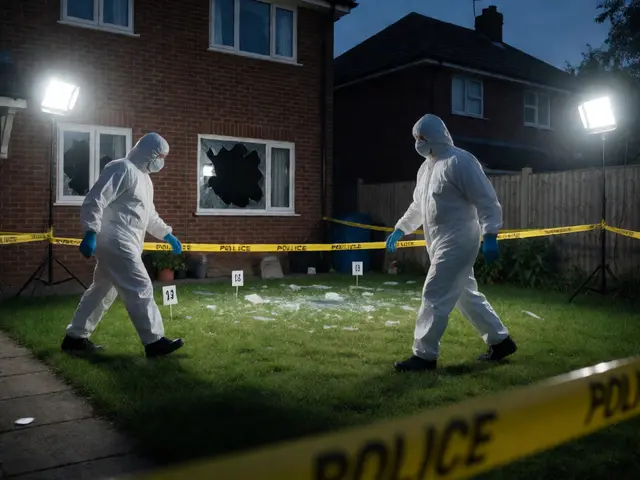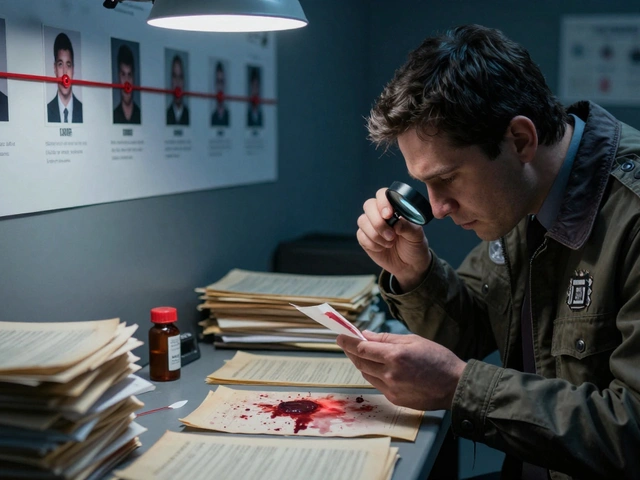
Walking into a gang-related homicide scene is different from any other violent death. The chaos isn't just emotional; it's procedural. You aren't just looking for a killer; you're trying to untangle a web of loyalty, territory, and retaliation that often spans years. If you get the initial response wrong, you lose the thread. The evidence doesn't lie, but if you miss the context, the evidence becomes noise. This guide breaks down the specific methods investigators use to cut through the fog of street violence and build a case that holds up in court.
Understanding the Unique Challenges of Gang Violence
Gang homicides are rarely spontaneous acts of passion. They are usually calculated responses to perceived slights, territorial encroachment, or unpaid debts. Unlike random crimes, these events are deeply embedded in social structures. Investigators must understand that the 'motive' is often communal rather than individual. A victim might be killed not because they did something wrong, but because they were seen with someone who did.
This context changes how you approach the crime scene. You aren't just looking for physical evidence; you're looking for social evidence. Who was there? Who saw what? And crucially, who has a reason to stay silent? The fear factor in gang neighborhoods is high. Witnesses know the rules. Breaking them can mean exile or death. Your job is to make the truth feel safer than the silence.
The Critical First Hour: Scene Management
The first hour determines the success of the entire case. In gang cases, scenes are often processed quickly by patrol officers before detectives arrive. This speed is necessary but risky. Here is how professionals manage the balance:
- Secure the Perimeter: Gang members may return to the scene to clean up or intimidate witnesses. Establish a wide perimeter immediately. Use traffic control to prevent casual observation.
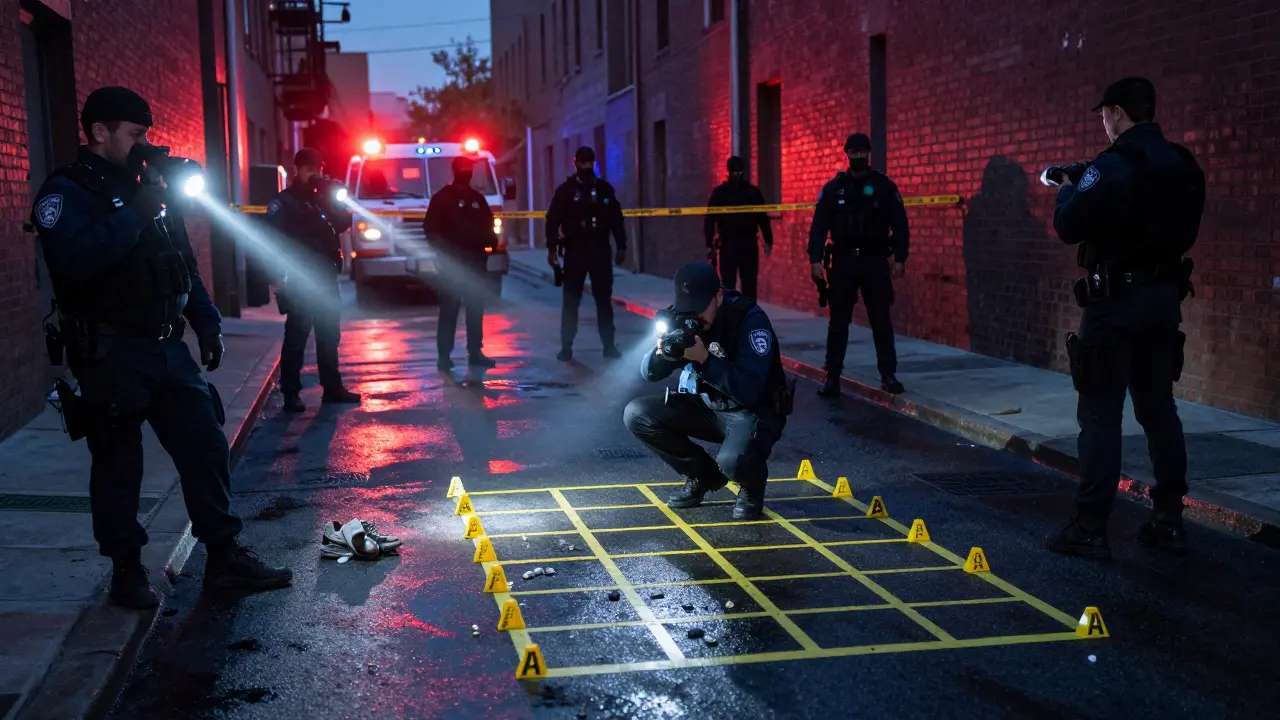
- Photograph Before Touching: Capture the overall scene, then focus on specific items. Look for discarded clothing, shoes, or phones. These are goldmines for DNA and digital forensics.
- Collect Shell Casings Systematically: Do not just pick up what you see. Use a grid pattern to search for casings that may have been kicked away or buried under debris. Each casing is a potential link to a specific firearm via ballistic analysis.
- Identify Potential Witnesses Immediately: Talk to people while their memories are fresh. But be careful. Ask open-ended questions. Avoid leading questions that might contaminate testimony later.
A common mistake is assuming the shooter fled. Often, shooters stay nearby, watching. If you spot individuals lingering at the edge of the perimeter, document their faces, vehicles, and movements. This visual data can be more valuable than physical evidence in identifying suspects.
Intelligence-Driven Investigative Tactics
Traditional detective work relies on leads. Gang investigations rely on intelligence. You need to know who runs the block, who supplies the guns, and who calls the shots. This requires collaboration with specialized units.
Gang Intelligence Units are specialized law enforcement teams that track membership, hierarchy, and activities of organized street groups. They maintain databases on known members, aliases, and territories. When a homicide occurs, detectives should immediately cross-reference the victim and location with this data. Was the victim a member? Was the location in contested territory? Did a rival group operate nearby?
Use tools like CALJAMS (California Justice Information Management System) or local equivalents to check for prior arrests, parole status, or protective orders. Even if the victim wasn't a known gang member, their associates might be. Mapping these relationships helps identify the circle of influence around the incident.
Forensic Ballistics and Firearm Tracing
In gang shootings, firearms are often stolen, unregistered, or purchased on the black market. This makes tracing difficult but not impossible. Forensic ballistics plays a central role here.
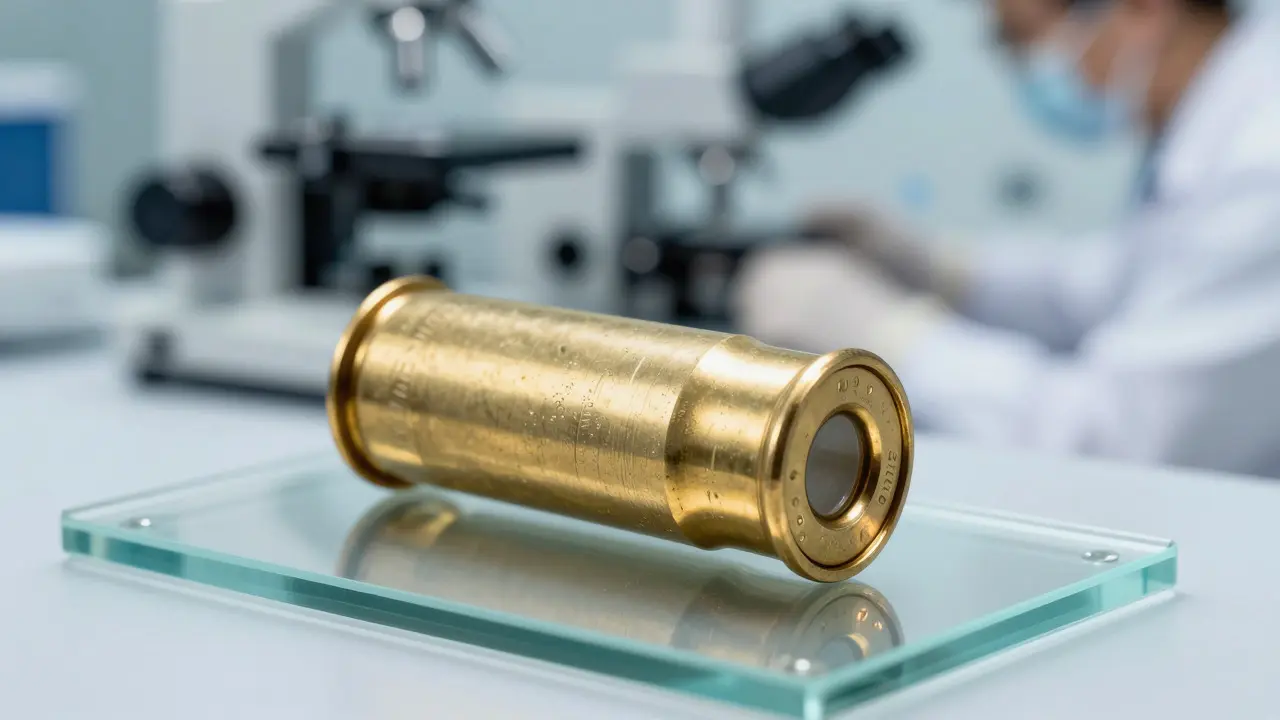
IBIS (Integrated Ballistic Identification System) is a national database that compares microscopic striations on bullet casings to identify matching firearms. When you collect casings, send them to the lab for IBIS entry. If a match is found, you have a direct link to another crime, potentially linking multiple incidents to one weapon or one shooter.
Beyond casings, look for partial prints on the gun itself. Gang members often wear gloves, but not always. Sweat and oil can leave residue. Also, examine the vehicle used to transport the weapon. Tires, paint chips, or fibers from the car interior can link a suspect to the getaway vehicle.
| Evidence Type | Primary Value | Common Pitfall |
|---|---|---|
| Shell Casings | Links to specific firearm via IBIS | Missing due to poor scene search patterns |
| Digital Devices | Reveals communications and alibis | Cloud data wiped before extraction |
| Witness Statements | Provides narrative and motive | Contamination from leading questions |
| Vehicles | Links suspects to scene/getaway | Overlooking tire tread or paint transfers |
Digital Forensics and Communication Patterns
Modern gang violence is coordinated through digital channels. Phones, social media, and encrypted apps are primary tools. Investigators must seize devices quickly. Once a phone is powered off, cloud sync stops, preserving data that might otherwise be deleted remotely.
Look for patterns in communication. Who called whom before the shooting? Were there threats posted on social media? Sometimes, the motive is written in plain sight on Instagram or Twitter. Extract metadata from photos taken near the scene. Geotags can place suspects at the location hours before the event.
Don't ignore burner phones. They are cheap and disposable. If you find a dead phone at the scene, trace its serial number. It might have been registered to a family member or bought with cash, leaving a paper trail at the store.

Building the Case: Victimology and Motive
Victimology is the study of the victim's life. In gang cases, this means understanding their role in the community. Were they a leader? A follower? A newcomer? Their status affects who had a reason to kill them and who had a reason to protect them.
Interview friends, family, and acquaintances. Ask about recent conflicts. Was there a dispute over money, drugs, or respect? Did the victim change behavior recently? Sudden changes in routine can signal impending danger or involvement in a new conflict.
Document the timeline meticulously. Build a day-by-day account of the victim's last 48 hours. Cross-reference this with witness statements and digital data. Discrepancies between what people say and what the data shows often reveal lies or hidden agendas.
Challenges in Prosecution and Community Trust
Even with strong evidence, gang cases face unique hurdles. Defense attorneys often argue lack of motive or claim the victim was involved in the crime. To counter this, your investigative file must be thorough. Every lead must be documented, even if it goes nowhere. Show that you left no stone unturned.
Community trust is fragile. If residents believe the police only care about catching the shooter and not preventing future violence, cooperation drops. Engage with community leaders. Explain the process. Let them know you are working to solve the case, not just close it. This builds the rapport needed for long-term intelligence gathering.
How long does it take to solve a gang-related homicide?
There is no fixed timeframe. Some cases are solved within days if a suspect is identified quickly. Others take months or years, depending on the complexity of the network and the availability of witnesses. Digital forensics and ballistic matches often accelerate the process.
What is the most critical piece of evidence in these cases?
While physical evidence like casings is vital, witness testimony combined with digital data often provides the strongest narrative. Without a clear motive and connection to the suspect, physical evidence alone may struggle to convince a jury.
How do investigators handle witness intimidation?
Investigators use witness protection programs, anonymous tip lines, and rapid interview techniques. Building trust early is key. Showing respect and protecting the witness's safety encourages cooperation despite fears of retaliation.
Can social media be used as admissible evidence?
Yes, if properly authenticated. Screenshots alone are weak. Investigators should preserve original data through legal discovery or forensic extraction. Metadata and server logs help prove authenticity in court.
What role does victimology play in gang homicides?
Victimology helps establish motive. Understanding the victim's role in the gang structure reveals who benefited from their death or who felt threatened by their actions. It turns a generic murder into a specific, motivated act.